
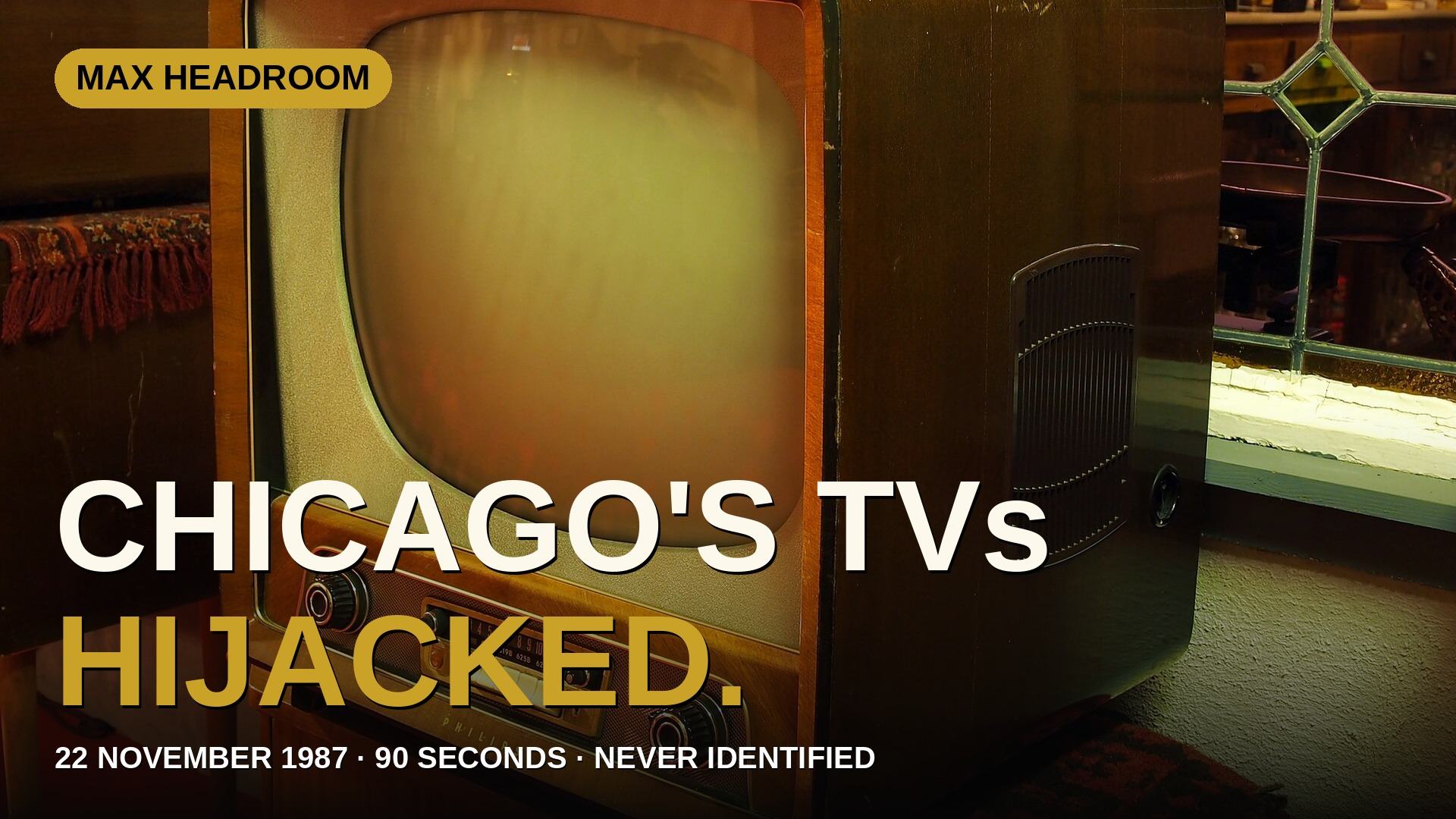
Sunday night, 22 November 1987. Chicago sports fans were watching WGN-TV’s nine o’clock news, and anchor Dan Roan was walking them through the day’s football highlights.
Then the picture jittered, broke up, and went somewhere else entirely. A figure in a rubber Max Headroom mask swayed in front of a spinning corrugated panel.
There was no speech. There was only a loud buzzing, for about seventeen seconds, until WGN’s engineers wrestled their own station back. Roan, rattled, told viewers he was wondering too.
Max Headroom was a famous face that year: a stuttering, computer-styled TV character, fresh from his own cancelled series and a run of soft-drink adverts. Everyone recognised the grin.
Almost exactly two hours later, it happened again. This time the target was WTTW, Chicago’s public station, midway through the Doctor Who story Horror of Fang Rock.
This time the figure had a voice, distorted and rambling. He mocked a WGN sportscaster, joked about soft drinks, hummed, groaned, and held the channel for about ninety seconds.
It ended in a way no one who saw it forgot. The figure bared his buttocks, a woman off camera spanked him with a flyswatter, and then Doctor Who simply resumed.
No one at WTTW could stop it. No one anywhere has ever explained it. Nearly forty years on, the people behind the mask have never been identified, charged, or even credibly named.

The Technical How
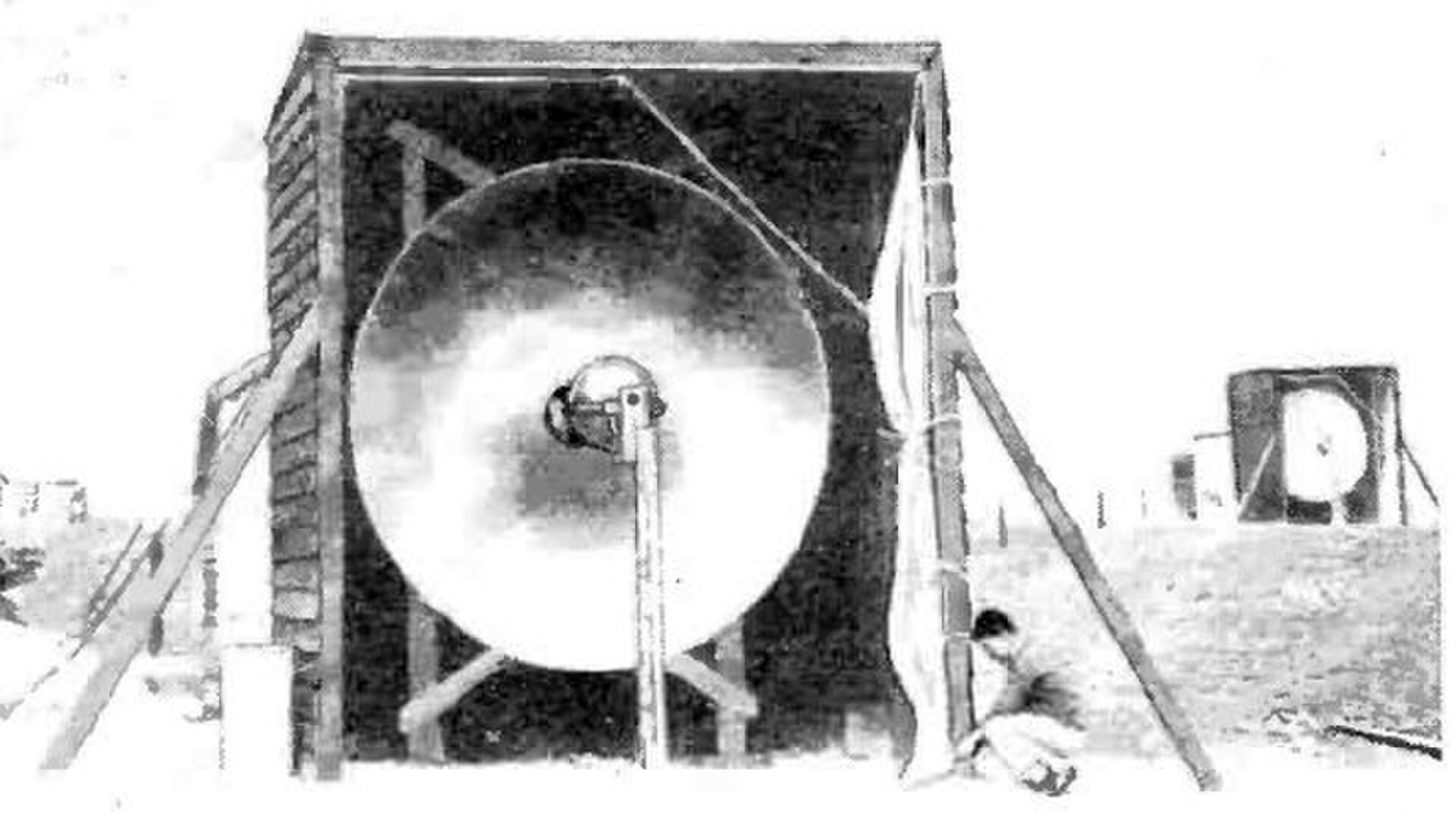
Hijacking a TV station in 1987 did not mean breaking into a studio. It meant beating the invisible link between the studio and the transmitter that actually sent the signal out.
Stations beamed their programmes by microwave from the control room to a rooftop antenna. If a stronger microwave signal reached that receiver on the same path, the receiver locked onto it.
Engineers call that the capture effect. The stronger signal wins, the station’s own feed is ignored, and thousands of homes see whatever the stronger transmitter is sending.
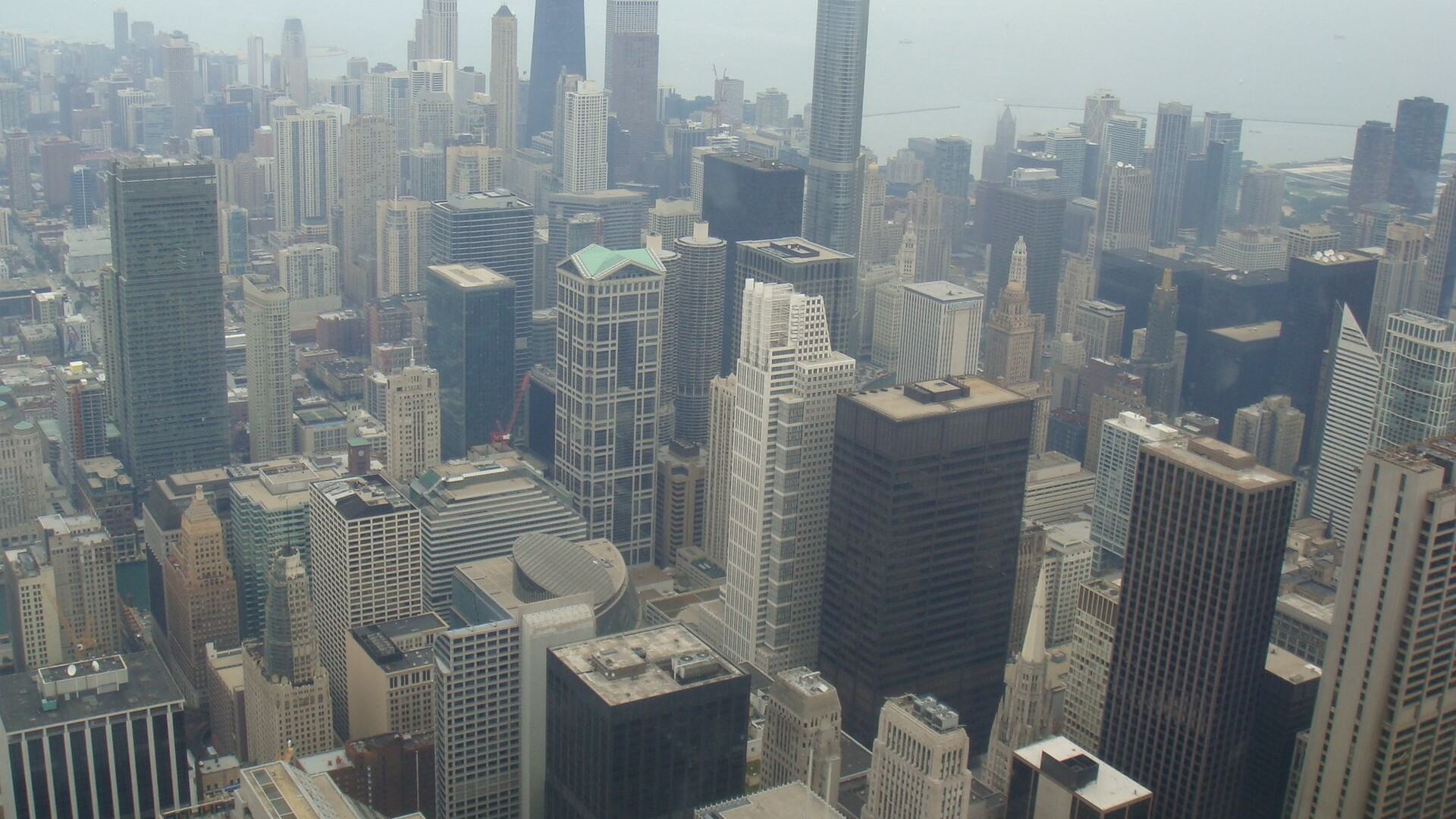
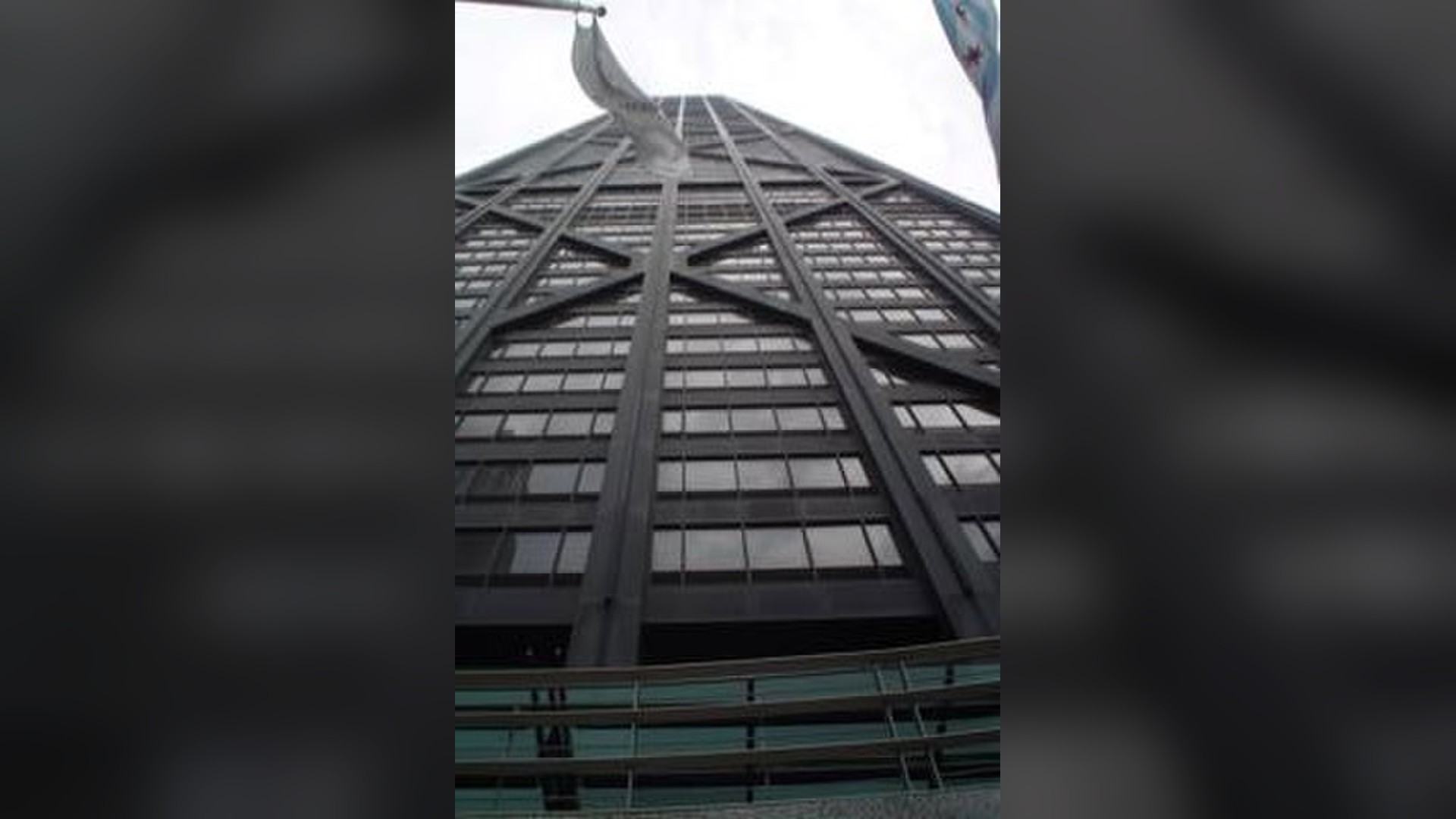
WGN’s link fed the antenna on the John Hancock Center. Its engineers ended the first intrusion in about seventeen seconds by switching the link to a different frequency.
That fast fix tells you something. The intruders lost the moment the station changed the rules of the link. Their trick depended on knowing exactly where and how to transmit.
WTTW had no such luck. As Wikipedia’s Max Headroom signal hijacking account records, nobody was on duty at its transmitter site that night to fight back.
So the second pirate broadcast ran its full course and ended only when the hijackers chose to stop. The station’s own staff could only watch their channel be worn like a costume.
Pulling this off took real kit and real knowledge: a microwave transmitter strong enough to overpower a station link, the right frequencies, a high vantage point, and a prerecorded tape.
Investigators later reckoned the gear could have cost around ten thousand dollars new, though used broadcast and amateur equipment could have cut that sharply.
It also took at least two or three people: the masked figure, the woman with the flyswatter, and very likely someone running the transmitter while the tape played.
That mix, part broadcast engineer and part comedy troupe, is exactly what made the culprits so hard to place. The skill was professional. The motive looked like a student prank.
The Investigation
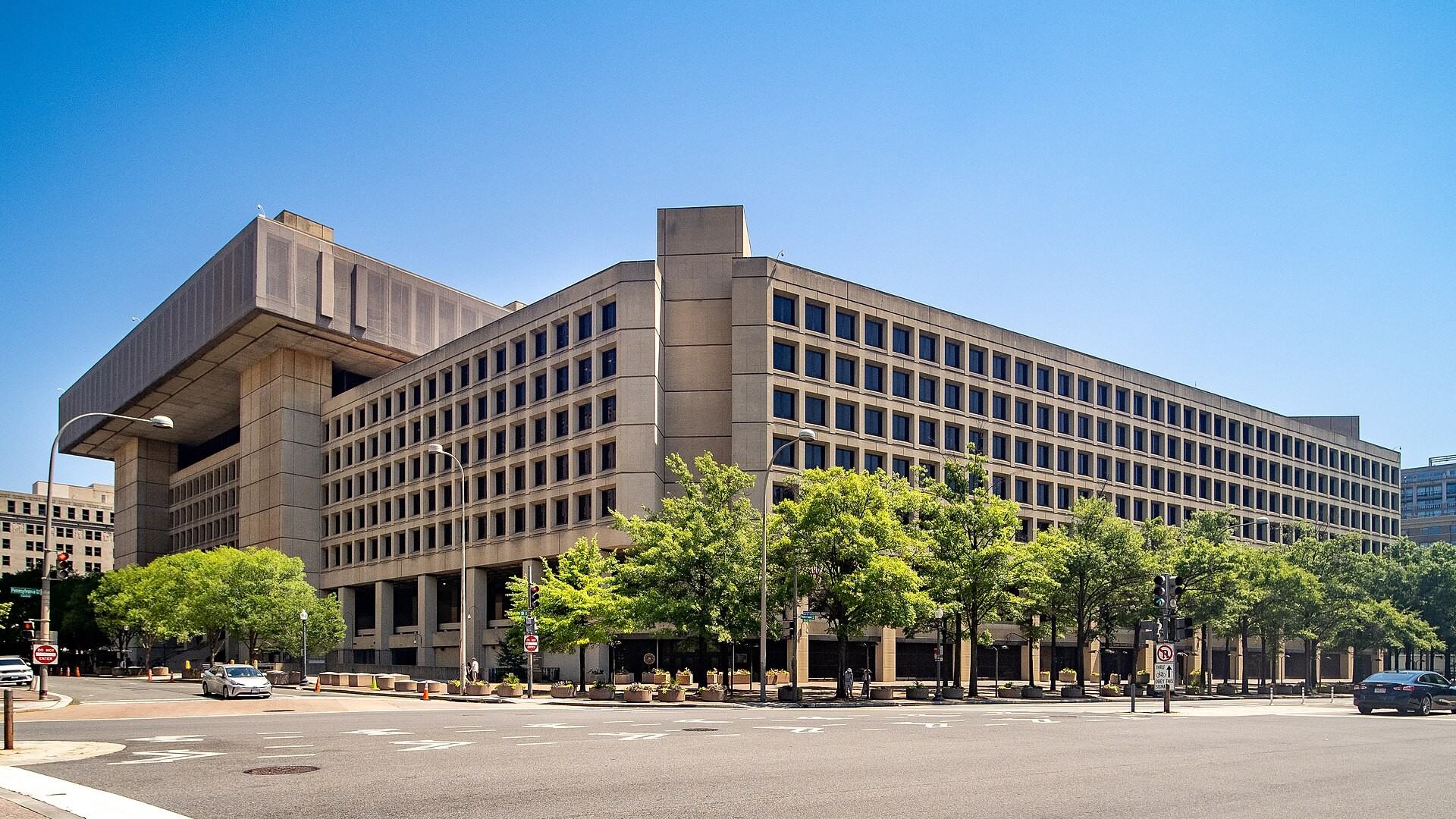

The Federal Communications Commission moved within days. Signal hijacking was a federal offence, and this one had played out in front of a major city’s evening audience, twice.
The FBI joined the hunt, and its laboratory later examined the videotape for anything usable: a reflection, a voiceprint, a face behind the mask. It found nothing that named anyone.
Regulators warned publicly of heavy fines and jail time. A reward was offered. Tips came in, as tips always do, and none of them produced a suspect the authorities would name.
The tape itself was the whole evidence locker. The mask was a mass-produced item anyone could buy. The voice was distorted past recognition. The backdrop gave away no location.
The inside-job theory came first, as it usually does. A disgruntled station employee, or a former one, would know the links, the frequencies, and the staffing gaps on a Sunday night.
It remains a theory, not a finding. No employee was charged, no insider confessed, and no document has surfaced tying the stunt to anyone at WGN or WTTW.
Other names have floated around online for decades, including artists and local broadcast obsessives. Each claim collapses the same way: plenty of fit, no proof, and denials from people who knew them.
Time finished what silence started. The five-year federal statute of limitations expired in 1992, which means the hijackers could confess today and face no prosecution for it.
Nobody has. In an era when far smaller stunts get claimed within hours, the Max Headroom crew have kept their secret through fame, forums, and a standing invitation to brag.
One more thing protects them now: the analogue television system they exploited was switched off in the United States in 2009. The door they walked through no longer exists.
The Verdict
Most unsolved cases lack evidence. This one was broadcast to a city, recorded on home video, and investigated by two federal agencies, and it still produced no names.
That is what sets it apart from other signal intrusions of the era, whose culprits were identified. Chicago’s pirates planned better, talked less, and apparently told no one, ever.
The stunt sits in the same family as later arguments about who controls the feed, a suspicion we explored in our look at the Dead Internet Theory.
Verdict: Unresolved. The method is understood in outline, the tape survives, and the legal clock ran out in 1992. Who wore the mask, who ran the transmitter, and why they did it remain unknown.
Frequently Asked Questions
When did the Max Headroom hijacking happen?
On Sunday 22 November 1987 in Chicago. WGN-TV was hit at about 9:14 p.m., and WTTW was hit roughly two hours later, at about 11:15 p.m.
How long did each intrusion last?
The WGN intrusion lasted about seventeen seconds, with buzzing but no speech. The WTTW intrusion lasted about ninety seconds, with distorted audio.
How did the hijackers take over the stations?
Investigators believe they overpowered the stations’ microwave studio-to-transmitter links with a stronger signal, which the receivers then locked onto.
Was anyone ever caught or charged?
No. The FCC and FBI investigated, but no suspect was ever publicly named or charged, and no one has credibly claimed responsibility.
Could the hijackers still be prosecuted?
No. The five-year statute of limitations expired in 1992, so a confession today could not lead to prosecution for the hijackings themselves.
Join the Conversation
Two stations, one mask, and a secret kept for nearly forty years. Was this a disgruntled insider, a broadcast prank crew, or someone else entirely? Make your case in the comments.
Read Next
Dead Internet Theory: Is the Web Mostly Bots?
Cicada 3301: The Internet’s Deepest Puzzle
Did The Simpsons Predict Epstein Island?
