
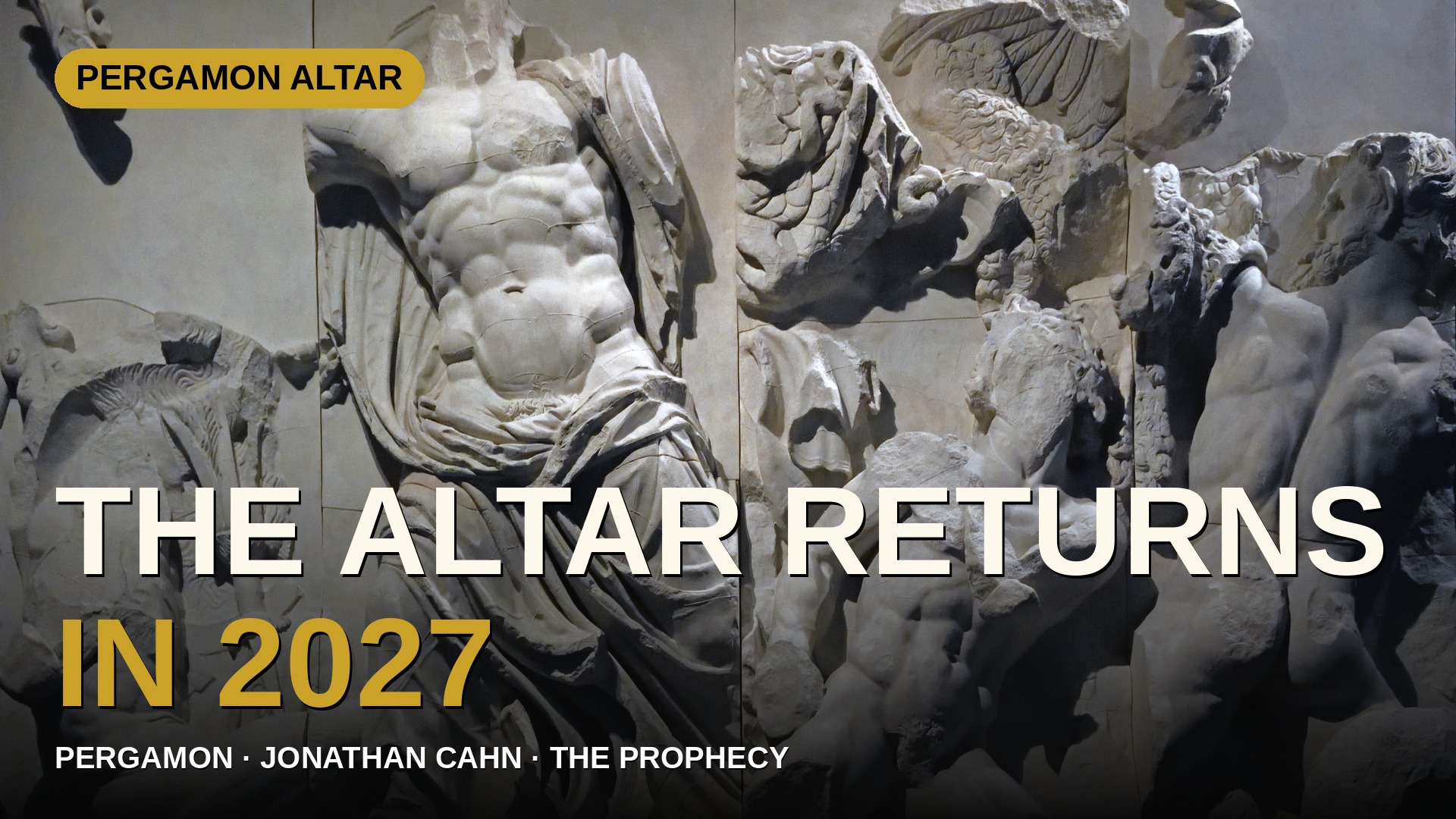
The Pergamon Altar 2027 Prophecy: A Reopening With a Shadow
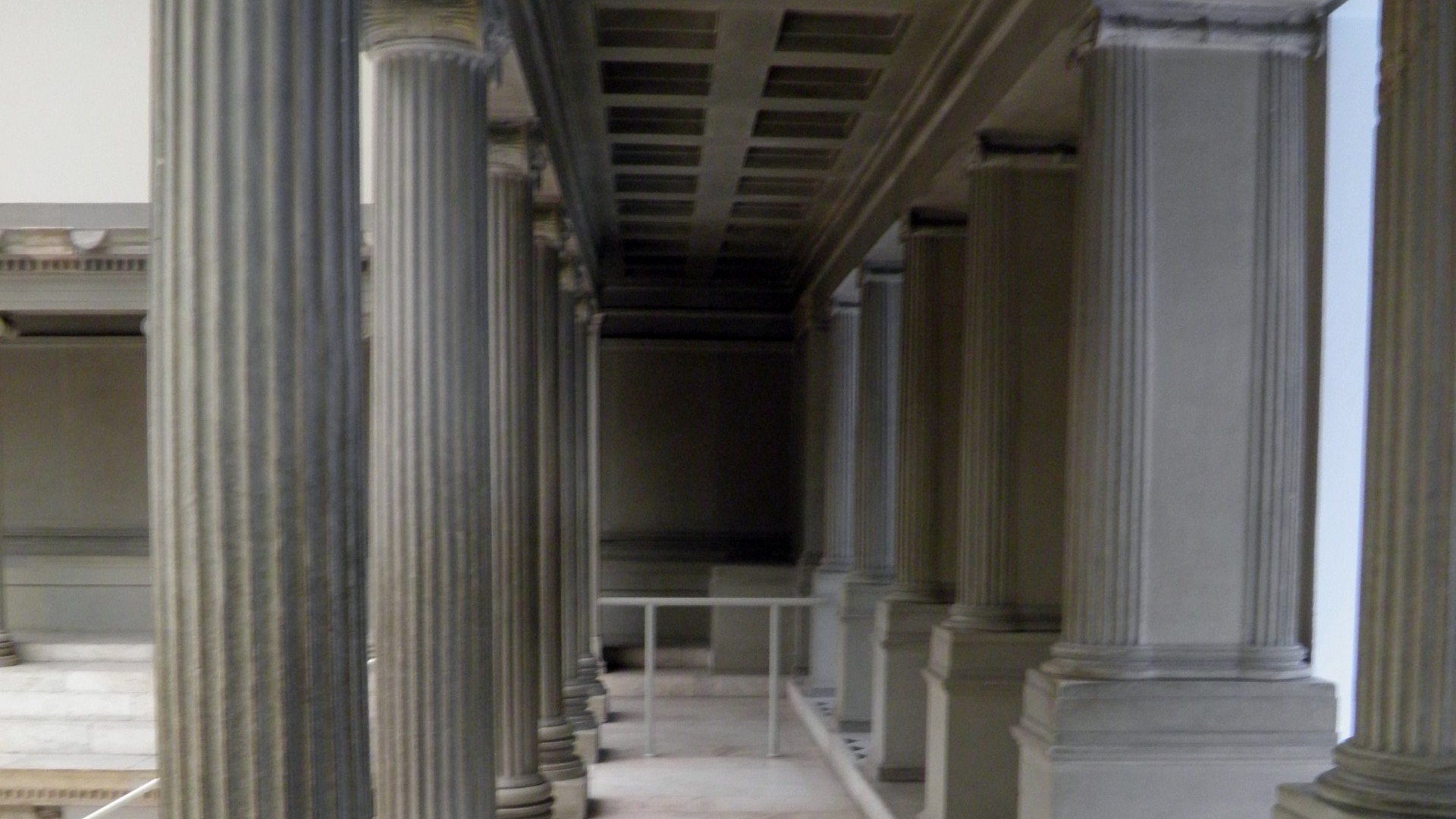
On 4 June 2027, the Pergamon Museum in Berlin reopens its north wing and central building after years of renovation work.
The star of the reopening is a block of carved marble: the Pergamon Altar, back on public display for the first time in well over a decade.
For the museum, this is a construction story. Scaffolding, restored friezes, group tours you can already book for the opening month.
For a large and growing online audience, the same date reads very differently. They see the return of the object the Bible calls the place “where Satan’s throne is.”
Bestselling author Jonathan Cahn has built a book, and a warning, around that reopening date. He argues the altar’s movements have shadowed the darkest turns of modern history.
The Pergamon Altar 2027 prophecy rests on a rare thing in this world: a real artefact, a real verse and a real, confirmed date. What any of it means is where the argument starts.
Key Facts
- The Pergamon Altar was built under King Eumenes II of Pergamon in the second century BC, most likely between about 180 and 160 BC.
- Its great outer frieze, roughly 113 metres of marble, shows the Gigantomachy: the Olympian gods battling the giants.
- German engineer Carl Humann began official excavations at Pergamon in 1878. The altar was shipped to Berlin and reconstructed there.
- The Pergamon Museum building that presents the altar opened in 1930. That same autumn, the Nazi Party leapt to become Germany’s second-largest party.
- Albert Speer modelled the Zeppelintribüne, the grandstand Hitler spoke from at Nuremberg, on the Pergamon Altar. Nuremberg’s own museums confirm it.
- Soviet troops seized the frieze panels in 1945. They were held at the Hermitage in Leningrad until 1958 and returned to East Berlin in 1959.
- The altar hall closed in 2014, the whole museum closed in October 2023, and the Staatliche Museen zu Berlin has set the reopening for 4 June 2027.
The Altar
A Mountain of Marble
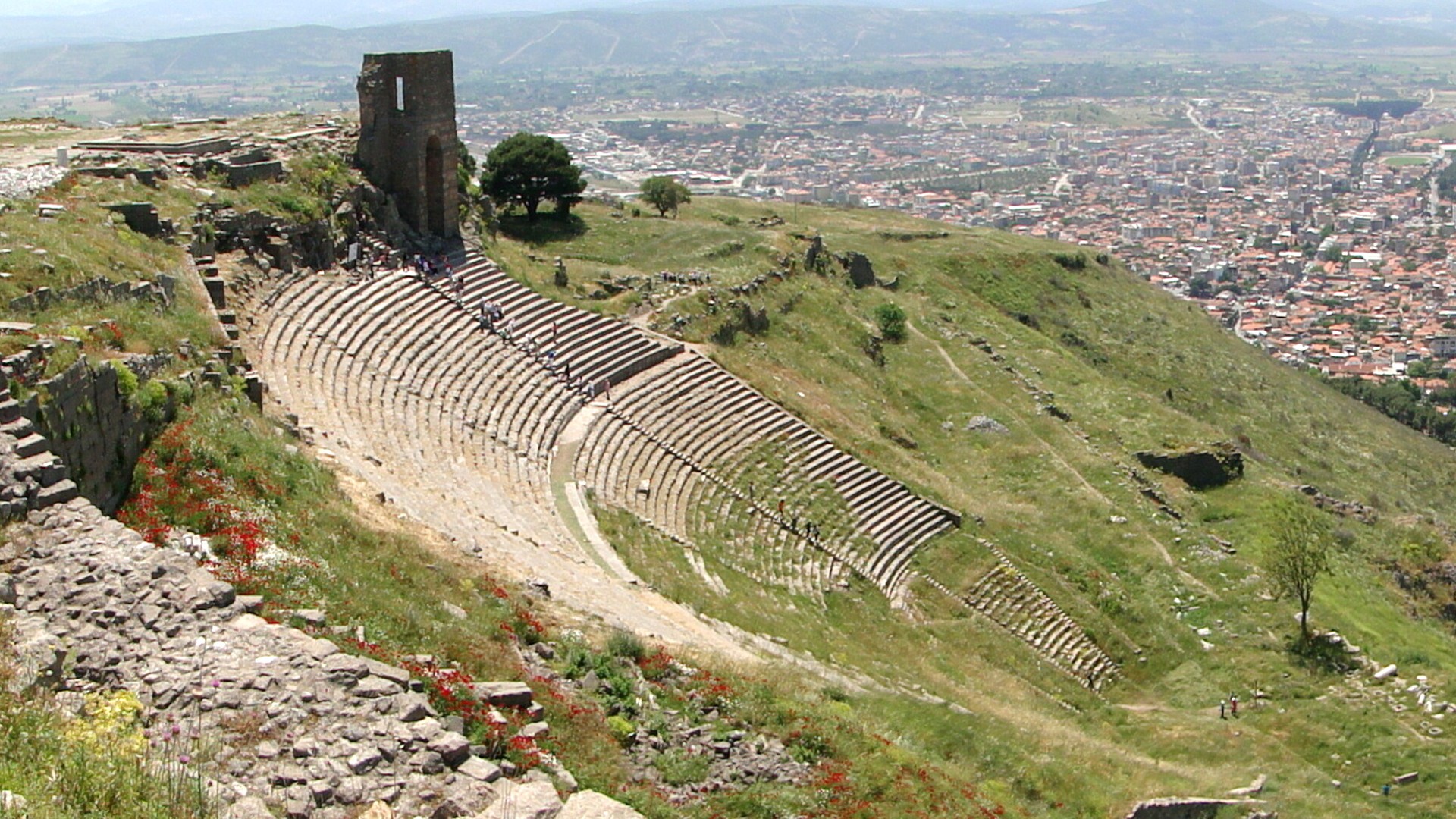
The altar stood on a terrace of the acropolis of Pergamon, in what is now western Turkey. It was not a temple. It was a monumental altar in its own right, and it was enormous.
The structure measures about 35.7 metres wide and 33.4 metres deep. The front stairway alone is nearly 20 metres wide, climbing to a colonnaded court.
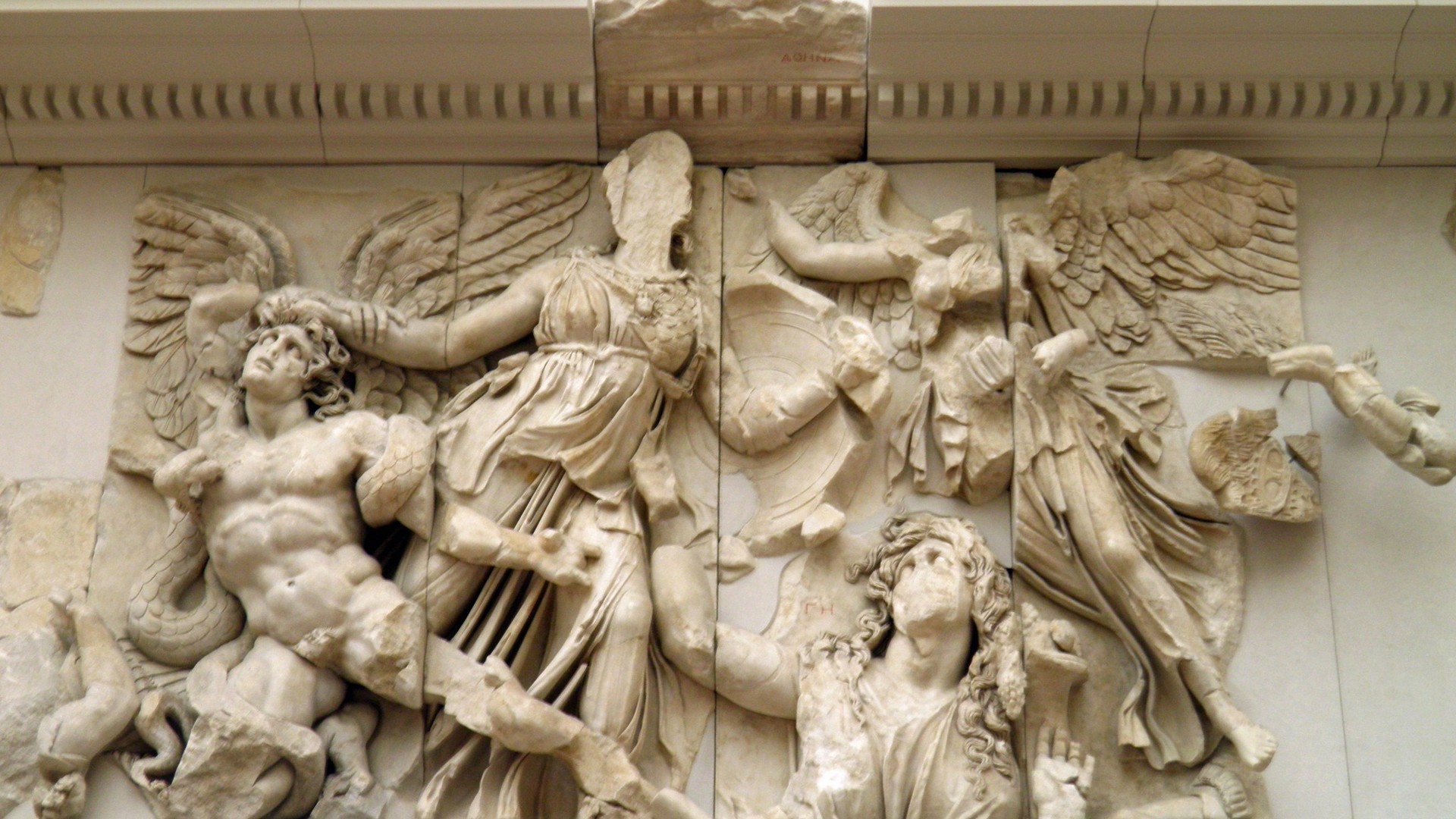
Around the base runs the Gigantomachy frieze, carved in high relief: Zeus, Athena and the Olympian gods locked in battle with the giants of earth.
Athena seizes the giant Alkyoneus by the hair while Nike flies in to crown her. It is considered one of the supreme achievements of Hellenistic sculpture.
Inside the court, a second, smaller frieze tells the story of Telephus, the legendary founder of Pergamon. The actual fire altar sat at the top of the stairs.
Even the basics are argued over. The altar is usually credited to Eumenes II and linked to Zeus and Athena, but its exact dedication was never recovered.
Long-time Pergamon excavation director Wolfgang Radt concluded that almost nothing about it is undisputed: “neither the builder nor the date nor the occasion nor the purpose.”
The altar was famous early. The Roman writer Ampelius listed it among the wonders of the world: a great marble altar, 40 feet high, covered in colossal sculpture.
Its image even circulated on Roman-era coins of Pergamum, stylised but recognisable. It was, in effect, the ancient world’s postcard of the city.
What is not disputed is the verse. Revelation 2:13 addresses the church in Pergamum as living “where Satan’s throne is,” and many scholars argue this altar is what the writer had in view.
Dug Up and Shipped to Berlin
By the nineteenth century, the altar was a quarry. Local builders in Bergama were reusing its marble, and some reliefs were being burned for lime.
Carl Humann, a German engineer working in the region, recognised what the fragments in a Byzantine fortification wall actually were. He pushed Berlin to act.
Official excavations ran from 1878 to 1886 under an agreement with the Ottoman authorities. The relief panels were shipped to Berlin piece by piece.
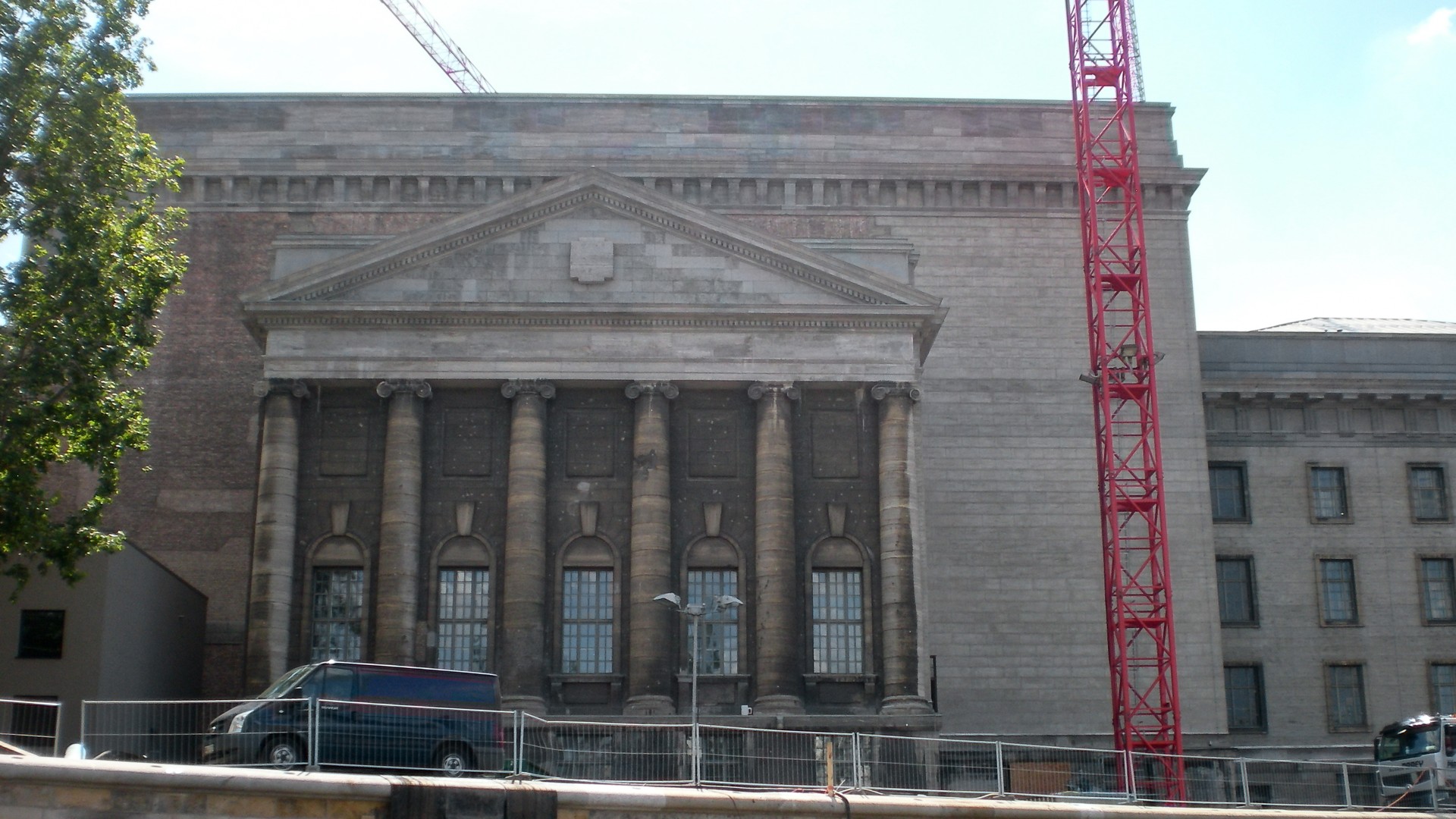
A first display came early, but the altar’s permanent home took decades. The Pergamon Museum, designed by Alfred Messel, finally opened in 1930 with the reconstruction as its centrepiece.
The Century That Kept Moving It
The museum closed in 1939 as war began. The reliefs were taken down and stored, and the panels ended the war in an air-raid shelter near Berlin Zoo.
In 1945 the Red Army took them to the Soviet Union as war trophies. They sat in storage at the Hermitage in Leningrad until 1958.
Most of the collection was returned to East Germany in 1959, and the altar went back on display in a divided Berlin, in a museum metres from the border of the Cold War.
The altar hall then stayed open for over half a century, until renovation closed it in 2014. The museum’s first comprehensive overhaul in over 90 years followed.
The entire building shut in October 2023. The Staatliche Museen zu Berlin now lists the reopening plainly: the north wing and central building, with the altar, return on 4 June 2027 Staatliche Museen zu Berlin.
The Prophecy
Jonathan Cahn’s Framework
Jonathan Cahn is a Messianic rabbi and a publishing phenomenon. The Harbinger made him a number-one New York Times bestselling author; The Return of the Gods argued ancient deities are resurfacing in modern life.
His new book, The Altar of Pergamon, applies his method to one object. The method is pattern: an ancient thing moves through history, and history darkens around it.
His chain of dates runs like this:
- 1878 — excavations begin at Pergamon. Cahn notes this is also the year Stalin was born.
- 1930 — the altar is unveiled in its Berlin museum. In the election of September 1930, the Nazi Party jumps from 2.6 percent of the vote to become Germany’s second-largest party.
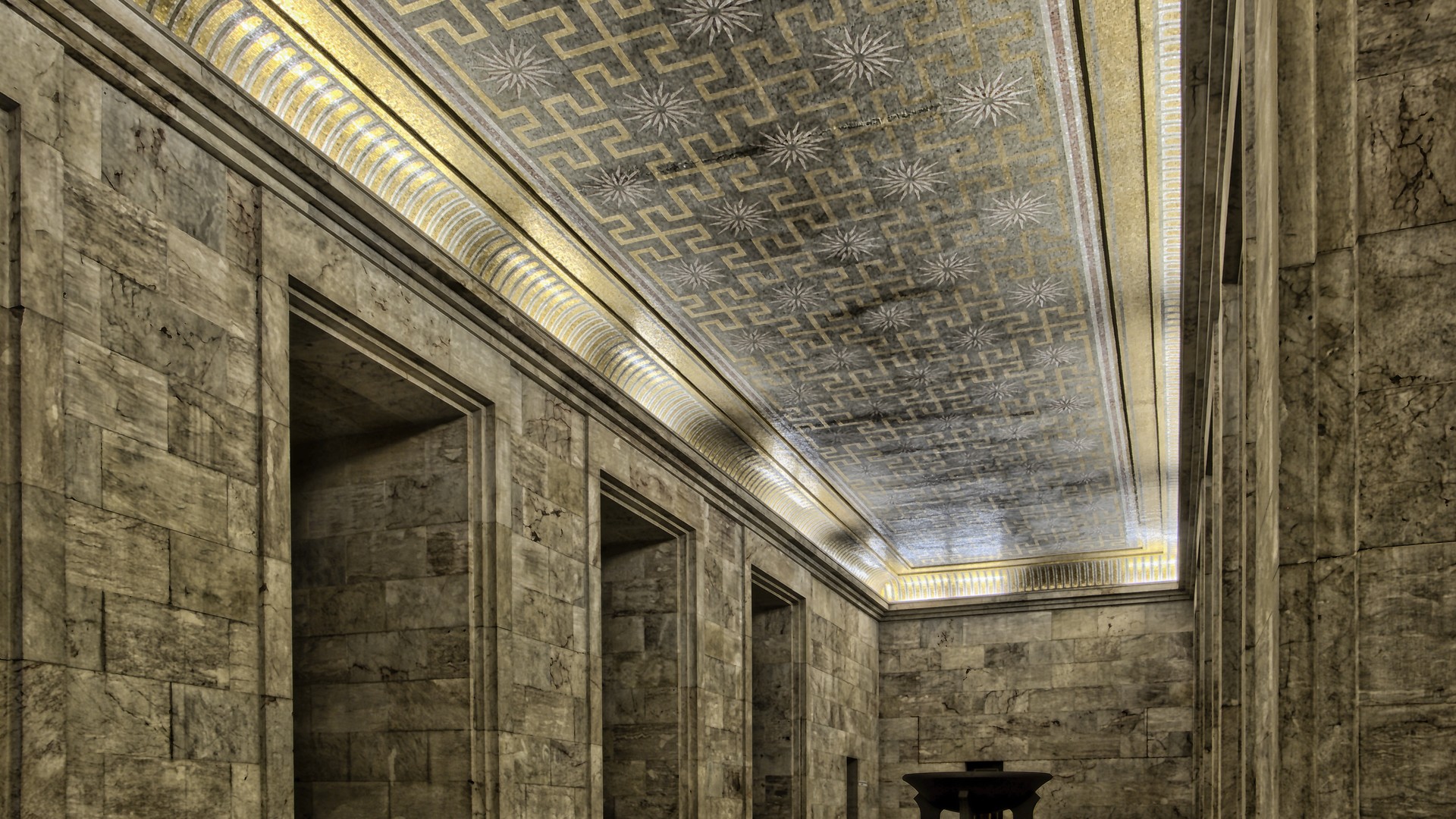
- 1935–37 — Speer builds the Zeppelintribüne at Nuremberg, modelled on the altar. In Cahn’s telling, Hitler addressed the rallies standing on a copy of Satan’s throne.
- 1945 — the altar passes to the Soviets. Cahn traces it through the Cold War’s most dangerous years, including the Berlin Crisis.
- 2027 — the altar is unveiled again, on 4 June. Cahn notes the date falls on 20 Iyar in the Hebrew calendar, a date he connects to Jerusalem in the Six-Day War of 1967.
His conclusion is deliberately framed as a warning rather than a date-set prediction: the unveiling could be an “anti-version” of 1967, the start of a rising darkness.
And Cahn hedges in his own words. “I’m not giving a prophecy,” he has said in interviews. “Nothing has to happen.”
Not the First Round of Prophecy
Cahn did not invent the altar’s dark reputation. American prophecy television was reading Revelation into this marble decades before his book appeared.
In December 2008, the programme Prophecy in the News told viewers that Barack Obama’s acceptance stage in Denver had been designed after the Pergamon Altar.
The stage was a columned, temple-style set, widely mocked in the press as a Greek temple. In prophecy circles it was read as something else entirely: a president-elect enthroned on Satan’s seat.
The claim needed no evidence about the set’s designers. Resemblance was the whole argument — the same argument now scaled up to a museum reopening.
How the Communities Read It
Prophecy channels and podcasts have done the rest. The reopening is shared as a scheduled sign, and that scheduling is exactly what makes this case unusual.
Most end-times claims float free of the calendar. This one is pinned to a date published by a German state museum, with tickets and group tours attached.
Search the date today and the museum’s own announcement competes with prophecy videos for the top results. The two audiences are reading the same calendar entry.
That verifiability is the engine of the Pergamon Altar 2027 prophecy. Every factual brick in it can be checked, and the checked bricks hold.
The museum’s own account of the timing is mundane and fully documented: a phased renovation that began in 2013, a partial reopening in 2027, and full completion not expected until 2037.
There is also scholarly caution about the foundation stone. Revelation’s “throne of Satan” has other candidate explanations, including Pergamum’s imperial cult and its famous healing sanctuary.
Many scholars do favour the altar. The verse itself, though, names no object, and no ancient source connects the two directly.
Pergamon Museum archaeologist Volker Kästner has offered a cooler reading: Byzantine writers already treated Pergamum as a stubbornly pagan place.
With a little imagination, he notes, the altar’s shape resembles a throne, and its frieze crawls with snakes, symbols of the underworld since antiquity. “But it’s all speculation.”
The Verdict
Unresolved — as prophecy, nothing here can be settled in advance, and Cahn himself declines to make a testable prediction. As a convergence of a scheduled event and a prophetic narrative, it is confirmed and documented in full.
Separate the layers and the case is clear. The altar is real. The verse is real. The 1930 unveiling, the Speer grandstand, the Soviet seizure and the 4 June 2027 reopening are all real.
What is added on top is selection. A 2,000-year-old monument touches thousands of dates; a pattern-hunter keeps the dark ones and discards the rest.
No outcome has been predicted that could prove the pattern wrong. An unveiling followed by an ordinary summer would simply be absorbed, the way every previous cycle of this kind has been.
On 4 June 2027, the doors in Berlin will open either way. Visitors will climb the great stairway and look at gods fighting giants. What they see in the marble is the real story here.
Join the Conversation
Does the 1930 parallel move you, or is it coincidence dressed in marble? And will you be watching Berlin on 4 June 2027 — or visiting in person?
Tell us in the comments. If you know another scheduled event that prophecy communities have circled on the calendar, name it, and we will check that one too.
When does the Pergamon Altar go back on display?
4 June 2027. Berlin’s Pergamon Museum reopens its north wing and central building that day, with the altar on show for the first time since its hall closed in 2014.
Why is the Pergamon Altar called the throne of Satan?
Revelation 2:13 addresses the church in Pergamum as dwelling “where Satan’s throne is.” Many scholars argue the great altar is the referent, though the verse names no object and other explanations exist.
What does Jonathan Cahn claim about the altar and 2027?
In his book The Altar of Pergamon, Cahn argues the altar’s unveilings track dark turns in history — Berlin 1930 and the Nazi surge — and warns the June 2027 unveiling could mark another. He stresses he is not making a formal prophecy.
Did Hitler’s architect really copy the Pergamon Altar?
Yes. Albert Speer modelled the Zeppelintribüne grandstand at the Nuremberg rally grounds on the altar. Nuremberg’s own museum documentation confirms the design source.
Where is the Pergamon Altar now?
In the Pergamon Museum on Berlin’s Museum Island, where it has been since its reconstruction there. The museum is closed for renovation until the June 2027 partial reopening.
Read Next
- Era 666 Ends May 19, 2027: The Prophecy Explained
- The Economist’s 2027 Predictions: Forecast or Omen?
- The Hall of Records: Did the CIA Find a Hidden Temple Beneath the Sphinx?
