
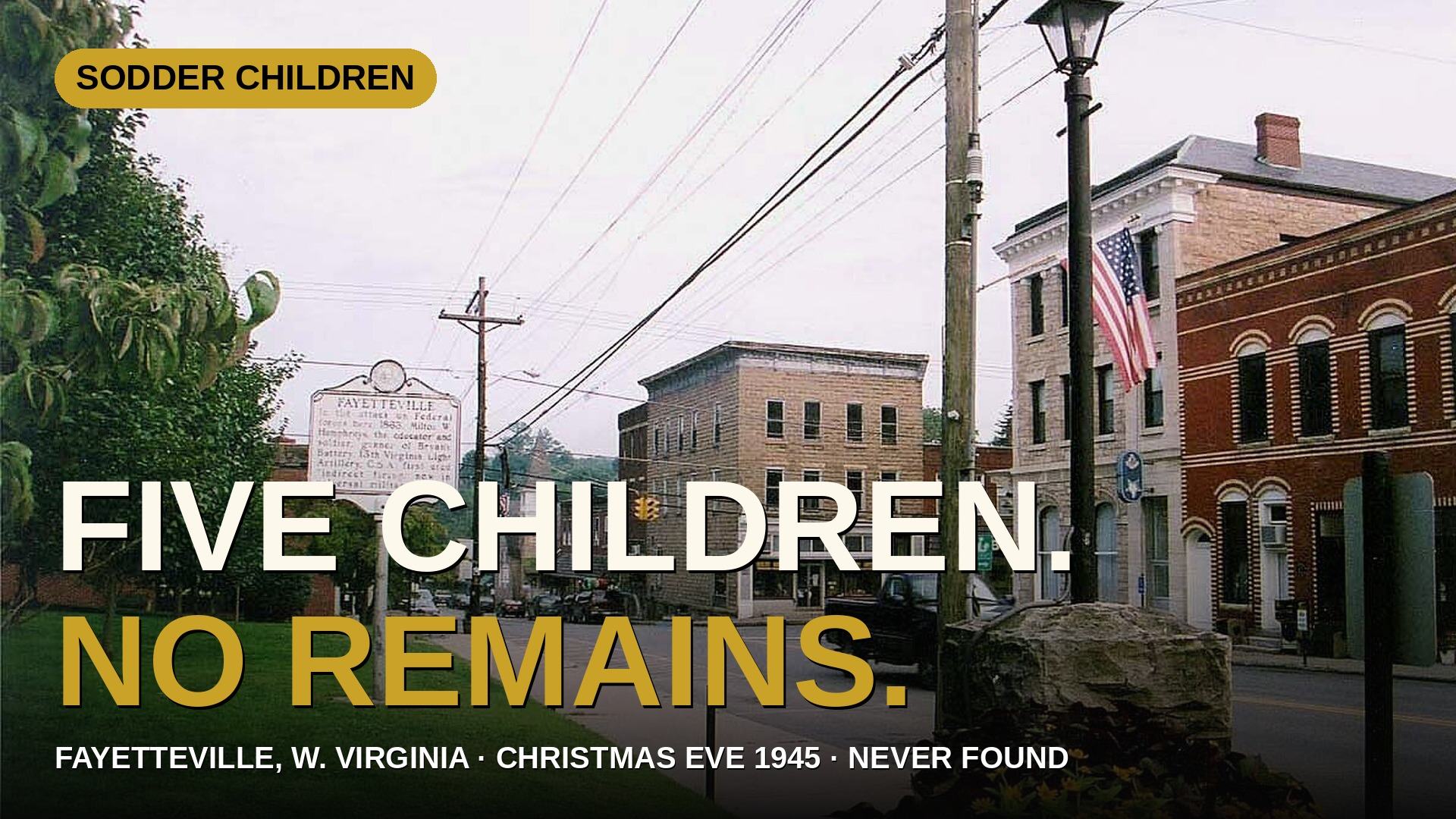
Christmas Eve 1945 ended warmly at the Sodder house outside Fayetteville, West Virginia. There were new toys, children begging to stay up late, and a mother who said yes, with conditions.
By about one in the morning, the house was on fire. George and Jennie Sodder got out with four of their children. Five others were upstairs, where everyone believed they still were.
The house burned down in roughly forty-five minutes. When the ash cooled and men sifted through it, they found no bodies. Not bones, not teeth, nothing that belonged to five children.
The missing five were Maurice, 14, Martha, 12, Louis, 9, Jennie, 8, and Betty, 5. Their parents spent the rest of their lives refusing to accept that the fire had simply erased them.
That refusal was not denial alone. Too many things that night failed at once: the ladder, the trucks, the phone, the fire crew. Each failure has a plain version and a sinister one.
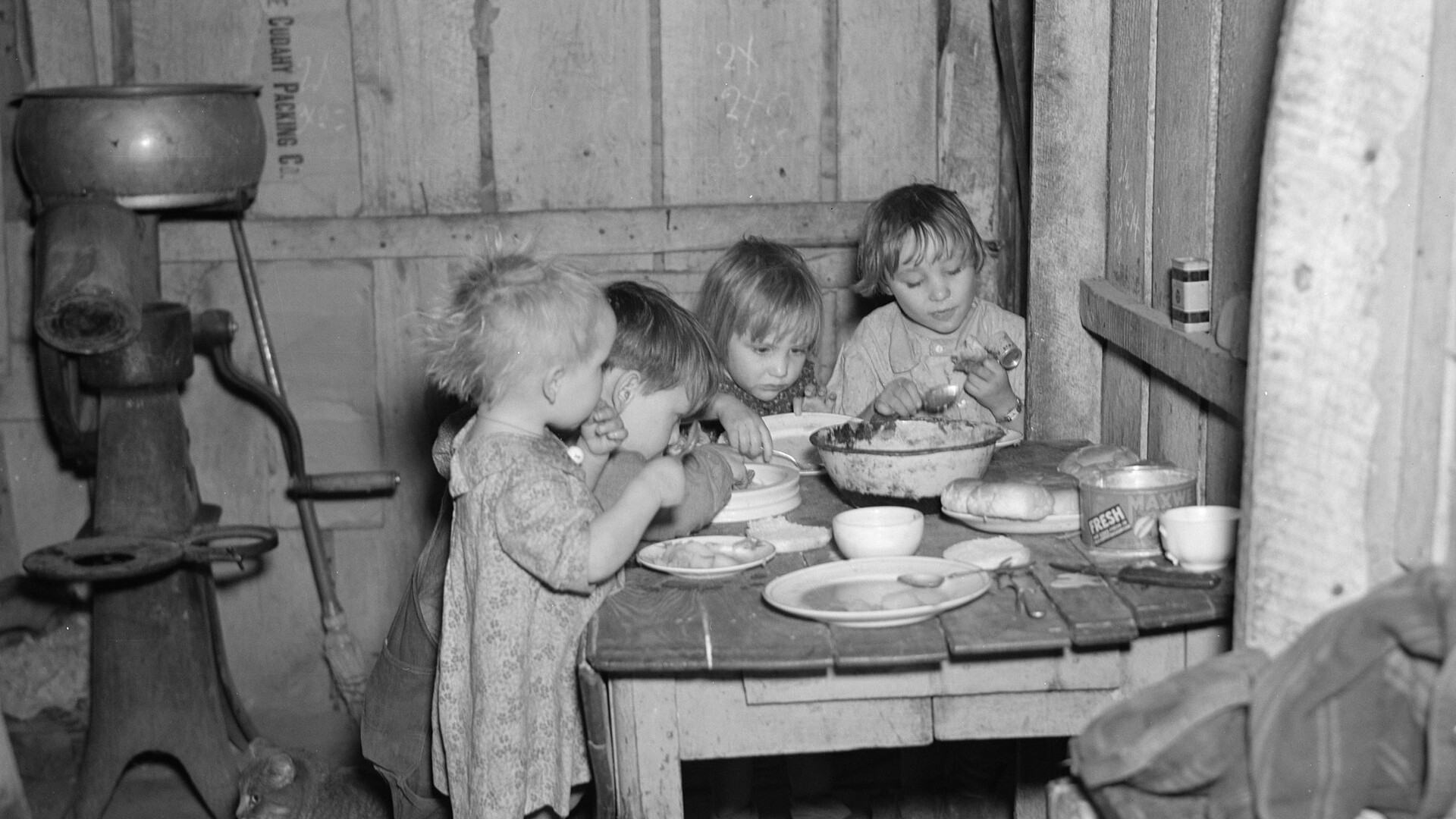
George cut his arm breaking back in through a window and could see nothing through the smoke. He screamed for the children until his voice gave out. No one answered from upstairs.
Fire Chief F. J. Morris told the family the blaze must have cremated the children completely. A brief search backed him up with empty hands. The Sodders never believed empty hands were proof.
The Fire
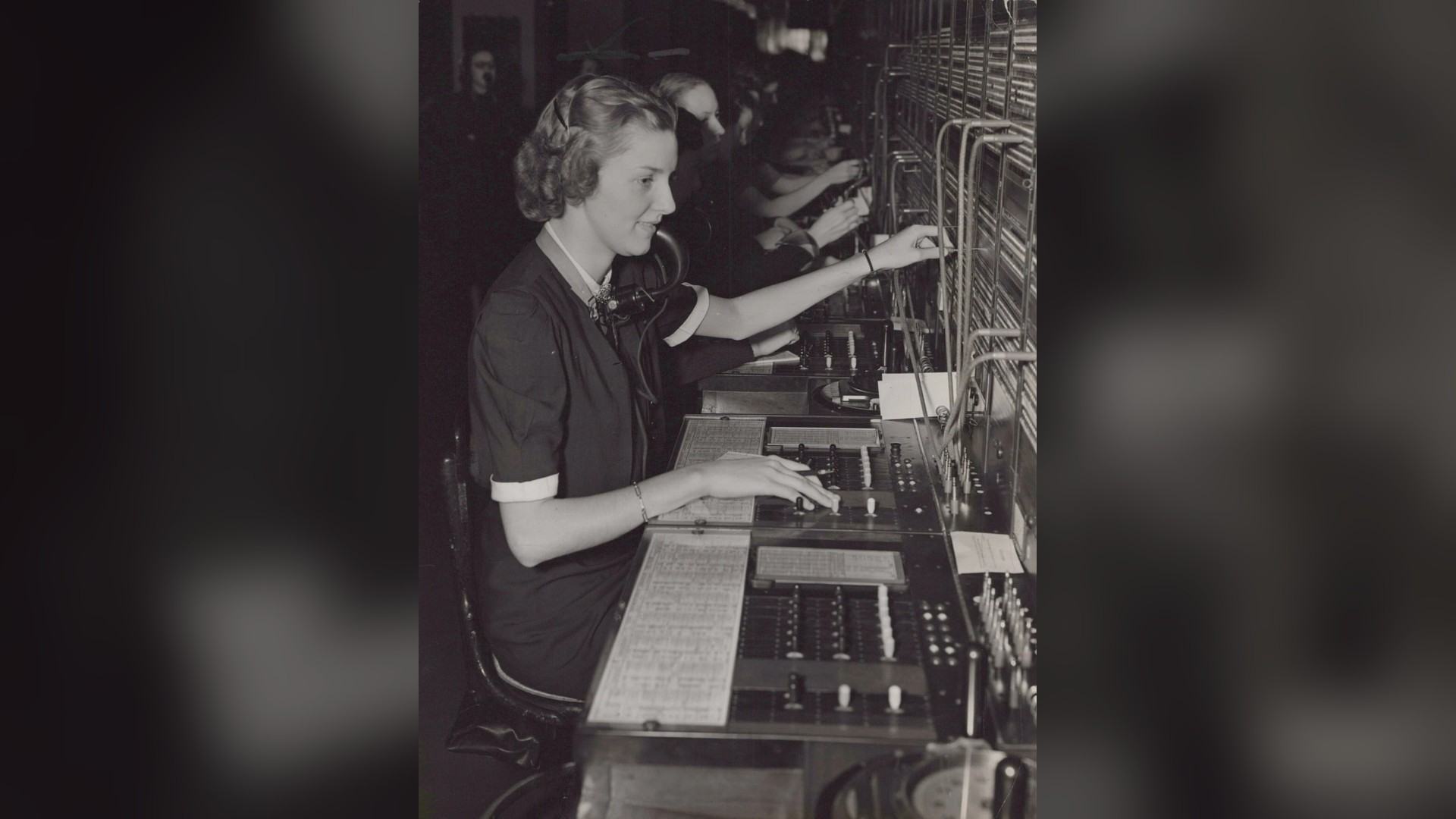
The odd details began before any smoke. At about half past midnight, Jennie answered the phone to a woman she did not know, asking for a person who did not live there.
Behind the caller she heard laughter and clinking glasses, like a party. Jennie said it was a wrong number. The woman laughed again, strangely, and hung up.
On her way back to bed, Jennie noticed the lights still on, the curtains open, and the door unlocked. The children usually handled those chores. She tidied up and slept again.
Half an hour later, a bang on the roof woke her, then a rolling sound. She listened, heard nothing more, and dozed off. Soon after, she woke to the smell of smoke.
The fire had started around George’s office, by the telephone line and fuse box. George blamed faulty wiring at first, then changed his mind, and kept changing the story’s meaning for years.
Outside, everything that should have helped, failed. The ladder kept by the house was gone, later found down an embankment. Both work trucks, fine the day before, would not start.
Neighbours could not raise a telephone operator to reach the fire department. One man finally drove into town and found Chief Morris in person.
The family’s own line was no help either. A repairman later found the Sodders’ telephone wire had been cut, high up the pole, not burned through by the fire.
Here the record needs care, because retellings often get it wrong. The delay was not caused by a flat tyre on the fire truck, whatever later versions claim.
As Wikipedia’s Sodder children disappearance account records, Morris said he could not drive the fire truck himself and had to wait for a man who could.
The department also relied on a wartime phone tree, one firefighter calling the next. The crew reached the house at about 8 a.m., hours after it had burned to the ground.
The Evidence Gap
The official finding came fast: an accident, caused by faulty wiring. Death certificates for all five children were issued on 30 December 1945, without a single recovered body.
George disputed the wiring verdict for a hard reason. He had recently had the house rewired and inspected, and he said the inspector had passed it.
Then there were the warnings. Months earlier, a man seeking hauling work had pointed at the fuse boxes and said they would cause a fire one day.
Another visitor, a life-insurance salesman George turned away, reportedly swore the house would go up in smoke and the children be destroyed.
The salesman tied the threat to politics. George, an Italian immigrant, spoke openly against Mussolini, and the man said he would be paid back for those remarks.
A stranger had also been seen near the house in the days before Christmas, watching the children come home from school. None of these sightings was ever tied to the fire by proof.
In August 1949, George persuaded a Washington pathologist to supervise a proper dig at the site. It turned up coins, a scorched dictionary, and a few fragments of human bone.
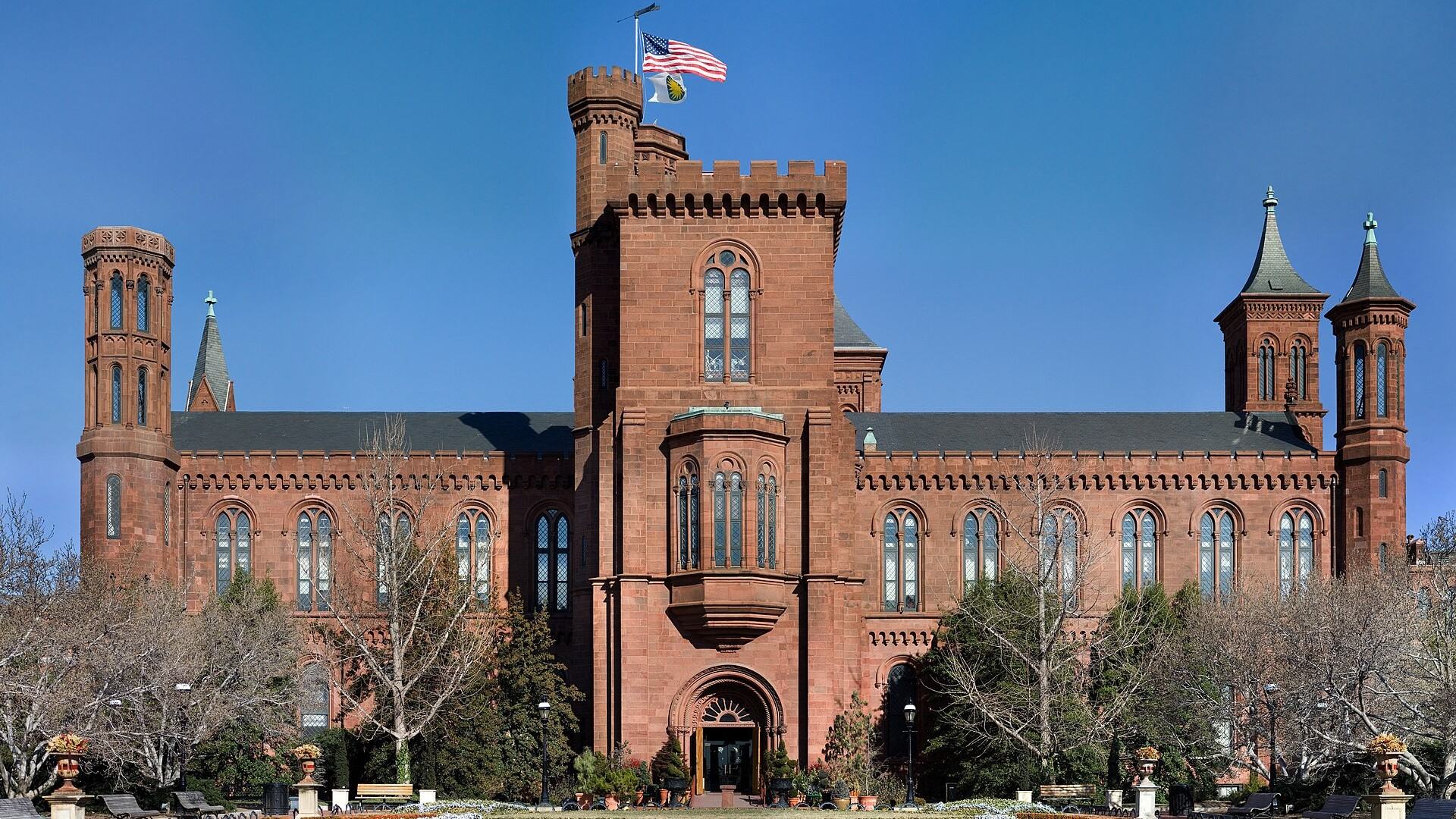
The bones went to the Smithsonian. Its specialist found lumbar vertebrae from one person aged roughly 16 to 22, older than any missing child, with no sign of exposure to fire.
His judgement was blunt: the bones most likely arrived in the fill dirt George had used to cover the site. A short fire, he noted, should have left complete skeletons behind.
The family’s strangest hope arrived in 1968, in an envelope postmarked in Kentucky. Inside was a photograph of a young man, with a note on the back naming Louis Sodder.
The family hired an investigator to chase it and got nowhere. The sender was never found, and the man in the photograph was never identified. It remains a claim, not a reunion.
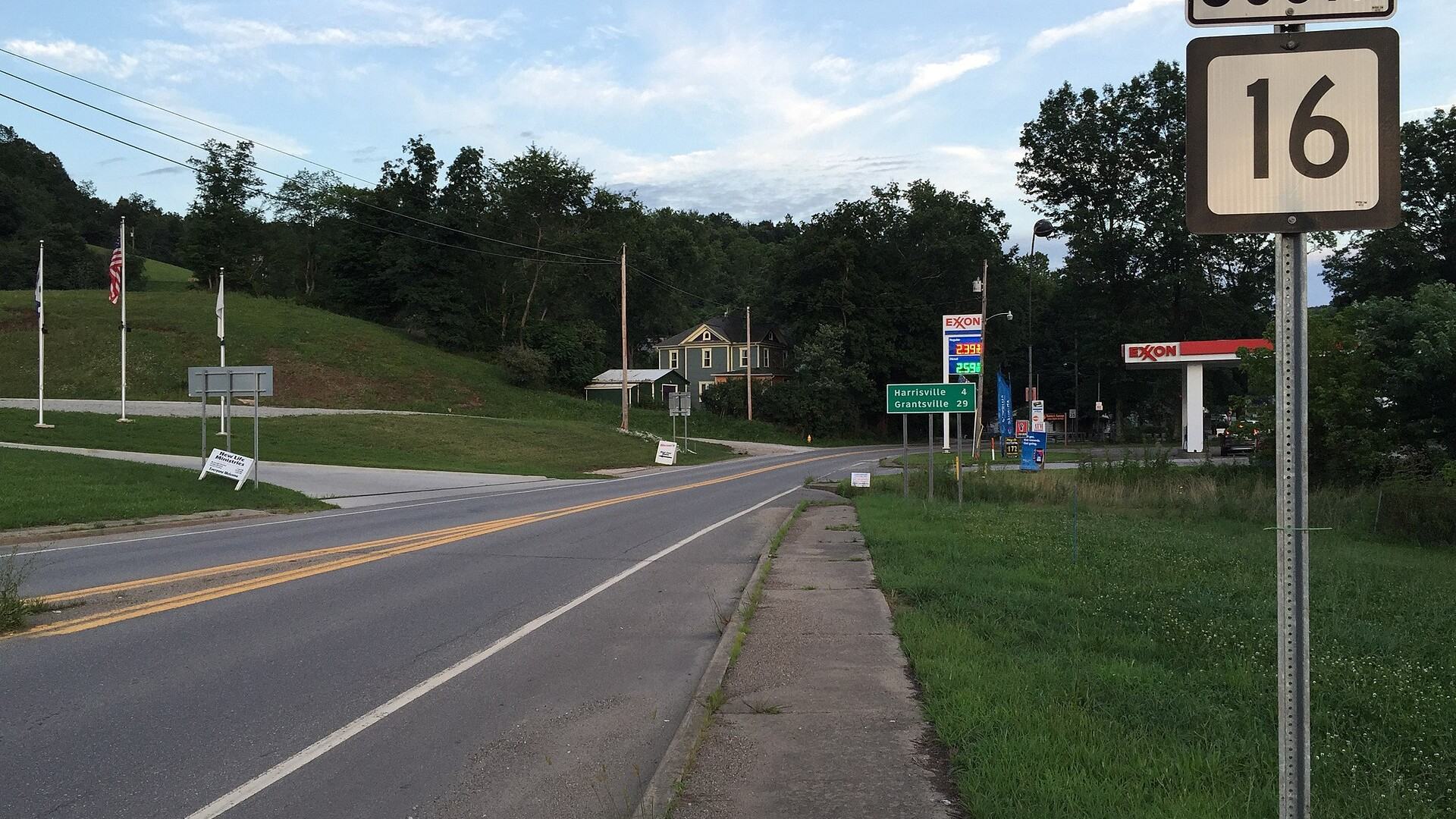
For nearly forty years, a billboard on Route 16 carried the children’s faces and a reward offer. It was the family’s argument in public: our children were taken, and someone knows.
The Verdict
The state closed its file in 1950, calling further work hopeless. The family never closed theirs. George died in 1969 and Jennie in 1989, still asking the same question.
Weigh the two endings honestly. A house fire can kill children and leave confusion behind it. Fires, panic, and a chaotic rural response explain a great deal of that night.
But fire science cuts the other way on the central point. A forty-five-minute house fire does not cremate five bodies to nothing, and the only bones ever found were unburned and too old.
That gap is why this case belongs beside other families left without remains, like those in our look at people who vanished without a trace.
Verdict: Unresolved. The official story says five children died in an accidental fire, yet it cannot produce their remains or explain the night’s string of failures. Kidnapping was never proven either.
Frequently Asked Questions
Which Sodder children went missing?
Maurice, 14, Martha, 12, Louis, 9, Jennie, 8, and Betty, 5. Four siblings escaped the fire, and the eldest son was away serving in the Army.
Were any remains of the children ever found?
No confirmed remains. Bones dug up in 1949 were judged by the Smithsonian to be unburned vertebrae from an older person, most likely brought in with fill dirt.
Why did the fire department arrive so late?
The wartime crew relied on a phone tree, and Chief Morris said he could not drive the fire truck and had to wait for a driver. The flat-tyre story is wrong.
What was the photograph the family received in 1968?
An anonymous photo of a young man, postmarked in Kentucky, with a note naming Louis Sodder. The sender and the man were never identified.
Did the family believe the children survived?
Yes. George and Jennie believed the children were kidnapped, offered rewards, hired investigators, and kept a billboard on Route 16 for nearly forty years.
Join the Conversation
No remains, a cut thread of warnings, and a photograph that led nowhere. Do you think the children died in that fire, or were they taken out of it? Tell us which detail decides it for you.
Read Next
Hinterkaifeck: The Killer Who Stayed for Days
STENDEC: The Last Word of a Missing Flight
The Statue of Liberty Santa: Who Was Flying Over NY?
