
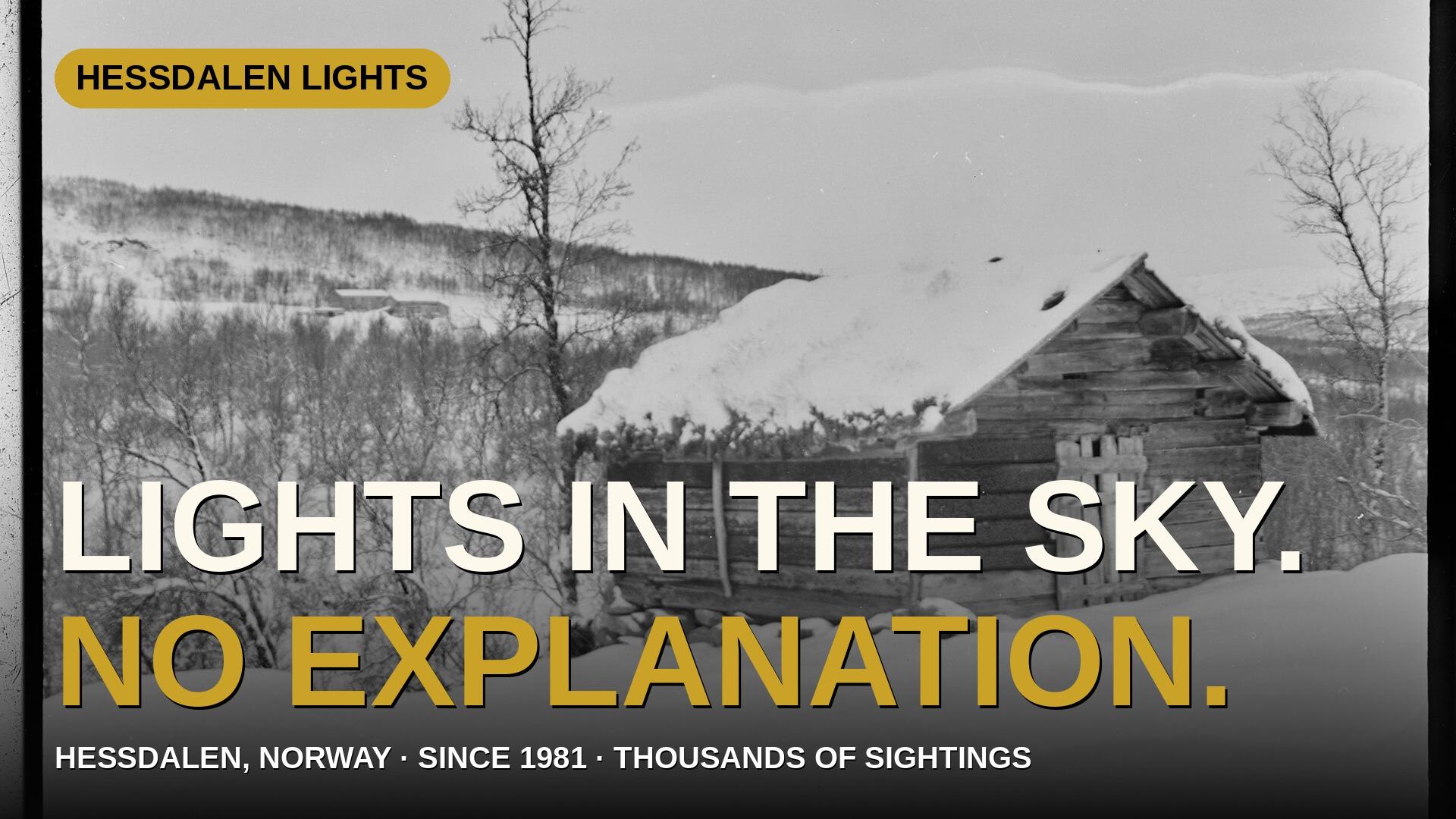
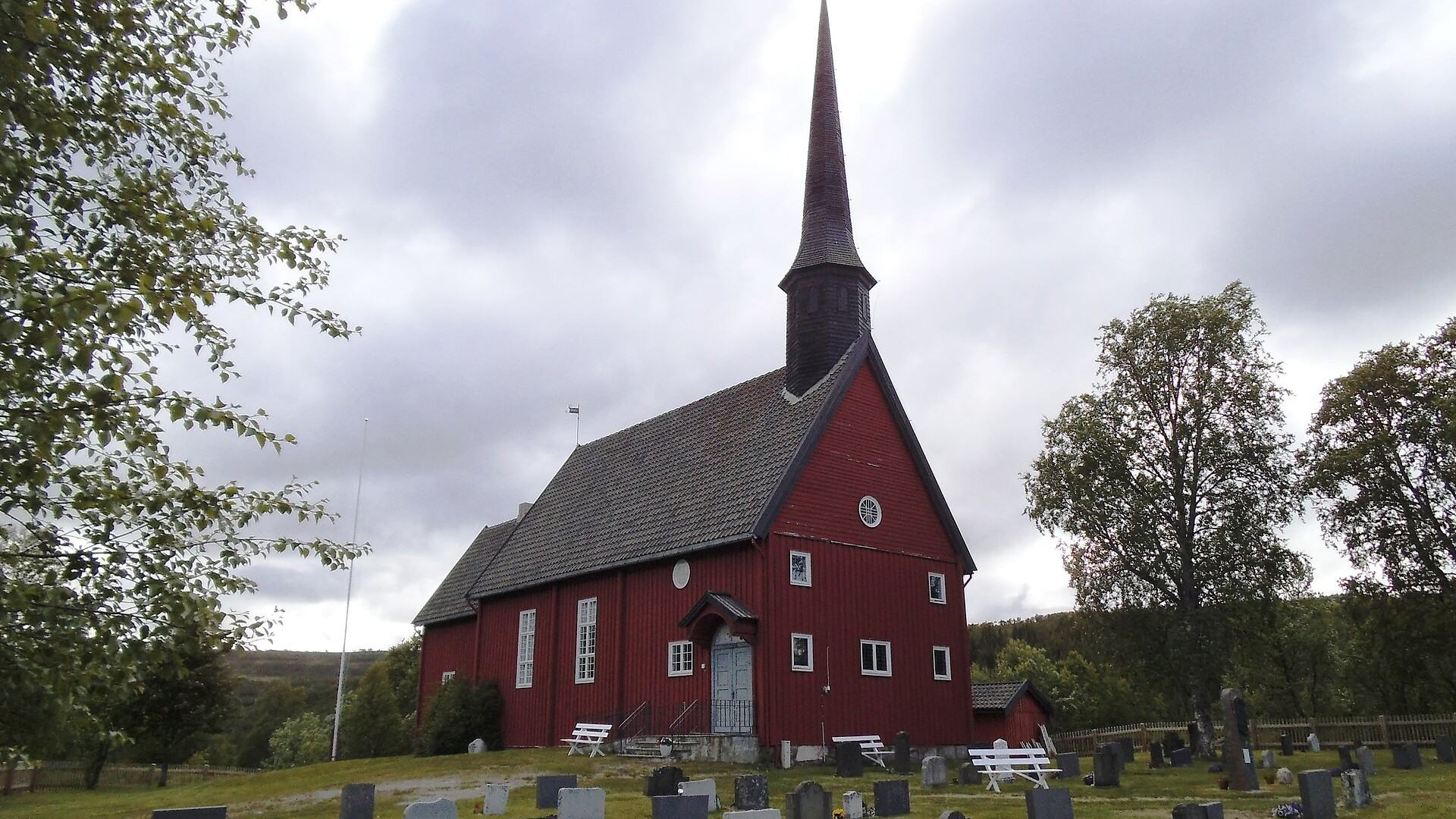
Hessdalen is a quiet farming valley in central Norway, about twelve kilometres long, home to roughly a hundred and fifty people. In December 1981, the sky over it started misbehaving.
Residents reported bright lights where no lights should be. White, yellow, and red, they hovered over fields, drifted along the valley, sank, rose, and sometimes shot off at speed.
Some lasted seconds. Some hung around long enough for neighbours to be telephoned and coats pulled on. A few were seen in daylight, as dull metallic-looking objects rather than glows.
At the peak, between late 1981 and mid-1984, the lights were reported fifteen to twenty times a week. Word spread, and the valley filled with overnight visitors hoping for a show.
Then the reports thinned out. By recent decades the lights were down to perhaps ten or twenty sightings a year. They never fully stopped, and they never explained themselves.
What makes Hessdalen different from a thousand UFO stories is what happened next. The witnesses did not just tell their story and fade away. Scientists moved in with instruments.
For more than forty years, cameras, radar, and spectrometers have watched this one small valley. The lights have been measured as carefully as any unexplained phenomenon on Earth.
And still, no one can say what they are. That combination, hard data and no answer, is why researchers keep coming back to a valley most maps barely name.
The Science
Project Hessdalen began in 1983, set up by Norwegian and Swedish UFO research groups with support from universities and Norway’s defence research establishment.
Its centre of effort was a five-week field campaign in early 1984, led by Erling Strand, who became the project’s defining figure and its public face for decades.
The team logged 188 sightings in that campaign alone. They photographed lights, tracked some on radar, and tested the air with instruments most UFO cases never get near.
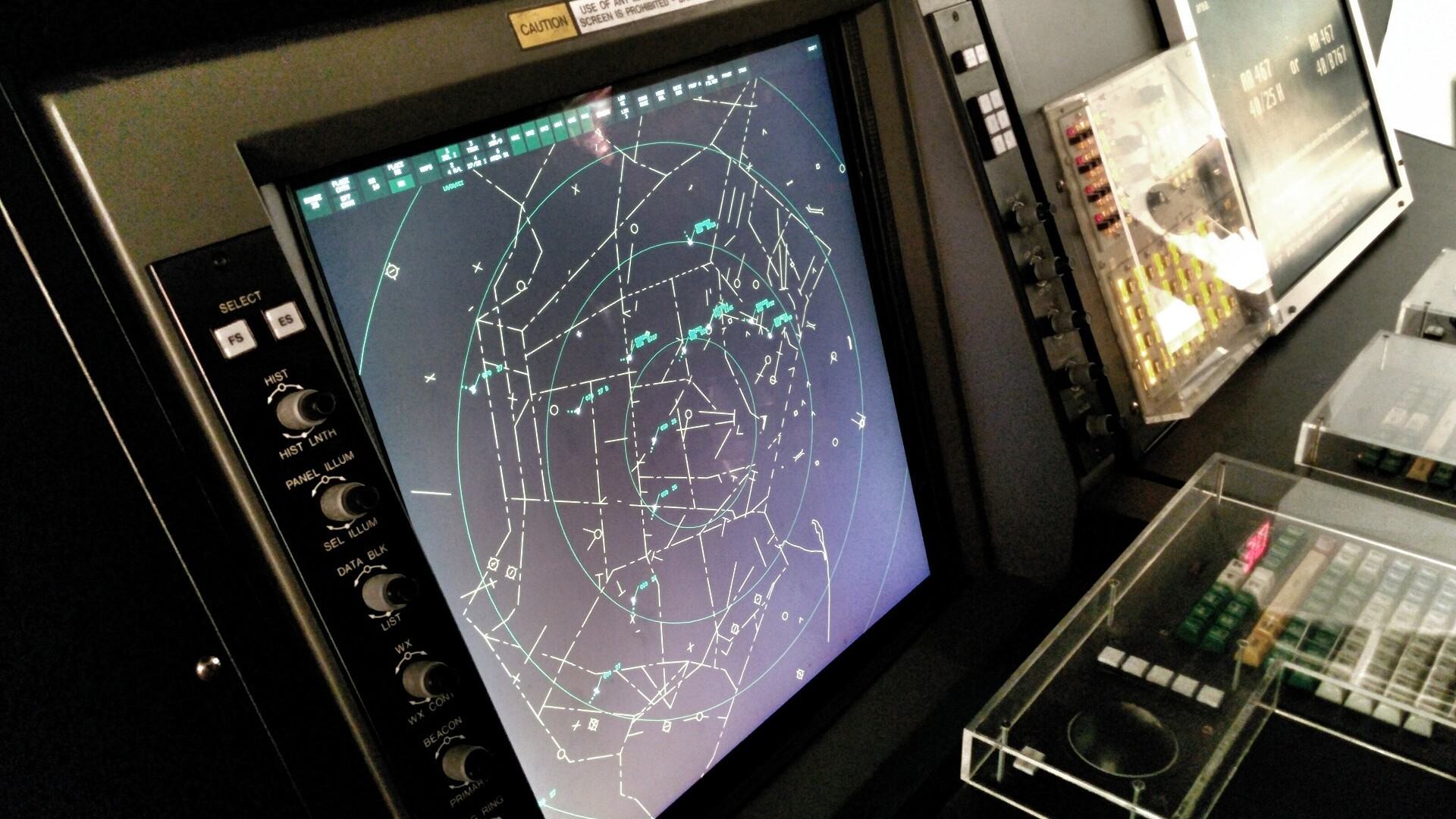
Radar produced one of the strangest results. Sometimes it tracked a light everyone could see. Sometimes it recorded a moving object that no observer could see at all.
Spectra gave the project its second thread. Light from the phenomenon was broken down and analysed, and the readings pointed toward ionised gas, a plasma, rather than a solid craft.
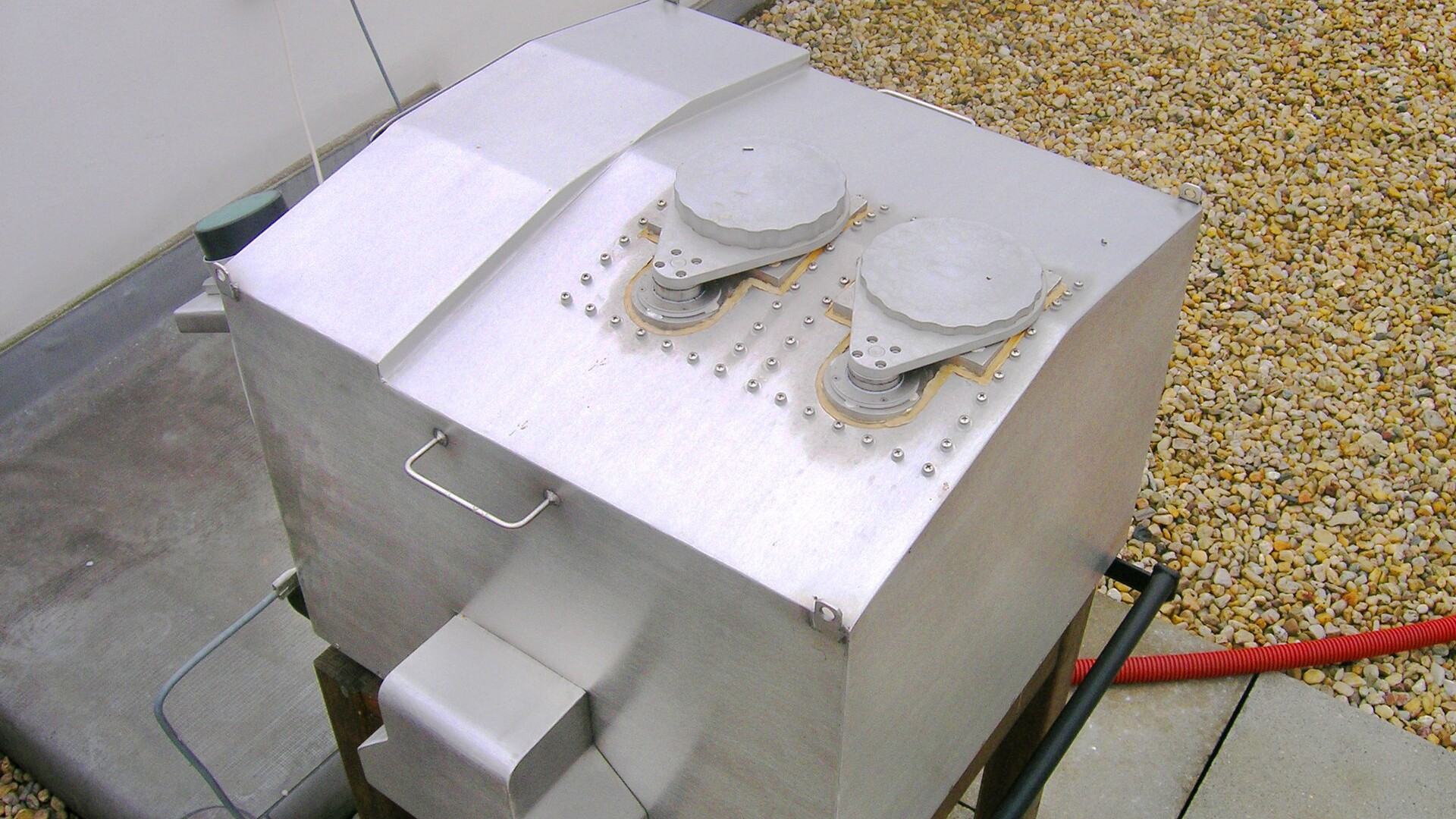
In 1998 the work went automatic. The Hessdalen Automatic Measurement Station, nicknamed the Blue Box, was installed in the valley to watch the sky around the clock.
Its camera system detects unusual light, records it, and alerts researchers, removing tired eyes and wishful thinking from at least part of the chain of evidence.
The EMBLA programme followed, bringing in established scientists and students. Leading partners included Østfold University College and Italy’s National Research Council.
Italian physicist Massimo Teodorani became a prominent EMBLA researcher. In 2004 he reported higher radioactivity on rocks near where a large light ball had been seen.
As Wikipedia’s Hessdalen lights overview puts it, despite all this research there is still no consensus explanation. The phenomenon is documented. Its cause is not.
The Theories
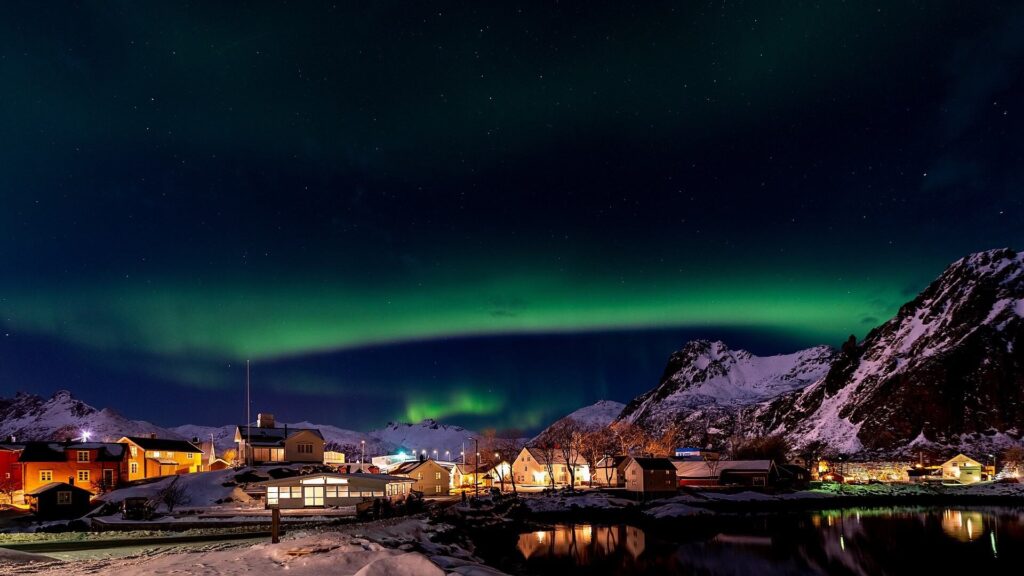
The oldest scientific favourite is plasma. On this reading, the valley’s air sometimes ionises into glowing balls that drift, pulse, split, and fade as their energy drains away.
A 2010 hypothesis sharpened that idea. It proposes clusters of microscopic crystals forming inside plasma created when radon decay ionises air and dust above the valley floor.
Computer models show such dusty plasma can form structured shapes, even double-helix forms, which supporters say matches some of the structured lights witnesses describe.
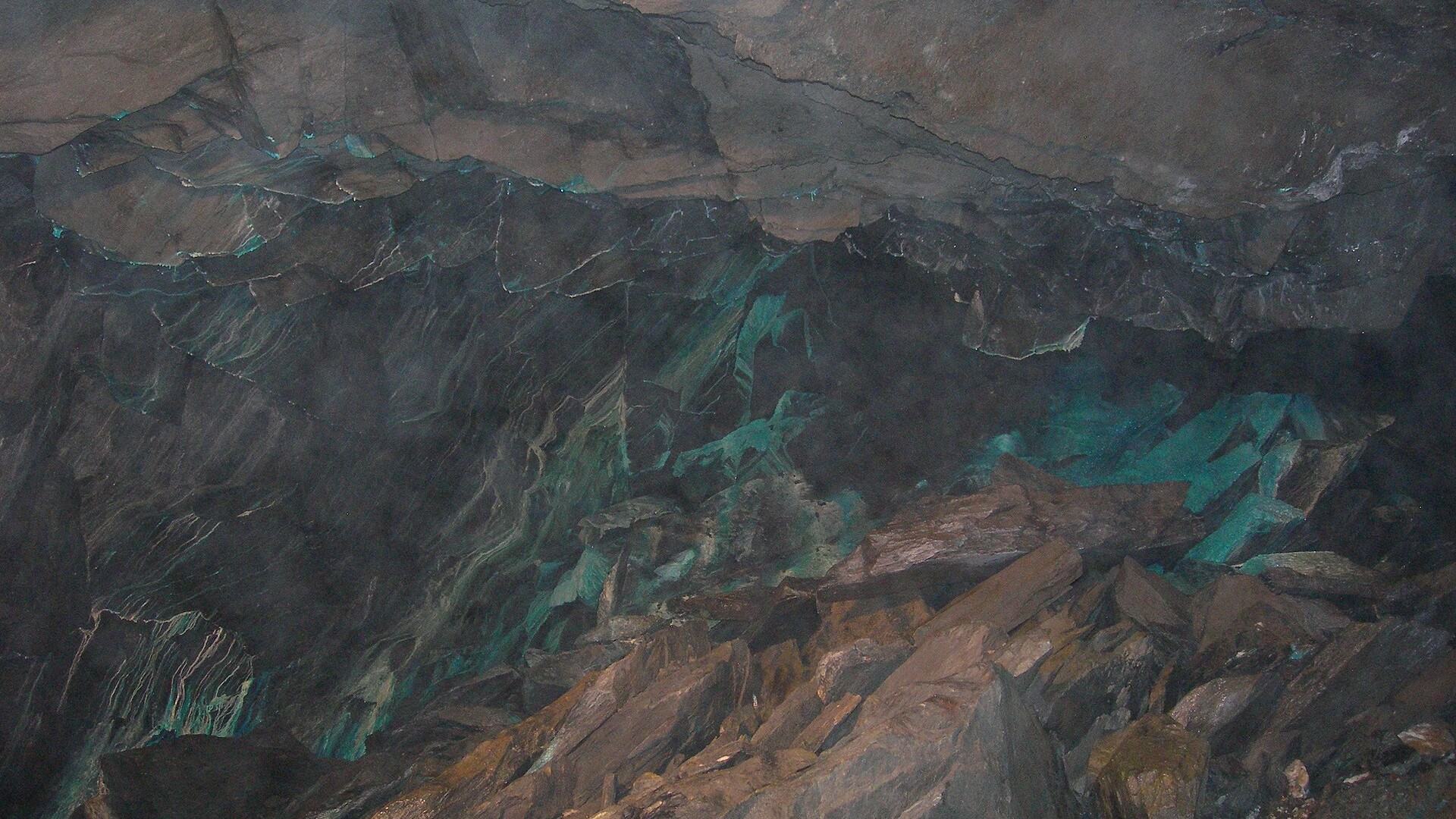
A second theory blames the ground itself. Hessdalen is old mining country, rich in metals, and one proposal involves combustion of airborne dust from the mines.
Spectral analysis found elements including hydrogen, oxygen, and titanium in the mix. Supporters link the effect to the valley’s large deposits of scandium.
A third theory reaches for piezoelectricity. Many of the valley’s rocks contain quartz, and quartz under stress generates an electric charge along its surfaces.
Squeeze the geology hard enough, in theory, and the charge could help ionise the air above it. Critics reply that piezoelectricity alone cannot explain the lights’ structured shapes.
Some sightings, everyone agrees, were ordinary things misread: aircraft, car headlights, bright planets, and mirages. Project Hessdalen’s own scoring system sorted those out early.
The honest position is layered. A residue of cases survives every filter, and each serious theory explains part of that residue while failing on the rest.
That is why the valley-as-battery and plasma ideas now often appear combined in the literature: geology supplying the energy, plasma supplying the glow, neither proven alone.
The Verdict
Hessdalen is the rare mystery where sceptics and believers start from the same page. Something physical appears over this valley. Instruments with no imagination have recorded it.
That separates it from cases built on testimony alone, and it is why the valley rewards comparison with other instrumented puzzles like the Valentich disappearance.
What the instruments have not delivered is a mechanism that survives testing. Plasma, burning dust, stressed quartz: each is plausible, none is confirmed, and the lights keep their own schedule.
Verdict: Unresolved. The Hessdalen lights are real, repeatedly recorded, and studied for over forty years. No single explanation has been proven, so the cause of the phenomenon remains open.
Frequently Asked Questions
When did the Hessdalen lights first appear?
Unusual lights were reported in the area from at least the 1930s, but the famous wave began in December 1981 and peaked through mid-1984.
How often were the lights seen at their peak?
Fifteen to twenty times a week between late 1981 and mid-1984. In recent decades, reports have fallen to roughly ten to twenty a year.
What is Project Hessdalen?
A scientific investigation launched in 1983. Its 1984 field campaign logged 188 sightings, and its automatic measurement station has watched the valley since 1998.
What do scientists think the lights are?
Leading ideas involve ionised plasma, combustion of scandium-rich mine dust, and piezoelectric charge from quartz-bearing rock. None has been confirmed.
Do the Hessdalen lights still appear?
Yes, but far less often than in the early 1980s. The automatic station still records unusual lights, and researchers still study the valley.
Join the Conversation
Forty years of instruments, and the lights still will not sign their work. Which theory would you back: plasma, burning dust, stressed rock, or something the valley has not suggested yet?
Read Next
Frederick Valentich: The Pilot Who Vanished Mid-Call
The Taos Hum: The Sound Only a Few Can Hear
