

On the evening of 21 October 1978, Frederick Valentich did everything a careful young pilot is supposed to do. He filed a flight plan, checked his fuel, and lifted off from Moorabbin Airport in Melbourne in a rented Cessna 182L, bound for King Island across the cold grey water of Bass Strait.
He never arrived. What the world got instead was six minutes of radio tape: a calm 20-year-old describing a large craft with a green light manoeuvring above his plane, an engine that suddenly began to run rough, and then a final sentence that has echoed for nearly fifty years. “It is hovering, and it’s not an aircraft.”
Then came seventeen seconds of open microphone, a strange metallic sound, and silence. No wreckage was pulled from the sea.
No body was ever recovered. The disappearance of Frederick Valentich remains the strangest missing-pilot case in Australian aviation history, because unlike most UFO stories, this one was recorded live by air traffic services as it happened.
A Young Pilot, a Rented Cessna and a Murky Flight Plan
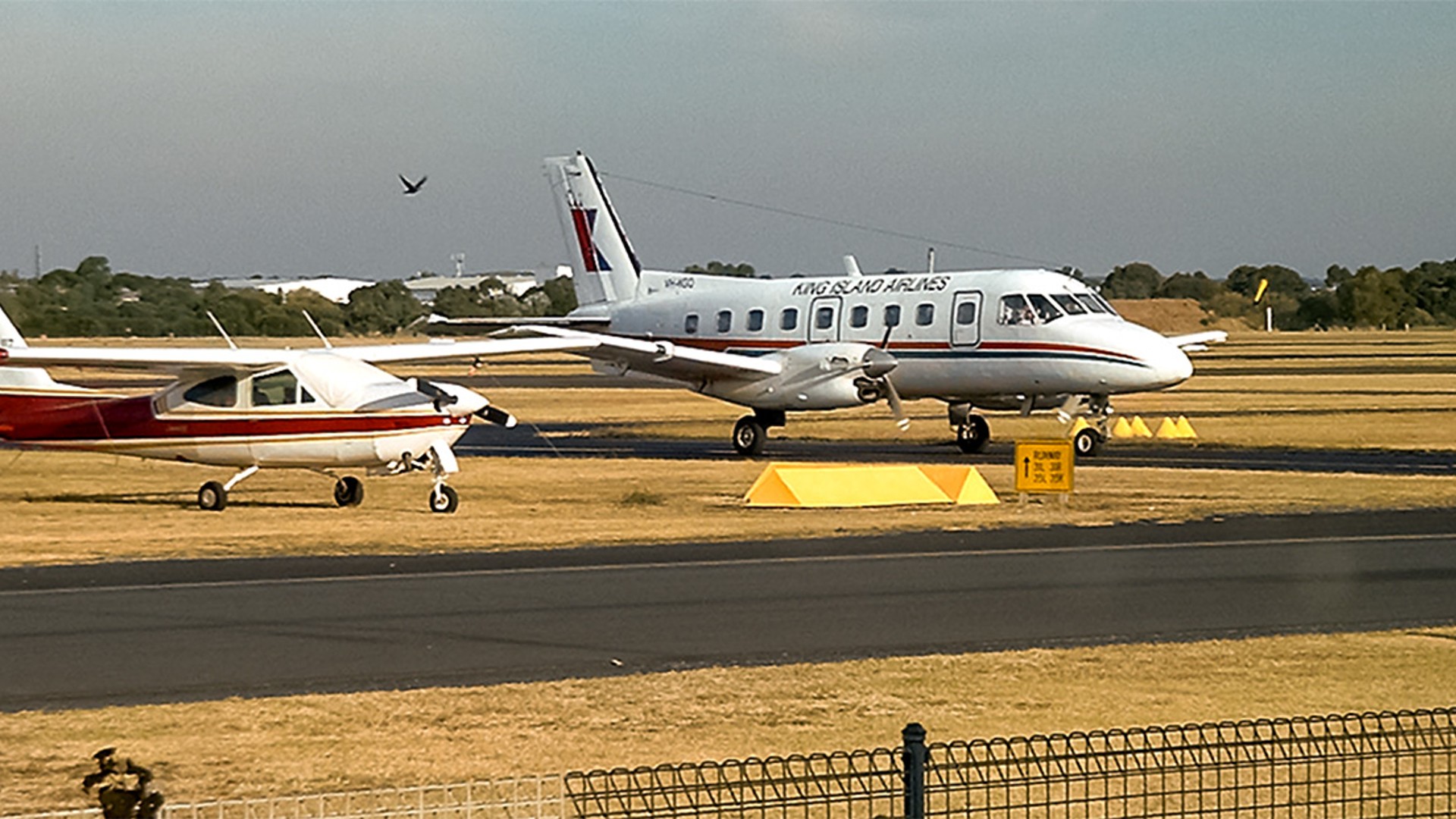
Frederick Grant Valentich was 20 years old, a shop assistant by day and a keen member of the Royal Victorian Aero Club by night. He held a private pilot’s licence with a night rating and had logged roughly 150 hours in the air.
He was working toward a commercial licence, and he had already failed some of his exams more than once. He was keen, but he was not experienced, and Bass Strait is not forgiving water.
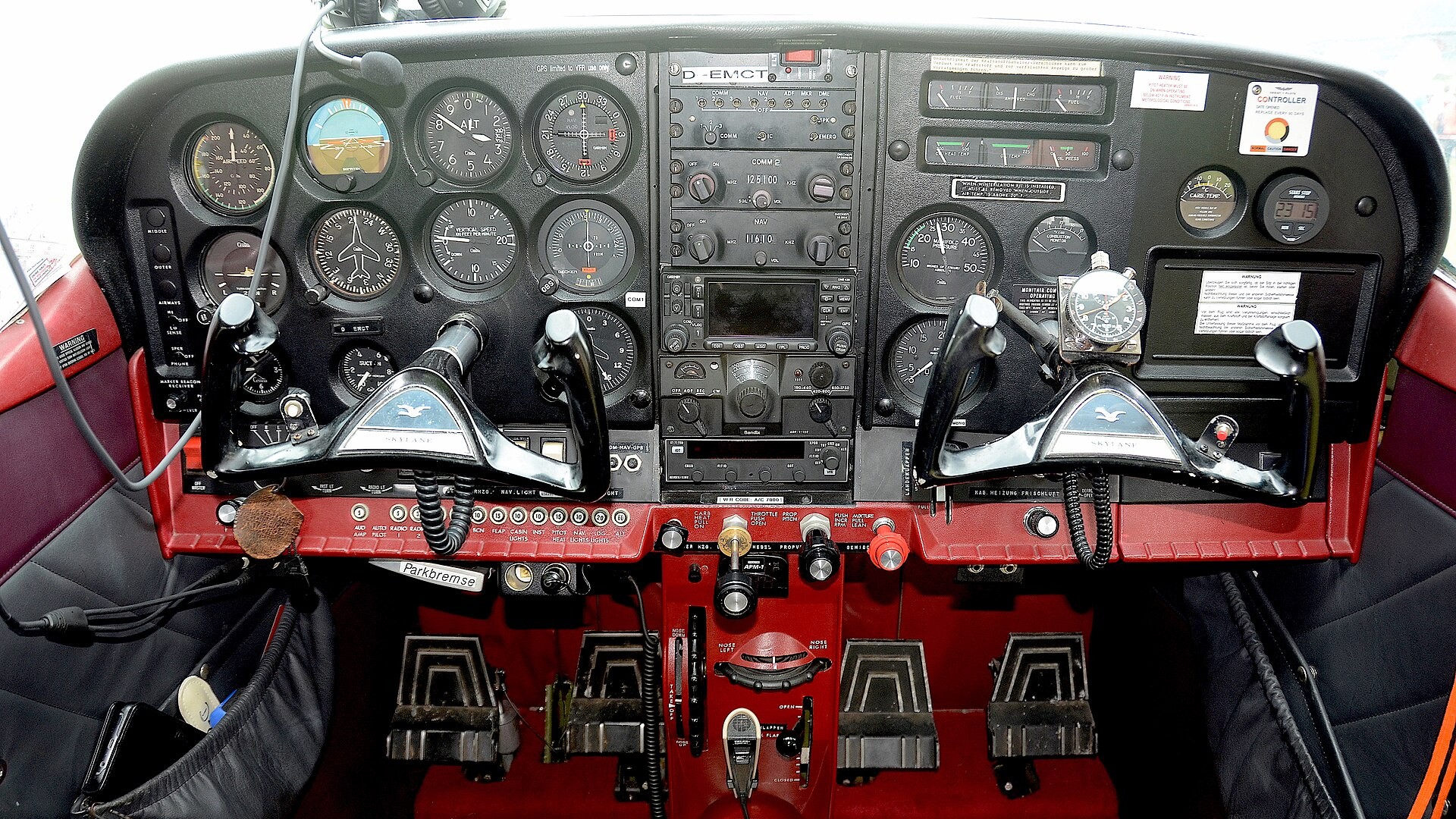
His aircraft that evening was a Cessna 182L, registration VH-DSJ, a sturdy single-engine four-seater he had hired for the trip.
The flight plan said King Island, about 200 kilometres south-west across the strait, and back the same night. It should have taken a little over an hour each way.
What he planned to do on King Island has never been clear, and that fog around the purpose of the flight matters later. By different accounts, Valentich told people he was flying down to pick up friends. He told others he was going to collect crayfish, a King Island speciality.
Nobody on the island was expecting him, and no passengers were waiting. It may have been nothing more than a young man being vague about a pleasure flight. It may not.
He took off at 6:19 p.m., into the last of the daylight. Sunset over that coast comes quickly in October, and by the time he reported passing Cape Otway at about 7:00 p.m., the light was nearly gone. Below him was open sea, black and cold, with no horizon worth the name.
Six Minutes on the Radio

At 7:06 p.m., Valentich called Melbourne Flight Service and spoke to the officer on duty, Steve Robey. His first question was routine. Was there any known traffic below 5,000 feet?
Robey told him there was none. Valentich replied that he could see a large aircraft below him, with four bright lights that looked to him like landing lights. It had just passed over him, he said, at least a thousand feet above.
Over the next minutes, the exchange stopped sounding routine. Valentich said the object was flying over him two or three times, at speeds he could not identify, as if it were playing some sort of game with him.
Asked what kind of aircraft it was, he answered with the line that made the case famous: “It’s not an aircraft.”
He described a long shape he could not identify, with a shiny metallic surface and a green light. He said it seemed to be stationary, orbiting above him while his own plane flew beneath it.
At one point he reported that it had vanished. Then it was approaching him from the south-west. Then from due east.
Then the flight itself began to go wrong. Valentich reported that his engine was rough-idling and coughing. Robey, still calm, asked him to confirm his intentions.
Valentich said he intended to continue to King Island, and added, almost to himself, “Ah, Melbourne, that strange aircraft is hovering on top of me again. It is hovering, and it’s not an aircraft.”
What followed is on the official transcript as an open microphone: around seventeen seconds in which Robey heard a harsh, metallic scraping sound, and then nothing.
Robey kept calling. Other stations kept calling. Delta Sierra Juliet never answered again. Aviation has a small, grim shelf of final transmissions that raise more questions than they answer, and this one sits alongside cases like the STENDEC mystery at the very top of it.
The Search That Found Nothing
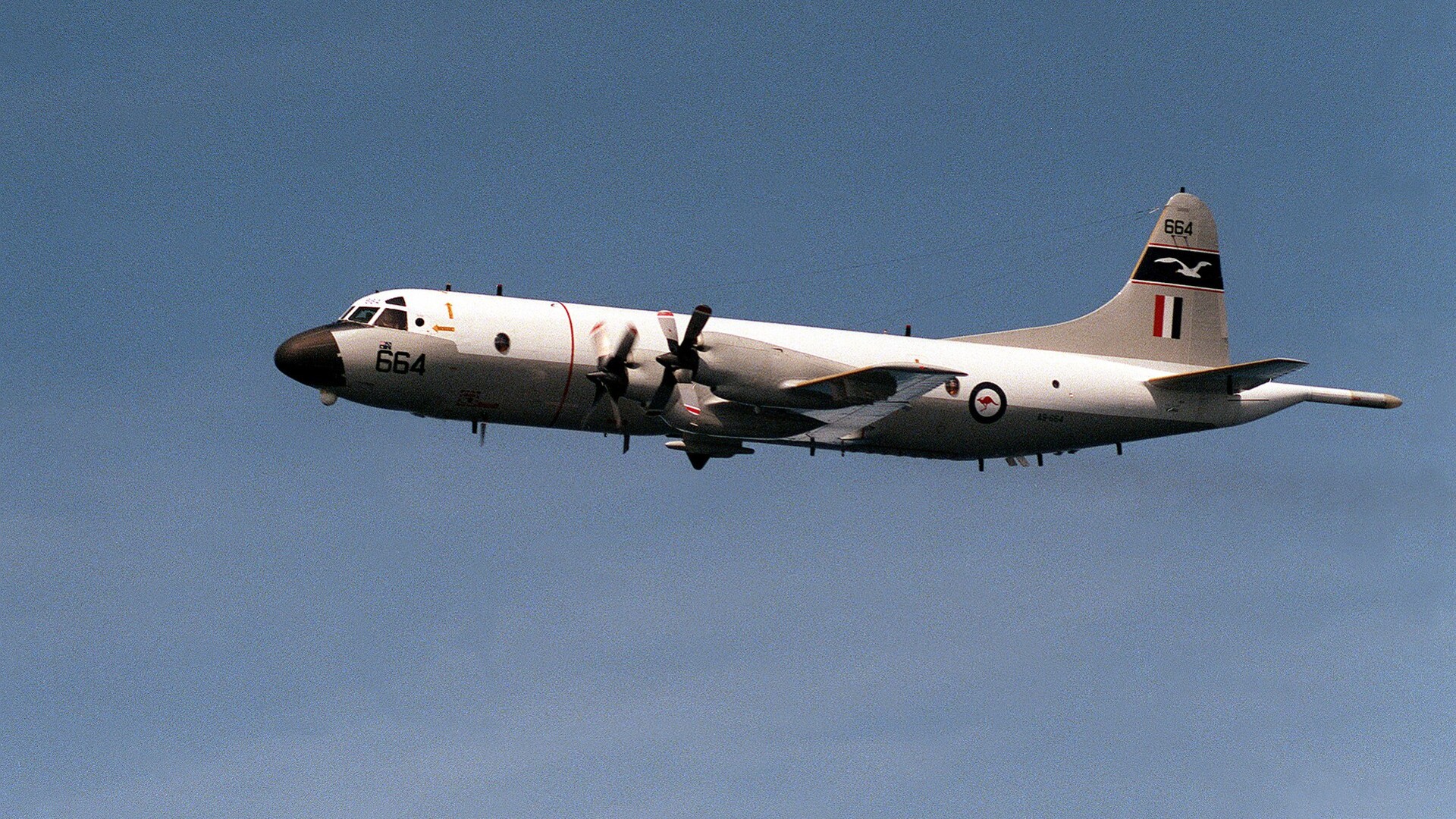
The alarm was raised within minutes, and the search that followed was serious. Over the next four days, Royal Australian Air Force P-3 Orion patrol aircraft, civilian planes and ships combed more than a thousand square miles of Bass Strait.
If a Cessna had gone into that water, searchers expected to find something: an oil slick, floating debris, a life jacket, a body.
They found nothing at all. No wreckage, no oil, no emergency beacon signal, no trace. Bass Strait is shallow, busy and well charted, which makes a total blank harder to explain, not easier.
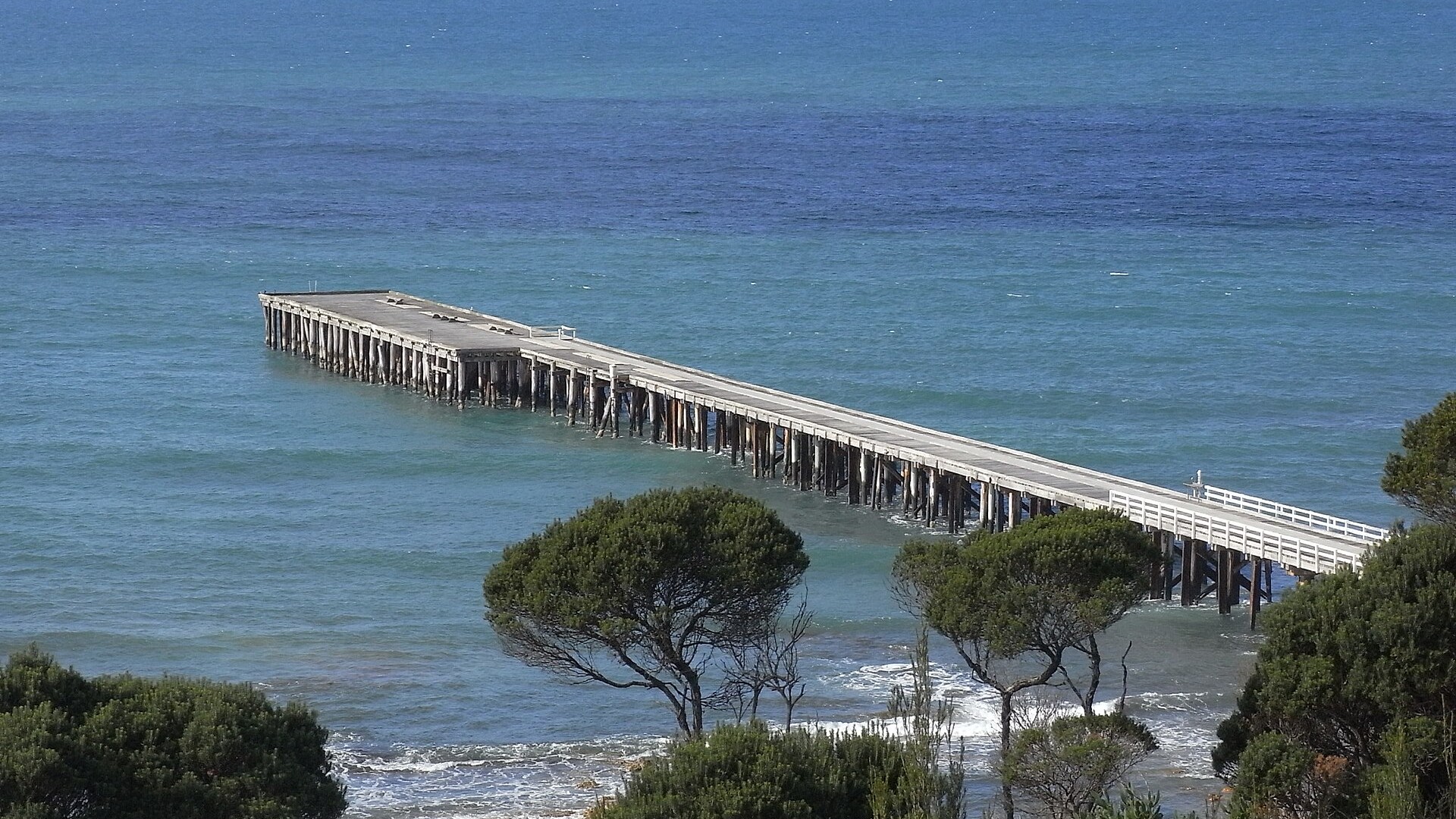
It is one of the reasons this case anchors our roundup of aircraft disappearances that remain unsolved: planes that vanish over water usually leave the sea something to give back.
One other thread from that night deserves an honest mention. A plumber named Roy Manifold had set up a camera at Apollo Bay, near Cape Otway, to photograph the sunset at almost exactly the time of Valentich’s last calls.
His developed film showed blurry shapes that some analysts later claimed were a solid object moving fast. Others saw emulsion flaws and insects.
The photographs are intriguing, but they have never been strong enough to settle anything, and investigators have never treated them as proof.
The Department of Transport investigation ran for years. When its report finally appeared in 1982, its conclusion was a single, frustrating sentence in bureaucratic dress: the reason for the disappearance of the aircraft had not been determined.
The Cowl Flap: The One Piece of Metal

For almost five years, that was the whole physical record: a tape, a transcript and an empty sea. Then, in May 1983, a walker on Flinders Island, east of Valentich’s route, found an engine cowl flap washed up on the beach at Parry’s Bay.
A cowl flap is a small hinged panel that helps cool an aircraft engine. This one was identified as coming from a Cessna 182, and its part numbers fell inside a serial range that included the range covering Valentich’s aircraft.
A Royal Australian Navy research laboratory examined it and considered it reasonable that the flap had drifted to Flinders Island from a crash site in Bass Strait.
It is the closest thing to physical evidence this case has ever produced, and it still is not proof. Two identical cowl flaps from other Cessnas were known to have been lost in the same waters, so the Flinders Island flap cannot be tied to VH-DSJ with certainty.
It tells us a Cessna 182 probably went into the sea somewhere in that region at some point. Most readers will think that is suggestive. Suggestive is all it is.
If the flap really was his, it quietly argues against the wildest version of the story. Aircraft taken intact by something from the sky do not usually shed engine parts into the tide. A plane that hit the water, for whatever reason, does.
Taken, Lost, or a Story He Built Himself?

The UFO explanation needs no help stating itself. A pilot reported a craft that air traffic control could not account for, described it in detail for six minutes, and vanished mid-sentence.
His father, Guido Valentich, believed for the rest of his life that his son had been taken, and said Frederick had been fascinated by UFOs and feared being taken by one. That fascination is documented, and it cuts in two directions at once.
Believers hear a young man who knew what he was looking at. Sceptics hear a young man who had spent years primed to see exactly this.
Properties under scientific watch for strange reports, like Skinwalker Ranch, attract the same argument: does the attention reveal the phenomenon, or manufacture it?
The disorientation explanation is colder, and pilots take it seriously. Valentich was flying at last light over water, in the exact conditions that kill inexperienced night pilots.
In the “graveyard spiral”, a disoriented pilot enters a tightening turn he cannot feel, trusts his senses instead of his instruments, and spirals into the sea believing he is flying straight.
It explains a crash with no wreckage field in deep, current-swept water, and it explains a pilot too busy fighting his own confusion to make a clean distress call.
A sharper version of the same idea holds that Valentich may have been flying upside down without realising it, watching his own landing lights reflected in the calm sea below and reading them as an object keeping pace above him.
A green light, a long shiny shape, something that mirrors your every move because it is your own aircraft: the theory is unsettling precisely because it fits parts of the transcript so well.
What it does not explain is six minutes of coherent, detailed reporting before anything went wrong.
Then there is the staged disappearance claim. Some researchers have argued that Valentich, a UFO enthusiast with a murky reason for flying that night, faked his own death and landed somewhere else.
It is the least supported of the three. No sighting of him alive was ever verified, no insurance motive was established, no second life ever surfaced, and the claim asks a 20-year-old who had failed flying exams to pull off a flawless vanishing act over open water at night. It survives because it cannot be disproved, which is not the same as being likely.
What is documented is narrower and stranger than any of the theories. A real pilot made a real, recorded report of something he could not identify.
His engine, or his account of it, faltered. The transmission ended in a sound nobody has explained to everyone’s satisfaction. And the sea kept whatever happened next.
The Verdict
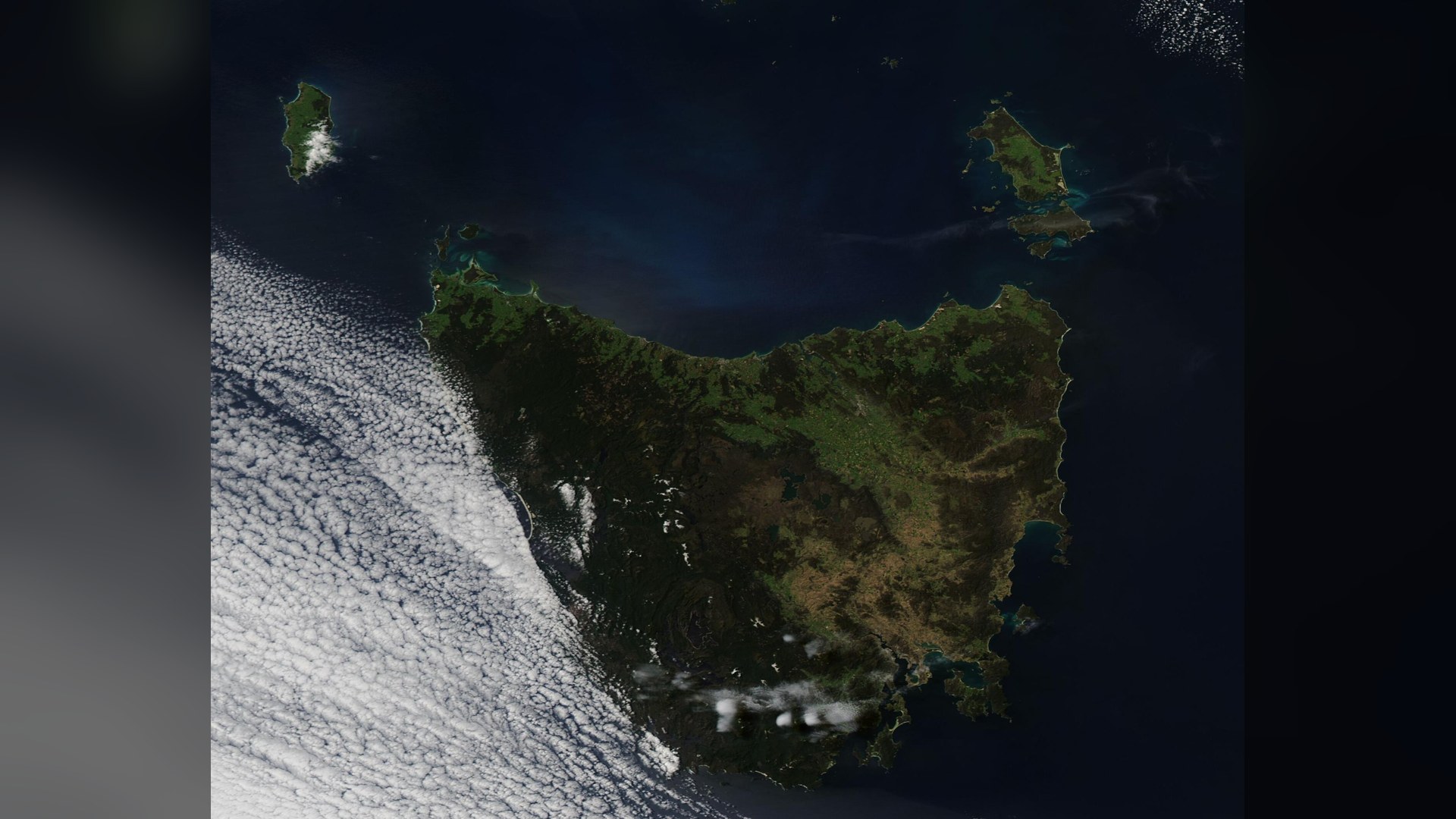
Verdict: Unresolved. Frederick Valentich and his Cessna vanished, the official investigation could not determine why, and the one piece of metal found five years later cannot be proved to be his.
The disorientation theories explain how a young pilot could be lost over Bass Strait that night, but none of them fully accounts for the six recorded minutes that came before the silence.
Frequently Asked Questions
Did Frederick Valentich fake his disappearance?
There is no evidence he did. The claim rests on his interest in UFOs and the unclear purpose of his flight, but no verified sighting of him alive, no financial motive and no trace of a second life has ever been found.
What was the craft Valentich described?
It was never identified. He described a long, shiny metallic object with a green light that hovered and manoeuvred around him. Air traffic control had no other traffic in the area, and no explanation has ever been confirmed.
Was anything from Valentich’s plane ever found?
Possibly one piece. In May 1983 an engine cowl flap from a Cessna 182 washed up on Flinders Island, from a serial range that included his aircraft. Because identical flaps had been lost by other Cessnas nearby, it was never conclusively matched to his plane.
What did the official investigation conclude?
The Australian Department of Transport’s report, released in 1982, concluded that the reason for the disappearance had not been determined. The case remains officially unexplained.
Did anyone else see anything strange that night?
There were scattered reports of lights over Bass Strait that evening, and photographs taken at Apollo Bay at sunset showed shapes some analysts called an object. None of it was verified strongly enough to confirm what Valentich saw.
Join the Conversation
Was it a UFO, a hoax, or a tragic accident? What do you think happened to Frederick Valentich?
Read Next
- 6 Aircraft Disappearances That Remain Unsolved
- STENDEC: The Final Morse Code Message That Still Haunts Aviation
- Skinwalker Ranch: The Utah Property That Terrified the Pentagon
- The Flannan Isles Lighthouse: Vanished From a Locked Tower
