
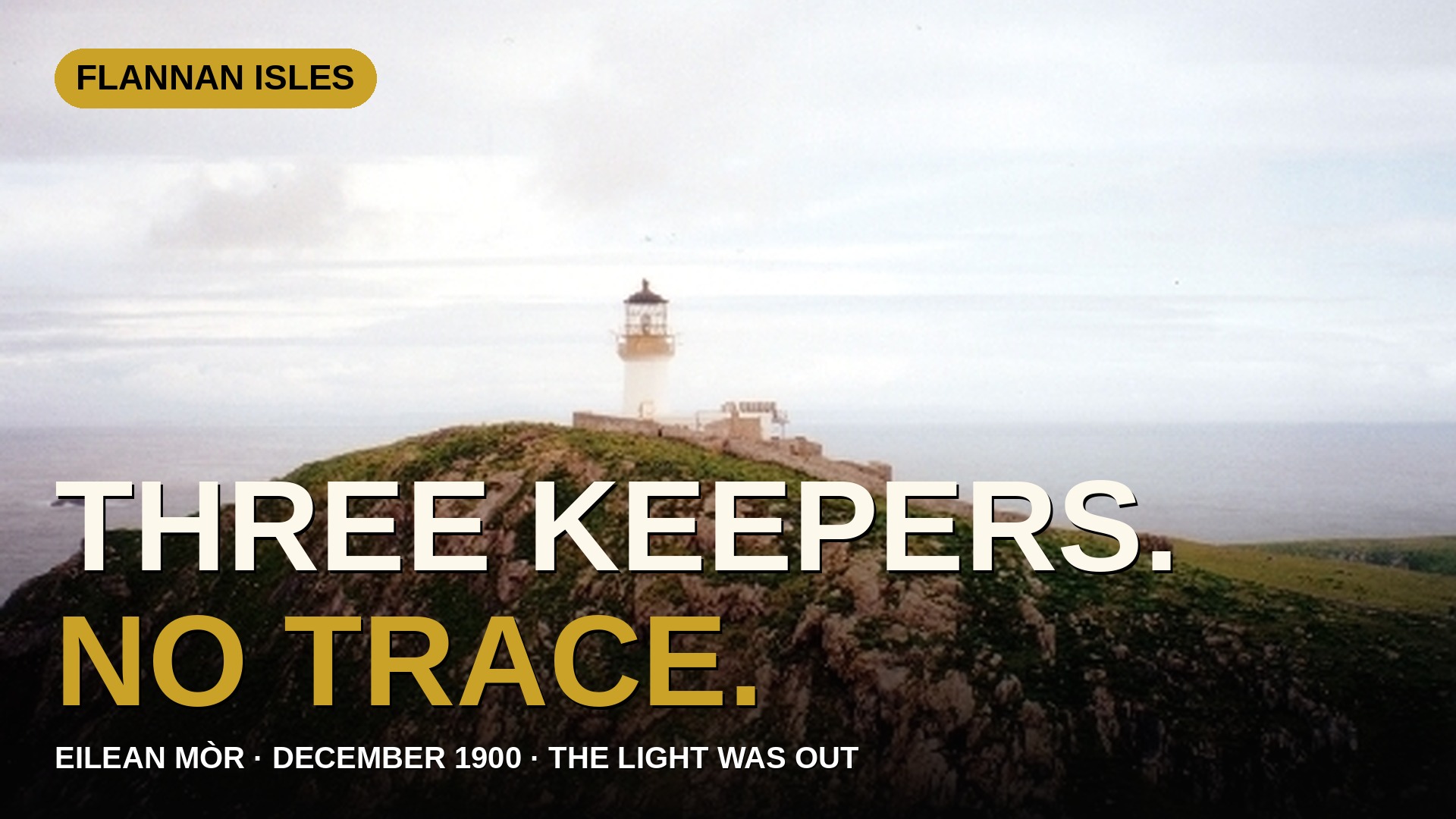
On Boxing Day 1900, the relief ship Hesperus reached a small rock in the Outer Hebrides and found nobody waiting for it.
No flag flew at the Flannan Isles lighthouse. No keeper answered the ship’s rocket. The man sent ashore climbed to the tower, pushed at the door, and found the place empty.
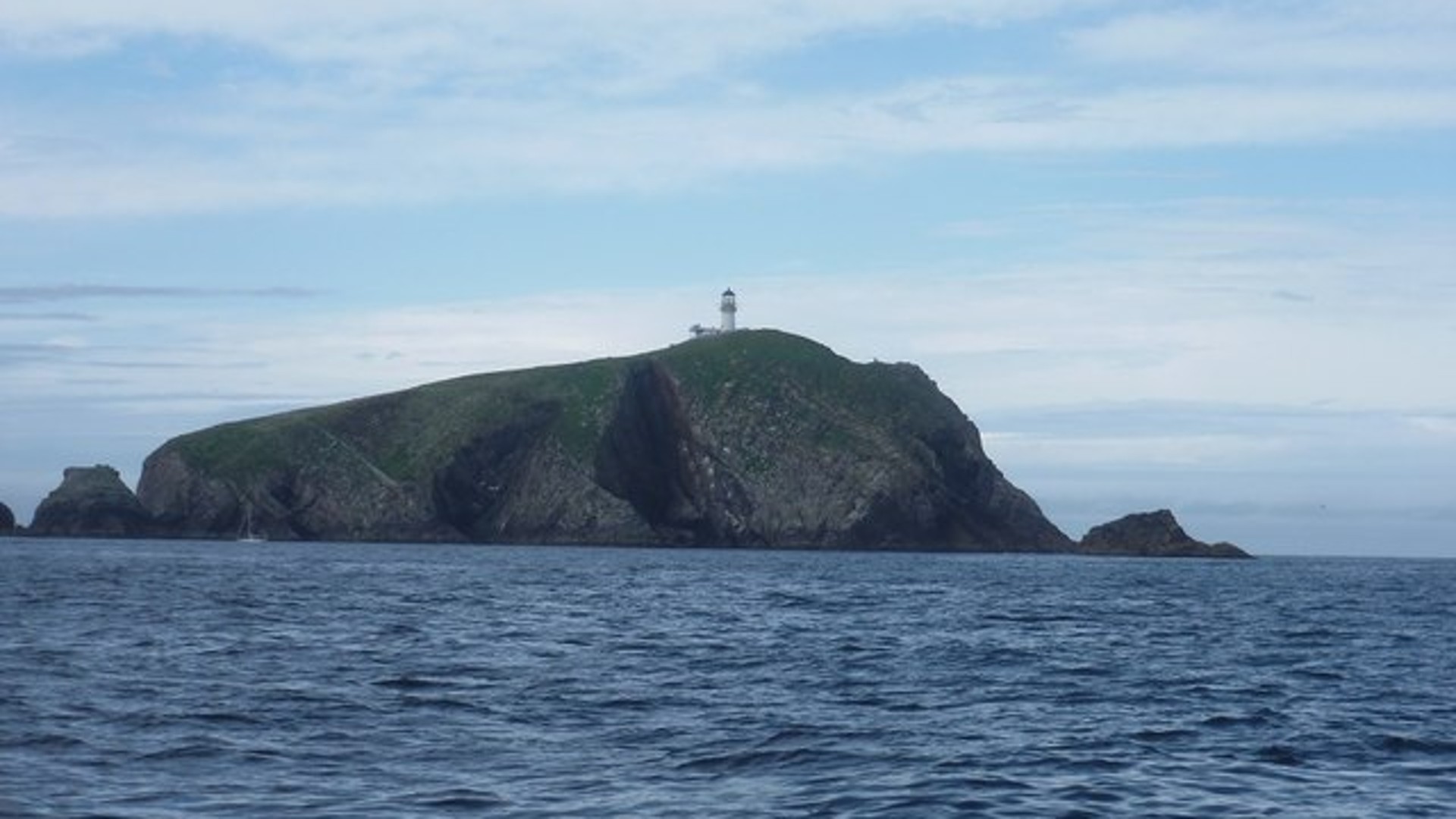
James Ducat, Thomas Marshall and Donald McArthur had simply gone. Their beds were unmade, the clock had stopped, and the lamp stood cleaned and ready for a night that never came.
Three experienced men do not walk out of a lighthouse in December and leave no trace. Yet that is what the record describes, as the National Records of Scotland case file still shows.
The Evidence


Start with what Joseph Moore, the relief keeper, actually reported. The entrance gate was closed and the main door was closed. Inside, the kitchen utensils were clean and the beds were unmade.
The lamps had been trimmed and prepared. The lens and machinery were cleaned, the oil fountain was full, and blinds hung at the windows. The morning work for 15 December was plainly finished.
Two sets of outdoor clothing were missing from the tower. One set of oilskins was still there. That detail matters, because keepers wore those clothes for one job: going down to the landings.
The written log ended on 13 December. Notes for the 14th, and readings taken at 9am on the 15th, sat on a slate waiting to be copied up. Nothing written on that slate was unusual.
A passing steamer, the Archtor, had reported the light out around midnight on 15 December. That report never reached the Northern Lighthouse Board in time, and bad weather then delayed the relief.
Moore also noted the beds. They were unmade, as if the men had risen, worked the morning, and fully expected to return. Nothing in the tower suggested a struggle or a hurried flight.
The tower itself was barely a year old. The light had first been lit in December 1899, and Ducat’s men were among its first keepers. They knew its routines, its landings and its weather well.
Outside, the island told a harder story. At the west landing, iron railings were twisted, a stone weighing more than a ton had shifted, and turf had been torn away high above the sea.
Superintendent Robert Muirhead, who had recruited all three men, reached the island on 29 December to investigate. His report is the spine of this case, and it points to the sea, not the tower.
The Anomaly

Now for the version you have probably read. In that version, the log describes a terrible storm, one keeper gone silent, another in tears, and a final line about the storm ending, with God over all.
It is a superb ghost story. It is also invented. Researcher Mike Dash traced those entries to a magazine piece published in 1929 under a false name, nearly thirty years after the men vanished.
The records back him up. No such entries exist in any surviving official document. There is no dramatic log for the weather records to contradict, because the dramatic log was never written.
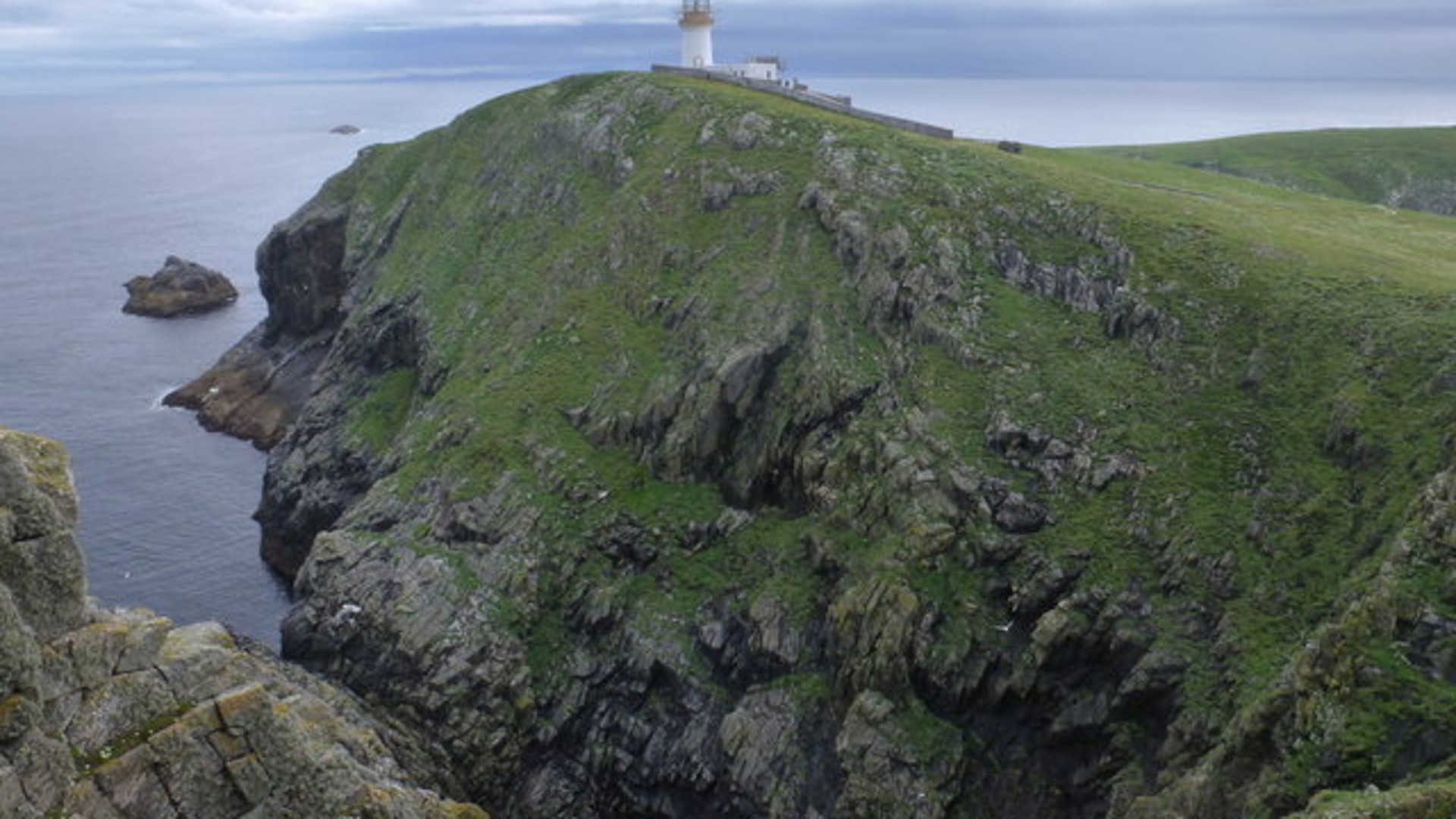
The other famous details come from the same workshop. The untouched meal and the overturned chair appear in Wilfrid Wilson Gibson’s 1912 poem, Flannan Isle. Moore’s own account describes a tidy kitchen.
Even the stopped clock has a plain answer. It was a weight-driven clock that needed winding by hand. The tower had stood empty for eleven days. Of course it had stopped.
Strip the inventions away and a real puzzle remains. Why would all three men leave the tower together, when the rule was that one keeper always stayed inside? Nobody has ever answered that.
That gap is where the stranger theories live, from sea monsters to abduction. None of them has a single document behind it. The wave theory at least has bent iron and a moved boulder.
The Verdict
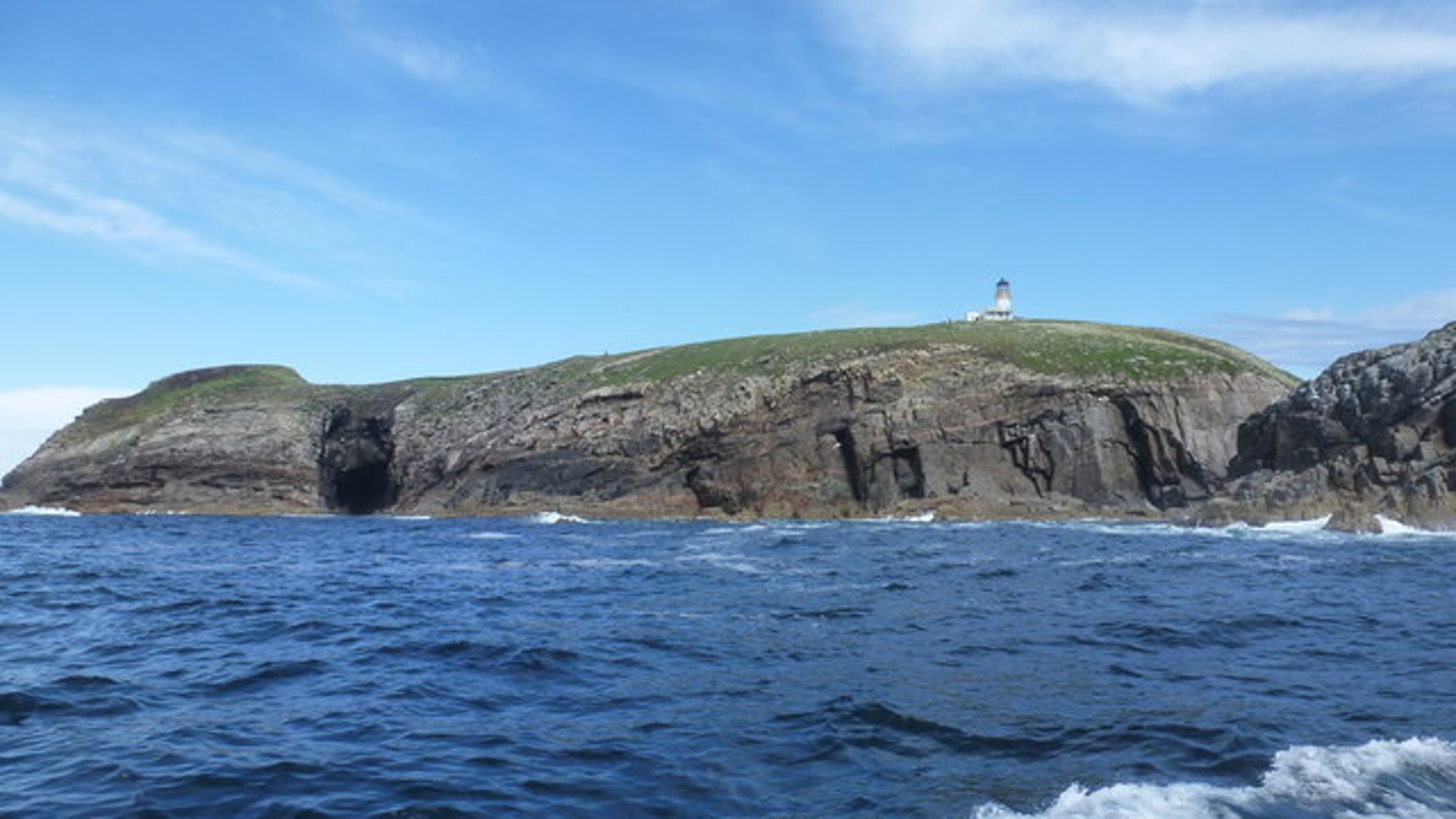
Muirhead concluded that the men went down to the west landing on the afternoon of 15 December, probably to secure gear after storm damage. There, he believed, a large roller swept all three away.
That fits the damage, the missing oilskins and the finished morning work. It also explains why no bodies were ever found. The Atlantic around Eilean Mòr does not give people back.
But plausible is not proven. No witness saw a wave, no body was recovered, and the rule-breaking trip down to the landing has never been explained by anyone, then or since.
Like the cases in our look at people who vanished without a trace, the keepers left behind a tidy scene and no ending at all.
Verdict: Unresolved. A rogue wave at the west landing is the best-supported explanation for the Flannan Isles disappearance, but it rests on inference rather than proof, and the case stays open.
Frequently Asked Questions
Who were the three Flannan Isles keepers?
James Ducat was the principal keeper and Thomas Marshall his assistant. Donald McArthur was an occasional keeper standing in for William Ross, who was away on sick leave.
When were the keepers found to be missing?
On 26 December 1900, when the relief vessel Hesperus arrived. A passing steamer had already reported the light out on the night of 15 December, but the warning never reached the lighthouse board.
Did the lighthouse log really describe a strange storm?
No. The famous storm entries, ending with a line about God being over all, were invented decades later. The real log ended on 13 December, and the notes left on a slate for the days after were routine.
What is the official explanation for the disappearance?
Superintendent Robert Muirhead concluded that the men went to the west landing to secure gear and were swept away by a large wave. The storm damage he found at the landing supported that reading.
Were the keepers’ bodies ever found?
No. No trace of Ducat, Marshall or McArthur was ever recovered, despite searches of the island and its landings. The sea around Eilean Mòr is deep, rough and unforgiving.
Join the Conversation
The poem gave this case a haunted table and a weeping keeper, and the real record gives us something colder: clean dishes, a ready lamp and three men gone. Which version stays with you, and why do you think all three went down to that landing together?
Read Next
The Mary Celeste: The Ship Found With No One Aboard
Frederick Valentich: The Pilot Who Vanished Mid-Call
