
Every family photograph of the Sodders has a hole in it. On Christmas Eve 1945, George and Jennie Sodder put their children to bed in their house outside Fayetteville, West Virginia.
By morning the house was ash, and five of those children, Maurice, Martha, Louis, Jennie and Betty, were gone. Not found dead. Not found alive. Gone.
The Sodder children case has lasted eighty years because of one fact that nobody has ever explained away. When the ashes of that fire were searched, there were no bones.
No teeth, no skeletons, nothing that five children should have left behind. Either five small bodies vanished in a fire that should not have been able to erase them, or somebody took them out of that house in the night. This is what the evidence actually says.
Christmas Eve, 1945

George Sodder had come to America from Sardinia as a thirteen-year-old boy and built himself a coal trucking business in the hills around Fayetteville.
He and Jennie had ten children. On Christmas Eve 1945, nine of them were home. The eldest, Joseph, was away in the army.
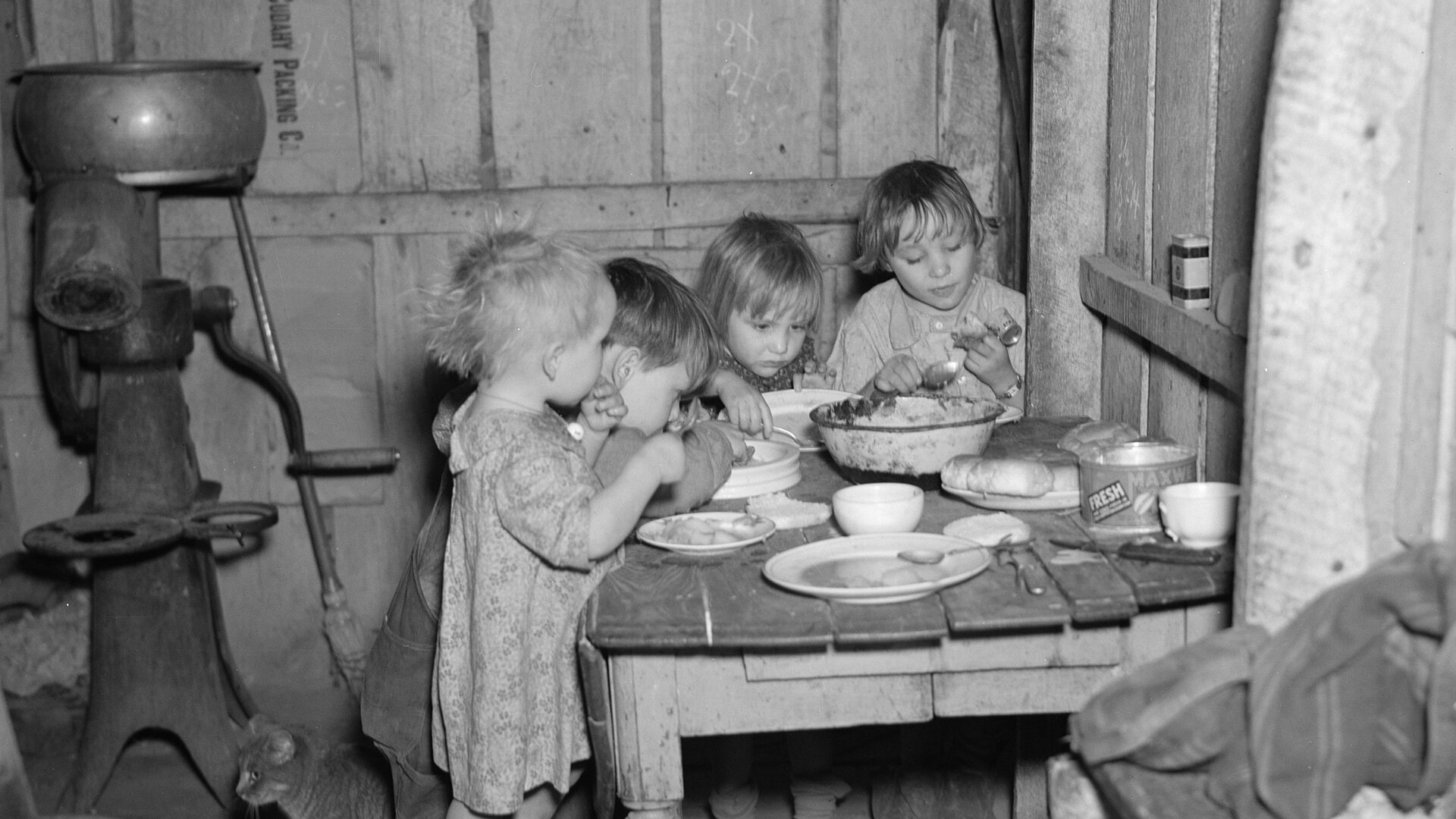
It was a good evening by every account. The children opened presents, including toys their sister Marion had bought with her dime-store wages.
At about ten o’clock, the five middle children, Maurice, 14, Martha, 12, Louis, 9, Jennie, 8, and Betty, 5, asked to stay up a little later. Jennie agreed, on condition the older boys fed the chickens and brought the cows in before bed. The children slept in two upstairs bedrooms. George and Jennie went to sleep downstairs.
At about half past midnight, the telephone woke Jennie. It was a woman’s voice she did not know, laughing, asking for a person who did not live in the house.
Jennie told her she had the wrong number and went back to bed, noticing in passing that the lights were still on downstairs and the doors unlocked.
The caller was later traced and confirmed as a genuine wrong number. It is one of the few threads in this story that ever tied off cleanly.
About an hour later, Jennie woke again, to a heavy bang on the roof, like something landing and rolling. Then she smelled smoke. George’s office at the front of the house was burning.
Forty-Five Minutes
What followed was a sequence of failures so complete it still reads like sabotage. George and Jennie got out with Marion, John, George Jr. and two-year-old Sylvia.
The five upstairs children never appeared. John later said he shouted to them and thought he heard an answer, though his account changed over the years, as accounts given by traumatised people often do.
George ran for the ladder that always stood against the house, so he could climb to the upstairs windows. It was gone. It was found days later at the bottom of an embankment, some seventy-five feet from where it belonged.
He tried to drive one of his coal trucks up to the wall and stand on it. The truck would not start. He tried the second truck, which had run perfectly the day before.
It would not start either. He climbed the wall barefoot, smashed an attic window and cut his arm open, but the fire drove him back. A rain barrel he tried to scoop water from was frozen solid.

Marion ran to a neighbour’s house to call the fire department, in an era when every call had to be connected by an operator, and no operator could be raised.
Another neighbour drove into Fayetteville and reached Fire Chief F. J. Morris in person. It made little difference. Morris could not drive the town’s fire truck himself, and the volunteer department had to be assembled through a telephone call tree, one firefighter ringing the next.
The fire department arrived at about eight in the morning, roughly seven hours after the house caught fire.
By then there was nothing to save. The family always said the house had burned to the ground in about forty-five minutes, and that detail matters, because it is their argument, made from their own recollection rather than any official timing, that a fire that fast and that ordinary should not have consumed five children completely. A coroner’s jury moved quickly anyway.
On 30 December, five days after the fire, death certificates were issued for all five children, cause of death given as fire or suffocation.
George bulldozed the site into a memorial a few months later, filling in the basement. The official story was closed. The Sodders never accepted it for a single day.
The Night Had Already Been Wrong
The family’s suspicion did not begin with the missing bones. It began with the months before the fire. George was an outspoken man in a town with a large Italian immigrant community, and his fierce public opposition to Mussolini had made him enemies.
In the autumn of 1945, a life insurance salesman who had failed to sell George a policy warned him that his house would go up in smoke and his children would be destroyed, in payback for his remarks about the dictator.
Around the same time, a man who came to the house about a job pointed at the fuse boxes and told George they would cause a fire one day. George, who had recently had the house rewired and inspected, thought little of it at the time.
There were smaller things. The children said a strange car had been watching them on their way home from school. And after the fire, a telephone repairman told the family something that has never been explained: the house’s phone line had not burned through.
It had been cut, by someone who climbed about fourteen feet up the pole to do it. George also pointed out that the Christmas tree lights had stayed on during the fire, and that heavy appliances were found recognisable in the ashes, which sat oddly with the official finding that faulty wiring started the blaze.

None of this proves anything by itself. Threats are common, salesmen say spiteful things, and old wiring fails. But put the cut line next to the missing ladder, the two dead trucks and a seven-hour wait for a fire engine, and the family’s refusal to accept an accident stops looking like grief talking.
It looks like a pattern. It is the same kind of pattern that keeps other cases, like the people who vanished without a trace, open long after the files are shut: too many small wrong things, all on the same night.
No Bones
The heart of the case is the search of the ashes. Chief Morris told the family that no remains had been found, and the Sodders spent years establishing what that meant.
Jennie, in one of the most quietly devastating details in American true crime, burned animal bones herself to see what a fire leaves behind. It always left something.
The family also consulted a crematorium operator, who told them that even after two hours at temperatures far beyond a house fire, human bones remain.
There are honest complications, and the case is stronger for admitting them. The ashes were not sifted by firefighters on the morning of the fire in any thorough, professional way, and George filled the site with dirt months later, which means the search conditions were poor and the scene was disturbed.
Children hiding from smoke can die in places searchers do not expect. But five children, in two bedrooms, leaving nothing identifiable at all, in a wooden house that burned for under an hour by the family’s account, remains a genuinely hard fact for the official version.
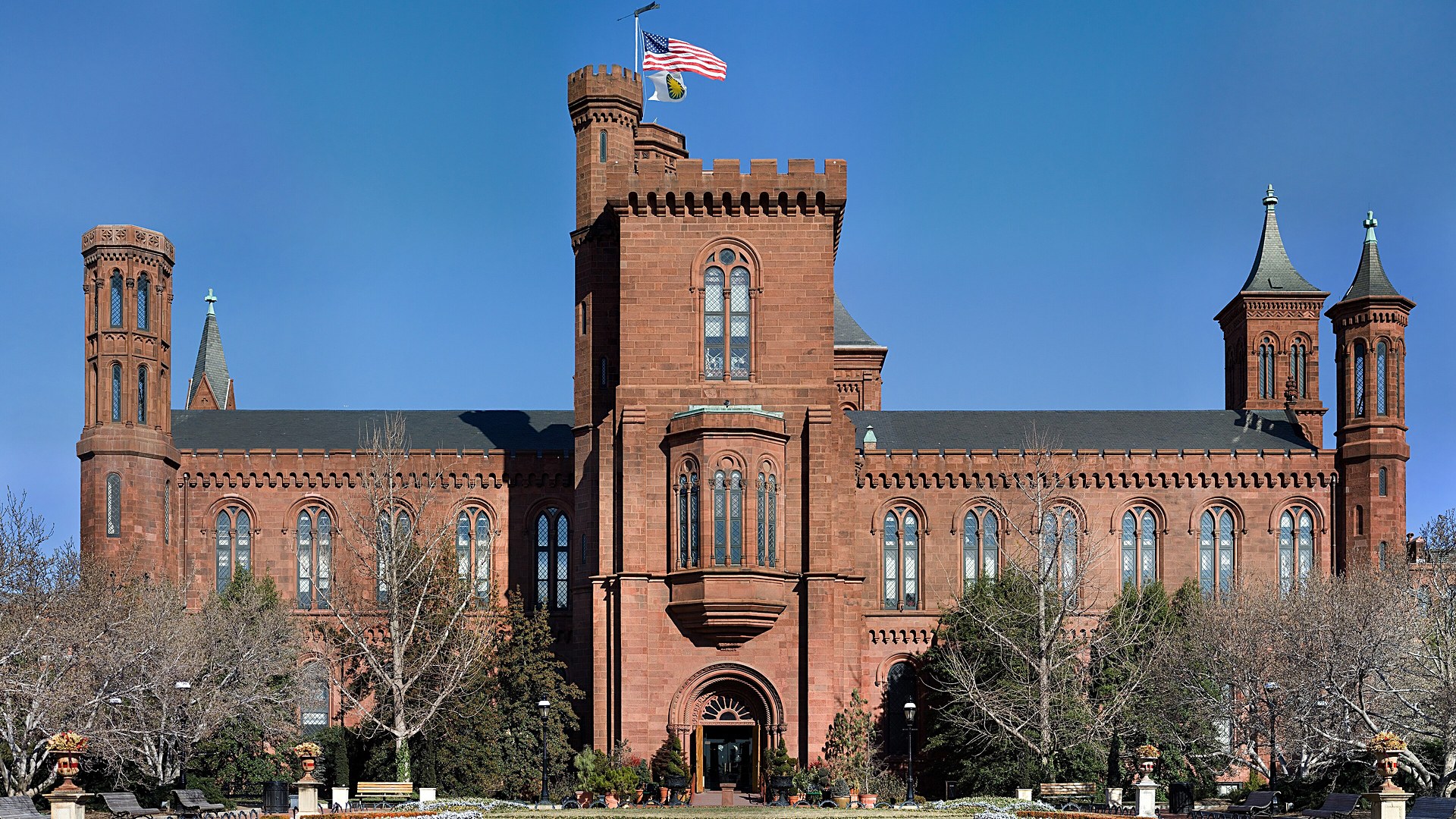
In August 1949, the family tried to settle it with science. George persuaded a Washington pathologist, Oscar B. Hunter, to supervise a careful excavation of the site. The dig found coins, a partly burned dictionary, and a few small bone fragments, which were sent to the Smithsonian Institution.
The Smithsonian’s report, in September 1949, is the most misquoted document in the case, so here is what it actually found.
The bones were four lumbar vertebrae, all from one person. That person was estimated at sixteen or seventeen years old, possibly up to twenty-two, older than Maurice, the eldest missing child, who had been fourteen. And the vertebrae showed no sign of ever having been exposed to fire.
The Smithsonian’s own suggestion was that the bones had probably arrived in the fill dirt George used to cover the basement, dirt taken from land near a cemetery.
In other words, the only human bones ever recovered from the Sodder site were very likely a stranger’s, dumped there by the grieving father himself without his ever knowing. It proved nothing about the children, except that they were still not there.
Sightings, a Photograph, and a Billboard

If the children were taken, where did they go? Over the years, reports reached the family. A woman claimed to have seen the children in a passing car on Christmas morning.
Another said she had served them breakfast at a hotel in Charleston, in the company of adults who would not let them speak.
None of these accounts was ever verified, and sightings attach themselves to every famous disappearance, the way they did to the aircraft that vanished and were never found. Hope is not evidence.
The family hired a private investigator, who chased leads as far as Sicily, on a theory that the children had been smuggled to Italy.
The FBI looked at the case more than once, first declining it as a local matter, later treating it as a possible interstate kidnapping before dropping it. In 1950 the governor of West Virginia and the state police closed the case as hopeless.
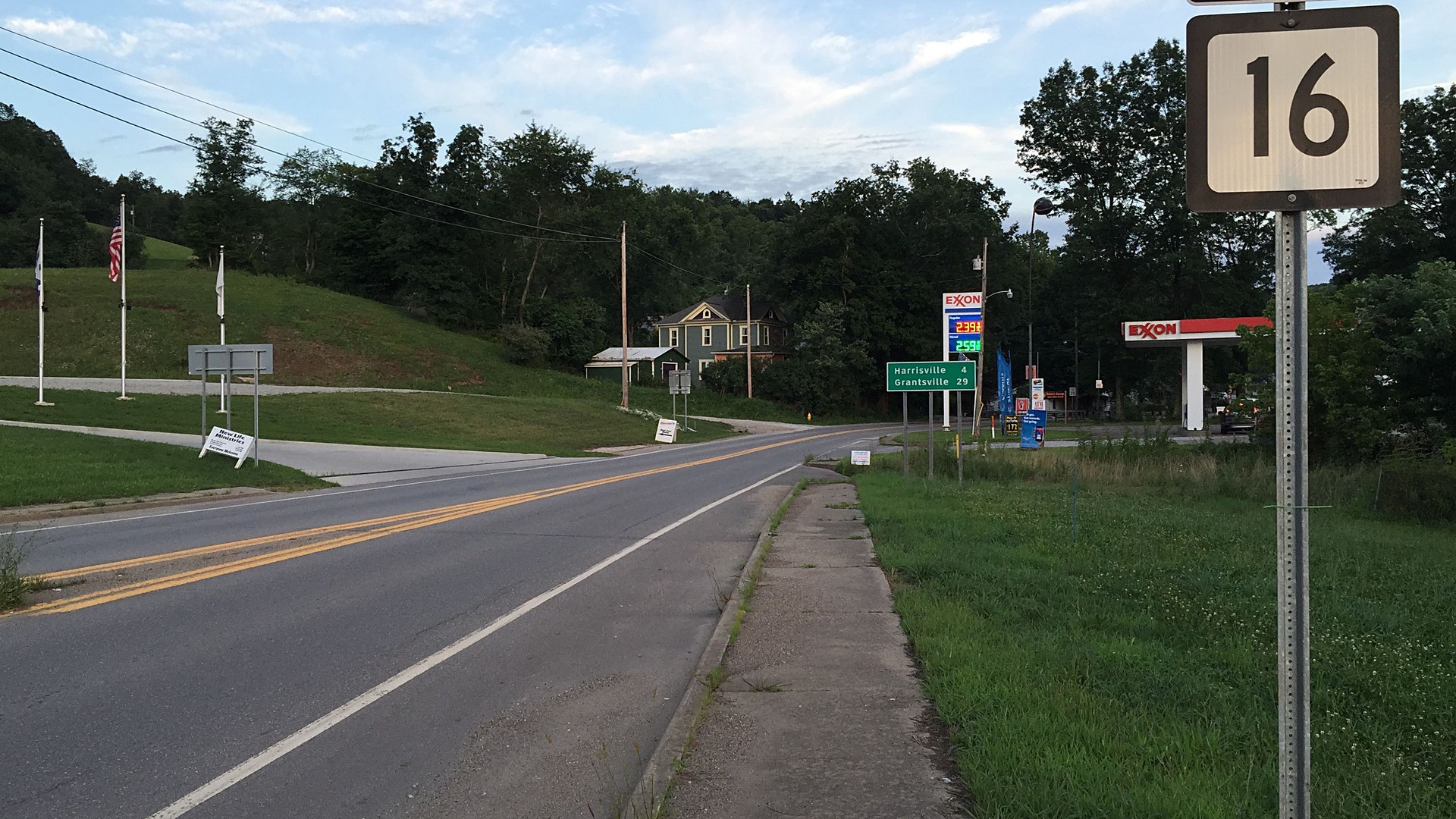
The Sodders responded by making it impossible to ignore. In 1952 they put up a billboard on Route 16 near the site, carrying photographs of all five children and offering a reward, eventually ten thousand dollars, for information. It stood for nearly forty years.
Then, in 1968, an envelope arrived with a Kentucky postmark and no return address. Inside was a photograph of a young man in his twenties.
On the back, someone had written: “Louis Sodder. I love brother Frankie. Ilil boys. A90132 or 35.” The family believed the face was Louis, grown. They had the photograph enlarged and added it to the billboard.
The man in the picture has never been identified, the sender has never been found, and the photograph has never been authenticated. It might be Louis.
It might be a cruel joke. It might be a stranger who looked like him. Twenty-three years of searching had earned the Sodders exactly one envelope, and it answered nothing.
George died in 1969, still searching. Jennie wore black for the rest of her life and died in 1989. The billboard came down soon after, and the case has never officially been solved, only abandoned.
What Probably Happened

Strip the case back to its load-bearing facts and two explanations remain standing. The first is the official one: the children died of smoke and fire in the upstairs bedrooms, and their remains were missed, scattered or destroyed in a chaotic, badly searched scene that their own father then buried under fill dirt.
This requires no conspiracy, only a terrible night and a sloppy aftermath. It is what the coroner’s jury found, and it may well be true.
The second is the family’s: the fire was set, the children were taken first, and every failure that night, the cut line, the missing ladder, the dead trucks, was part of making sure nobody could follow.
The threats against George give this theory a motive that most kidnapping theories lack, and the total absence of remains gives it a foundation.
What it has never had is a destination: no ransom, no confirmed sighting, no child ever surfacing in eighty years, in a case famous enough that surfacing would have been easy.
Cases like the Monster with 21 Faces show that determined offenders can taunt a whole country and vanish, but even there, the victims were never the prize. Here, five children would have had to be hidden for lifetimes.
Both explanations have a hole in the middle. The fire theory cannot produce the bones. The kidnapping theory cannot produce the children. That is why the billboard stood for forty years, and why this Christmas Eve fire is still being argued about today.
The Verdict
Verdict: Unresolved. The Sodder children were declared dead five days after the fire without a single identified remain, and no investigation since has found them, alive or dead.
The suspicious details are real, documented and numerous, but suspicion is not a solution. Until remains are identified or a credible account surfaces, Maurice, Martha, Louis, Jennie and Betty Sodder remain what they have been since 1945: missing.
Frequently Asked Questions
Did the children die in the fire?
Nobody knows. A coroner’s jury ruled that they did, and death certificates were issued on 30 December 1945, but no remains belonging to any of the five were ever conclusively found or identified.
Were they kidnapped?
The family believed so for the rest of their lives, pointing to threats against George, a cut phone line and a missing ladder. No kidnapping has ever been proved, and no ransom demand or confirmed sighting ever surfaced.
What did the Smithsonian find in 1949?
Four lumbar vertebrae from one person, estimated at 16 to 22 years old, with no sign of fire damage. The Smithsonian suggested they most likely arrived in fill dirt George had used to cover the site, possibly from land near a cemetery.
What was the photograph the family received in 1968?
A picture of an unidentified young man, mailed anonymously from Kentucky, with “Louis Sodder” written on the back. The family believed it was Louis as an adult. It has never been authenticated and the man has never been identified.
Is the Sodder case still open?
Not actively. West Virginia authorities closed it as hopeless in 1950. The family maintained a billboard and reward for decades, and descendants still seek information, but there is no ongoing official investigation.
Join the Conversation
Do you think the Sodder children survived the fire and were taken?
Read Next
- People Who Vanished Without a Trace
- Aircraft Disappearances That Are Still Unsolved
- The Monster with 21 Faces: Japan’s Unsolved Taunting Case
- The Sodder Children: Vanished From a Christmas Eve Fire
