
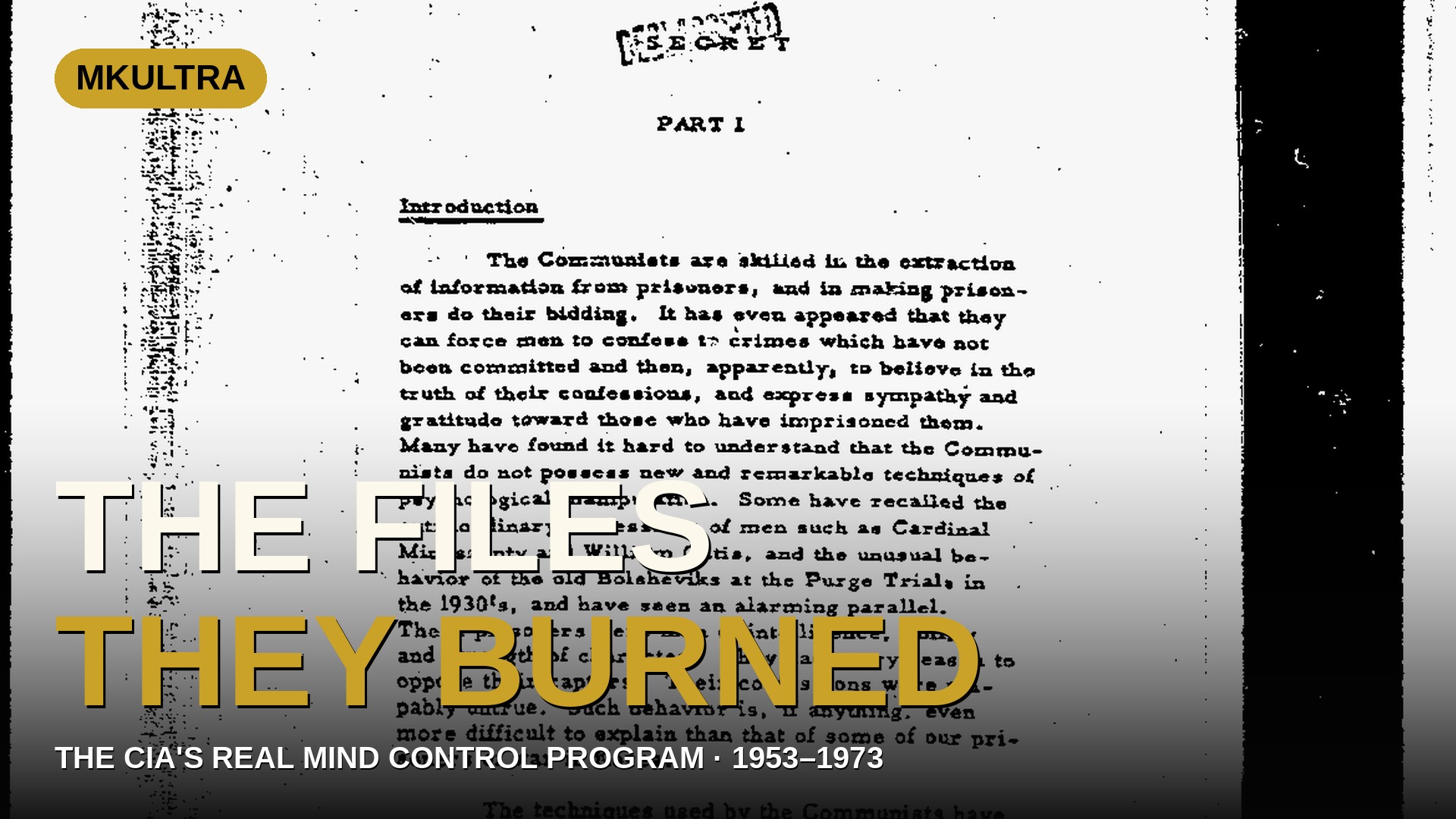
Most conspiracy theories ask you to believe something the government denies. This one starts with something the government has already admitted.
MKUltra was a real CIA program. It ran for two decades. It dosed people with LSD without telling them, and when investigators finally came looking, most of the paperwork was gone — destroyed on purpose, by the men who ran it.
That is not the pitch of a podcast. It is the finding of the United States Senate.
In 1975 and again in 1977, congressional committees dragged the program into the light, and what they found was worse than the rumours: prisoners, patients, soldiers and ordinary bar-goers used as test subjects in a hunt for a mind-control drug.
So the honest question about MKUltra is not whether it happened. It did. The question is how much of it we will never know about, because in January 1973 the CIA burned its own archive.
Everything since — the Manson theories, the assassin theories, the claims that the program never really stopped — grows out of that bonfire. It is the rare conspiracy story where the cover-up is not alleged. It is confessed, dated, and entered into the congressional record.
A Program Born of Cold War Panic
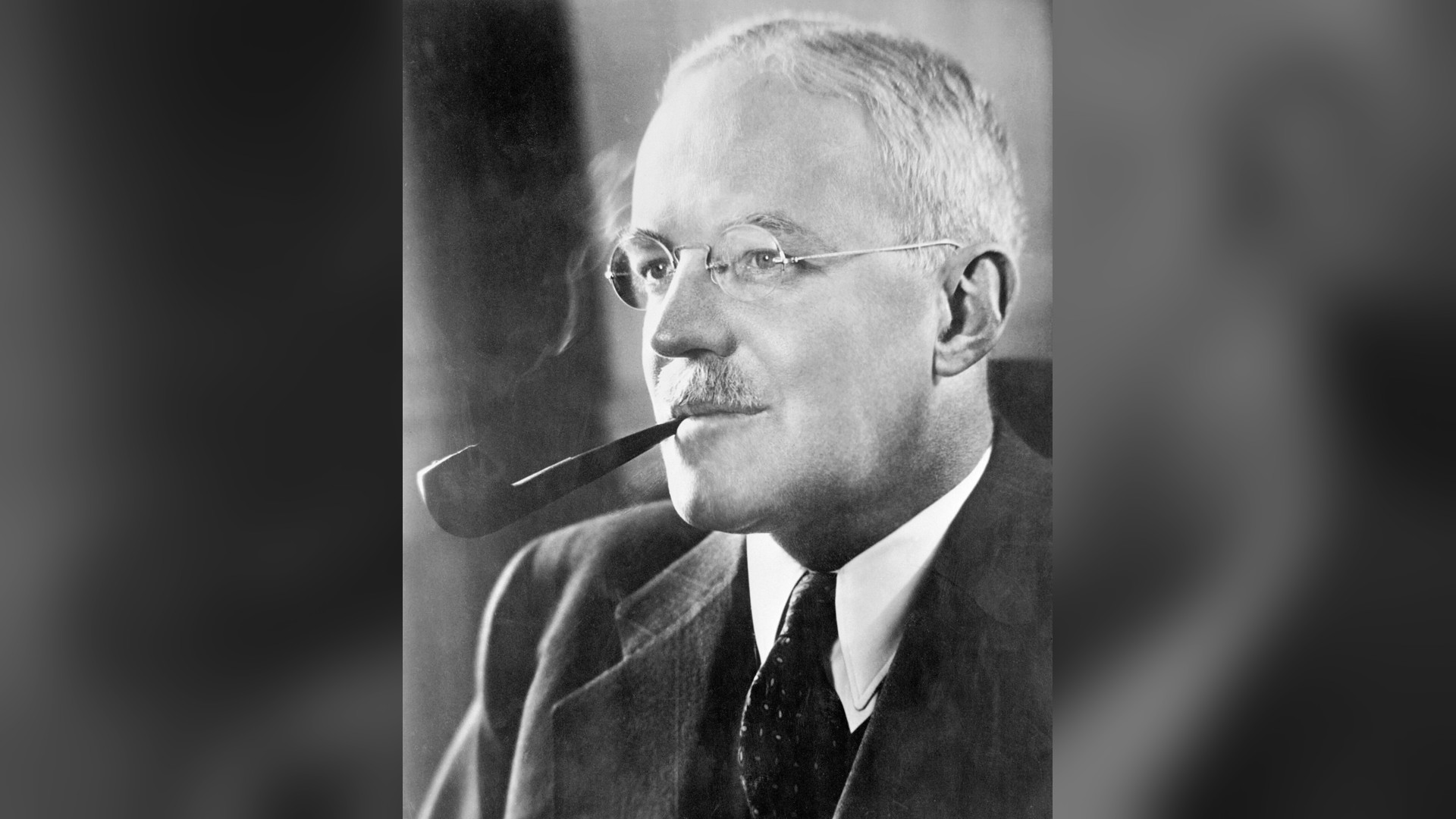
MKUltra was approved on 13 April 1953 by CIA Director Allen Dulles, at the height of Korean War paranoia.
American prisoners of war had appeared on camera confessing to crimes and praising their captors, and Washington convinced itself that the Soviets, Chinese and North Koreans had cracked some technique of brainwashing. The CIA wanted the same weapon — and a defence against it.
The job went to Sidney Gottlieb, a chemist who ran the agency’s Technical Services Staff. Gottlieb was an unlikely spymaster: he had a PhD from Caltech, lived off-grid in a cabin for much of his later life, and kept goats. He also had a director’s signature, a secret budget, and almost no oversight.
Under Gottlieb, MKUltra sprawled. The surviving records list 149 separate subprojects, involving some 80 institutions — universities, hospitals, prisons, pharmaceutical companies and research foundations.
Much of the money moved through respectable front foundations, so a good number of the researchers taking CIA funds never knew whose money it was.
The goal was behaviour control: a truth drug for interrogations, a way to make a man act against his will, a chemical that could crack a prisoner or disgrace a foreign leader. The agency even explored schemes to drug Fidel Castro. What it mostly produced was suffering, spread across two decades and thousands of miles.
Dosed Without Consent: What the Experiments Actually Looked Like
The methods went far beyond LSD, though LSD was the obsession. In the early 1950s Gottlieb arranged for the CIA to buy up essentially the world’s supply of the drug for $240,000.
Around it orbited hypnosis, sensory deprivation, isolation, electroconvulsive shock, sleep manipulation and psychological torment — whatever might loosen a mind’s grip on itself.
The subjects were rarely volunteers in any honest sense. They included psychiatric patients, prisoners, drug addicts, sex workers and soldiers. Some were told they were in experiments. Many were not told anything at all.
The most notorious operation was the one later nicknamed Operation Midnight Climax. In San Francisco and New York, the CIA ran safe houses fitted with two-way mirrors.
Sex workers on the payroll lured unsuspecting men back to the apartments, where their drinks were spiked with LSD while officers watched from behind the glass, sometimes with a cocktail of their own in hand. The point, officially, was to observe how the drug affected behaviour in the wild.
Nobody was ever asked for consent, and nobody was ever followed up.
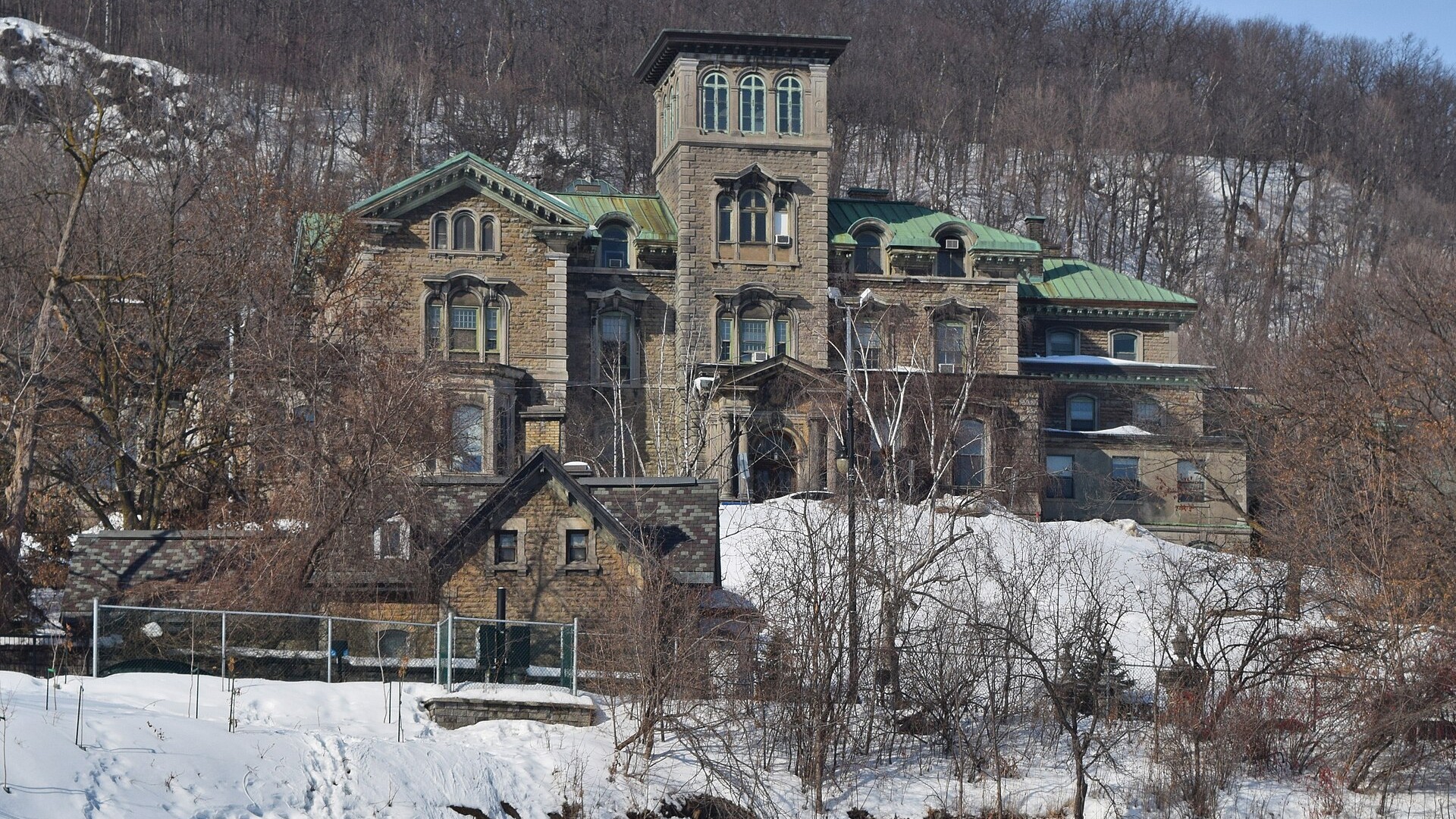
Some of the darkest work happened in a hospital, not a safe house. In Montreal, at McGill University’s Allan Memorial Institute, psychiatrist Ewen Cameron ran experiments funded through an MKUltra subproject, using a CIA front foundation.
Cameron believed he could erase a patient’s mind and rebuild it — a technique he called “psychic driving”.
His subjects, many admitted for minor problems like anxiety or post-partum depression, were put into drug-induced comas for weeks, subjected to electroshock at many times the normal intensity, and played looped recorded messages for up to sixteen hours a day.
Patients emerged with their memories shattered. Some forgot how to speak, forgot their families, forgot their own childhoods.
Cameron was not a fringe figure — he had been president of the American Psychiatric Association — and his funding trail only became public years later, when a group of his former patients sued. The Canadian government eventually paid compensation.
Their cases remain the clearest window into how far the program’s definition of “subject” could stretch: people who walked into a hospital for help and walked out as experiments.
Then there was Frank Olson.
Olson was an Army biochemist working with the CIA at Camp Detrick. In November 1953, at a retreat, Gottlieb’s team slipped LSD into his drink without telling him.
Olson spiralled into depression and paranoia over the following days. Nine days later he went through the window of a tenth-floor room at New York’s Statler Hotel.
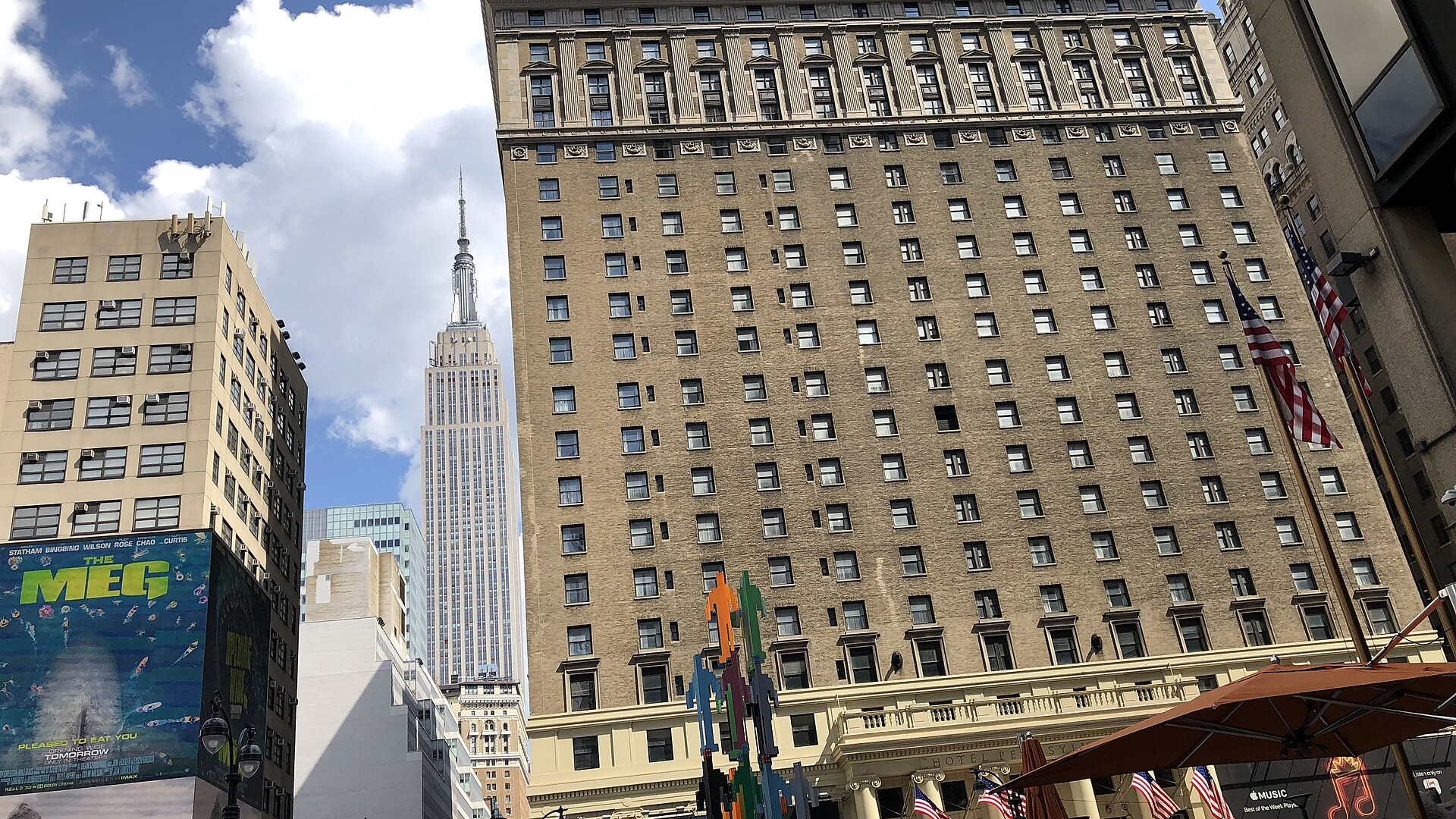
The CIA called it a suicide and told his family almost nothing. The truth about the LSD only reached the Olsons in 1975, when the Rockefeller Commission report forced it out, and President Gerald Ford personally apologised to the family.
The family has never fully accepted the suicide account — a 1994 exhumation and private investigation raised questions about a blow to the head — but no murder charge has ever been proven. What is proven is the dosing, the cover story, and twenty-two years of silence.
January 1973: The Bonfire
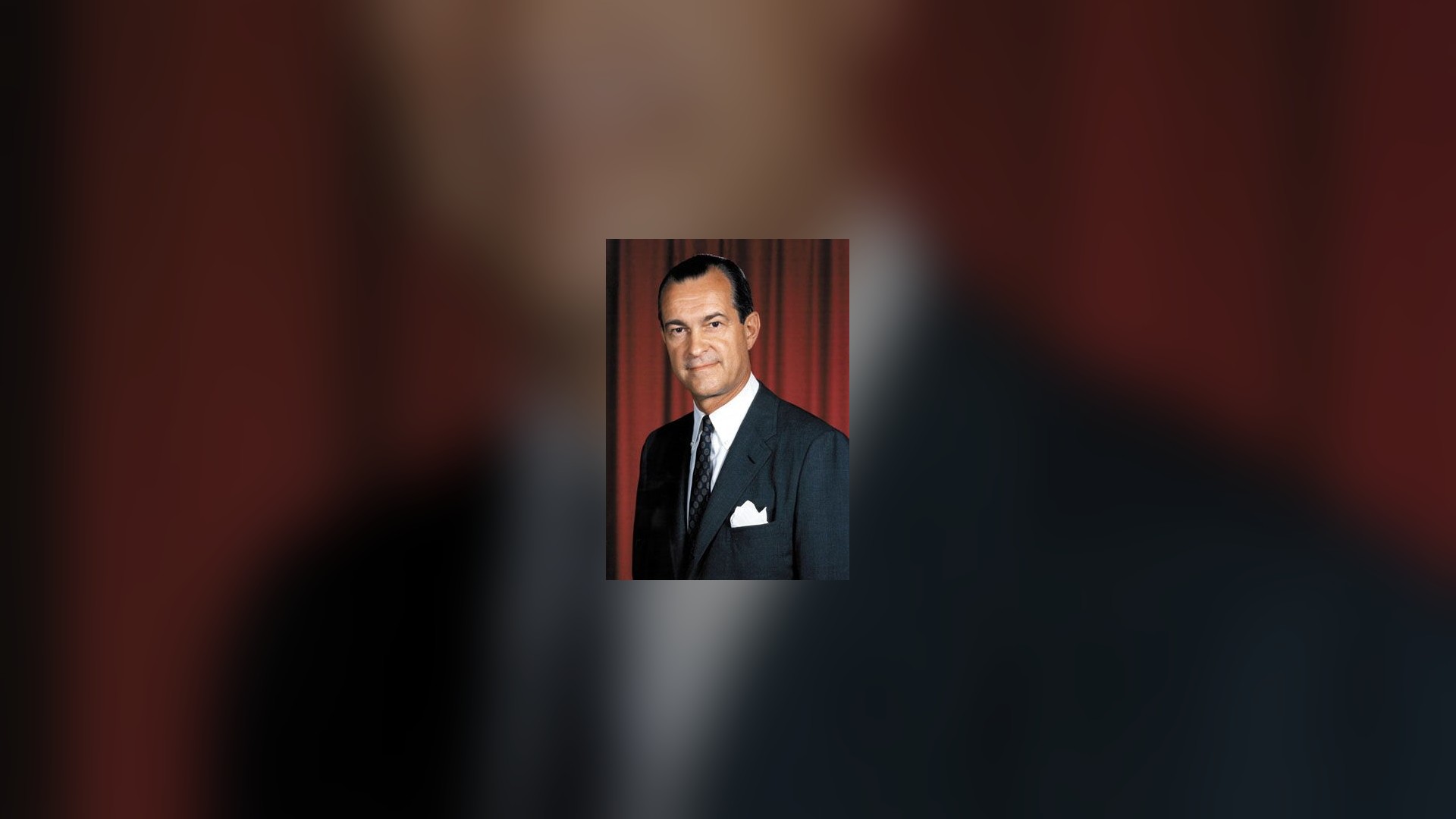
By the early 1970s the political weather had changed. Watergate was breaking over Washington, journalists were circling the intelligence agencies, and Richard Helms was on his way out as CIA Director.
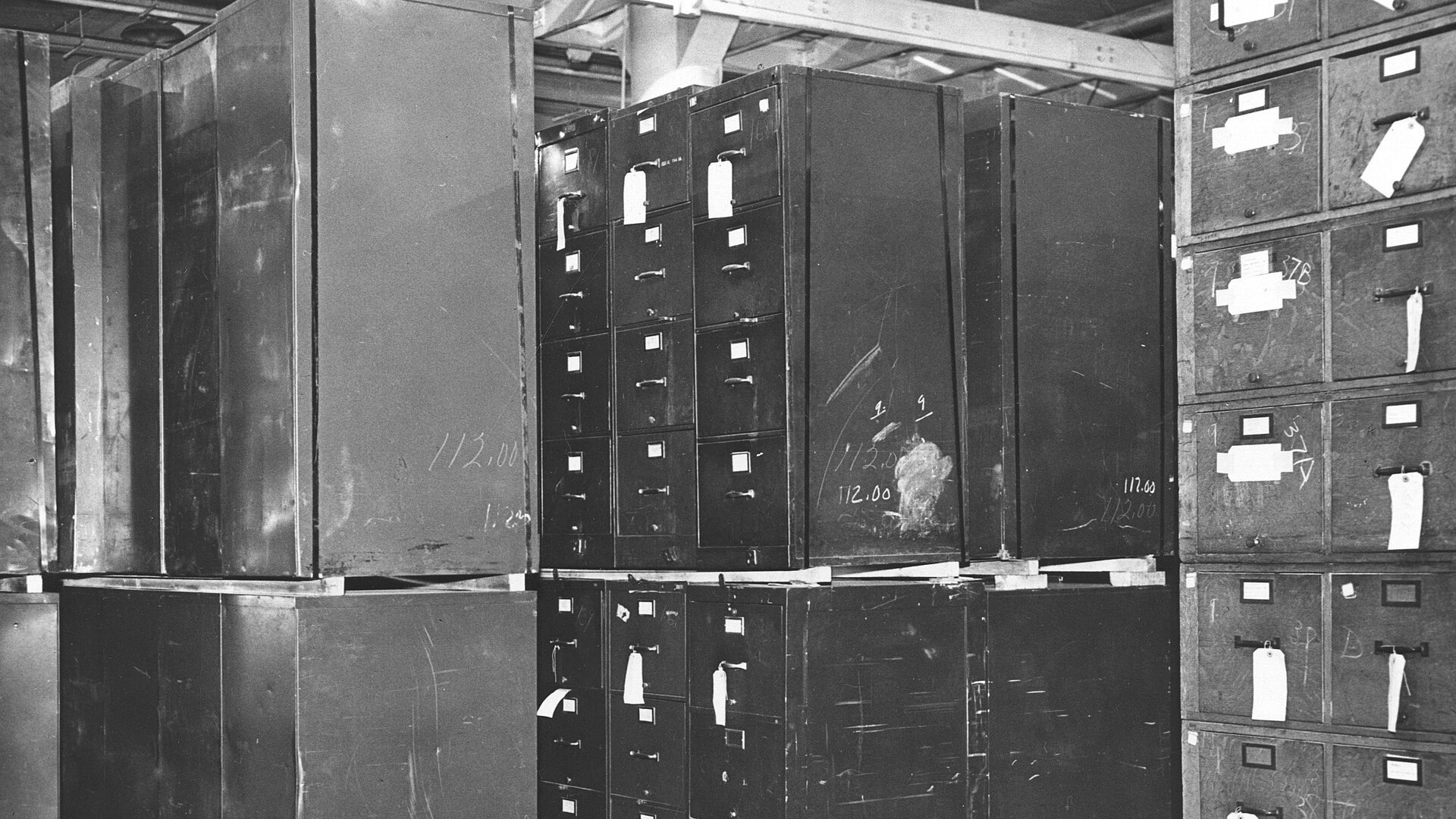
In January 1973, the MKUltra files were destroyed — on Gottlieb’s order, given with Helms’s approval, as both men later acknowledged under oath.
What went into the shredders was the program’s operational heart: experiment protocols, subject records, correspondence, the files that would have named names and dated doses. Helms later told investigators the destruction was partly a matter of protecting the identities of people and institutions involved.
Read that sentence twice. It is, depending on your mood, either an act of discretion or a confession.
The destruction very nearly worked.
When the Rockefeller Commission and then the Senate’s Church Committee investigated the CIA in 1975, they had to build the MKUltra story almost entirely from testimony — from men like Gottlieb himself, who appeared before Congress and professed a remarkably poor memory of the program he had run for twenty years.
Then came the accident that saved the story. In 1977, a Freedom of Information Act request — filed by researcher John Marks — sent an archivist into the CIA’s retired records centre.
There, misfiled among financial records, sat seven boxes the shredders had missed: roughly 20,000 pages of budget requests, receipts and administrative paperwork.
Receipts are not as dramatic as experiment logs, but they are harder to argue with.
The financial cache mapped the program’s reach — the subprojects, the institutions, the money trail — and it forced a fresh round of Senate hearings in August 1977, where the new CIA Director, Stansfield Turner, confirmed the scope of what had been done.
Much of what we know about MKUltra today, we know because someone filed the invoices in the wrong building.
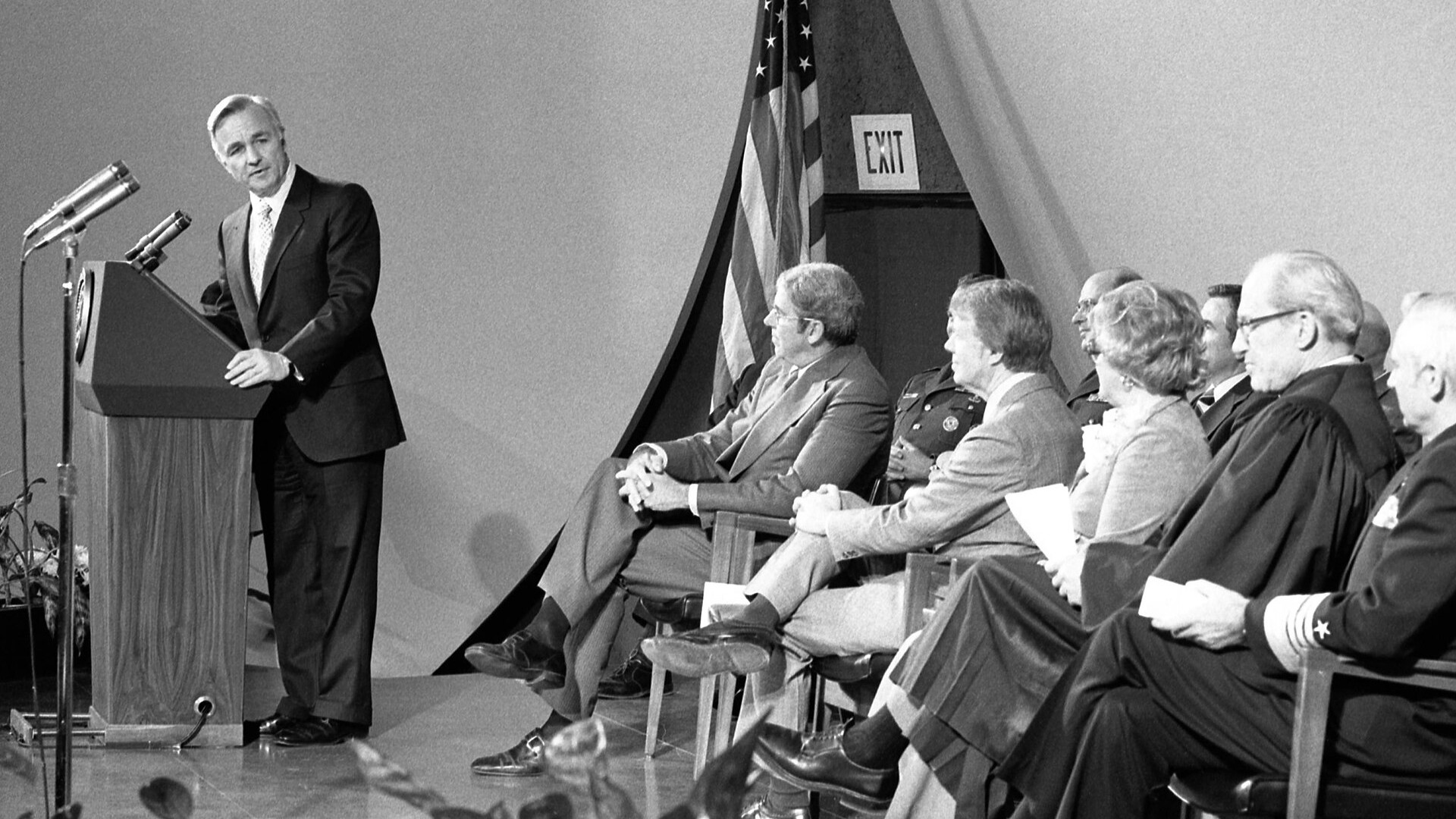
By then, MKUltra as a name was already history. A damning 1963 report by the CIA’s own Inspector General had forced the testing of unwitting subjects to be reined in, and in 1964 the shrunken program was renamed MKSEARCH and run under tighter rules until it was wound down entirely.
None of that restraint was public. The destruction of 1973 was aimed at a record the agency knew, from its own internal review, it could not defend.
Manson, Ruby and the Algorithm Age
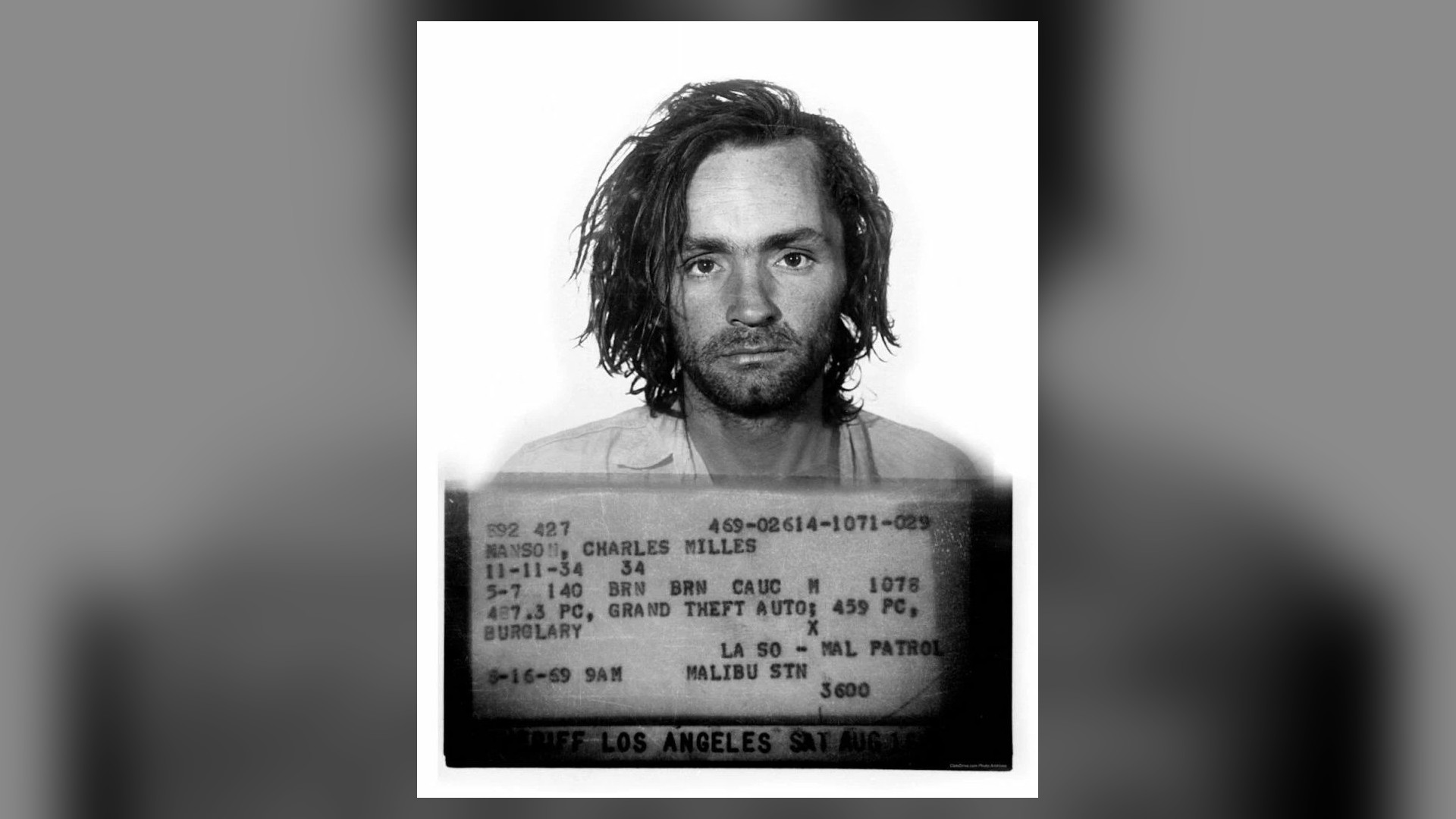
A destroyed archive is an invitation, and writers have accepted it.
The most famous attempt to fill the gap is Tom O’Neill’s 2019 book Chaos, which spent twenty years circling a provocative suggestion: that Charles Manson crossed paths with people and clinics touched by the CIA’s behaviour research, and that the official story of the Manson case leaves out something important.
Be clear about the status of that claim. O’Neill documented real overlaps and real unanswered questions, but he did not prove that Manson was a CIA asset or a program product, and historians remain divided on how much weight his connections carry. It is an allegation built on proximity, not a finding.
Jack Ruby — the man who shot Lee Harvey Oswald on live television — gets pulled into the same orbit. Ruby was psychiatrically examined, he moved through strange circles, and conspiracy writers have long speculated about whether he was somebody’s manipulated instrument.
Again: speculation. There is no document linking Ruby to MKUltra, and the claim survives mainly because the program’s real methods make almost any manipulation story sound plausible.
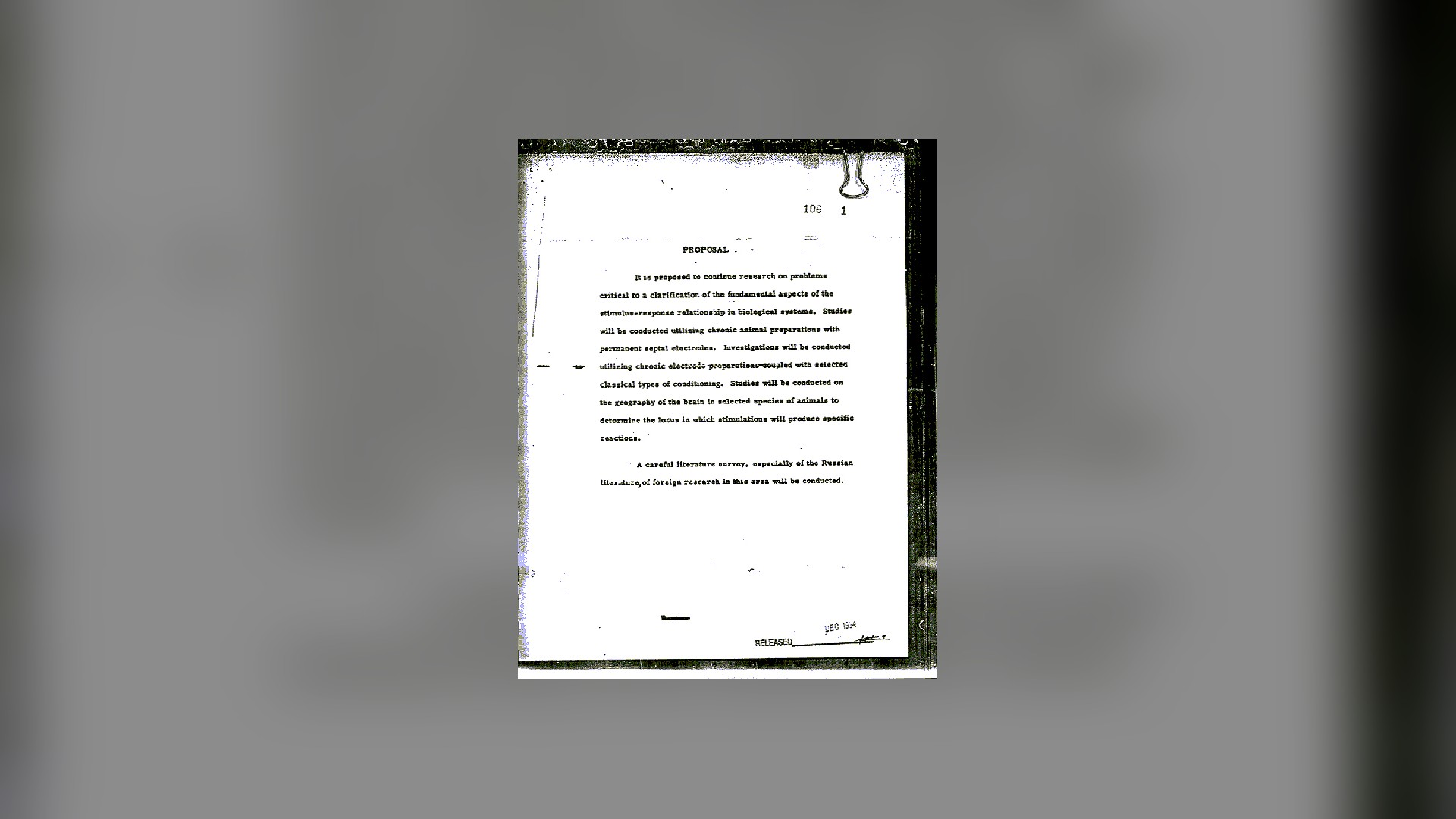
The newest version of the argument skips the drugs entirely. In recent congressional debate and commentary, MKUltra gets invoked as the ancestor of a different kind of influence war: algorithmic feeds, targeted propaganda, behavioural nudging at a scale Gottlieb could not have imagined.
Whether or not any specific allegation holds up, the underlying question is a fair one. A government once spent twenty years trying to steer minds in secret. Why would the ambition die just because the tools improved?
That question is worth sitting with — and it connects to why so many people now assume the online world itself is being steered, a suspicion we dug into in our look at the Dead Internet Theory.
The Verdict
Strip away the folklore and the documented core is damning enough. A democratic government ran a secret program that drugged its own citizens without consent. At least one man died in its orbit and his family was lied to for two decades.
When scrutiny arrived, the archive was destroyed by the men responsible. And the only reason we know the program’s true scale is a filing error.
That is precisely why MKUltra remains the most dangerous kind of conspiracy story: the kind with a true centre.
Every wild extension — the programmed assassins, the celebrity assets, the claims that it never ended — borrows credibility from the parts that are proven. The destroyed files guarantee that the borrowing can never be fully audited.
What would settle it? The files. They do not exist. Helms and Gottlieb saw to that, and both men are dead. What survives is a paper trail of receipts, a handful of apologies, and a permanent hole in the record exactly where the worst answers would be.
Like the Hall of Records story, the mystery is powered less by what was found than by what is missing — except here, we know for a fact the missing material existed, because the men who burned it admitted it under oath.
Verdict: Confirmed. MKUltra was a real CIA mind-control research program that experimented on unwitting people for twenty years, and its records were deliberately destroyed in 1973. What remains unresolved — and, thanks to that destruction, probably unresolvable — is the program’s full extent: how many people were harmed, and whether any of its research ever produced the controllable human weapon it was hunting for.
Frequently Asked Questions
Was MKUltra real?
Yes. It is one of the most thoroughly documented secret programs in American history, confirmed by Senate investigations in 1975 and 1977, by the CIA’s own surviving financial records, and by a formal apology from President Gerald Ford to at least one victim’s family.
Who was Sidney Gottlieb?
Gottlieb was the CIA chemist who ran MKUltra from its creation in 1953. He controlled the budget, approved the subprojects and oversaw experiments including the dosing of unwitting subjects. He retired in 1973, testified before Congress with a conveniently poor memory, and died in 1999.
Why were the files destroyed?
In January 1973, with Watergate-era scrutiny closing in, the MKUltra records were destroyed on Gottlieb’s order with Director Richard Helms’s approval. Helms later said the aim was partly to protect the people and institutions involved. The effect was to make a full accounting of the program impossible.
How do we know anything about MKUltra if the files were burned?
Because the destruction missed a cache. Roughly 20,000 pages of financial records had been misfiled in a records centre and survived. A 1977 Freedom of Information Act request uncovered them, and they became the backbone of the 1977 Senate hearings.
Did MKUltra succeed in creating a mind-controlled assassin?
There is no evidence it did. The surviving record shows a program that was chaotic, cruel and largely fruitless — LSD proved too unpredictable to steer anyone reliably. The ‘Manchurian candidate’ remains fiction, but the experiments performed in its pursuit were real.
Join the Conversation
The program is proven, the files are ash, and the full list of victims will never be known. So here is the question: if a government admitted doing this once, what would it actually take for you to believe it had stopped?
Read Next
Dead Internet Theory: Is the Web Mostly Bots?
The Hall of Records: Did the CIA Find a Hidden Temple Beneath the Sphinx?
