
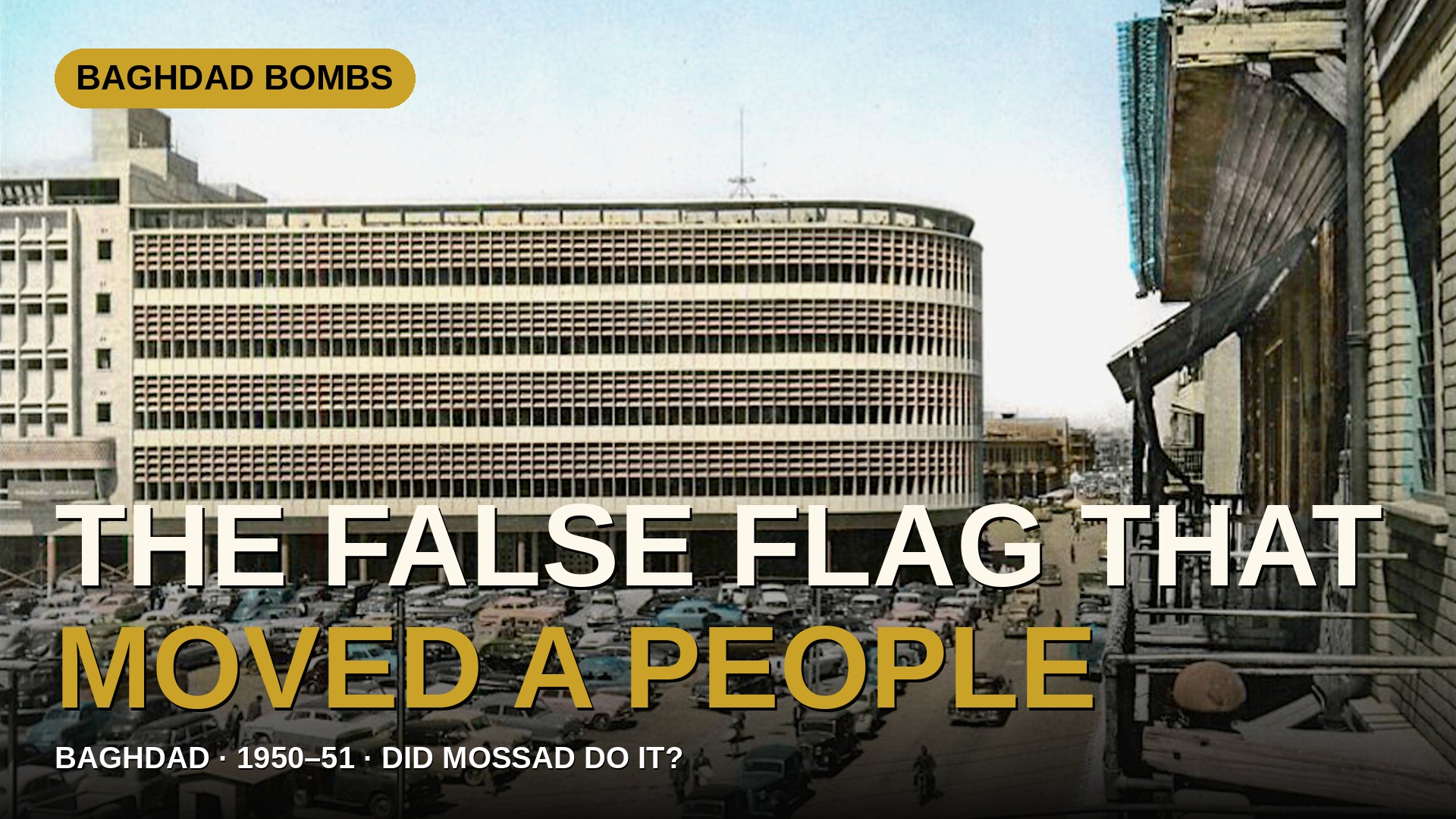
Between April 1950 and the summer of 1951, a series of bombs and grenades went off at Jewish targets in Baghdad.
One of them, thrown into a synagogue courtyard crowded with families, killed four people. Within two years, almost the entire Jewish community of Iraq — one of the oldest in the world, around 120,000 people — had left for Israel.
Seventy-five years later, the argument over who threw those grenades is still not finished.
A new documentary, Baghdad Files, directed by Avida Livni and broadcast on Israel’s Kan 11 after screening at the Haifa Film Festival, has dragged the question back into the open: were the bombs the work of Iraqi nationalists who wanted the Jews out — or were they planted by Israel’s own emissaries, to frighten the Jews into leaving?
It is one of the most explosive allegations in Israeli history, and it needs handling with care. Real people died in these attacks. Real families lost a homeland. What follows is what the evidence actually supports, what it does not, and why serious historians still line up on opposite sides.
An Ancient Community, a Sudden Exodus
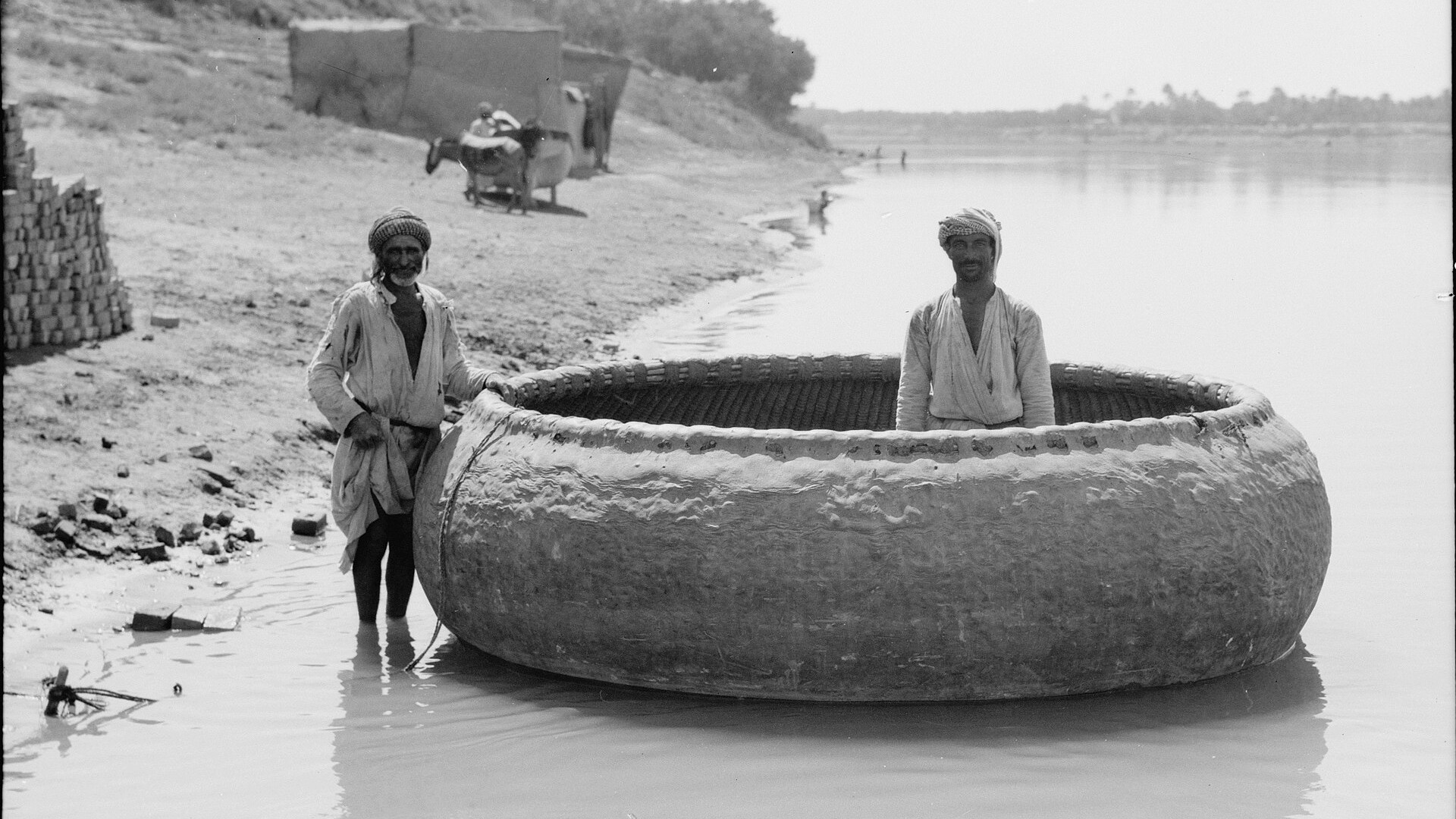
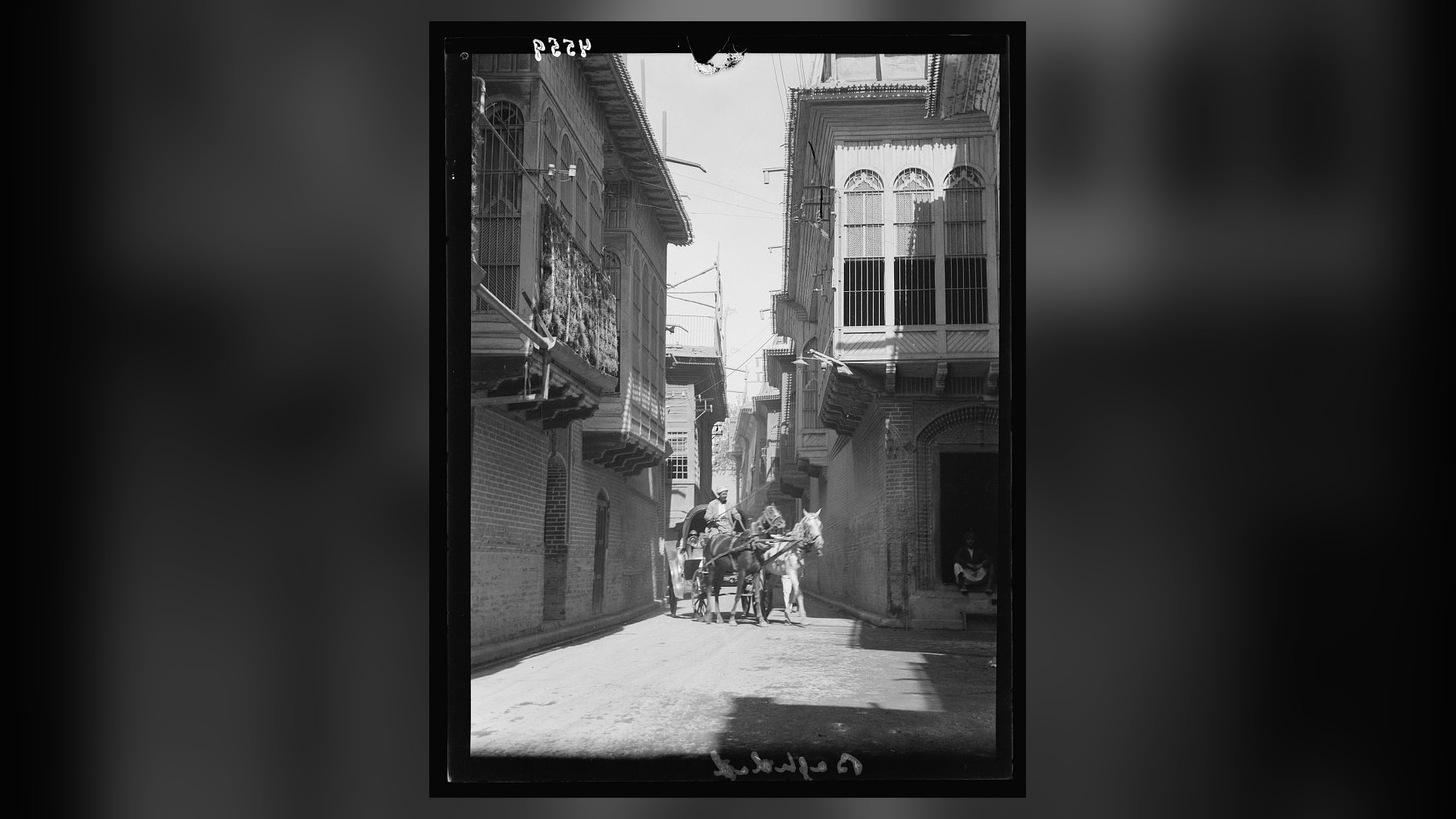
To understand the bombs, you have to understand what was at stake. Jews had lived in Mesopotamia since the Babylonian exile — for roughly two and a half thousand years. By the 1940s, Baghdad was perhaps a quarter Jewish. Jews were woven into the city’s commerce, music, medicine and civil service.
The position had been deteriorating for a decade. In June 1941, the Farhud — a two-day pogrom in Baghdad — left around 180 Jews dead. After Israel’s founding in 1948, Iraq criminalised Zionism, dismissed Jews from public jobs and froze assets.
Then, in March 1950, Iraq passed a law allowing Jews to emigrate if they renounced their citizenship and left their property behind. The door was open for one year only.
At first, surprisingly few walked through it. Many Iraqi Jews were hesitant — unsure the offer was genuine, reluctant to abandon homes and businesses for an unknown future. Registration was slow. Then the bombs started, and the mood changed.
Between April 1950 and June 1951 there were five attacks on Jewish targets: a grenade at the al-Baidha café, an attack on a Jewish-owned car showroom, a grenade in a Jewish neighbourhood, the synagogue bombing, and further incidents in the spring and summer of 1951.
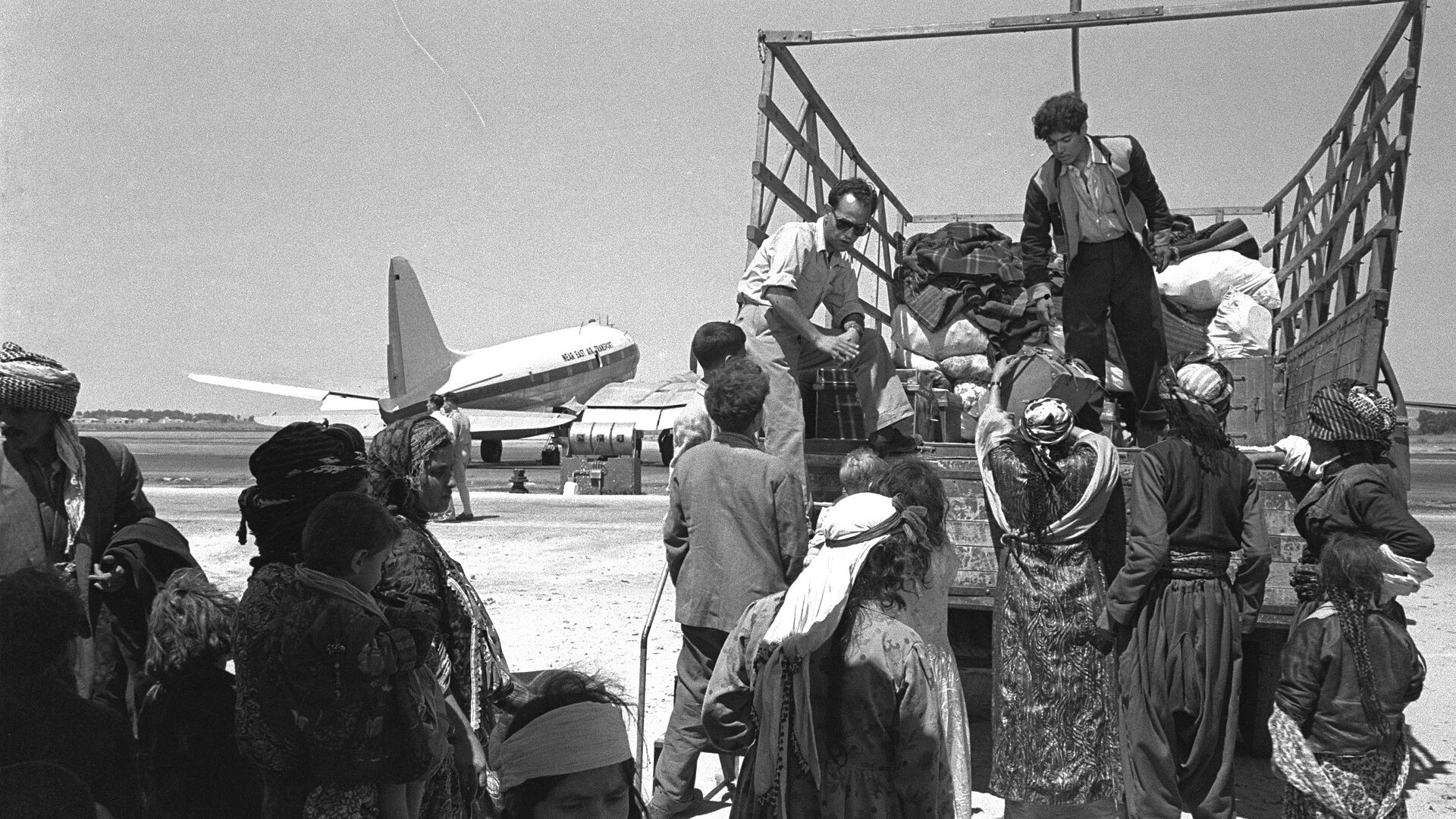
Under Operation Ezra and Nehemiah, Israel airlifted roughly 120,000 Iraqi Jews out of the country. A community that had survived empires was gone in about two years.
The Claim: Bombs to Force a People Home
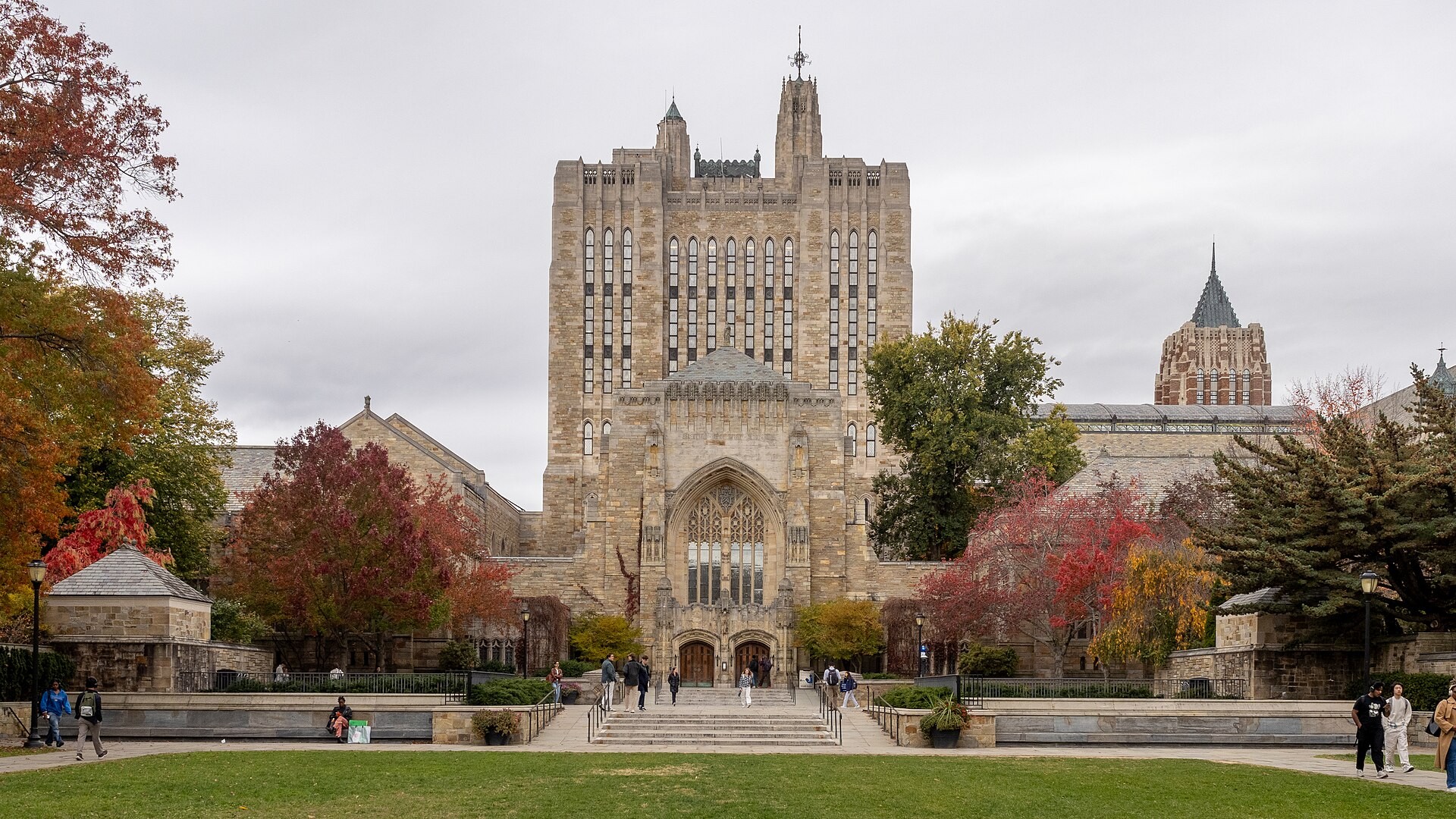
The allegation at the heart of Baghdad Files is not new, and the film’s engine is an archive. The papers of Israeli journalist Baruch Nadel sat for decades at Yale University, largely unnoticed.
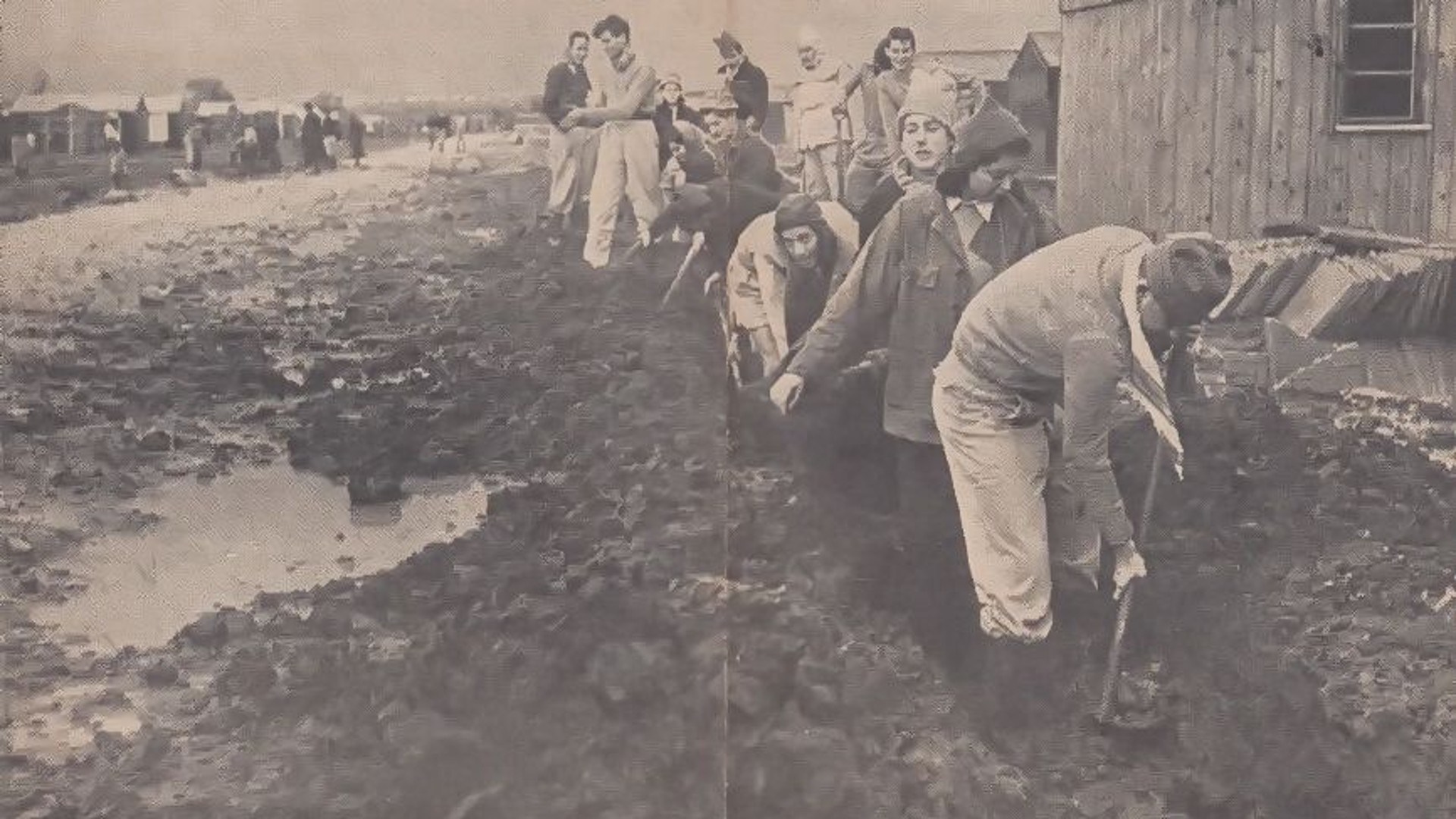
Nadel, a former member of the pre-state Lehi underground who wrote for major Israeli papers, spent time in the 1950s in the ma’abarot — the transit camps where new immigrants from Iraq were housed in tents and shacks, in conditions many found humiliating.
There, Nadel conducted 117 interviews with Iraqi Jewish immigrants.
Again and again, he heard the same bitter claim: that the bombs in Baghdad had been thrown not by Iraqis, but by the emissaries of the Zionist movement itself — men working to organise the emigration — in order to panic a hesitant community into registering to leave.
Nadel published his accusation in an interview in April 1977, naming the Israeli emissaries as responsible for the bombs. It is important to be precise about what his evidence was.
The interviews recorded what immigrants believed and had heard; they captured genuine anger and a widely held suspicion within the community. What they did not produce, as even sympathetic readers concede, was concrete proof — a witness to an emissary planting a bomb, a document, an order.
It is also true that the suspicion did not attach to a fantasy. The Zionist underground in Iraq was real. It ran escape routes, forged documents and stockpiled weapons — when Iraqi police rolled it up in 1951, they found caches that included hundreds of grenades hidden in synagogues and private homes.
A movement that demonstrably operated in secret, in the same streets, in the same months, is a far more plausible suspect in the public imagination than one invented from nothing. The underground’s existence proves capability. What it has never been shown to prove is the act itself.
The documentary revives Nadel’s material and asks why the question has never been officially closed. Its strongest point is institutional: Israel has never published the conclusions of its internal inquiries into the affair.
For the film-makers, and for many Iraqi Jews, that silence is itself a kind of evidence. If the answer were simple, why not release it?
The Counterevidence: A Libel Trial, a Timeline, and Another Suspect
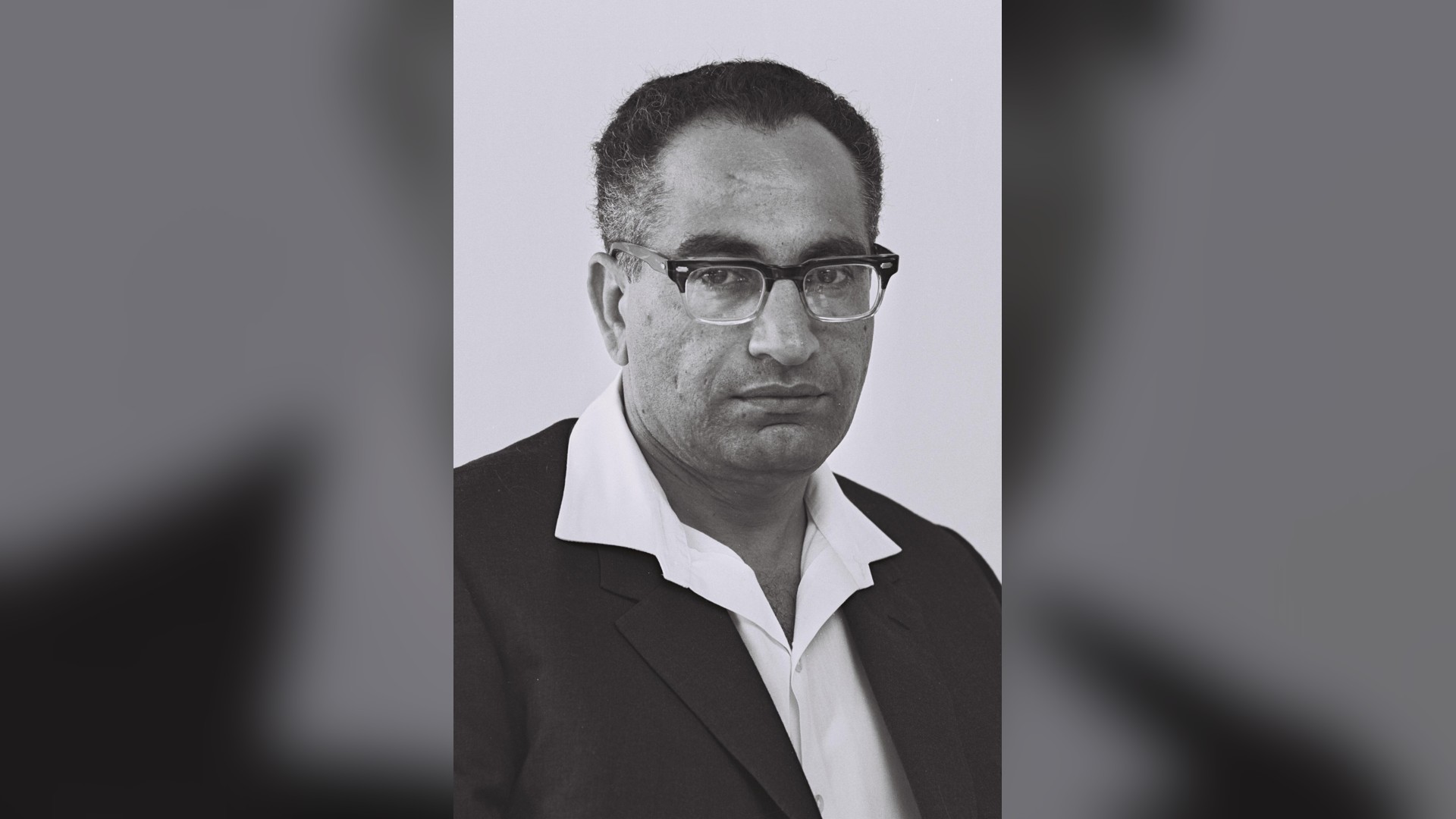
The case against the Mossad theory is substantial, and it starts in a courtroom. Mordechai Ben-Porat was the senior emissary running the emigration operation in Iraq — the man Nadel’s accusation pointed at. He sued Nadel for libel. Ben-Porat won. Nadel was forced to apologise and retract.
A libel verdict does not settle history, and courts decide on the evidence put before them.
But it matters that the central journalistic accusation of the affair was tested in court and failed, and that Ben-Porat spent decades — he had already sued over similar claims in the 1960s — denying the charge without any document surfacing to contradict him.
Israel’s government, including a Mossad-led internal inquiry, has consistently denied involvement too, even after 2005, when it admitted the Lavon Affair — a genuine Israeli false-flag operation in Egypt. The state has shown it can confess to a false flag. On Baghdad, it has never budged.
Then there is the timeline, which is the theory’s biggest problem. By the time of the deadliest attack — the grenade at the Masouda Shemtov synagogue on 14 January 1951, which killed four people, among them a boy of twelve, and wounded many more — some 90,000 Iraqi Jews had already registered to leave.
The exodus the bombs were supposedly meant to trigger was already overwhelming. Worse for the theory, the synagogue was itself being used as a registration centre for emigrants: the crowd that day was there precisely because its members had already decided to go.
Three further incidents came in May, June and July 1951 — after the registration deadline had expired on 9 March 1951. Bombs thrown after the door had closed cannot have been meant to push people through it.
Finally, there is another suspect with a clearer motive. The evidence available points to Iraqi nationalists — particularly members of the Istiqlal Party — behind at least the first attacks.
An Istiqlal member later confessed to an Iraqi historian that the party planned the April 1950 café bombing to pressure Jews into leaving; Iraqi nationalists wanted the community gone and were impatient with the slow pace of the airlift, which had moved only around 26,000 people by early 1951.
Even the Iraqi trial that followed the bombings cuts against a simple story: two Zionist underground activists, Yosef Basri and Shalom Salah Shalom, were convicted and executed in January 1952 after a trial widely regarded as a show trial, based on confessions extracted under torture — and even that court did not charge them with the fatal synagogue bombing.
Their convictions covered the later incidents, and both men denied the bombings to the end.
The Historians’ Split: Morris Against Shlaim
If the evidence leans one way, why does the argument refuse to die? Partly because of who is making it.
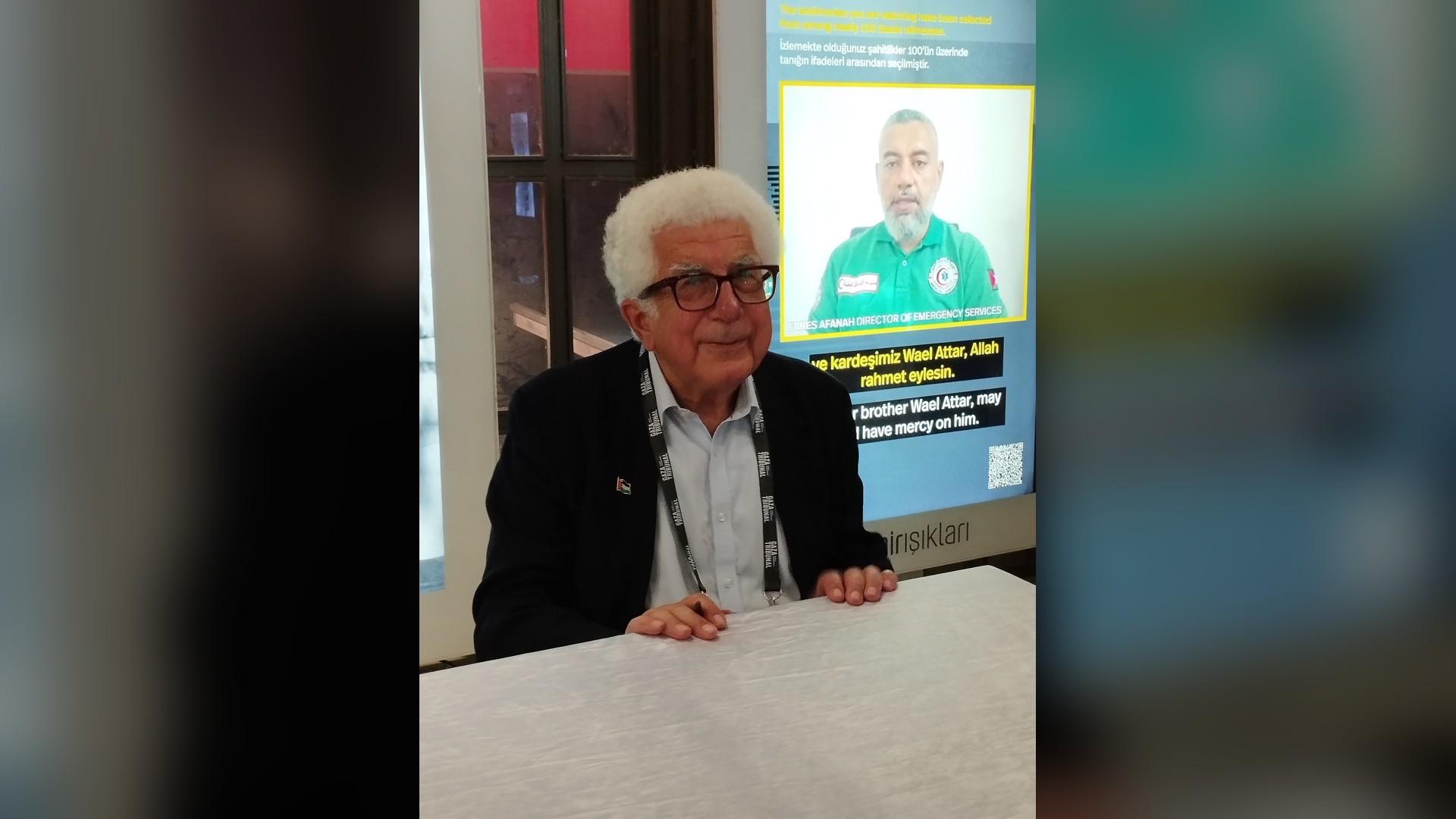
The claim’s most prominent academic defender is Avi Shlaim, emeritus professor at Oxford, one of Israel’s “New Historians” — and himself an Iraqi Jew, born in Baghdad in 1945, whose family left in the exodus he writes about.
In his 2023 memoir Three Worlds: Memoirs of an Arab-Jew, Shlaim argues that three of the five bombings were instigated by the Zionist underground in Iraq, acting for Mossad, to accelerate the community’s departure.
His evidence includes the testimony of Yaakov Kuli, a veteran of the underground and a friend of his mother’s, who described the movement’s clandestine work — forging documents, paying bribes, and, Shlaim argues, organising the bombs.
Shlaim calls his material undeniable proof of Zionist involvement. He does not deny that Iraqi Jews faced real persecution; he argues the bombs were an additional, deliberate push.
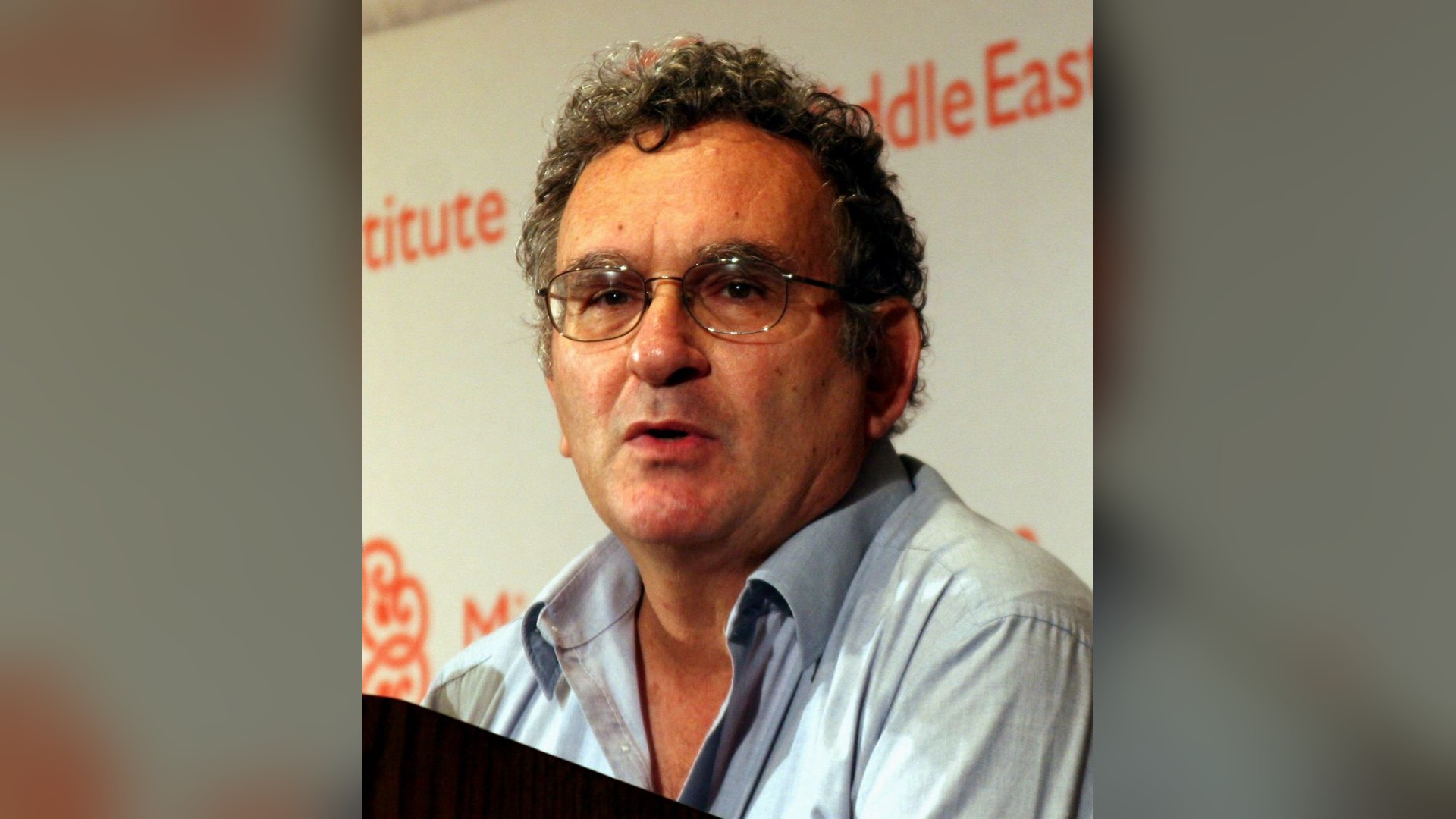
On the other side stands Benny Morris, Shlaim’s fellow New Historian and frequent sparring partner.
In Israel’s Secret Wars, written with Ian Black, Morris examined the affair and found no evidence that Israel or its emissaries planted the bombs; he has repeatedly described the Mossad theory as unsupported, and he panned Three Worlds, accusing Shlaim of letting a political argument outrun the record.
Other historians, including Tom Segev, have attributed the synagogue bombing to the Istiqlal Party as well.
Note what the split is really about. It is not between documents and fantasy. It is between two readings of incomplete evidence — a community’s testimony and an insider’s late confession on one side; court records, timelines and the absence of any paper trail on the other.
Shlaim’s critics add that the Iraqi Jews Nadel interviewed had every human reason to blame Israel: they had arrived to tents, poverty and discrimination, and betrayal explained their suffering better than chance did.
Shlaim’s supporters answer that dismissing an entire community’s conviction as bitterness is its own kind of arrogance.
The Verdict
Some elements of this story are not in dispute. The bombs were real. Four people died at the Masouda Shemtov synagogue, and their names matter more than any theory built on top of them.
The exodus was real: roughly 120,000 people left a homeland of twenty-five centuries in about two years, under pressure that included genuine persecution, a citizenship-stripping law and a climate of fear the bombs intensified whoever threw them.
What the record does not contain is proof of who threw the fatal grenade.
Against the Mossad theory stand a lost libel case, a registration timeline that removes the motive before the worst attack, bombs that continued after the deadline had passed, an alternative suspect with a confessed role in the first bombing, and the fact that even Iraq’s own show trial did not pin the synagogue attack on the Zionist underground.
For the theory stand the conviction of much of the Iraqi Jewish community itself, Nadel’s interviews, Shlaim’s insider testimony — and Israel’s refusal to publish its internal inquiries, a silence that functions like the missing files in our MKUltra investigation: an absence that keeps every suspicion alive.
That parallel is the real lesson. As with the Hall of Records, a withheld document does not prove the worst interpretation — but it guarantees the question will outlive everyone who could have answered it.
Verdict: Unresolved. The weight of the available evidence points away from Mossad and toward Iraqi nationalists for the attacks that can be traced at all, and the strongest version of the claim — that Israel bombed the synagogue to trigger the exodus — collapses against the timeline. But no perpetrator for the fatal bombing has ever been proven, the official inquiries remain unpublished, and a community that lived through it largely believes otherwise. On a question with real graves attached, “unresolved” is not a shrug. It is the honest answer.
Frequently Asked Questions
Did Mossad bomb Iraqi Jews?
There is no proven evidence that it did. The allegation rests on journalist Baruch Nadel’s 1950s interviews with Iraqi immigrants and, more recently, on historian Avi Shlaim’s reading of insider testimony. Against it stand a libel verdict, the registration timeline and evidence implicating Iraqi nationalists. Israel has always denied it.
Why does the claim persist?
Because every ingredient for permanence is present: real bombs, real deaths, a community that largely believed it was betrayed, a charismatic academic defender in Avi Shlaim, and an Israeli refusal to publish its internal inquiries, which leaves the official record permanently incomplete.
What does the 2026 documentary add?
Avida Livni’s Baghdad Files, broadcast on Kan 11, brings Baruch Nadel’s archived papers — including his 117 interviews with Iraqi Jewish immigrants — to a wide audience for the first time. It revives and humanises the allegation, but it does not present new conclusive evidence of who threw the bombs.
What happened to the men Iraq executed for the bombings?
Zionist underground activists Yosef Basri and Shalom Salah Shalom were convicted in a 1951 trial based on confessions obtained under torture, and executed in January 1952. Significantly, they were not charged with the fatal Masouda Shemtov synagogue bombing, and both denied involvement in the bombings.
How many Iraqi Jews left in the exodus?
Roughly 120,000 — nearly the entire community — emigrated to Israel under Operation Ezra and Nehemiah in 1950–52, renouncing their Iraqi citizenship and leaving most of their property behind, as the 1950 emigration law required.
Join the Conversation
The historians are split, the files are unpublished, and the community that lived it has mostly made up its mind. Where do you land — does the timeline settle it for you, or does Israel’s silence about its own inquiries speak louder?
Read Next
MKUltra: The CIA’s Real Mind Control Program—and the Files They Destroyed
The Hall of Records: Did the CIA Find a Hidden Temple Beneath the Sphinx?
