
On 20 November 2026, the Pentagon published its eighth batch of UFO files — 43 records, released under the Presidential Unsealing and Reporting System for UAP Encounters. Most of the headlines went to radar data and pilot videos. The strangest document in the pile was not a sighting at all. It was a building plan.
Bundled into the release was a 538-page report written in July 2009 by Bigelow Aerospace Advanced Space Studies, a private contractor working for the Defense Intelligence Agency.
Buried in its pages is a design for an underground vault: 5,000 square feet of storage space, sunk 15 to 20 feet beneath a site in North Las Vegas, wrapped in concrete three feet thick, reached through a tunnel and a heavy steel door, with everything above ground camouflaged.
The vault was not designed for documents. According to the report, it was designed for “exotic material or tissue” — hardware and biological samples the company hoped to collect from private individuals, companies and research groups, including sources in Brazil.
Read that again. A Pentagon contractor drew up plans for a buried, guarded vault to store material it described as exotic, from sources it did not fully name, in a report the government kept from the public for seventeen years.
Whether anything was ever put inside it is another question entirely — and it is the question this whole story turns on, from the first page to the last.
The BAASS Report: A Contractor Hired to Chase the Impossible
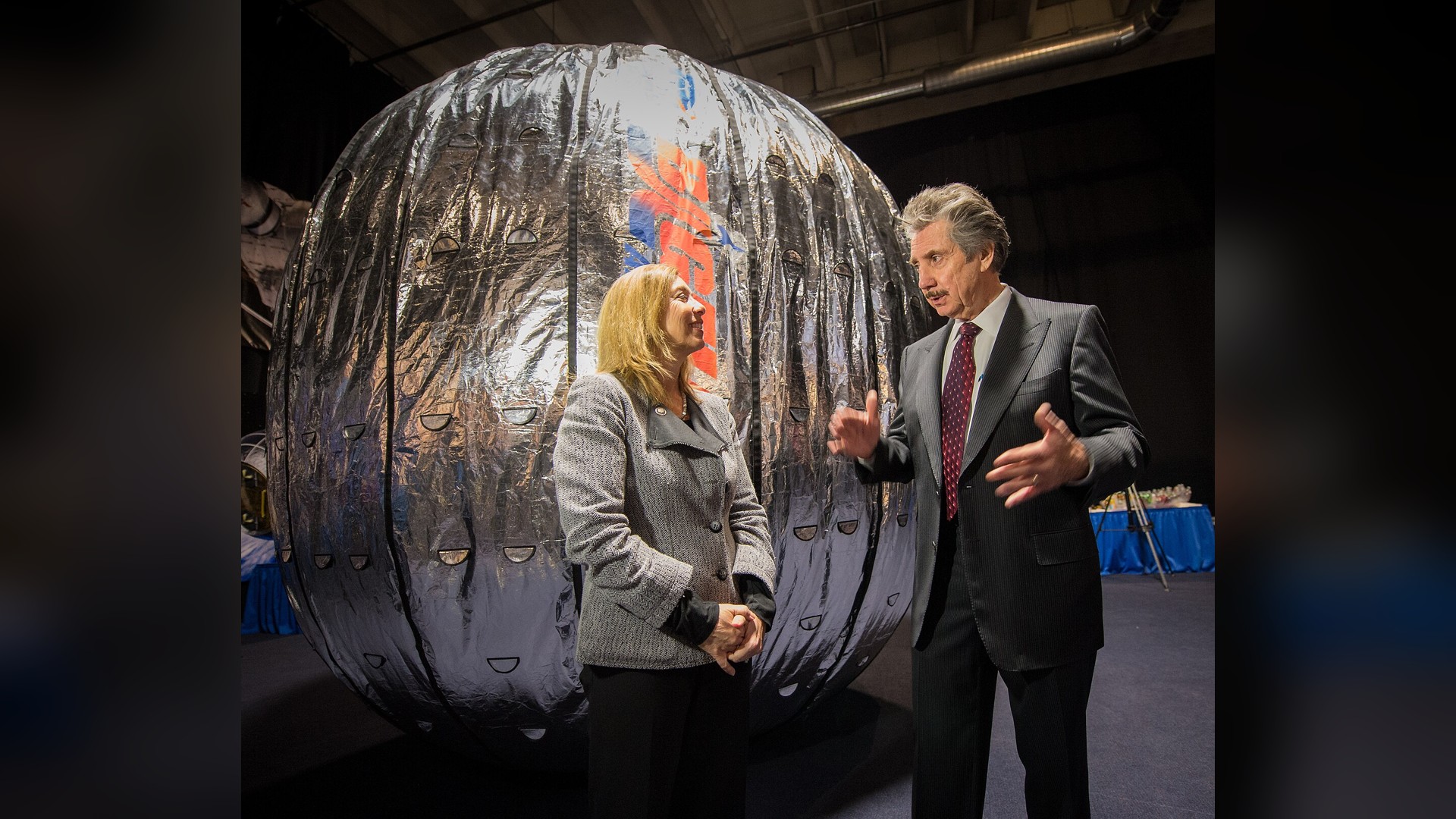
To understand the vault, you have to understand who wanted it built. BAASS was the research arm of Bigelow Aerospace, the company founded by Las Vegas businessman Robert Bigelow — a hotel and aerospace magnate who has spent decades, and a considerable fortune, pursuing the UFO question.
In September 2008, BAASS won a Defense Intelligence Agency contract under a programme called AAWSAP — the Advanced Aerospace Weapon System Applications Program.
The programme was funded with roughly $22 million of congressional money, championed by then Senate Majority Leader Harry Reid of Nevada, and tasked with studying foreign aerospace threats decades into the future. BAASS was the only bidder.
By mid-2009 it had around 47 full-time employees working on everything from sighting reports to theoretical physics.
The 538-page document in the November release is BAASS’s “Ten Month Report,” delivered to the DIA in July 2009, summarising its first ten months of work. Much of it is mundane contractor prose. But two threads stand out.
First, BAASS made acquiring “recovered hardware and biological samples” a stated priority — from businesses, private individuals and groups abroad, Brazil among them.
Second, it asked the DIA to designate its work a special access program, a security category stricter than ordinary classification, arguing that the status would help it approach aerospace contractors it believed were holding hardware and biological samples of their own. The DIA later refused that request.
The company’s forward plans were blunter still. Among its stated aims for 2010 was a search for “EBE tissue samples” — EBE being the old UFO-literature shorthand for “extraterrestrial biological entity.”
That is the language of a contractor that expected, or at least wanted its customer to believe it expected, to get its hands on something that was not supposed to exist.
Day to day, BAASS’s work ranged wider than the vault.
Its investigators chased sighting reports across the United States, built databases of cases, and studied locations where strange phenomena were reported again and again — most famously Skinwalker Ranch in Utah, a property Bigelow himself had owned since the 1990s, where AAWSAP-funded researchers documented episodes they could not explain.
The programme stayed secret until December 2017, when the New York Times revealed its existence to the public and Reid confirmed he had championed it. By then it had been dead for five years. What the public got in 2017 was the programme’s outline.
What it got in November 2026 was the paperwork — including the parts nobody had briefed to journalists.
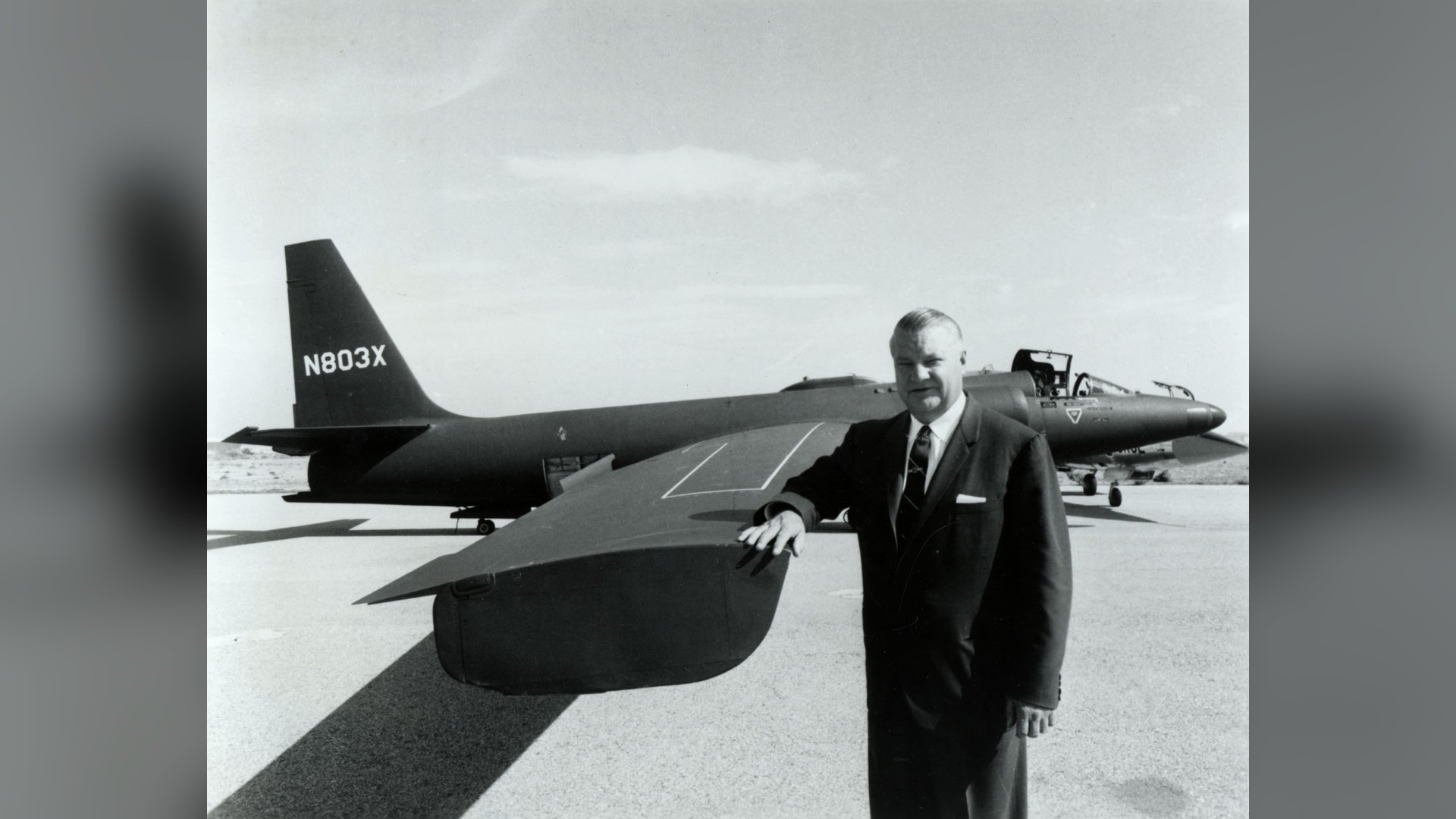
The same November release shows what else the government has been sitting on. It includes the 1953 sighting report of Clarence “Kelly” Johnson, Lockheed’s legendary chief engineer — the man who would go on to design the U-2 and SR-71 spy planes.
On 16 December 1953, Johnson watched a dark, elliptical object hang motionless over the coast near his ranch at Agoura, California, then climb away and vanish. A Lockheed test crew in the air at the same moment saw the same thing. Johnson wrote that he was “more firmly convinced than ever that such devices exist.”
Project Blue Book filed his report under a two-word explanation: lenticular cloud.
Three Feet of Concrete: The Vault Specifications
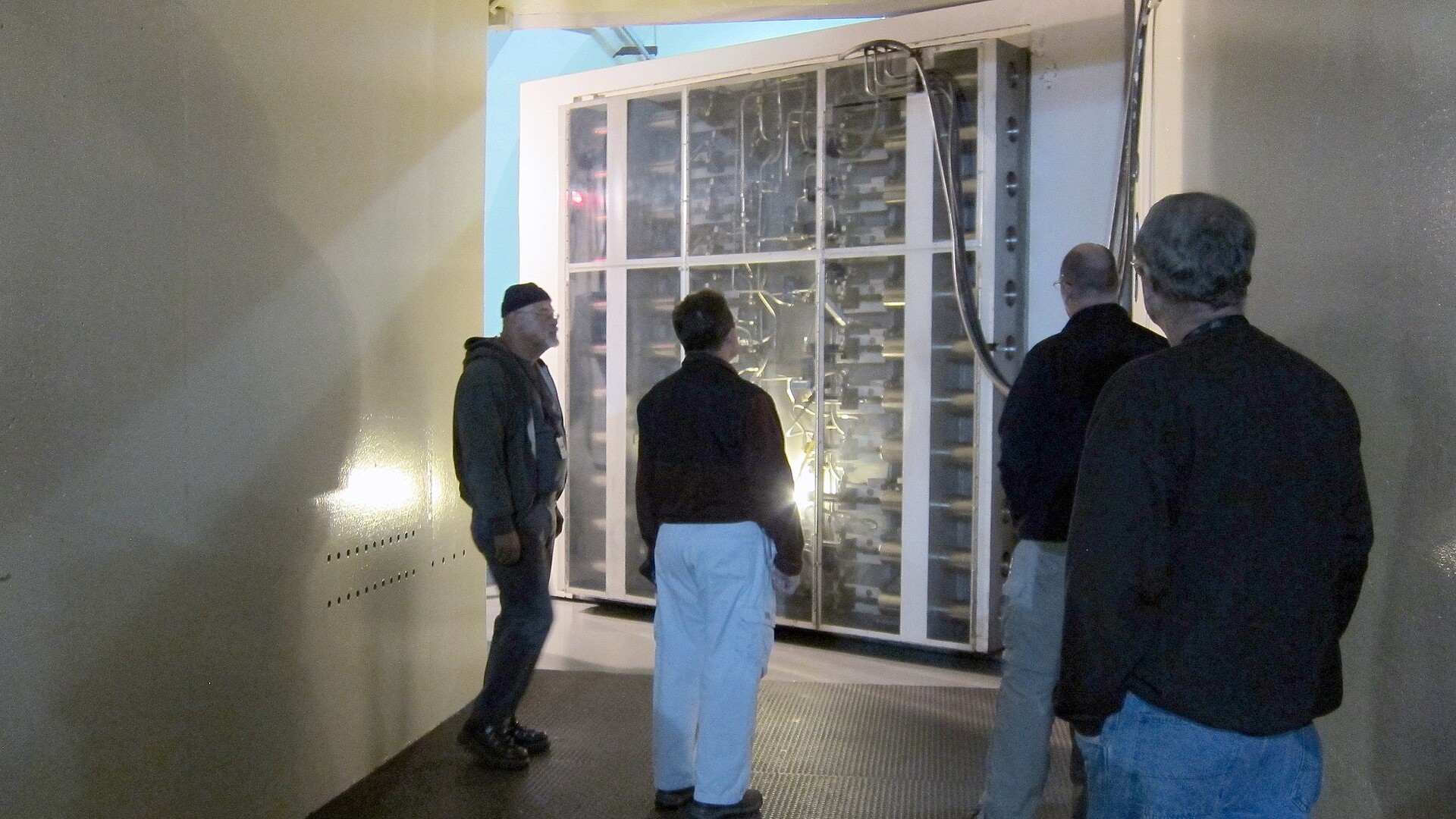
The vault itself appears in the report almost as an aside, which somehow makes it more unsettling.
In May 2009, a BAASS administrator noted a practical problem: the organisation had made collecting exotic material a priority, but it had nowhere secure enough to keep “exotic material or tissue” if any of it actually arrived. So the company designed somewhere.
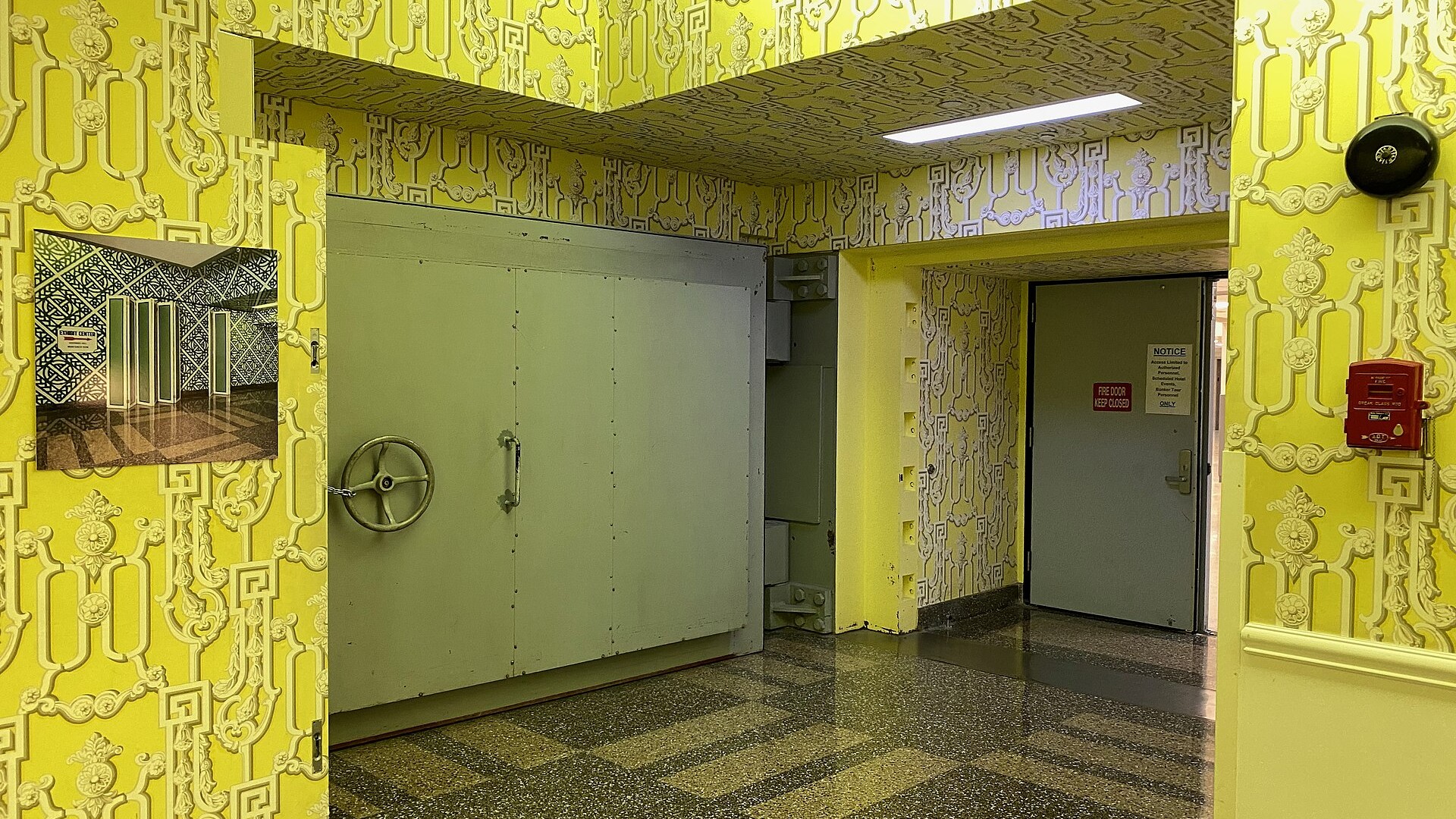
The specifications read less like a storage unit and more like a bunker. The vault would sit beneath 15 to 20 feet of earth at the Bigelow Aerospace site in North Las Vegas. It would offer 5,000 square feet of storage. Its walls, ceiling and floor would each be three feet of concrete.
Access would run through a concrete tunnel fitted with several security doors, at least one of them a heavy steel vault door. Anything that had to protrude above ground would be, in the report’s own words, “extensively camouflaged.”
And the vault would not have been the site’s only protection. The report notes that the North Las Vegas property was already ringed with razor wire and surveillance cameras and guarded around the clock by armed personnel drawn from serving and retired military members.
This was a facility that already behaved like a secure installation, proposing to bury its most sensitive room underground.
Think about what each element is for. Depth defeats casual excavation and most forms of remote snooping. Three feet of concrete defeats forced entry and contains whatever might need containing. A tunnel with multiple doors creates checkpoints — no single breach gets you to the material.
Camouflage defeats the cheapest surveillance tool of the modern age: a satellite photograph, or a journalist with a drone, noticing that a warehouse in Nevada has grown a suspicious new mound. Every specification answers a specific fear. Whoever drafted them was not decorating a proposal.
They were thinking, in detail, about how someone might try to get in — or how something might need to not get out.
Why do the specifications matter so much? Because paper is cheap and concrete is not. Governments and contractors write speculative reports constantly; almost none of them progress to engineered designs with dimensions, depths and door schedules.
BAASS expected the vault to be ready by late 2009 or early 2010, pending building permits, and promised the DIA fuller details in its August 2009 monthly report.
That August report is not among the released files. Which means the paper trail stops at exactly the moment it would tell us whether the vault went from drawing to dirt.
What the Document Does Not Say
Here is where honesty has to do some work, because the gap between what this document proves and what it suggests is the entire story.
The report describes a proposed facility and anticipated acquisitions. It does not establish that BAASS ever recovered extraterrestrial material — or any exotic material at all. It does not establish that the vault was built.
No public record confirms its construction, and the later BAASS reports the Pentagon has released do not mention the facility again. A plan to store something is evidence of intent, not of inventory.
The timeline also argues for restraint. The AAWSAP programme wound down and ended in 2012. Bigelow Aerospace laid off its entire workforce in 2020.
If a camouflaged vault full of exotic tissue ever existed under North Las Vegas, its custodian company has effectively ceased to operate — and nobody, in all the years of leaks and whistleblower claims since, has produced a photograph, a permit record or a floor plan of the finished thing.
There is also a plainer reading, and it deserves air. Contractors write ambitious proposals because ambitious proposals win follow-on funding. A vault for material you might one day acquire is, among other things, a budget line — a reason for the DIA to keep paying.
BAASS’s request for special access status was refused, its parent programme was allowed to die, and its boldest plans may simply have been the salesmanship of a company whose business was the unexplained.
The report cannot tell us whether we are reading the blueprint of a secret, or the pitch deck of a believer with a government contract. Both readings fit every fact in the file.
Context matters too. A copy of the Ten Month Report had already circulated online before the November release; what changed is that the Pentagon has now published it officially, with its own stamp of authenticity on the document’s existence — not on the claims inside it.
The government has confirmed the report is real. It has not confirmed a single thing the report hoped for.
And then there is Brazil. The report lists Brazil, in passing, as one of the places BAASS hoped to source material from. It does not say why, or from whom.
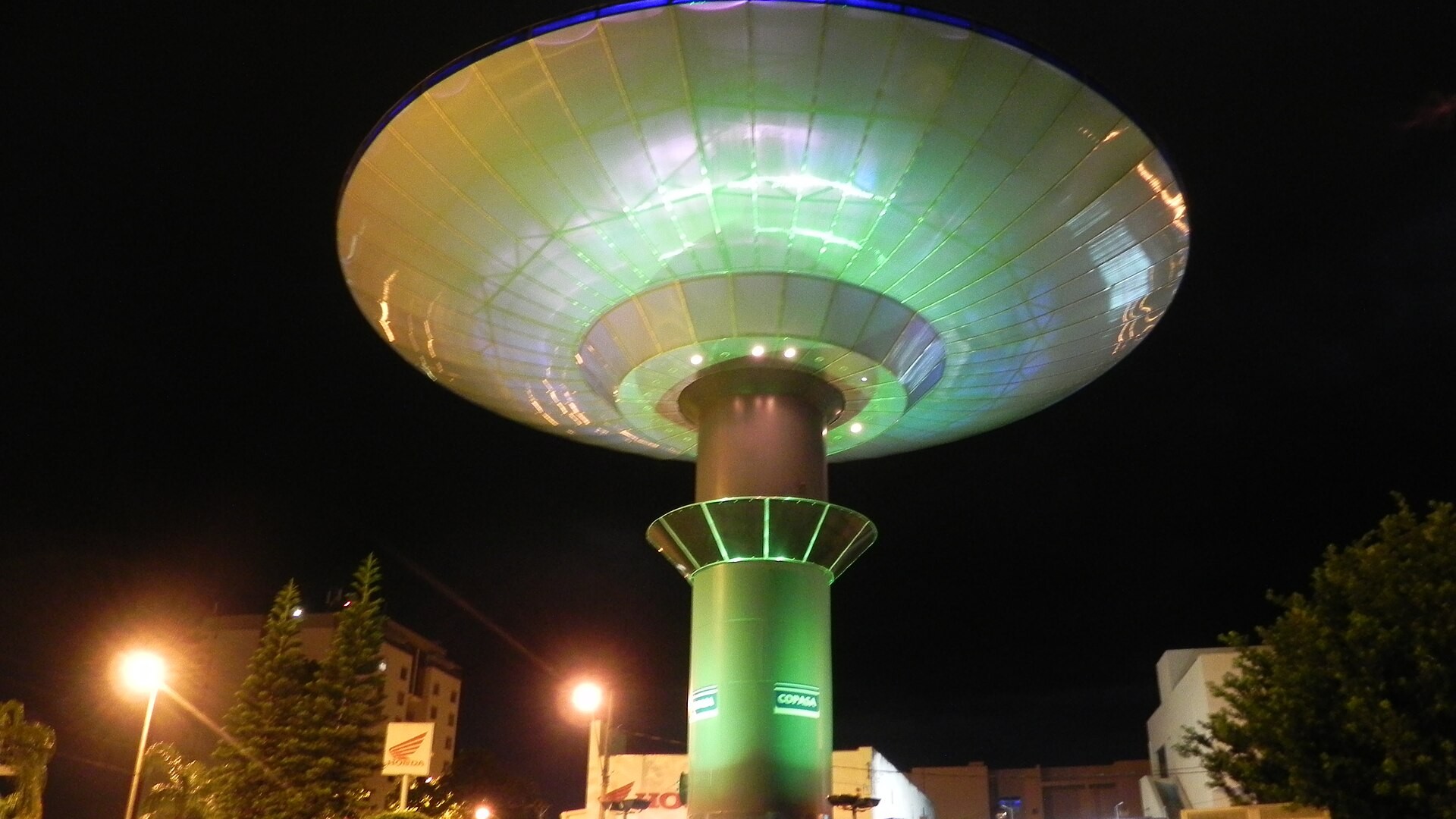
But anyone who knows the UFO literature knows exactly which Brazilian case involves alleged recovered creatures and a military cordon: the 1996 Varginha incident, where witnesses described a strange being and the Brazilian military has denied everything ever since — a case we examine in our look at Varginha, Brazil’s Roswell.
The report never names it. It does not have to. The reader connects the dot, and the dot stays connected whether it should or not.
The Verdict
So what do we actually have?
We have a genuine government-released document in which a Pentagon contractor, funded with $22 million of public money, designed a buried vault for “exotic material or tissue,” asked for special access status to approach other contractors it believed held similar material, and listed the search for extraterrestrial tissue among its plans for the following year.
We do not have the vault. We do not have the material. We do not have the follow-up report that would tell us whether the concrete was ever poured. We have a specification, an intention, and a silence where the confirmation should be.
That combination — a real document, an extraordinary implication, and a missing sequel — is the most durable fuel a conspiracy story can run on.
The MJ-12 papers built a forty-year legend on less, as our investigation of the Majestic-12 documents shows. The BAASS report has one advantage those papers never had: the Pentagon published this one itself.
Verdict: Unresolved. The proposal is real and now officially released. The vault’s construction is unconfirmed, and there is no evidence any exotic material was ever stored anywhere. But a contractor to the Defense Intelligence Agency designed three-foot walls to protect something it called exotic tissue — and the file that would tell us what happened next is not in the release. Until it is, the vault stays exactly where BAASS left it: underground, on paper, and impossible to close.
Frequently Asked Questions
Was the Pentagon’s UFO vault ever built?
It is unconfirmed. The July 2009 BAASS report proposed the vault and expected it ready by late 2009 or early 2010, but no public record confirms construction, later released BAASS reports never mention it again, and the August 2009 follow-up report that promised details has not been released.
What does “exotic material” mean in the BAASS report?
The document never defines it. BAASS used the phrase “exotic material or tissue” for the hardware and biological samples it hoped to acquire from private individuals, companies and groups, and its 2010 plans included a search for “EBE” — extraterrestrial biological entity — tissue samples.
Why does the report mention Brazil?
The report lists Brazil among the overseas sources BAASS hoped to obtain hardware and biological samples from, without explaining why. Brazil is home to the 1996 Varginha incident, the country’s most famous alleged creature-recovery case, though the report does not name it.
Who is Robert Bigelow, and what was AAWSAP?
Robert Bigelow is the Las Vegas businessman who founded Bigelow Aerospace and its research arm, BAASS. AAWSAP — the Advanced Aerospace Weapon System Applications Program — was a Defense Intelligence Agency programme funded with roughly $22 million at Senator Harry Reid’s urging; BAASS won its contract in 2008 and ran the work until the programme ended in 2012.
What else was in the November 2026 Pentagon UFO release?
The eighth batch of files contained 43 records, including 2023 radar data showing eight detections in 84 seconds at 55,000 to 70,000 feet, three videos submitted to the Pentagon’s anomaly office, and historical files — among them Kelly Johnson’s 1953 sighting report, which the Air Force had classified as a lenticular cloud.
Join the Conversation
If the vault was only ever a drawing, why did a Pentagon contractor need three feet of concrete and camouflage to store nothing — tell us what you think happened in North Las Vegas in the comments.
Read Next
Varginha: The UFO Incident That Brazil’s Military Says Never Happened
The Majestic-12 Documents: The FBI Says They Are Fake. The Filing Numbers Say Otherwise.
