
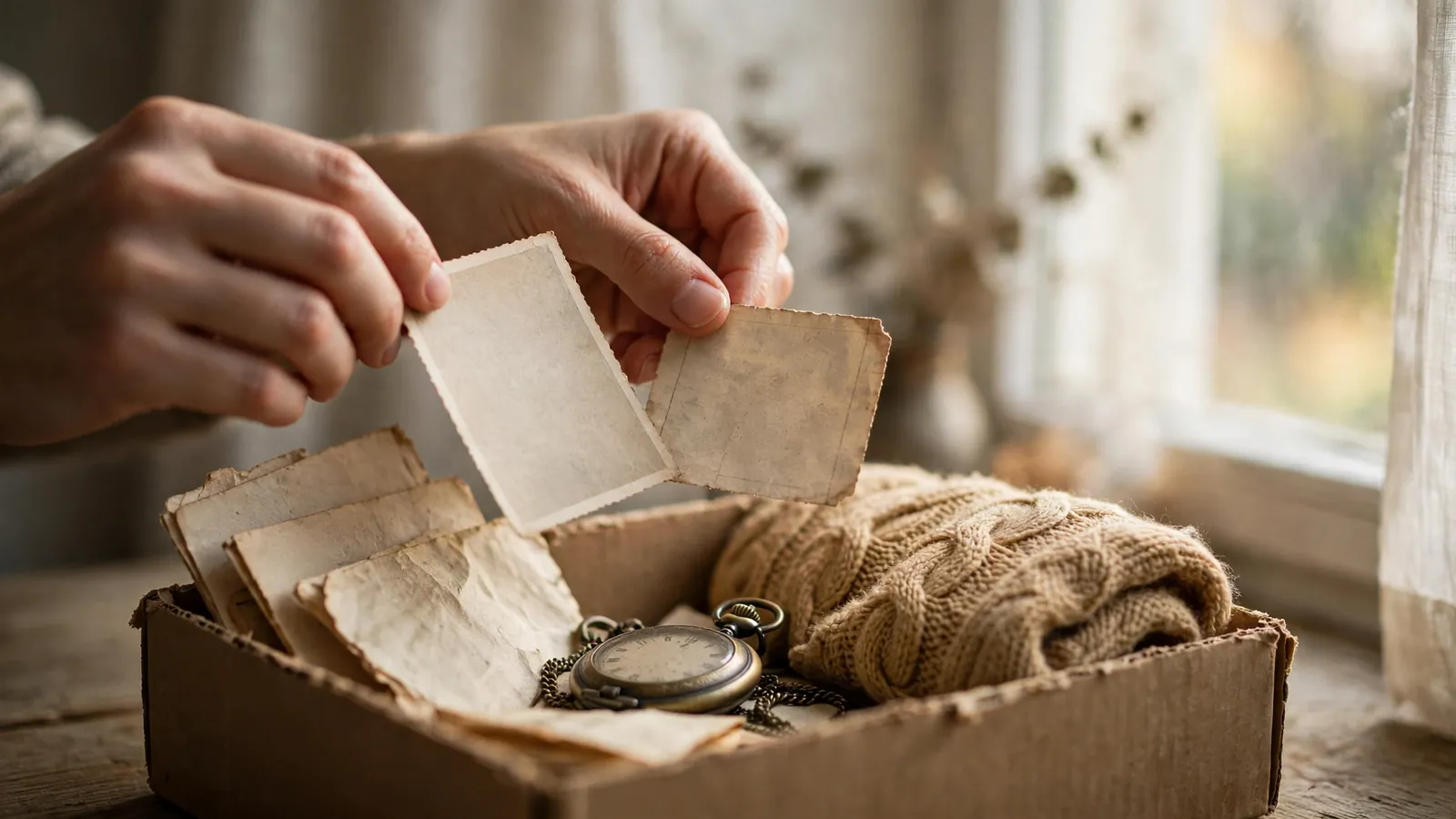
Somewhere in your home there is probably a box, a drawer or a shelf holding things no stranger would look at twice: a concert ticket from years ago, a chipped mug, a scarf that belonged to your grandmother, a phone so old it no longer switches on. By any practical measure they are worthless.
You could replace most of them with newer, better versions today — and the thought probably makes you slightly uncomfortable. That discomfort is not irrationality. Psychologists who study our relationship with possessions have found that objects quietly take on jobs far beyond their function.
They become part of how we define ourselves, portable pieces of our own history, and sometimes the closest thing we have to holding on to people and periods of life that are gone.
Contents
- The object is never just an object
- Old things are memory you can hold
- Once it is yours, it is worth more
- Why the original feels irreplaceable
- Holding on to things, holding on to people
- When attachment is healthy — and when it is not
- Letting go of things without losing the memories
- Frequently asked questions
- Conclusion
The object is never just an object
In 1988, consumer researcher Russell Belk published one of the most influential papers in his field, arguing that our possessions form part of what he called the “extended self.” His claim was simple: knowingly or not, we treat many of the things we own as parts of who we are.
They record where we have been, signal what we value, and help us tell the story of ourselves — to other people, and to ourselves.
That is why losing possessions in a burglary, a fire or a flood so often feels like more than a financial loss. People describe it as losing a piece of their past, and Belk argued that this reaction makes sense if the objects genuinely were carrying part of their identity.
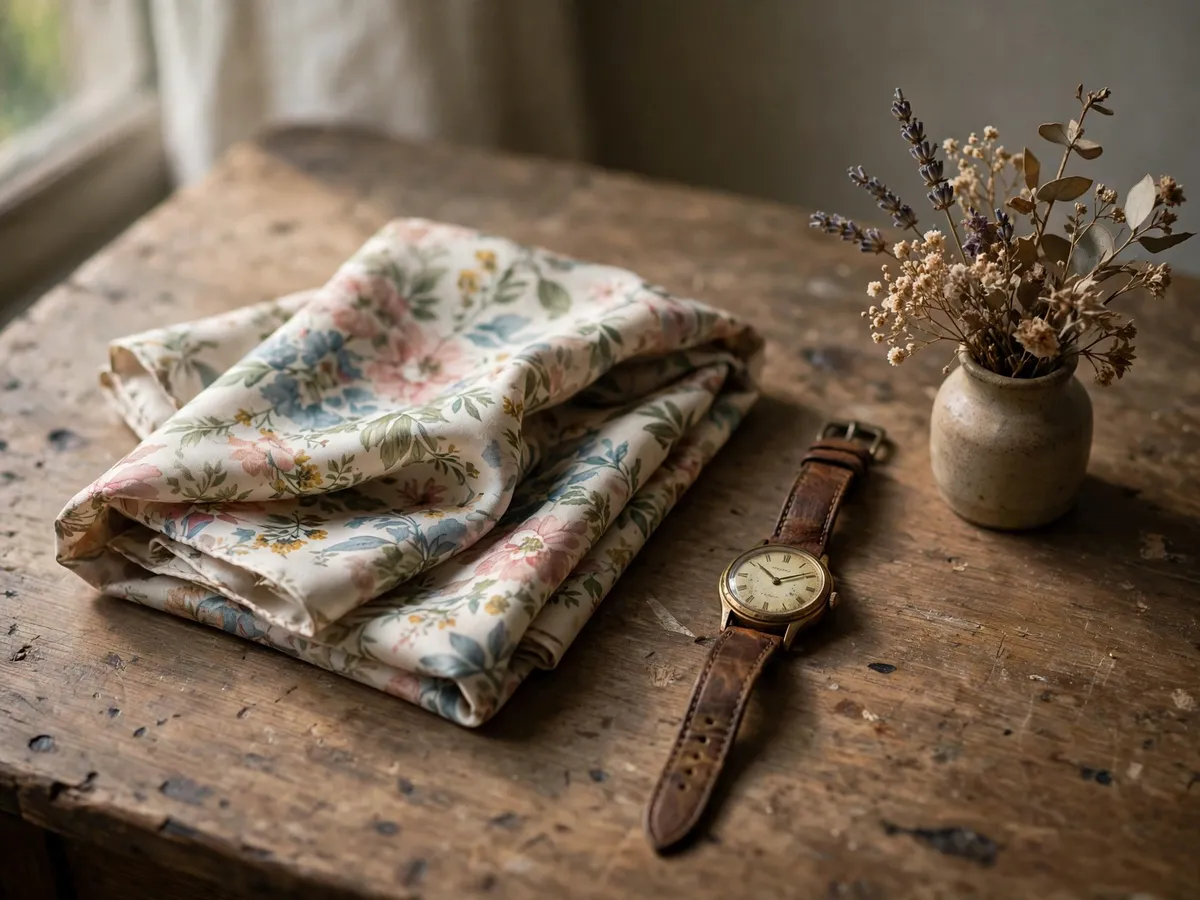
It also explains the difference between two identical jackets: the one you bought last week is clothing, while the one you wore through university, two jobs and a wedding is closer to a document. Same object, different self attached.
Old things are memory you can hold
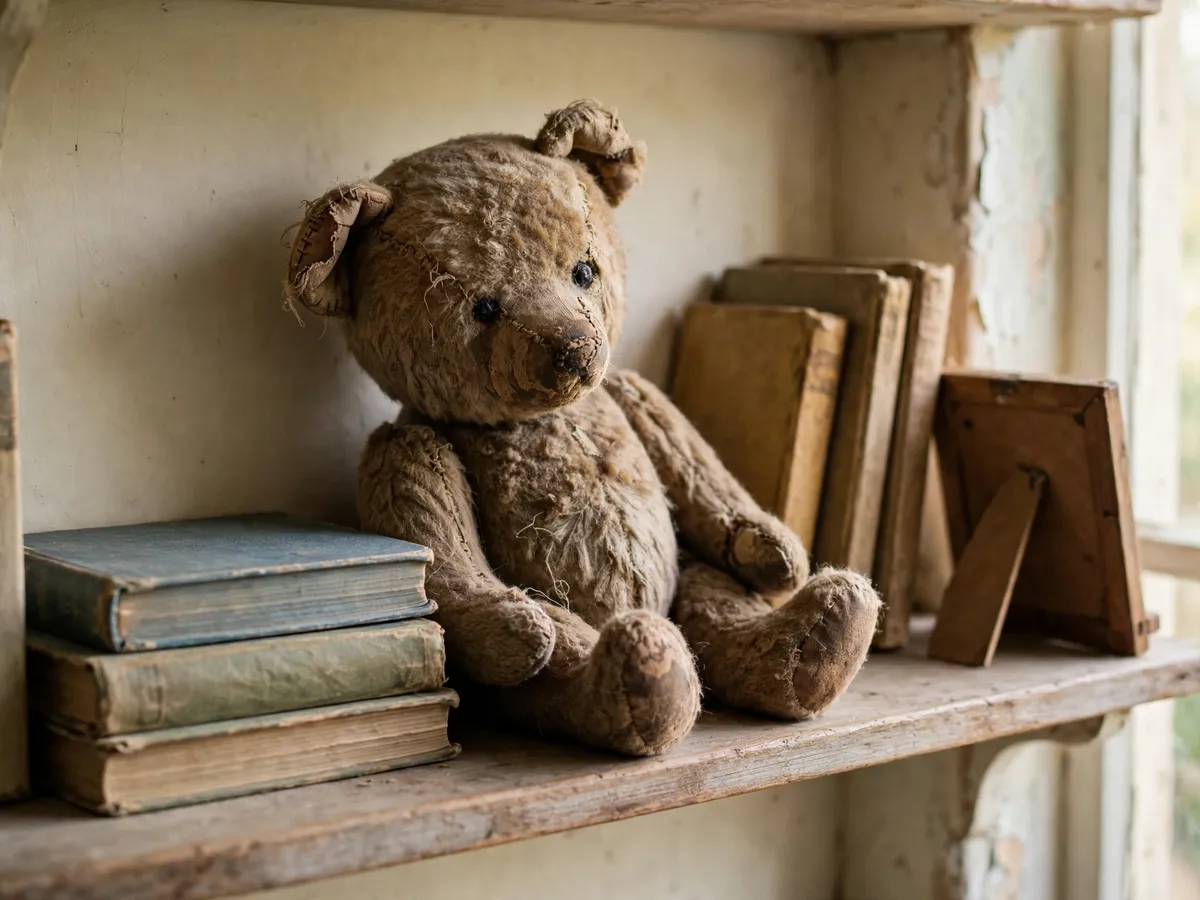
Memory is unreliable and mostly invisible. Objects are not. A childhood toy, a father’s watch or the programme from a first date gives a memory something solid to live in, and touching or even seeing the object can bring the moment back with a force that deliberately trying to remember rarely achieves.
This is closely tied to nostalgia.
In a series of six experiments published in the journal Emotion in 2016, Constantine Sedikides and colleagues found that nostalgia strengthens “self-continuity” — the feeling that your past and present selves are connected parts of one life — and that it does so partly by increasing a sense of social connectedness.
That self-continuity, in turn, was linked to well-being. Old objects are among the most reliable nostalgia triggers we own, which is one reason why childhood feels like a different world when we grow older — and why the few surviving objects from that world can feel so precious.
They are evidence that the earlier version of you existed.
Once it is yours, it is worth more
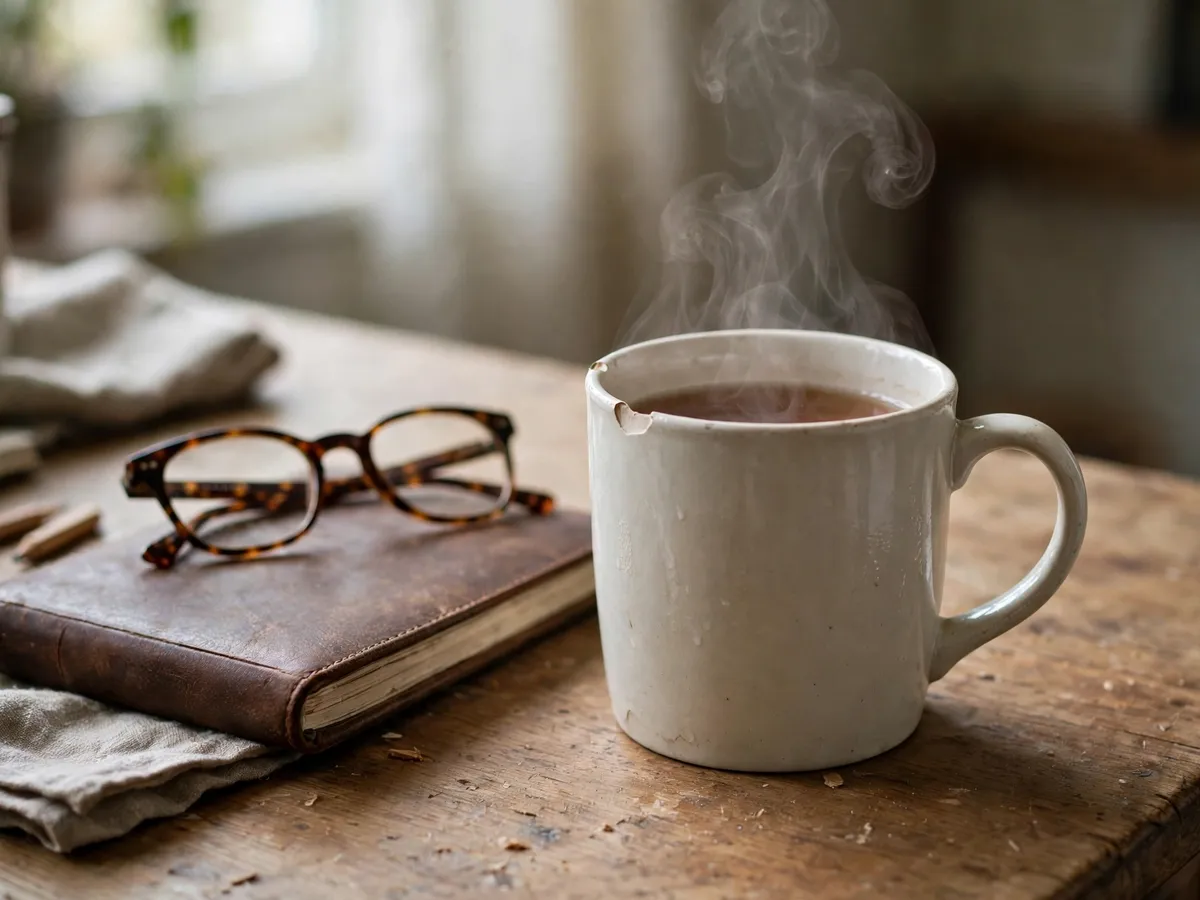
Ownership alone changes value, even without any memories attached. In classic experiments by Daniel Kahneman, Jack Knetsch and Richard Thaler, published in 1990, students were randomly given a coffee mug.
Minutes later, those who had received a mug typically demanded roughly twice as much money to sell it as students without one were willing to pay to buy it. Nothing about the mug had changed. Only the words “mine” and “yours” had been assigned.
Researchers call this the endowment effect, and it is thought to work because giving something up registers as a loss, and losses tend to feel bigger than equivalent gains. Now combine that basic effect with ten or twenty years of actual use and memory.
If a few minutes of ownership can double a mug’s price, it is no surprise that a decade of birthdays, moves and mornings can make an ordinary object feel beyond price.
Why the original feels irreplaceable
Here is a puzzle: if your most treasured possession were secretly replaced overnight with a perfect copy, would it feel the same? For most people, the answer is no — and research suggests the feeling has a specific shape.
In studies published in 2011, George Newman, Gil Diesendruck and Paul Bloom examined why objects owned by admired celebrities sell for so much. They found the key factor was what they called contagion: people behaved as if something of the owner — an essence — had passed into the object through physical contact.
When a celebrity’s sweater was described as sterilised, willingness to pay fell; for despised figures, the pattern reversed.
The same logic applies at home, in a warmer direction. Your grandfather’s actual pen matters because his hands held it. A replica holds the shape of the memory but not, in our minds, its history.
Psychologists describe this as a kind of essentialism — a belief that objects carry an invisible record of where they have been and who has touched them.
It is not literally true, but it is a deeply human way of thinking, and it is a large part of why “the real one” cannot simply be swapped.

Holding on to things, holding on to people
The strongest attachments usually involve other people. A late partner’s coat still on its hook, a mother’s recipe cards, a friend’s terrible mixtape: these are not really about the objects at all.
In 1996, grief researchers Dennis Klass, Phyllis Silverman and Steven Nickman set out the idea of “continuing bonds” — the observation that bereaved people commonly maintain an ongoing connection with someone who has died, rather than detaching completely, and that keeping and using their belongings is one ordinary way that connection is maintained.
It is worth being honest about the limits of the research here: later reviews have found mixed evidence on whether continuing bonds make grief easier or harder, and it seems to differ from person to person.
What is clear is that keeping a loved one’s things is normal and widespread, not a sign of being “stuck.” The same is true of why handwritten letters feel more meaningful than text messages — the paper carries the person in a way a screenshot never quite does.
When attachment is healthy — and when it is not
Sentimental attachment is sometimes confused with hoarding, but clinicians draw a clear line between them.
Under the criteria in the DSM-5, hoarding disorder involves a persistent difficulty discarding possessions regardless of their value, distress at the thought of parting with them, and clutter that builds up until living spaces can no longer be used for their intended purpose — together causing significant distress or problems in daily life (see the DSM-5 criteria summary published in Virginia’s Collection of Evidence-Based Practices).
Collectors and sentimental keepers, by contrast, usually organise and enjoy what they keep, and their homes still work as homes.
So the useful questions are not “how much do you own?” but “how does it affect your life?” If your old things are stored, enjoyed and occasionally shared, that is attachment doing its normal work.
If possessions are taking over rooms, causing real distress, creating safety problems or stopping you living in your own home, that is a different situation — and one worth discussing with a doctor or mental-health professional rather than trying to solve with a clear-out alone.
Letting go of things without losing the memories
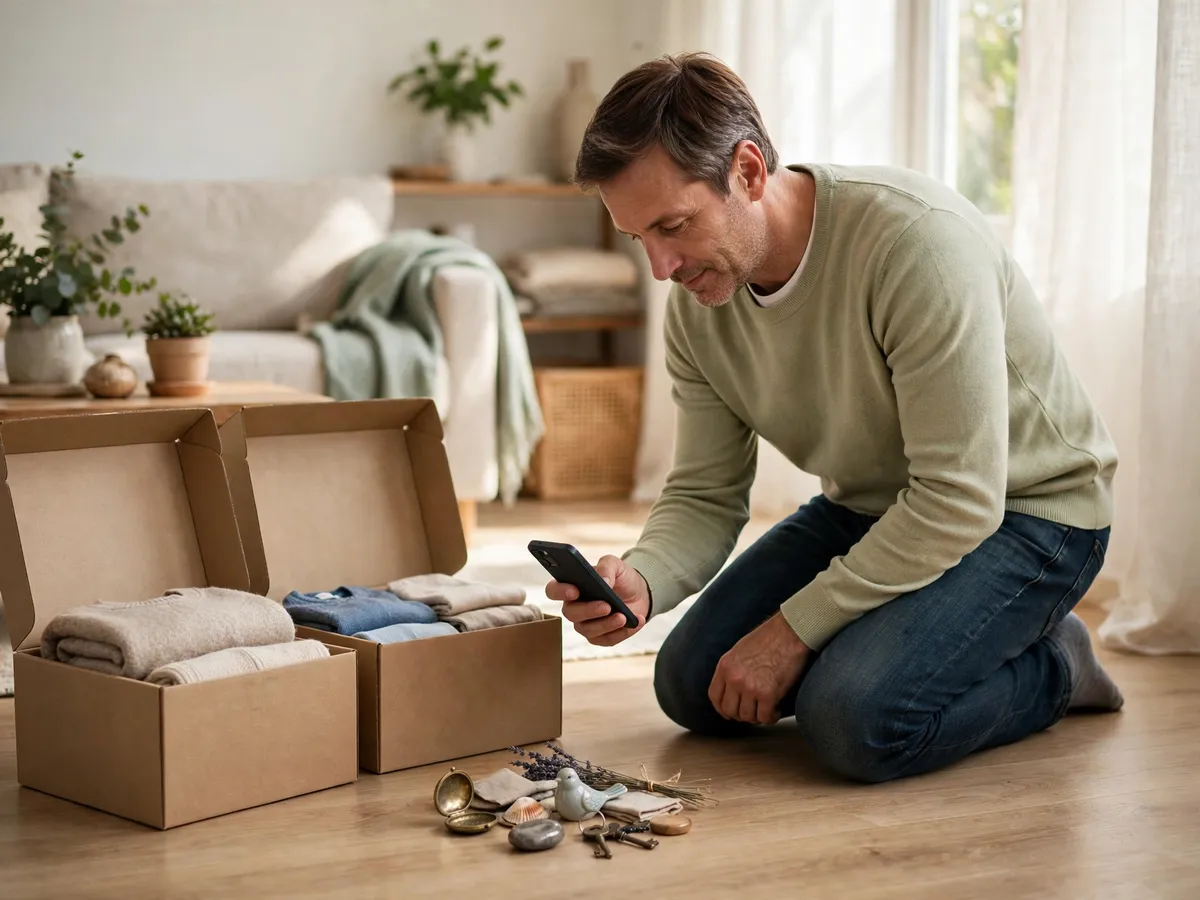
Understanding why objects matter does not mean you must keep all of them forever. It means you can let go more skilfully, by separating the memory from the material:
- Photograph before you part. For many items, a good photo preserves the memory trigger — the handwriting, the wear, the colour — while freeing the space.
- Keep the representative, not the set. One of your father’s tools may carry the story of all of them. You rarely need the whole box to keep the connection.
- Pass it on with its story. Giving an object to someone who will use it, and telling them why it mattered, often feels like continuation rather than loss.
- Write the memory down. A few lines about what the object is and what it meant can outlast the object itself — and it is often the story, not the thing, that you actually fear losing.
- Go slowly at emotional times. Big clear-outs during grief or a house move — including the year-end sort-outs behind why December feels so emotional — deserve extra gentleness. Decisions made under pressure are the ones people regret.
Frequently asked questions
Why do I get upset about losing something that cost almost nothing?
Because its value to you was never its price. Between the endowment effect, the memories stored in it and its place in your sense of self, a two-pound keyring can carry more personal value than an expensive gadget you bought last month.
Is keeping lots of old things a sign of hoarding?
Usually not. Hoarding disorder is defined by persistent difficulty discarding, clutter that makes living spaces unusable, and real distress or impairment in daily life. Keeping organised, enjoyed sentimental objects does not meet that description.
Why do physical objects feel different from digital photos of them?
One likely reason is contact and history: a physical object was actually there, in the room, in someone’s hands, and our minds treat that history as part of the object.
Belk later extended his work to digital possessions, noting they often feel less tangible and less fully “ours” — which may be why a photograph of a thing rarely stirs quite the same feeling as the thing itself.
Is it unhealthy to keep belongings of someone who has died?
Keeping a loved one’s belongings is a common part of grief, described by researchers as one form of a continuing bond. Evidence on whether it helps or hinders adjustment is mixed and personal.
It becomes a concern mainly if it is causing you significant distress or stopping you from living your life — in which case support is worth seeking.
How can I declutter sentimental items without regret?
Work in small batches, photograph what you release, keep one representative piece from each collection, and pass meaningful items to people who will value them along with their story. Regret usually comes from rushed, pressured clear-outs, not from thoughtful ones.
Conclusion
We get attached to old things because, psychologically, they are not just things. They are pieces of the extended self, anchors for memory and self-continuity, objects whose value rises the moment they become ours, and sometimes the last physical thread connecting us to people we have lost.
Seen that way, the battered box in the cupboard is not clutter or foolishness — it is a small museum of a life. The healthy goal is not to feel nothing when you open it. It is to keep what genuinely carries your story, release what does not, and understand why the difference matters.
