
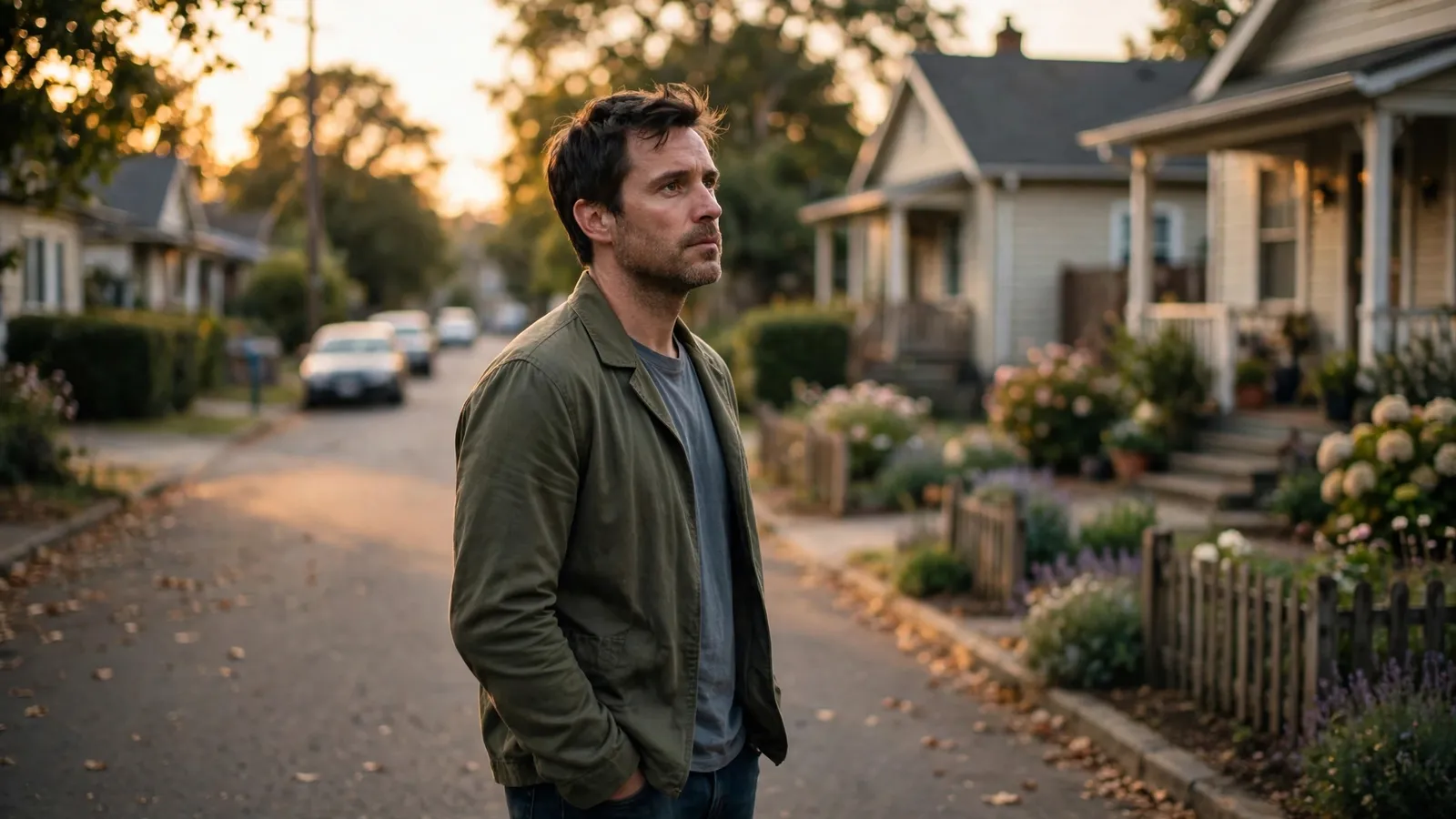
Visit your childhood street as an adult and something feels strange. The road seems shorter, the garden smaller, and the long summers you remember have no obvious place to fit. It is tempting to assume your memory is simply faulty.
Psychologists would say something more interesting is going on. Childhood does not just sit further away in time; it was recorded by a different brain, living at a different scale, in a life where almost everything was happening for the first time. Adult life, by contrast, runs on routine, and routine leaves thin records.
This article explores what memory research actually shows about why childhood feels like another world, from the missing years at the very start of life to the editing your brain quietly does to the past, and what you can do to make your adult years feel just as full.
Contents
- The Missing Years at the Start of Life
- A World of Firsts: Why Childhood Sticks
- Why Time Itself Felt Slower Back Then
- The Reminiscence Bump: Youth Leaves the Deepest Tracks
- Memory Edits the Past: Why Childhood Looks Warmer Now
- You Were a Different Person in a Different-Sized World
- How to Make Adult Life Feel Bigger Again
- Frequently Asked Questions
- Conclusion

The Missing Years at the Start of Life
The first reason childhood feels foreign is that a large part of it is simply missing. Adults recall almost nothing from before the age of about three, and fewer events than you would expect from ages three to seven.
Researchers call this childhood amnesia, and it is one of the most reliable findings in memory science. Across Western studies, people date their earliest memory to around age three and a half on average.
This is not because young children cannot form memories. They clearly can: a four-year-old can describe a birthday party in detail. The memories just do not survive.
In a prospective study led by Patricia Bauer at Emory University, children talked about unique events at age three, then were asked about them again years later. Children tested at five, six and seven still remembered 60 percent or more of the events. By ages eight and nine, fewer than 40 percent were remembered.
In other words, much of early childhood is forgotten during childhood itself, while the brain systems for long-term autobiographical memory are still developing.
So your earliest years feel distant partly because you are looking back through a genuine gap, bridged only by fragments, photographs and family stories.
A World of Firsts: Why Childhood Sticks
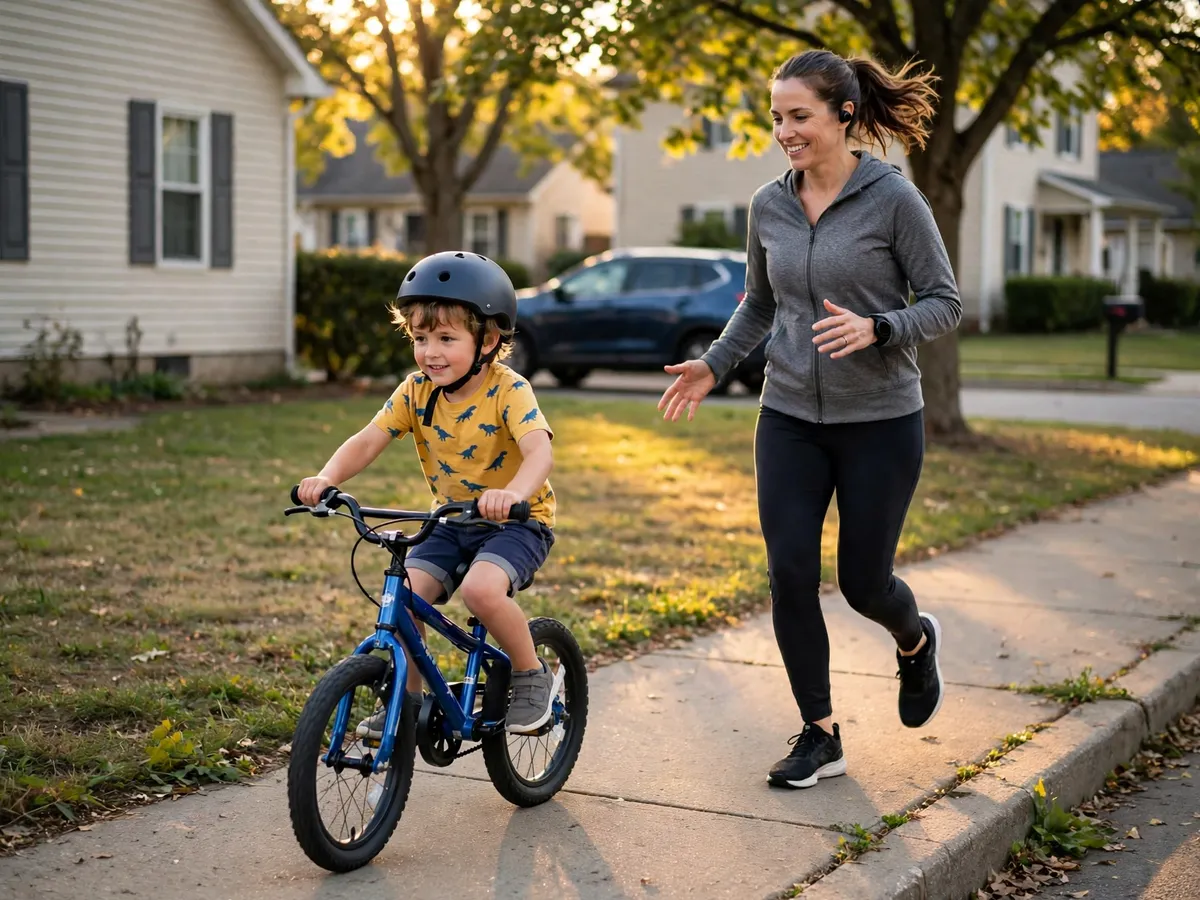
What does survive from childhood tends to be vivid, and novelty is a big reason why. For a child, nearly everything is a first: the first day of school, the first time riding a bike, the first thunderstorm watched from a window. New experiences demand attention, and attention is the gateway to memory.
The brain records what it has to work to understand.
Adult life runs the other way. You drive the same route, open the same apps, cook the same five dinners. Familiar experiences need little attention, so they are stored thinly, if at all.
Psychologists who study time perception describe a related pattern sometimes called the holiday paradox: a week in a new place feels fast while it happens but long in memory, because it left so many distinct records. A routine week at home leaves almost none, and shrinks to nothing when you look back.
Childhood was, in effect, one long trip to a foreign country. Almost every day contained something your brain had never filed before, which is why those years feel so dense compared with a routine adult year.
Why Time Itself Felt Slower Back Then
The proportional explanation
One of the oldest explanations is simple arithmetic. The idea, usually traced to the nineteenth-century philosopher Paul Janet and later discussed by William James, is that we judge a stretch of time against the life already lived. A year is a fifth of a five-year-old’s entire existence, but only a fiftieth of a fifty-year-old’s.
The same twelve months are, proportionally, a much bigger piece of childhood, so they feel bigger.
What the surveys actually found
The effect is real but more specific than the popular version suggests. In a 2005 study, Marc Wittmann and Sandra Lehnhoff asked 499 people aged 14 to 94 how fast time seemed to pass. For short stretches, an hour, a week or a month, age made little difference.
It was when people judged the last ten years that older respondents said time had flown, an effect that rose with age up to about 50. Age explained at most 10 percent of the differences between people, so it is one ingredient, not the whole recipe.
The honest summary: long stretches of adult life feel compressed in hindsight, and the leading explanations involve proportion, routine and recall.
The Reminiscence Bump: Youth Leaves the Deepest Tracks
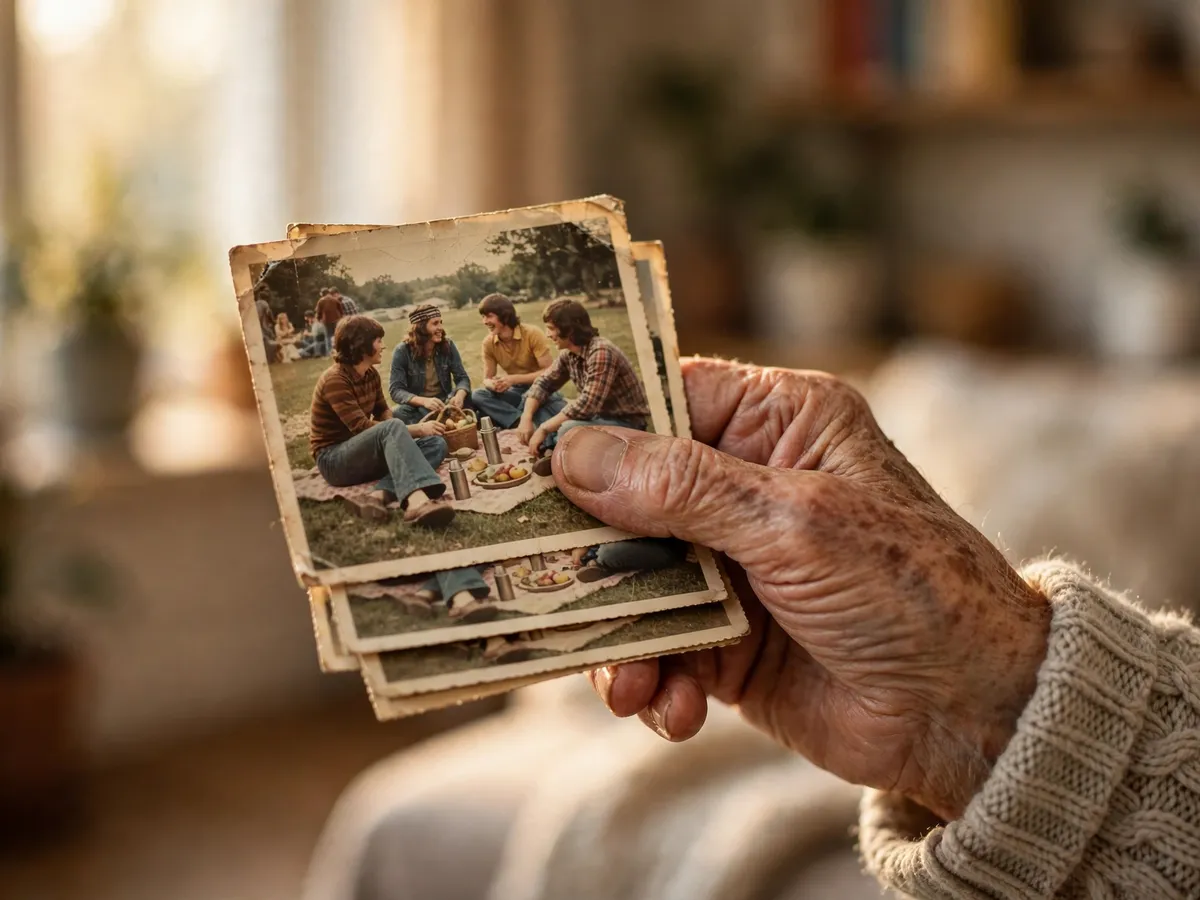
Ask older adults to recall their lives and their memories do not spread evenly. They cluster. Since David Rubin and colleagues first described it in 1986, researchers have documented a “reminiscence bump”: people over 40 recall a disproportionate number of personal memories from roughly ages 10 to 30.
A 2018 systematic review in PLOS ONE pulled together 68 studies and confirmed the bump as one of the most consistent findings in autobiographical memory research.
Researchers debate the details, but the leading explanations overlap. Those years are packed with firsts that never repeat: first love, first job, leaving home. They are also when identity is being built, and memories tied to becoming who you are seem to get priority storage.
And cultures share a rough “life script” that places the big landmarks, graduating, marrying, starting work, in that same period. Childhood sits at the edge of this bump, which is one reason your school years can feel more vividly yours than last March does.
It also helps explain the pull of nostalgia, the same force that makes December feel so emotional for so many people.

Memory Edits the Past: Why Childhood Looks Warmer Now
The childhood you remember is not a recording. It is an edited version, and the editing follows predictable rules.
Bad feelings fade faster
In diary studies by W. Richard Walker and colleagues, people rated how pleasant or unpleasant events felt at the time, then again months or years later.
The pattern, known as the fading affect bias, was consistent: the unpleasant feelings attached to memories faded faster than the pleasant ones, even though people remembered the events themselves about equally well. The scraped knees and classroom embarrassments lose their sting; the summer evenings keep their glow.
Over decades, this quietly retouches childhood into something warmer than it felt at the time.
Some “memories” are reconstructions
Memory is also rebuilt each time you revisit it, using photographs, family stories and imagination as spare parts.
Researchers who surveyed thousands of adults about their first memories (Akhtar and colleagues, 2018) argued that a share of reported “earliest memories” are dated implausibly early and are likely reconstructions assembled from photos and retellings rather than genuine recall.
That photograph of you in a garden at age two may feel like a memory, when what you actually remember is the photograph. It is also why so many of us cling to the physical leftovers of those years, a tendency explored in our article on why we get emotionally attached to old things.
You Were a Different Person in a Different-Sized World
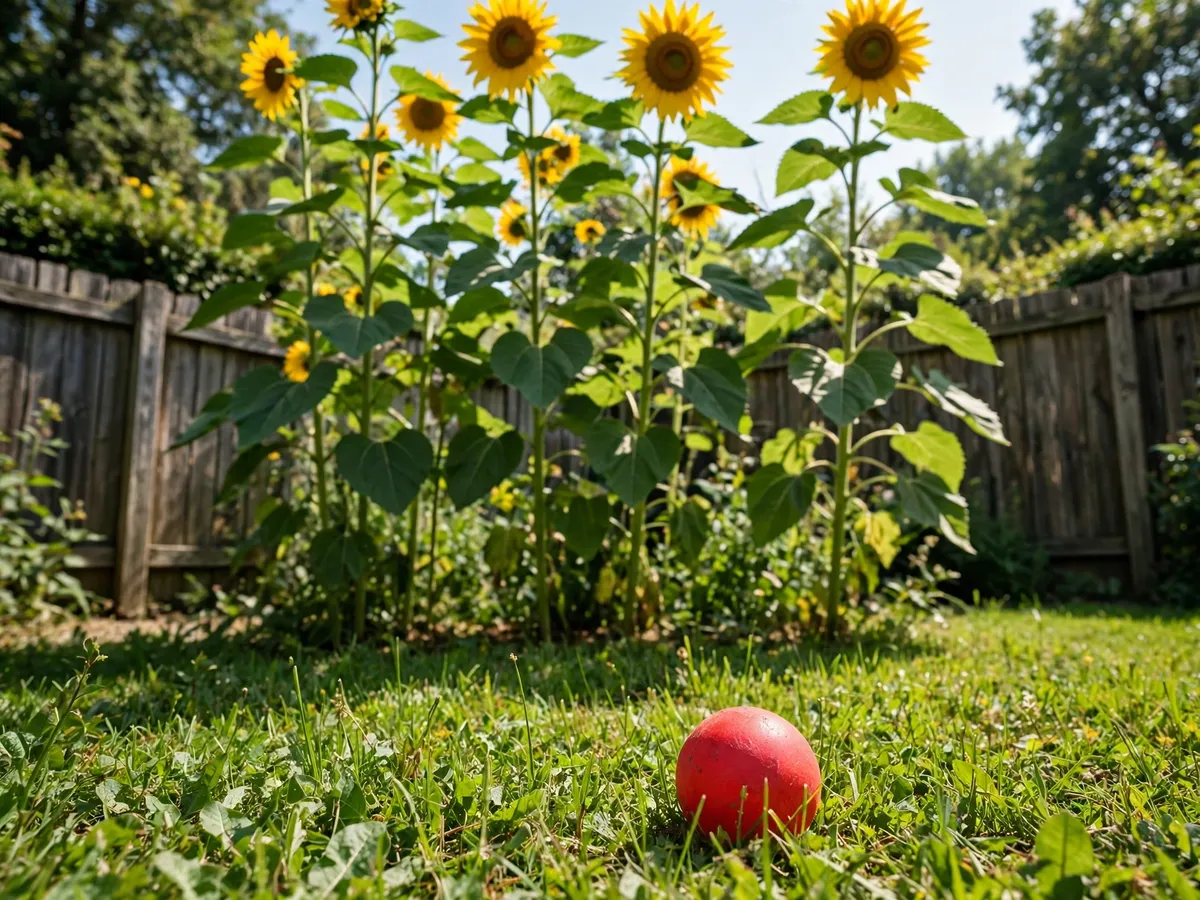
Finally, some of the difference is not about memory at all. It is about perspective, in the literal sense. A garden really is bigger when you are one metre tall.
A walk to school really is a journey when your legs are short and you have never made it alone. Distances, rooms and adults were all scaled differently for the person doing the experiencing.
Your concerns were scaled differently too. With no bills, deadlines or news cycle competing for attention, a single afternoon could hold your whole focus: one game, one friend, one tree. Psychologists would frame this as a difference in attention and cognitive load rather than a separate memory effect, but the result is the same.
Childhood was experienced in close-up, by someone whose world was small enough to examine in detail. Adulthood is experienced in wide shot, skimmed between obligations. Of course they feel like different worlds.
How to Make Adult Life Feel Bigger Again
None of this is a life sentence. If routine compresses time and novelty expands it, the practical lesson follows naturally, though researchers would call it a reasonable inference rather than a proven prescription.
- Add firsts on purpose. A new route, a new skill, a weekend somewhere unfamiliar. Novelty is what gave childhood its density.
- Create landmarks. Trips, projects, celebrations and challenges give a year visible edges, the way school terms and birthdays structured childhood time.
- Keep records. Photos, a few lines in a journal, or even a letter to your future self give your later brain something to retrieve. There is a reason handwritten letters feel more meaningful than messages: they survive as physical anchors for memory.
- Vary the routine in small ways. You do not need a new life. A different walk, a class, a conversation with someone outside your usual circle all register as distinct days.
The goal is not to slow the clock. It is to give the year enough memorable content that, when you look back, it has some size to it, the way childhood still does.
Frequently Asked Questions
Why can I not remember anything before age three or four?
This is childhood amnesia, a normal and well-documented pattern. The brain systems behind long-term autobiographical memory are still maturing in the early years, and research following children over time shows many early memories are lost between the ages of five and nine. It is not a sign of anything wrong.
Why did summers feel endless as a child?
Probably a combination of proportion, a summer was a large fraction of your short life, and density. School holidays were full of novel, unstructured experiences that left many memories, and periods rich in memories feel long when you look back on them.
Is it true that time really speeds up as we age?
Subjectively, for long periods, yes, on average. The best-known survey found that how fast the last decade felt increased with age up to about 50, while short periods felt the same at every age. The effect is modest and varies a lot between individuals.
Why do my teenage and young adult years feel so vivid?
That is the reminiscence bump. Adults recall a disproportionate share of memories from roughly ages 10 to 30, likely because those years combine novelty, identity formation and major life landmarks.
Are my earliest memories real?
Possibly, but not certainly. Memories from before about age three are unlikely to be genuine recall, and researchers suggest some early “memories” are reconstructions built from photographs and family stories. Treat them as a blend of experience and retelling.
Conclusion
Childhood feels like a different world because, for your memory, it genuinely was one. Its first years are missing entirely, its days were dense with firsts, its time ran proportionally slower, and the years since have been edited by a brain that lets bad feelings fade faster than good ones.
You were also smaller, freer and paying closer attention. The encouraging part is that the mechanism points to a remedy. A life with more novelty, more landmarks and more records leaves more behind.
You cannot return to that first world, but you can stop the current one from blurring, one memorable, deliberately different day at a time.
