
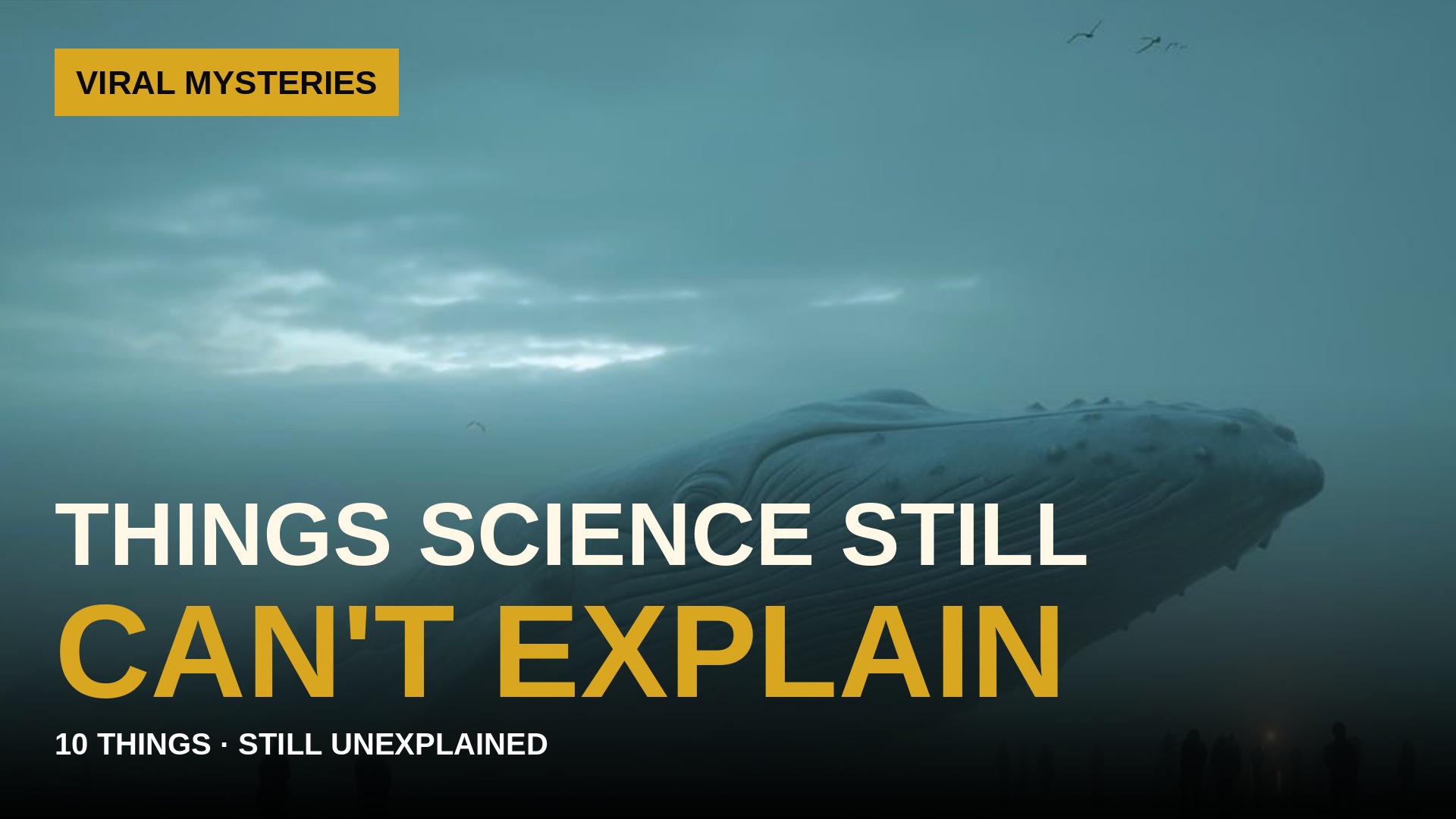
Even with all the progress humanity has made, there are still mysteries that science has yet to fully understand.
We have mapped the human genome, split the atom, and sent rovers to Mars. We know exactly what happens inside a star when it dies, and we can track the migration of a single bird across an ocean. Yet, despite all our technological advancement, some questions remain stubbornly open.
The nature of consciousness, the origin of life, and the exact makeup of dark matter continue to puzzle the brightest minds on Earth.
Phenomena like déjà vu, near-death experiences, and the placebo effect defy simple explanation. Even in physics, fundamental questions about what existed before the Big Bang remain unanswered.
These gaps in knowledge remind us that science is an ongoing journey rather than a finished map of truth. If we still cannot explain so many mysteries around us, how much do we really understand about the world we live in?
Here are 10 of the most viral and shocking mysteries science still can’t fully explain—and what the research actually says.
1. Why Do We Dream?
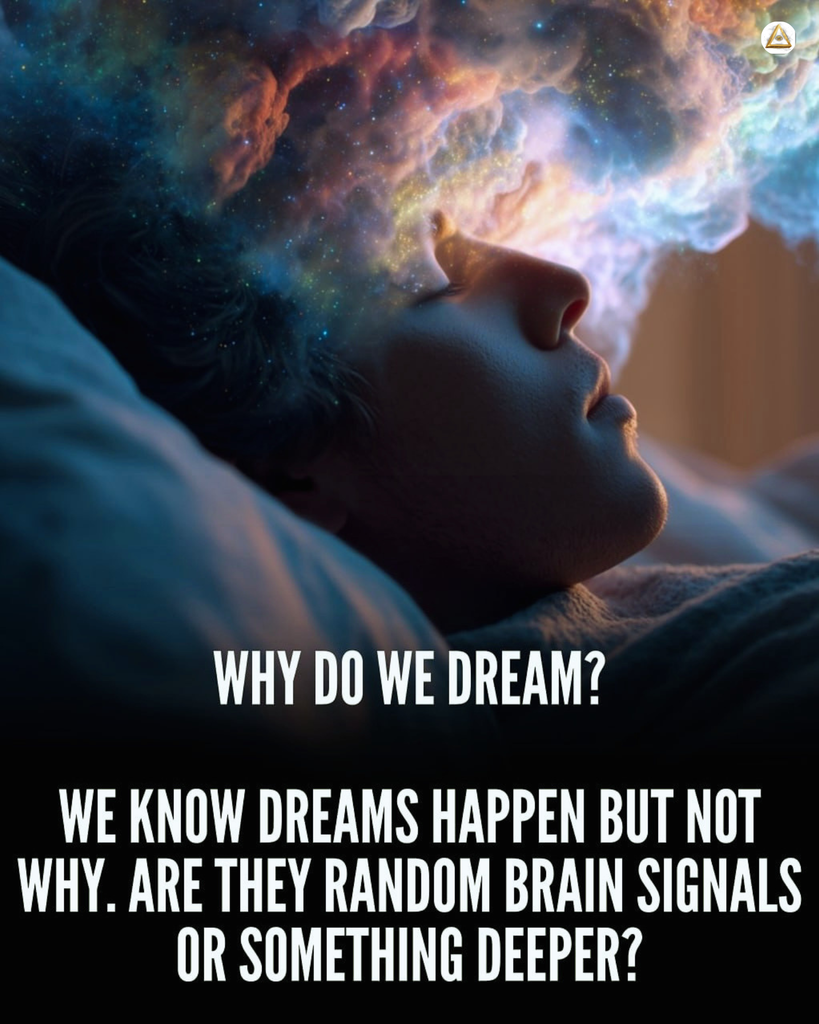
We spend roughly a third of our lives asleep, and a significant portion of that time is spent in vivid, bizarre, or terrifying dreams. We know dreams happen, but science cannot definitively tell us why.
Are they just random brain signals firing during REM sleep? Or is it something deeper—a way to process trauma, consolidate memories, or simulate threats so we are prepared for danger in the waking world?
The Reality Check: While neuroscientists know the brain is highly active during REM sleep, the ultimate purpose of the dream state remains one of the greatest locked doors in neuroscience.
2. Why Do Whales Beach Themselves?
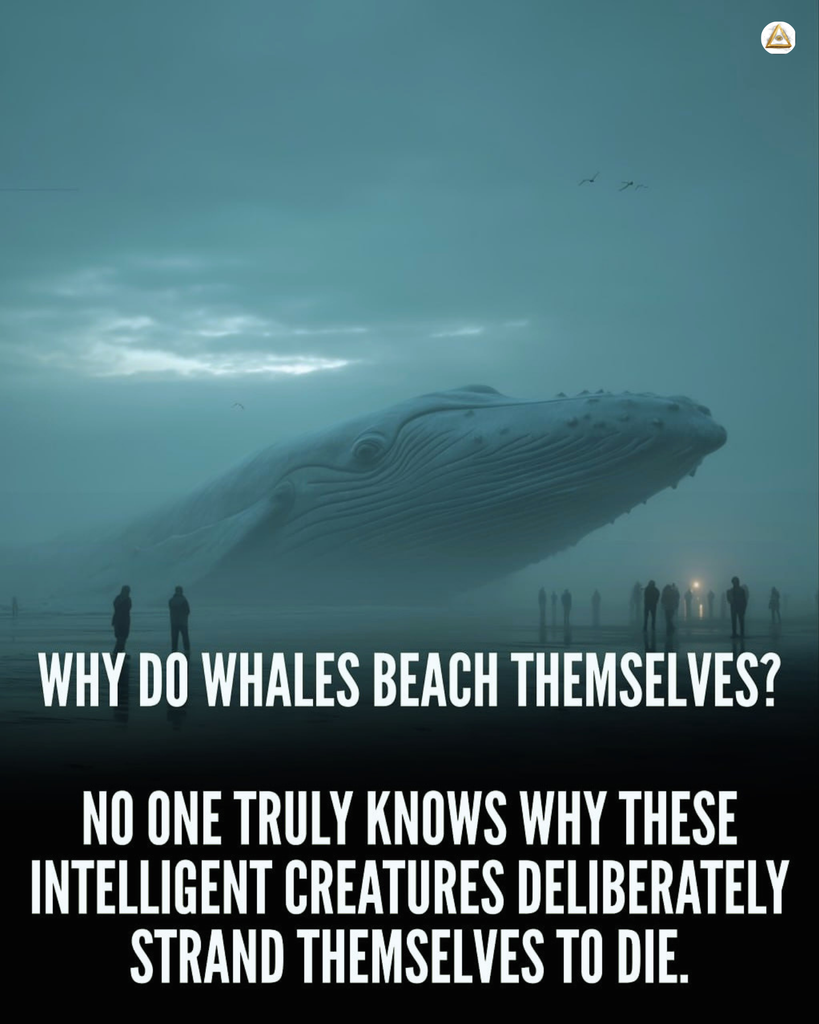
It is one of the most heartbreaking and haunting sights in nature. No one truly knows why these highly intelligent, deeply social creatures deliberately strand themselves on beaches to die.
Marine biologists have proposed several theories. Sometimes, it’s due to navigational errors caused by geomagnetic disturbances or disorientation in shallow waters.
Other times, a sick or injured leader will beach itself, and the strong social bonds of the pod force the healthy whales to follow them to their deaths. Human activity, like sonar from naval exercises, has also been linked to mass strandings.
The Reality Check: While scientists can point to echolocation difficulties or social bonds, a universal, definitive answer that explains every stranding event remains as elusive as the ocean itself.
3. Why Do We Age?
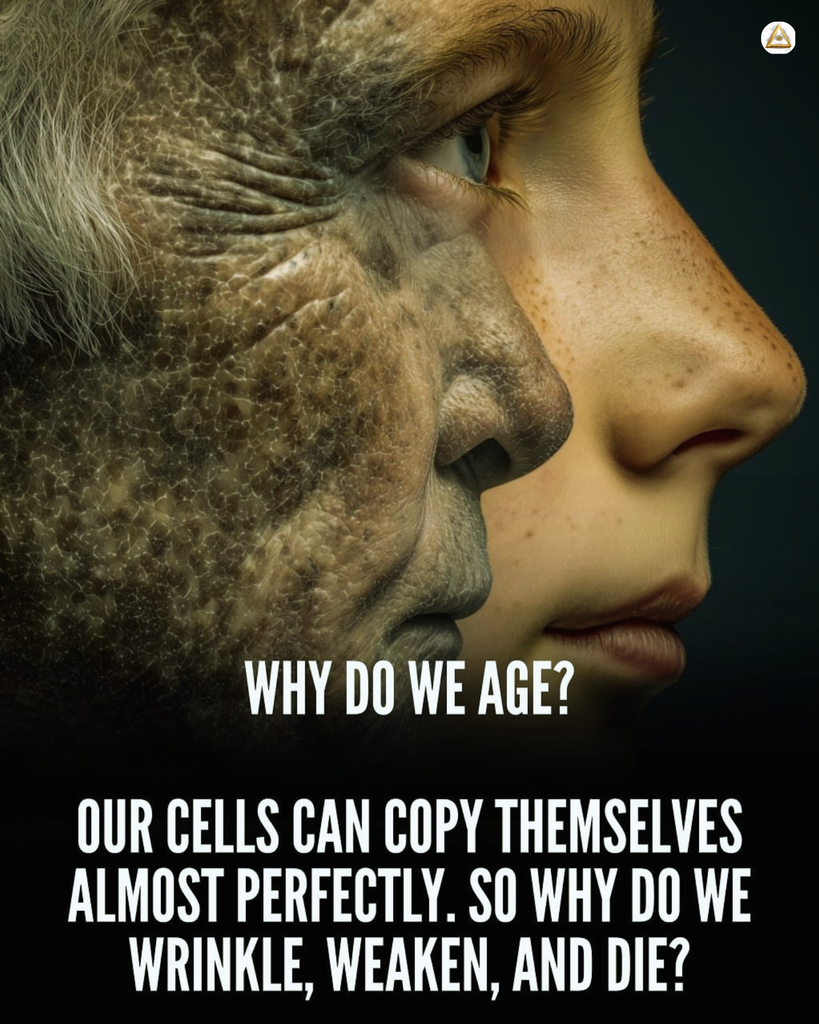
Our cells can copy themselves almost perfectly. So why do we wrinkle, weaken, and eventually die?
The biological mechanisms of aging—like DNA damage, telomere shortening, and cellular senescence—are somewhat understood.
But the evolutionary reason why our bodies eventually give out remains a mystery. Why doesn’t the body just repair itself indefinitely?
The Reality Check: Some scientists believe aging is a byproduct of evolution—natural selection weakens after we reproduce, allowing cellular decay to take over. Yet, the ultimate “why” of our mortality is still unsolved.
4. Why Do People Wake Up Right Before Their Alarm?
You set your alarm for 6:30 AM, yet your eyes snap open at 6:28 AM with no sound, no light, and no cue. How does the body know?
The Reality Check: Deep in the brain, a group of neurons called the suprachiasmatic nucleus (SCN) acts as the body’s master clock. It regulates circadian rhythms. When you consistently wake up at a certain time, your body learns the routine. Before the alarm sounds, your body temperature rises, melatonin production drops, and cortisol spikes to prepare you for the day. It’s not a “glitch in time”; it’s your biology anticipating your schedule.
5. Why Do Humans Have Dominant Hands?
Why most people are right-handed is still a scientific mystery with no solid explanation. About 90% of the human population favors their right hand.
The Reality Check: While we know the brain is lateralized (the left hemisphere controls the right side of the body and is usually tied to language), researchers are still debating why. Is it purely genetic? Is it evolutionary, dating back to early tool usage? Recent studies suggest that handedness isn’t entirely innate; the preference may be biological, but the dominance (the skill gap) is built through a lifetime of practice.
6. The Mystery of Consciousness
We know the brain is made of neurons, synapses, and electrical signals. But no one can explain how physical matter gives rise to subjective experience—the feeling of being you. This is known as the “hard problem of consciousness.”
The Reality Check: Science can map brain activity associated with awareness, but it cannot explain why that activity feels like anything at all. Some theorists even propose that consciousness is a fundamental property of the universe, like gravity, but this remains highly speculative.
7. Dark Matter and Dark Energy
The stars, planets, and galaxies we see make up only about 5% of the known universe. The rest is dark matter and dark energy—and when scientists use the term “dark,” they really mean: we have no idea what it is.
The Reality Check: Dark matter exerts gravitational pull, holding galaxies together, while dark energy accelerates the expansion of the universe. We can observe their effects, but their true nature is completely invisible to us.
8. Déjà Vu and Near-Death Experiences
Déjà vu—that eerie feeling that you’ve experienced a moment before—is thought to be a conflict between memory evaluations in the brain. But near-death experiences (NDEs), where clinically dead patients report tunnels of light or life reviews, continue to baffle scientists.
The Reality Check: Some attribute NDEs to oxygen deprivation, surges of brain activity, or endorphins. While science can explain how the brain might hallucinate during trauma, it cannot definitively prove or disprove what happens to consciousness after death.
9. The Placebo Effect
A sugar pill can produce real physiological relief. The mere expectation of a biological effect can produce that effect—and scientists still don’t fully understand how.
The Reality Check: Recent research has identified neural circuits involved in placebo pain relief, but the power of the mind to physically heal the body challenges our understanding of biology. It proves that belief alone can trigger measurable physiological changes.
10. What Existed Before the Big Bang?
Our established cosmological knowledge extends back 13.8 billion years to the Big Bang. But what came before?
The Reality Check: This question remains unanswered with any certainty. Some models propose past-eternal cosmologies; others suggest the question itself may be meaningless because time didn’t exist before the Big Bang.
Furthermore, the fact that the universe is expanding faster than expected (the Hubble Tension) suggests our standard model of cosmology is incomplete.
Frequently Asked Questions
Why do whales beach themselves?
There is no single definitive answer. Scientists suggest causes include navigational errors due to geomagnetic disturbances, strong social bonds (following a sick pod member), illness, and human noise pollution like sonar.
Why do we age if our cells copy themselves?
Aging is caused by a combination of factors including DNA damage, telomere shortening, and cellular senescence. Evolutionarily, it is theorized that natural selection weakens after reproduction, allowing the body to deteriorate over time.
Why do humans have a dominant hand?
The exact reason for right-hand dominance (about 90% of the population) is unknown. It is likely a complex mix of brain lateralization, genetics, and evolutionary adaptation to tool use.
How does the body know to wake up before an alarm?
The brain’s suprachiasmatic nucleus (SCN) learns your routine. Before your alarm goes off, it releases hormones like cortisol and raises your body temperature, acting as a natural, internal wake-up call.
What is the “hard problem” of consciousness?
It is the mystery of why physical processes in the brain (neurons and synapses) give rise to subjective experience—the feeling of being “you.” Science can map the brain, but cannot explain why it feels like anything at all.
The Final Thought: The More We Know, the More We Realize We Don’t Know
These gaps in knowledge are not failures of science; they are the very fuel that drives human curiosity. From the depths of the ocean where whales strand, to the cosmic voids filled with dark matter, and the intricate wiring of our own brains, the universe is far stranger than we can currently comprehend.
Whether it’s a “glitch in the matrix” or simply a biological mechanism we haven’t mapped yet, these mysteries remind us that science is an ongoing journey, not a finished map.
What do you think? Which of these unexplained phenomena shocks you the most? Drop your theories in the comments below—and don’t forget to share this with someone who loves a good mystery.
Read Next
- The Taos Hum: The Sound Only a Few People Can Hear
- Hessdalen Lights: The UFO Scientists Still Can’t Explain
- SpongeBob and the Bikini Atoll Nuclear Mutation Theory
