
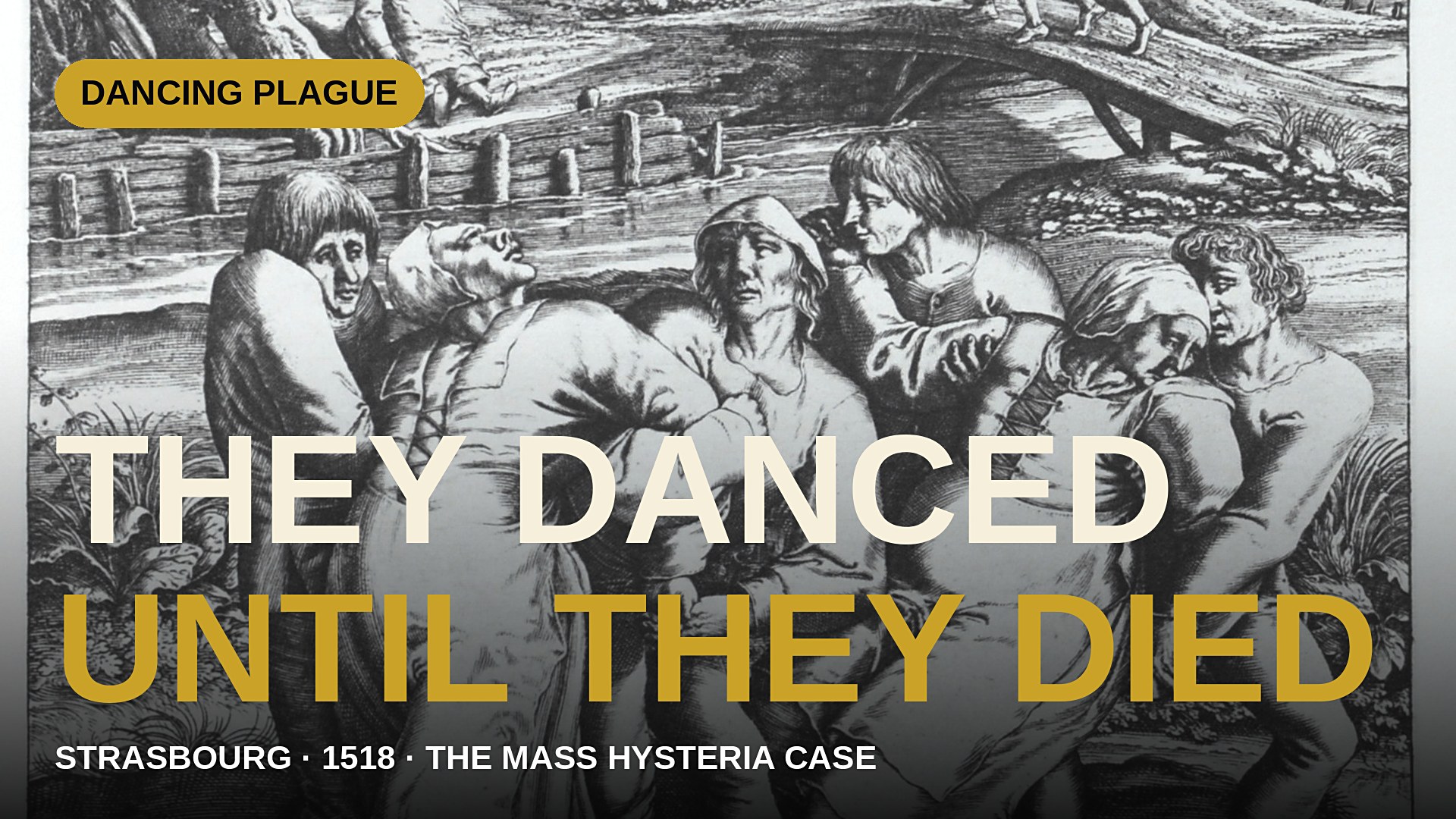
On a July day in 1518, a woman stepped out of her house in Strasbourg, began to dance in the street, and could not stop. There was no music. There was no festival. She simply danced, hour after hour, until she collapsed in the road, slept, woke up, and started again.
Within a week, dozens of people had joined her. Within a month, the crowd may have numbered in the hundreds.
The dancing plague of 1518 is one of the strangest events in the medical record: a whole city gripped by a compulsion to dance, in some accounts dancing until their bodies gave out.
Five hundred years later, nobody can say with certainty what caused it. But the evidence we do have tells a story that is stranger than the legend, and sadder.
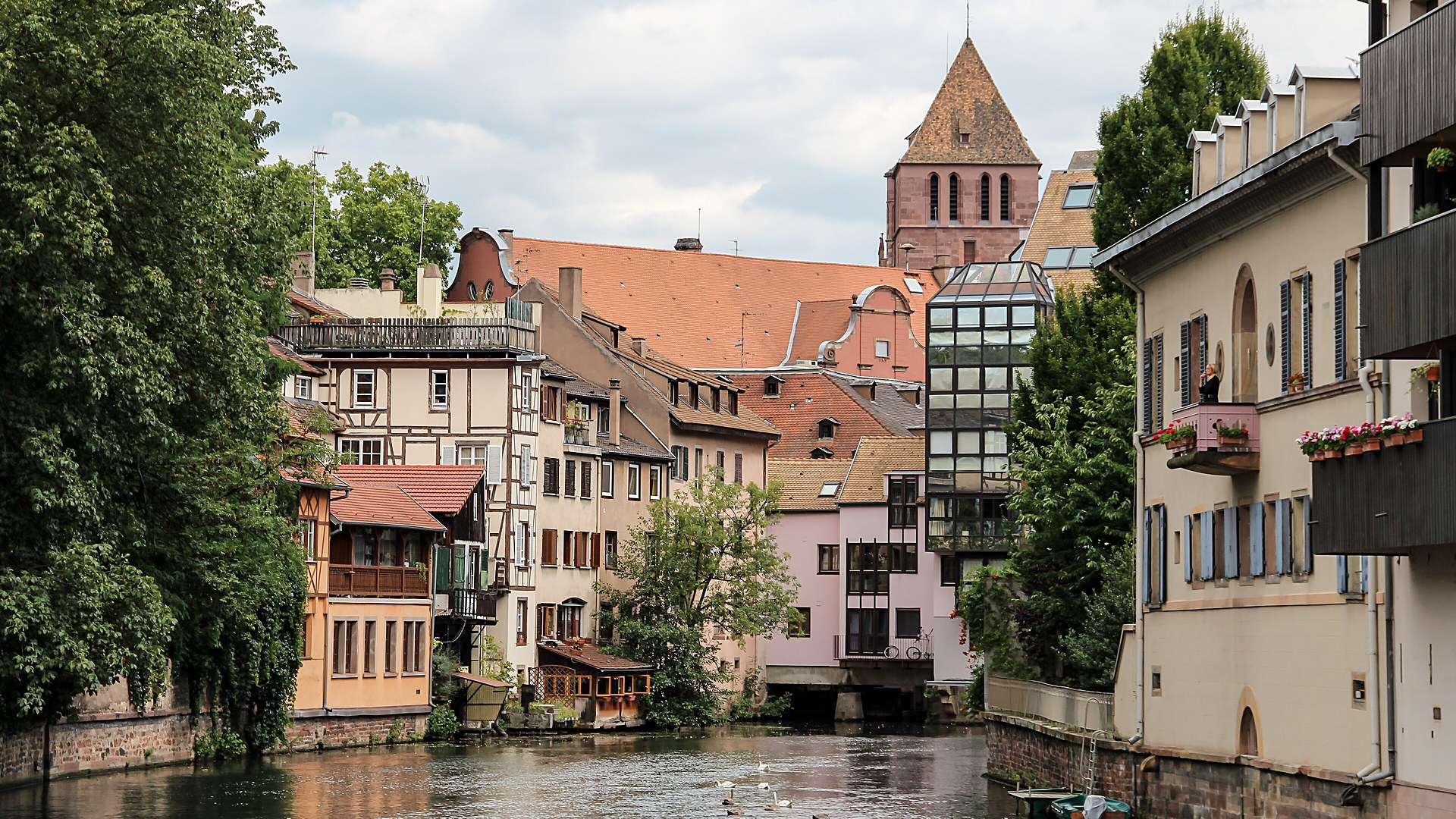
Strasbourg in 1518 was a wealthy trading city in the Holy Roman Empire, in what is now eastern France.
It was also a hungry, frightened place, worn down by failed harvests and disease. That combination, a rich city full of desperate people, is where this story really begins.
The Woman Who Could Not Stop Dancing
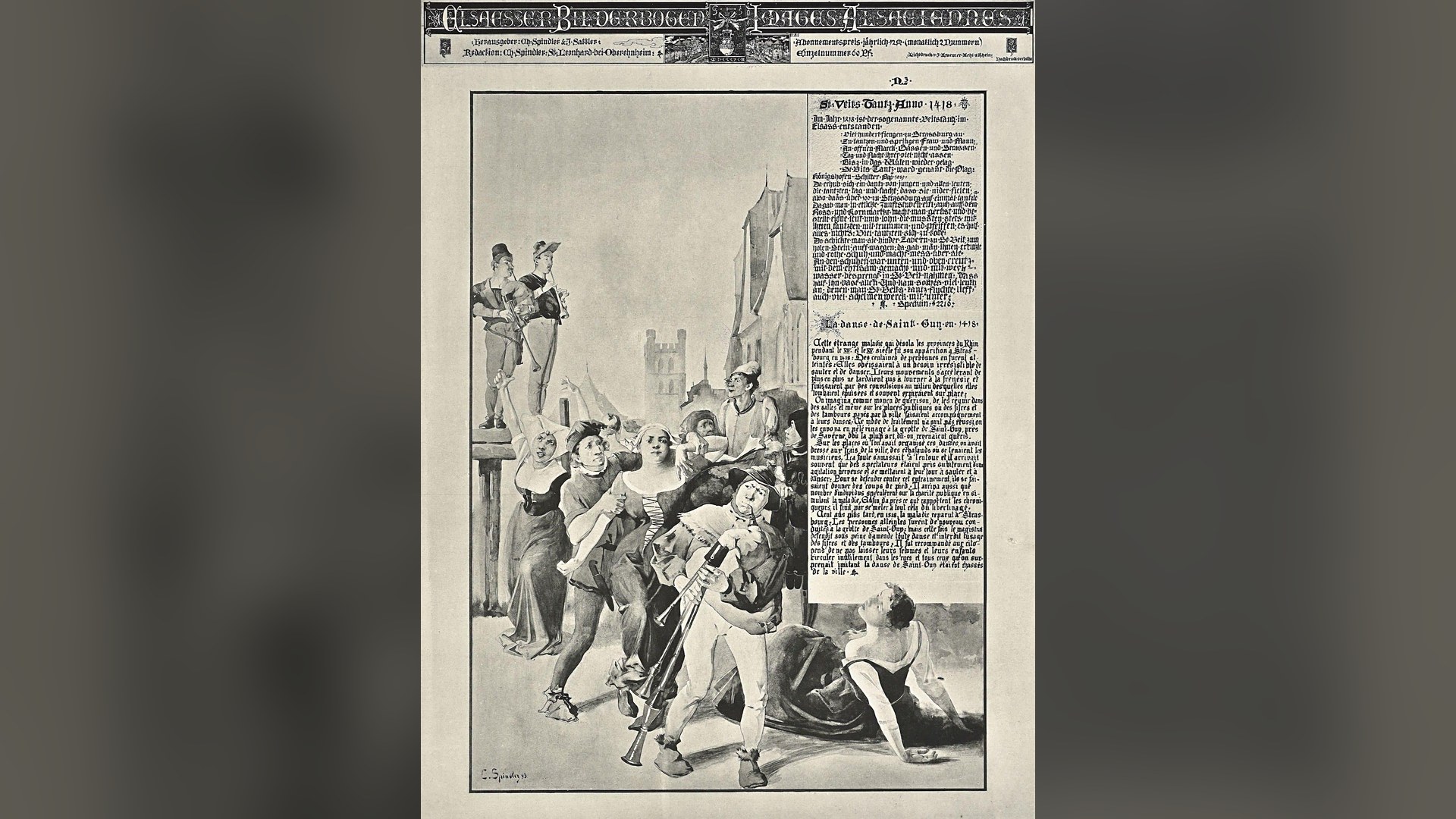
The first dancer is usually named in the chronicles as Frau Troffea. On or around 14 July 1518, she began dancing in a narrow street outside her home.
Her husband begged her to stop. She danced until nightfall, collapsed from exhaustion, and when she woke the next morning she started again, on feet that were by then swollen and bleeding.
She kept going for somewhere between four and six days. By then, other people who had watched her had begun to dance too.
The city authorities, alarmed, had Troffea carted thirty miles away to Saverne, to the shrine of St Vitus, in the hope that the saint who was believed to have cursed her might also cure her. She is said to have recovered there. Strasbourg did not.
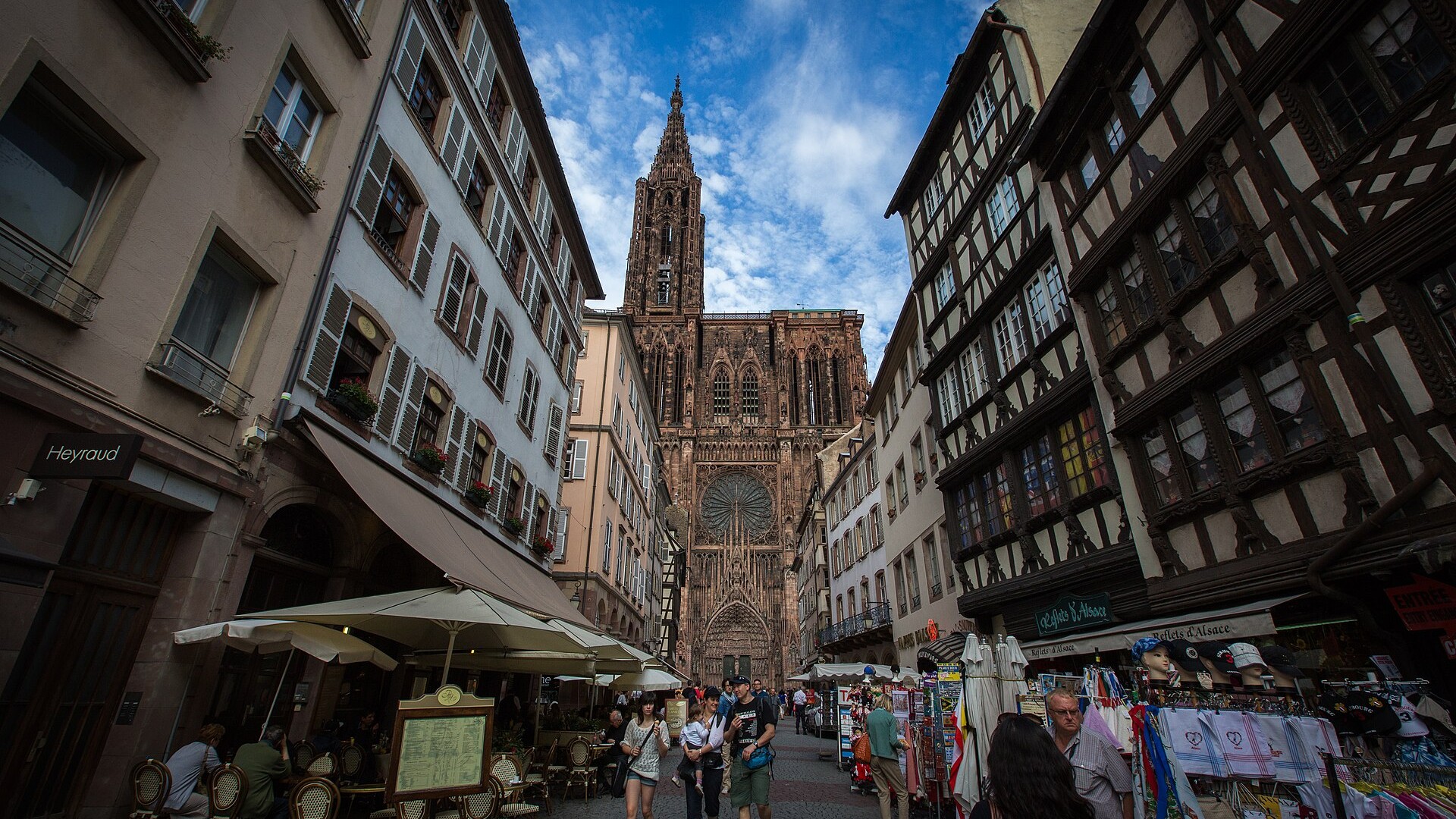
More than thirty people were dancing within the first week. A month in, one family chronicle put the number at four hundred.
Not all historians accept that figure, and the surviving records are patchy, but nobody disputes the core of it: this was a mass event, witnessed across the city, serious enough that Strasbourg’s government spent weeks trying to stop it.
It is worth pausing on what the dancing actually looked like. This was not celebration. Contemporary descriptions talk of people crying out, singing, foaming, leaping, and begging for help while their bodies kept moving.
Some dancers said they hated what they were doing. Whatever had hold of them, they were not having fun.
The Cure That Made It Worse
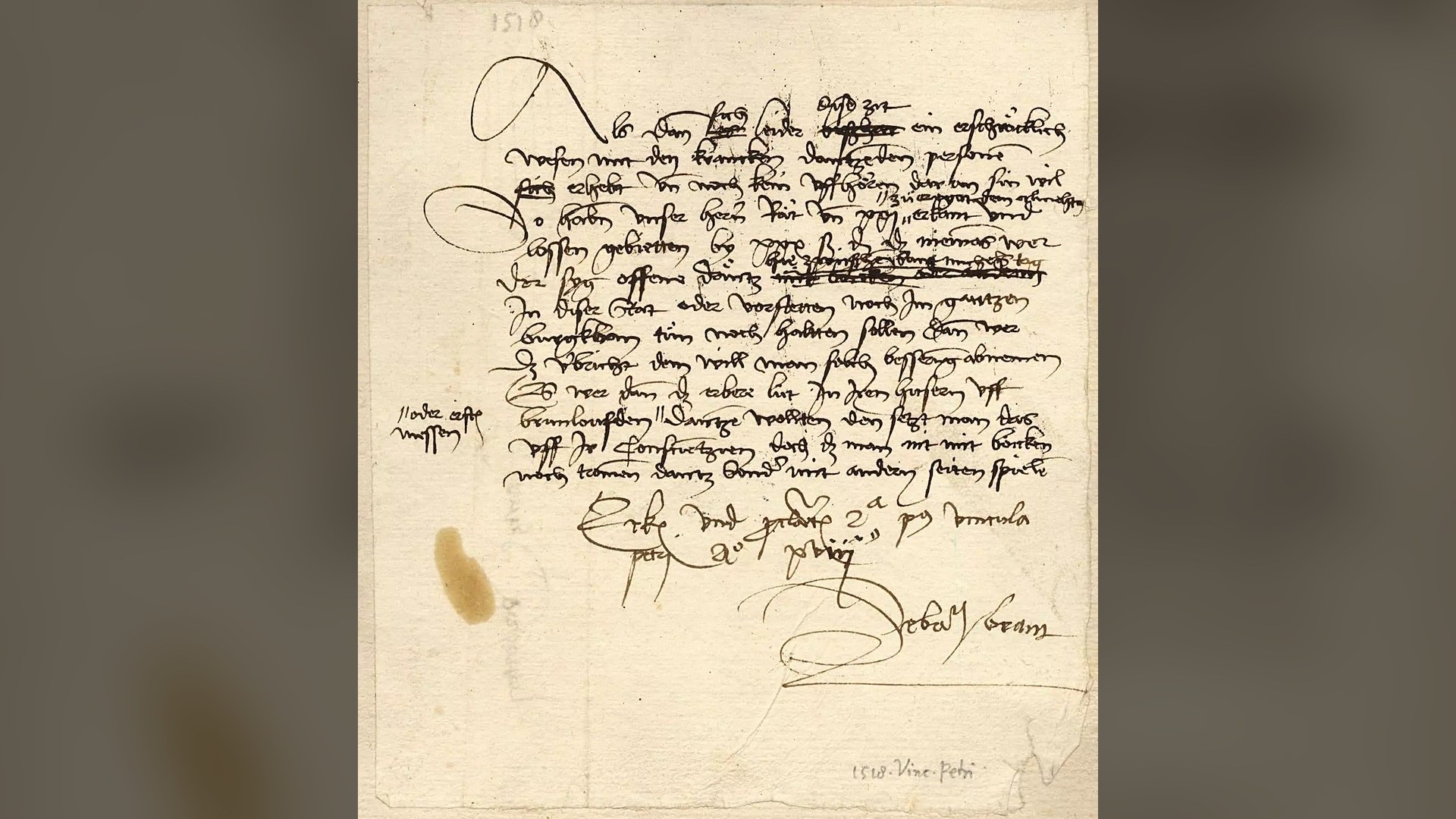
The city council first asked the local guild of physicians what to do. The doctors ruled out astrology and the supernatural. Their diagnosis, in the medical language of the day, was “overheated blood,” a natural disease.
And their prescription, following the logic of the time, was remarkable: the afflicted had to dance the sickness out of themselves.
So the council did the worst thing it could possibly have done. It opened two guildhalls and the grain market for dancing. It built a wooden stage.
It hired pipers, drummers and fiddlers to keep the music going, and paid strong professional dancers to partner the afflicted and keep them on their feet. The idea was that constant dancing would burn the illness away.
Instead, it advertised the plague. Crowds gathered to watch. More onlookers caught the compulsion. What had been a few dozen sufferers became a public spectacle of hundreds, dancing day and night in the summer heat while musicians played and the whole city looked on.
If you wanted to design a system for spreading a psychological contagion, you could hardly do better.
By early August, the council reversed itself completely. It banned public dancing and music in the city. Then it turned to the explanation it had tried to avoid: the curse of St Vitus.
The remaining dancers were loaded into wagons and taken to the saint’s shrine in the hills above Saverne.
There, at a cave chapel, they were given small crosses and red shoes marked with the sign of the cross, sprinkled with holy water, and led in prayer. And, slowly, the dancing stopped. By September 1518, it was over.
A City Already at Breaking Point
To understand why Strasbourg danced, you have to understand what Strasbourg had been through. The years before 1518 had brought a run of brutal harvests.
Grain prices had soared. Famine was a living memory, and diseases including smallpox, syphilis and leprosy moved through the city. For the poor, life was a sequence of funerals.
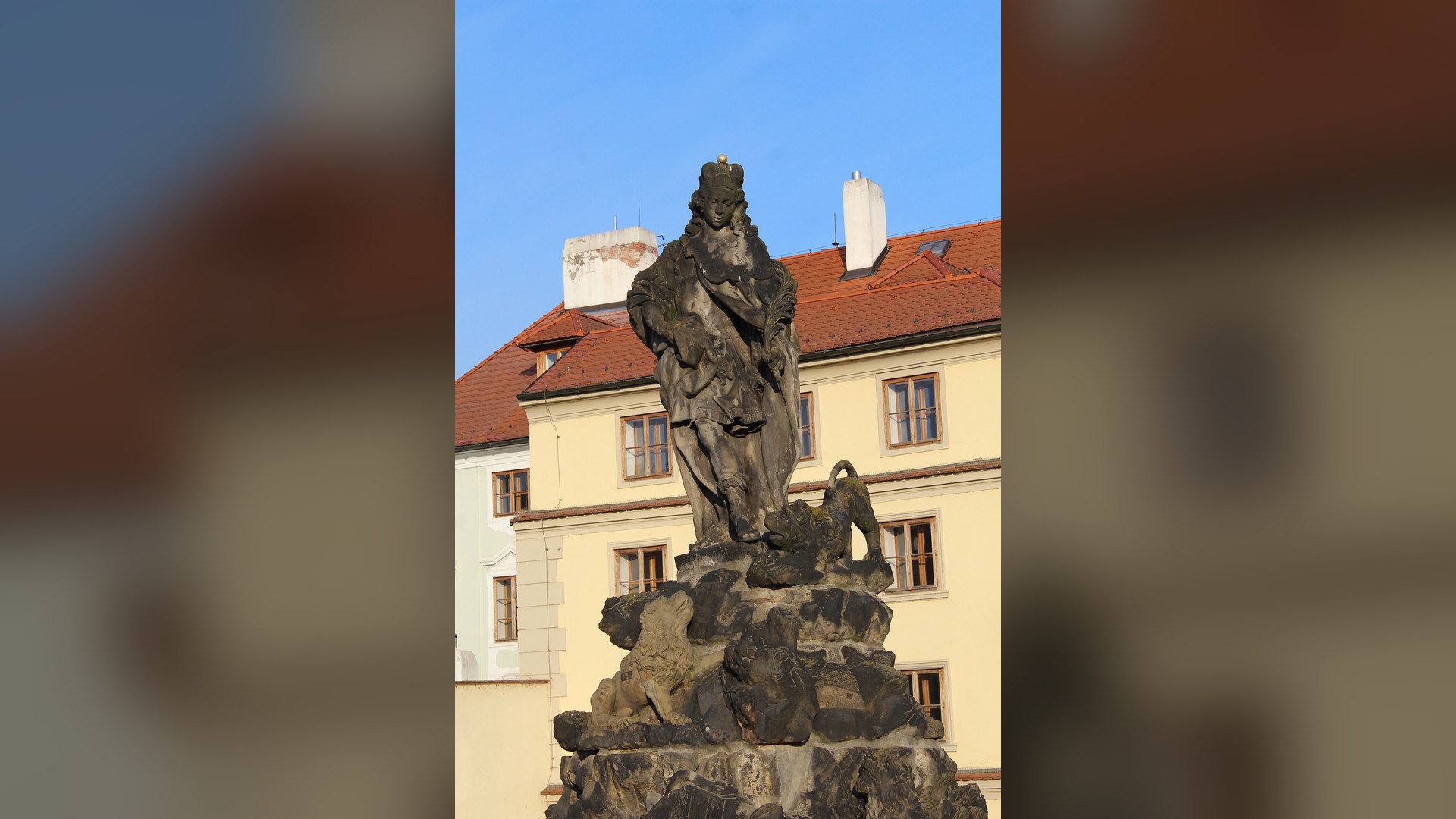
Layered over the hunger was a specific, local fear. In the Rhineland, St Vitus was not just a patron saint of dancers and epileptics.
People believed he could curse those who angered him by forcing them to dance, and that only his shrine could lift the curse.
It was a ready-made script, known to everyone in the city: if your mind broke under the pressure of life, this is the shape the breaking would take.
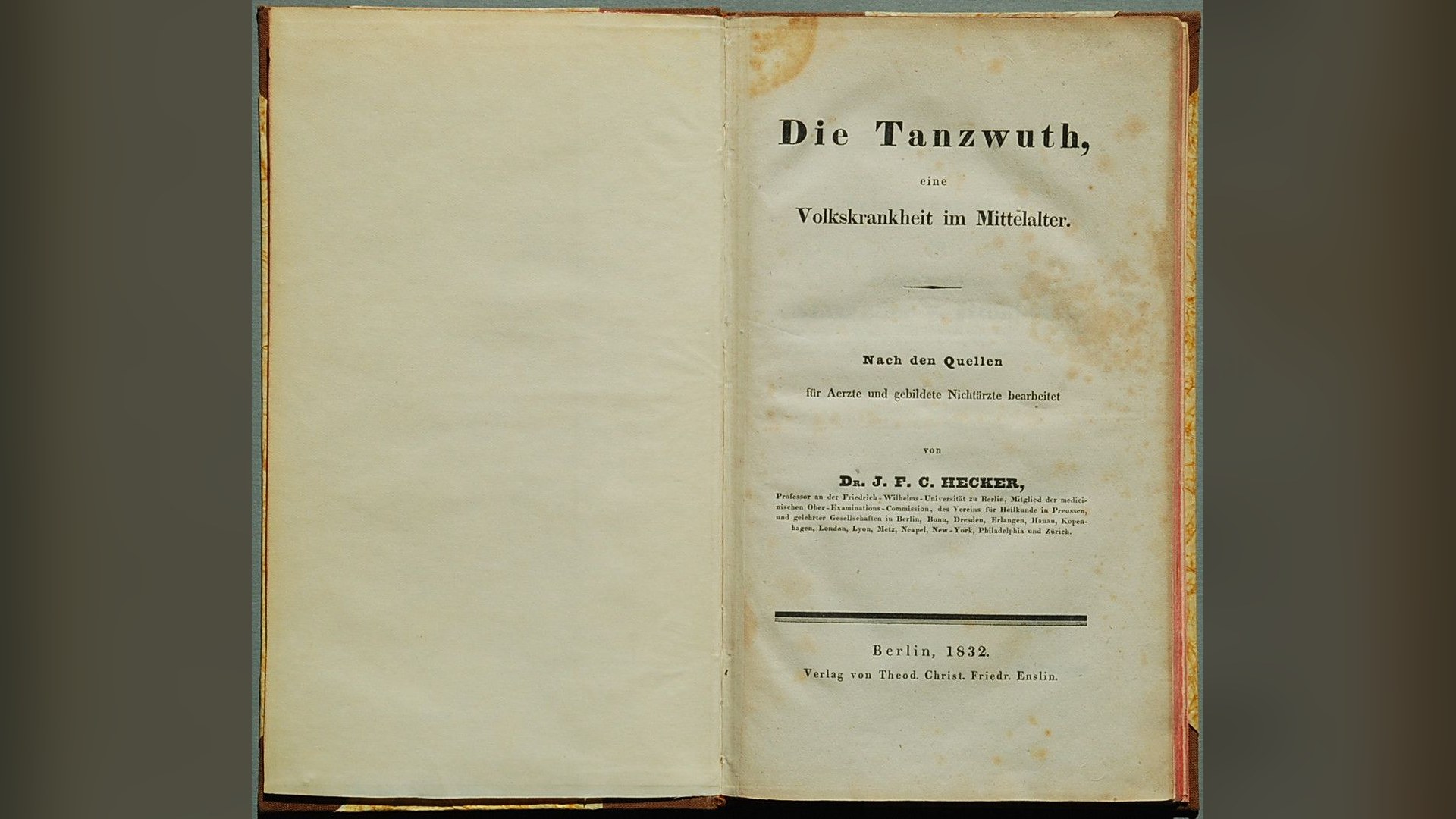
Strasbourg was not even the first outbreak. Dancing manias had erupted along the Rhine and Moselle rivers since at least 1374, when thousands danced through towns in Germany and the Low Countries.
Medieval Europe had seen this before. The fear of it was part of the culture, in the same way that later centuries feared vampires enough to bury their dead with stakes and sickles as protection. When people are frightened and exhausted, the fear itself can become the disease.
That is the setting the historian John Waller points to. His argument, built from the Strasbourg archives, is that the dancers were people crushed by famine, disease and religious terror, whose minds did something minds under extreme stress can do: they fell into a trance state, and the trance took the form their culture had taught them to expect.
Poisoned Bread, or a Plague of the Mind?

Two scientific explanations have fought over this story for decades. The first is poisoning. Ergot is a fungus that grows on rye and other grains, especially in wet years, and it produces powerful chemicals related to LSD.
Eat bread made from contaminated grain, the theory goes, and you hallucinate and convulse. The idea was popularised in the twentieth century and still appears in almost every retelling.

It has serious problems. Ergot poisoning in its convulsive form causes violent spasms, crawling sensations and hallucinations, and in its other form it cuts off circulation and turns fingers and toes gangrenous.
Neither version lets a person dance rhythmically for days on end, in step with hundreds of neighbours, while eating, sleeping badly, and then dancing again.
Waller made this point forcefully: people poisoned by ergot would be in agony and physically incapable of sustained dancing, and a poisoned food supply would have struck the rich and poor, young and old, far more randomly than the outbreak did.
The second explanation is mass psychogenic illness, also called mass hysteria. Under severe psychological stress, a person can enter a dissociative, trance-like state in which they lose conscious control of their movements but remain physically capable of extraordinary endurance.
The state is contagious in a specific way: watching someone else in the grip of it, while believing it can take you too, can pull a stressed mind in after them.
It is the same territory as other medical mysteries science still cannot fully explain, except here the mechanism is not a missing germ but the human brain itself.
Waller’s case fits the evidence best. The dancers came from a population under documented, extreme stress. They believed, in advance, in a curse that worked exactly this way.
The outbreak spread by sight, grew when the council put it on a stage, and ended when the sufferers were taken away from the audience and given the ritual cure they believed in. Every part of that pattern points at the mind, not the bread bin.
Other ideas have been floated over the centuries: demonic possession, overheated blood, epilepsy, typhus, tarantula venom in the Italian version of the mania.
None of them explains the scale, the duration, or the way the Strasbourg outbreak started and stopped. The honest position is that mass psychogenic illness is the leading explanation, not a proven one. Nobody can rerun July 1518 in a laboratory.
Did Anyone Really Dance to Death?
Here the famous version of the story needs a correction, because the deaths are the least certain part of it. The claim you will see repeated most often, that the plague killed as many as fifteen people a day at its peak, comes from later accounts, not from Strasbourg’s own records at the time.
The city’s contemporary documents, remarkably, do not record a death toll at all, and some modern scholars have questioned whether there were any fatalities.
That does not mean the claim is invented. Later chronicles describe dancers collapsing and dying of exhaustion, strokes and heart failure, and it is entirely believable that some did.
People danced for days in midsummer heat, on ruined feet, with little food or rest. Bodies fail under less than that. A death toll in the dozens across two months would surprise no doctor.
But “some dancers probably died” is different from the precise, confident numbers in the popular version. The truth is that we do not know how many died, or even for certain that anyone did.
The chronicles were written by people who were frightened, preaching, or copying each other, and five centuries of retelling has sanded a frightening rumour into a hard statistic.
It is a useful reminder of how easily a good story outruns its evidence, the same way shared false memories can convince millions of people they remember something that never happened.
What is not in doubt is the event itself. Council records, chronicles and the paper trail of the response, the stage, the musicians, the ban, the wagons to Saverne, all confirm that Strasbourg really did spend the summer of 1518 trying to govern a city that could not stop dancing.
The Verdict

Verdict: Debunked as anything supernatural. No curse, demon or saint was needed in Strasbourg in 1518. A starving, disease-ridden, terrified population, a culture that expected a dancing curse, and a city council that accidentally put the contagion on a stage did all of it.
The dancing plague was a real event with a human cause: minds breaking in the shape they had been taught to break in. The only part of the legend that shrinks under scrutiny is the body count, and even that does not make the story smaller. It makes it sadder.
Frequently Asked Questions
Did people really dance to death?
Some probably did. Later chronicles report dancers dying of exhaustion, strokes and heart attacks, but Strasbourg’s own records from 1518 list no deaths at all, and the often-quoted figure of fifteen deaths a day comes from later sources. The exact toll is unknown and disputed.
What caused the dancing plague of 1518?
The leading modern explanation is mass psychogenic illness: extreme stress from famine and disease pushed people into a trance-like state, in a culture that believed St Vitus could curse sinners with dancing. Ergot poisoning from contaminated rye is the main rival theory, but most historians now consider it unlikely.
Who was Frau Troffea?
She is the woman named in most chronicles as the first dancer. In mid-July 1518 she danced in a Strasbourg street for days until the authorities took her to the shrine of St Vitus at Saverne, where she reportedly recovered.
How many people were affected?
Somewhere between about 50 and 400. One chronicle says 400 within a month, but the records are incomplete and historians treat the higher figure with caution.
Was 1518 the only dancing plague?
No. Dancing manias were reported in Europe from at least 1374 onwards, mostly along the Rhine. Strasbourg 1518 was the best documented outbreak, and one of the last.
Join the Conversation
Could a mass hysteria like this happen again today? Or has the internet changed how we panic?
Read Next
- Medical Mysteries Science Can’t Explain
- The Mandela Effect: False Memories and the Examples That Fool Millions
- Vampire Burials: What Archaeology and History Actually Show
- The Beast of Gévaudan: The 18th-Century Monster That Killed Over 100 People
