

Some people leave a party feeling lighter. Others leave feeling like their phone battery looks at 4 p.m. — drained, dimmed, and in urgent need of a quiet corner and a charger. If you are in the second group, you have probably been asked what’s wrong with you.
Quite possibly, nothing is.
Preferring your own company is one of the most misunderstood traits in everyday psychology. It gets confused with loneliness, shyness, and even coldness — yet research on solitude tells a different story. For many people, chosen time alone is not an escape from life.
It is where they recover the energy, calm, and clarity that make the rest of life work. Here is what the science actually says.
Contents
- Solitude Is Not Loneliness
- It’s a Preference, Not a Problem
- What Alone Time Actually Does to Your Emotions
- Choice Is the Active Ingredient
- Why Some People Need More of It Than Others
- The Honest Downsides: When Alone Time Tips Over
- How to Enjoy Being Alone Without Drifting Away
- Frequently Asked Questions
- Conclusion
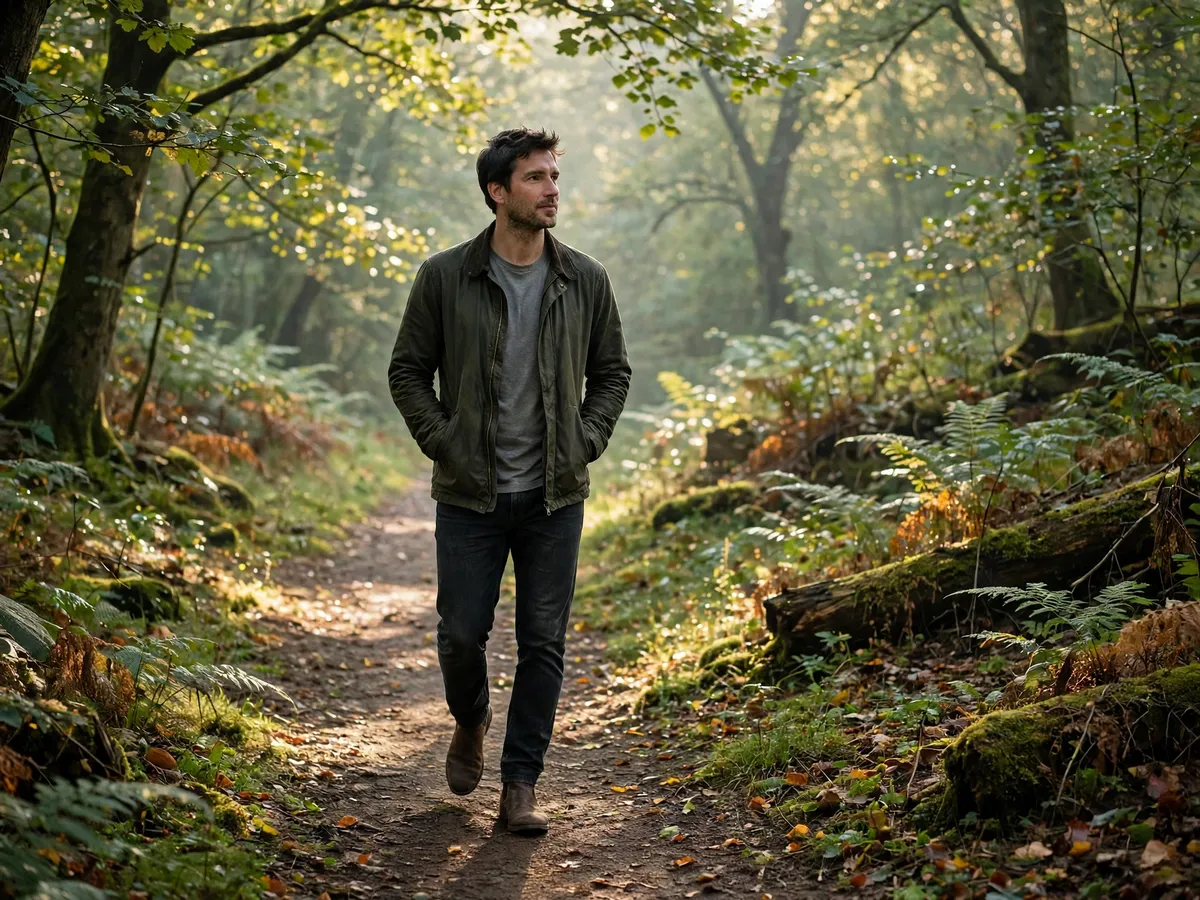
Solitude Is Not Loneliness
The first thing researchers in this field will tell you is that being alone and being lonely are two different experiences that happen to look identical from the outside. Solitude is simply a state: you are by yourself. Loneliness is a feeling: the painful sense that your social connections are not meeting your needs.
You can be lonely in a crowded room, and perfectly content alone in an empty one.
This distinction matters because it changes the question. Instead of asking “why does that person avoid people?”, it is often more accurate to ask “what does that person get from their time alone?” For people who enjoy solitude, the answer is something restorative — much as sleep is not an avoidance of being awake.
Solitude should not be confused with going silent when you are emotionally hurt: withdrawal driven by pain is a different experience from quiet chosen for pleasure or rest, even if both involve a closed door.
It’s a Preference, Not a Problem
People differ enormously in how much company they want, and psychologists have measured this for decades. In 1995, researcher Jerry Burger developed the Preference for Solitude Scale, a simple measure of how much someone chooses being alone over being with others.
Later work using the scale found something important: a strong preference for solitude is not the same thing as disliking people, lacking social skills, or being socially anxious. People who score high on it often find solitary time enjoyable and productive; people who score low tend to find the same time boring or wasted.
Neither group is broken. They are simply built with different appetites.
Think of it like appetite for food. Some people are happiest grazing all day; others prefer two good meals of company and long, quiet stretches in between.
Problems start when we judge one appetite by the standards of the other — when the social grazer decides the quiet person must be sad, or the quiet person decides everyone else is shallow.
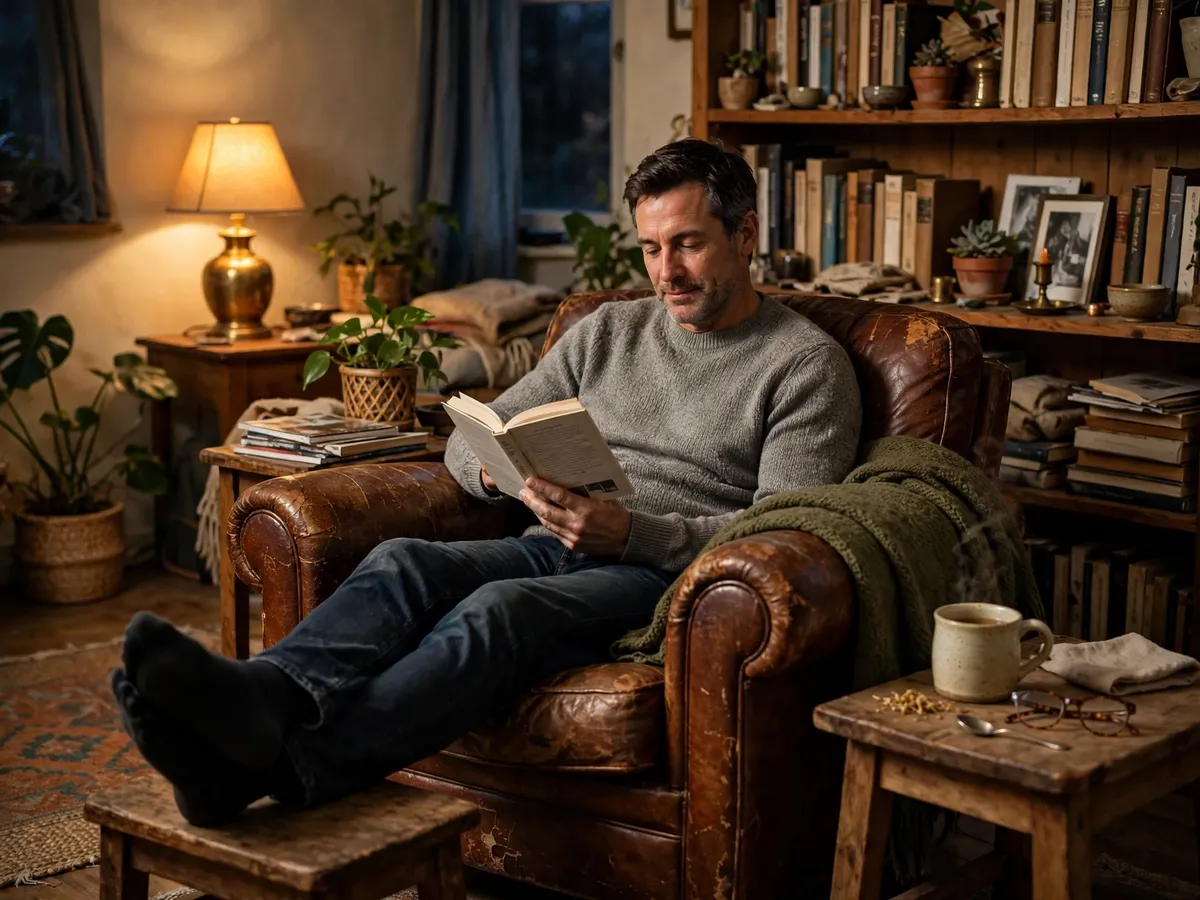
What Alone Time Actually Does to Your Emotions
The deactivation effect
In a series of experiments published in 2018, psychologists Thuy-vy Nguyen, Richard Ryan, and Edward Deci asked people to sit alone for about fifteen minutes and measured their emotions before and after.
The consistent result was what you might call a volume knob turning down: high-arousal emotions — excitement and alertness, but also anger, anxiety, and irritability — decreased, while low-arousal positive feelings such as calm and relaxation increased. Solitude, in other words, did not simply make people happier. It made them more settled.
That helps explain why a solo walk, a quiet drive, or twenty minutes with a coffee and no phone can feel like a reset. Social interaction, even enjoyable interaction, asks your brain to monitor expressions, time responses, manage impressions, and process other people’s moods.
Remove the audience and the workload drops — what feels like “recharging” is your emotional arousal coming back down to baseline.
Freedom and room to think
Reviews of the benefits people report from solitude, going back to work by Christopher Long and James Averill, find the same themes recurring: freedom from social pressure, privacy, self-reflection, and room for creative work. Alone, there is nobody to perform for.
You can think a thought all the way to the end, change your mind without explaining yourself, or let your mind wander, which is often when ideas arrive. For people whose work or home life is intensely social, that freedom is not a luxury. It is maintenance.

Choice Is the Active Ingredient
If there is one finding that runs through almost all modern solitude research, it is this: the benefits depend on whether the alone time feels chosen.
Nguyen’s work found that people who engaged in solitude voluntarily gained more emotional benefit from it, and research in self-determination theory suggests why — freely chosen solitude satisfies a basic human need for autonomy, the feeling that your life is yours to steer.
A 2023 registered report by Netta Weinstein and colleagues, tracking people’s everyday solitude over several weeks, added honest nuance.
On days when people spent more hours alone, they tended to feel lonelier and less satisfied — but those links weakened or disappeared when the solitude was self-chosen, and more alone time also came with lower stress and a stronger sense of acting freely.
The same hours, in other words, can cost you or restore you depending on whether you picked them.
Here is the part that surprises most people: in a 2022 study, Nguyen found that what predicted a healthy, self-determined motivation for solitude was autonomous functioning — being guided by your own values and interests — not introversion. Plenty of outgoing people deliberately protect their alone time, and plenty of introverts feel lonely in theirs.
Enjoying solitude is less about being a “type” and more about whether the time feels like yours.
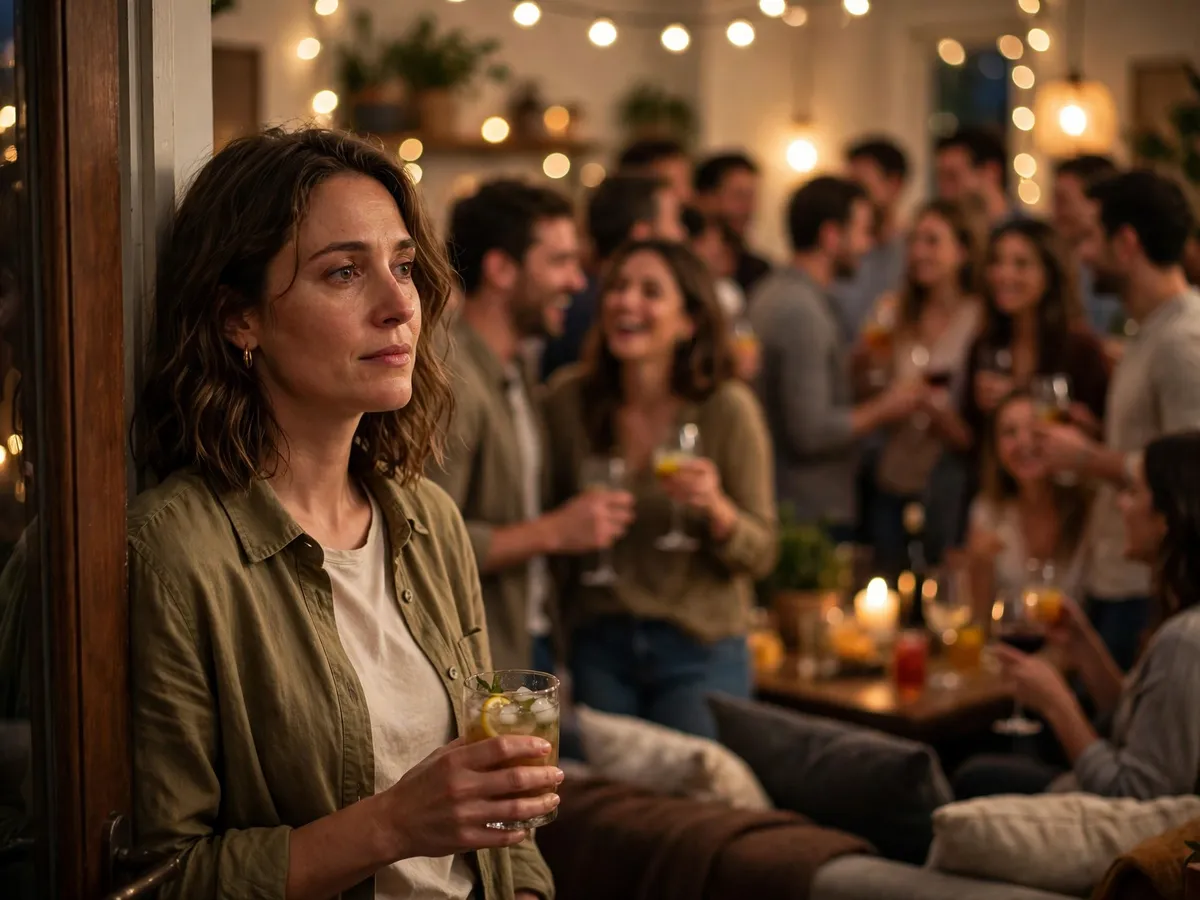
Why Some People Need More of It Than Others
So why does your friend thrive on a packed social calendar while you need a day to recover from one dinner? Several ordinary factors stack up. Temperament plays a role: people differ in how stimulating they find social interaction, and those who find it more stimulating tend to tire of it faster.
Life circumstances matter just as much. A nurse, teacher, retail worker, or parent of small children may spend all day responding to other people’s needs, and their hunger for solitude in the evening is simply a hunger for the one thing their day lacked.
Someone who works alone from home may have the opposite deficit and crave company.
It also changes across life. Research on older adults using the Preference for Solitude Scale has found that the “productive” side of solitude — using it for absorbing, meaningful activity — is linked with positive mood and life satisfaction.
The need is not fixed, either: it rises in demanding seasons of life — many people notice it during the socially saturated weeks of December, when the calendar fills up — and eases when life gets quieter. Your ideal ratio of people to peace is personal, and it is yours to set.
The Honest Downsides: When Alone Time Tips Over
None of this means unlimited alone time is good for everyone. Humans are a social species, and the same research tradition is clear that imposed isolation — being alone because you feel excluded, rejected, or afraid — is associated with loneliness and worse well-being.
Solitude restores when it is chosen, reasonably time-limited, and balanced by real connection. It stops restoring when it becomes the only place you feel safe.
There is also the matter of what your mind does in the quiet. In a 2014 study in Science, Timothy Wilson and colleagues found that many people disliked being left alone with their thoughts for six to fifteen minutes — some chose to give themselves a mild electric shock rather than sit and think.
Unstructured solitude can open the door to rumination, which is one reason some people’s minds become most active when everything gets quiet.
If your alone time leaves you feeling worse rather than calmer, that is useful information — about the amount, the structure, or the support you might need — not a verdict on your character.

How to Enjoy Being Alone Without Drifting Away
Choose it on purpose, and say so
Because choice is the active ingredient, it helps to make alone time deliberate: put it in the calendar, tell the people you live with what you are doing, and treat it as an appointment rather than a disappearance.
“I’m taking Saturday morning for myself” lands very differently — for you and for them — than silently vanishing.
Give the time a light structure
Solitude works best for most people when it has a gentle container: a walk, cooking, gardening, a long bath, a rainy afternoon with a book. Activities like these hold your attention softly, leaving room for the deactivation effect without handing the microphone to rumination.
Protect the return trip
The healthiest solitude has a way back. Stay loosely connected — answer the message eventually, keep the standing coffee date, let people know you are well. The goal is a rhythm: enough people to feel connected, enough peace to feel like yourself.
Frequently Asked Questions
Is it normal to feel happier alone than with other people?
Yes. Research using the Preference for Solitude Scale shows people differ widely in how much company they want, and a strong preference for solitude is not linked to poor social skills or social anxiety.
For many people, chosen alone time reliably lowers stress and emotional arousal — feeling happier alone is a preference, not a symptom.
Does enjoying being alone mean I’m an introvert?
Not necessarily. A 2022 study by Thuy-vy Nguyen found that autonomous functioning — being guided by your own values and interests — predicted a healthy motivation for solitude, not introversion. Extraverts can love and need their alone time too; what matters is whether the time feels freely chosen.
What is the difference between solitude and loneliness?
Solitude is a state — being by yourself — and it can feel calm, free, and restorative. Loneliness is a feeling — the painful sense that your connections are not enough — and it can happen in a crowd.
The same evening alone can be either one, depending on whether you chose it and whether your need for connection is being met overall.
How much alone time is healthy?
There is no single right amount. Everyday-solitude research finds that more hours alone can come with loneliness when the time feels imposed, but with lower stress and more autonomy when it feels chosen. A practical test: healthy solitude leaves you calmer and more willing to engage with people afterwards, not less.
When should I worry about my preference for being alone?
If being alone stops feeling like a choice — if you are avoiding people out of fear, low mood, or a sense that you don’t deserve company — or if your world keeps shrinking, it may have tipped from solitude into isolation.
That shift is common and nothing to be ashamed of, and talking to a trusted person or a professional can help.
Conclusion
Some people are happier alone for the same reason some people are happier after a run or a long sleep: it gives them something they genuinely need. The research is reassuringly clear — chosen solitude calms emotional arousal, restores a sense of freedom, and satisfies our need to steer our own lives.
It is not loneliness, not a social failure, and not a personality flaw. The healthiest approach is not to maximise people or minimise them, but to learn your own rhythm: enough company to feel connected, enough quiet to feel like yourself — and the confidence to stop apologising for the second half of that equation.
Want to know your own type? Take our Big Five personality quiz — 20 questions, about two minutes.
Read Next
Winnie the Pooh: The Mental Disorder Theory
