
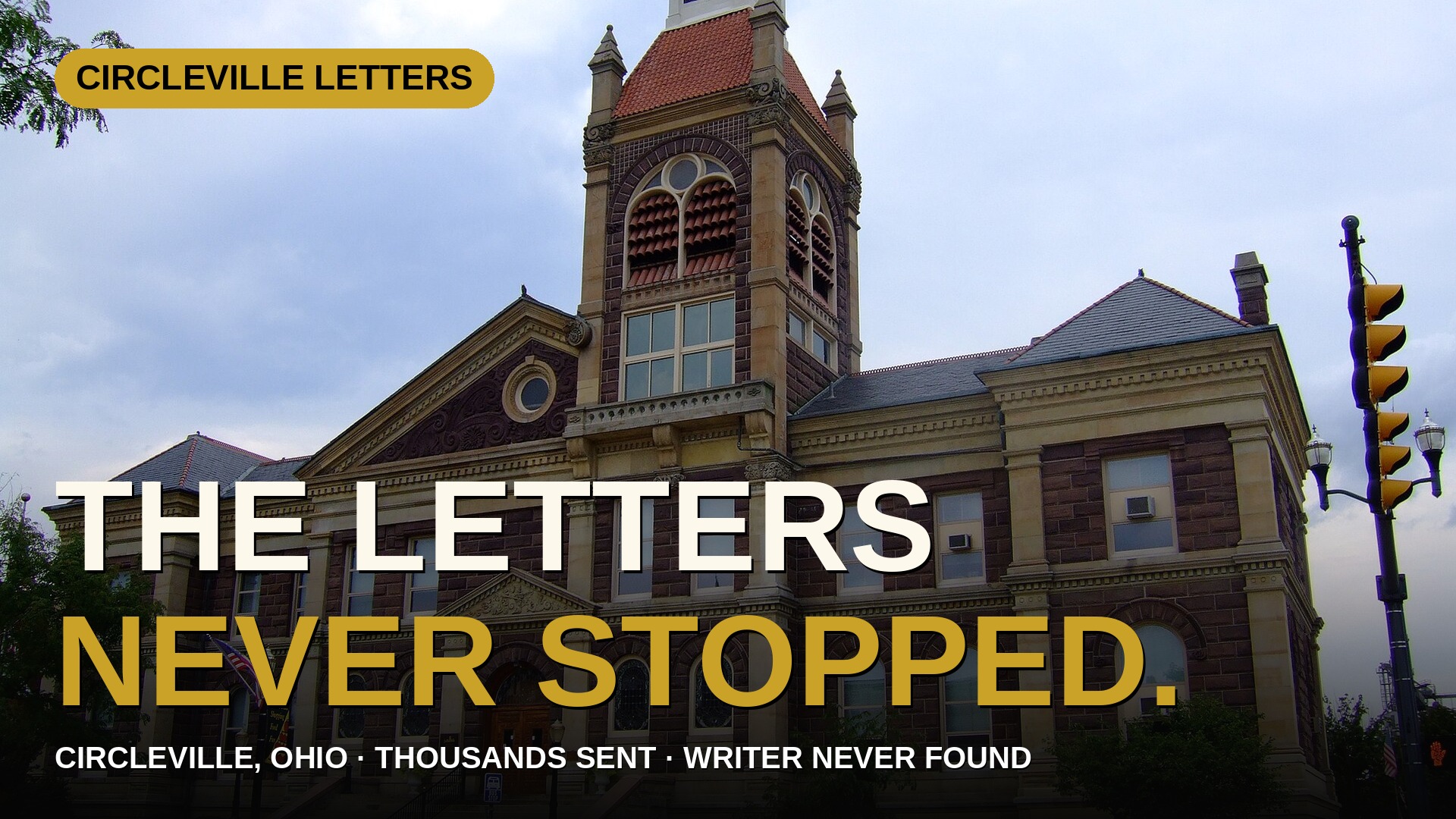
The first letter arrived in 1976, postmarked Columbus, Ohio, with no return address. It was addressed to Mary Gillispie, a school bus driver in the small town of Circleville, and it accused her of an affair she said did not exist.
The writer claimed to be watching her house. The writer knew she had children. And the writer warned her: end the alleged affair with the school superintendent, or the claim would be broadcast to the whole town.
Mary kept the letter to herself at first. Then her husband Ron received one too, telling him his life was in danger if he did not act. Within weeks, the writer was threatening posters, signs and billboards.
What followed lasted nearly two decades. A man died in circumstances his family never accepted. Another man went to prison for a booby trap, insisting he was framed. And the letters — the letters kept coming anyway.
The Case
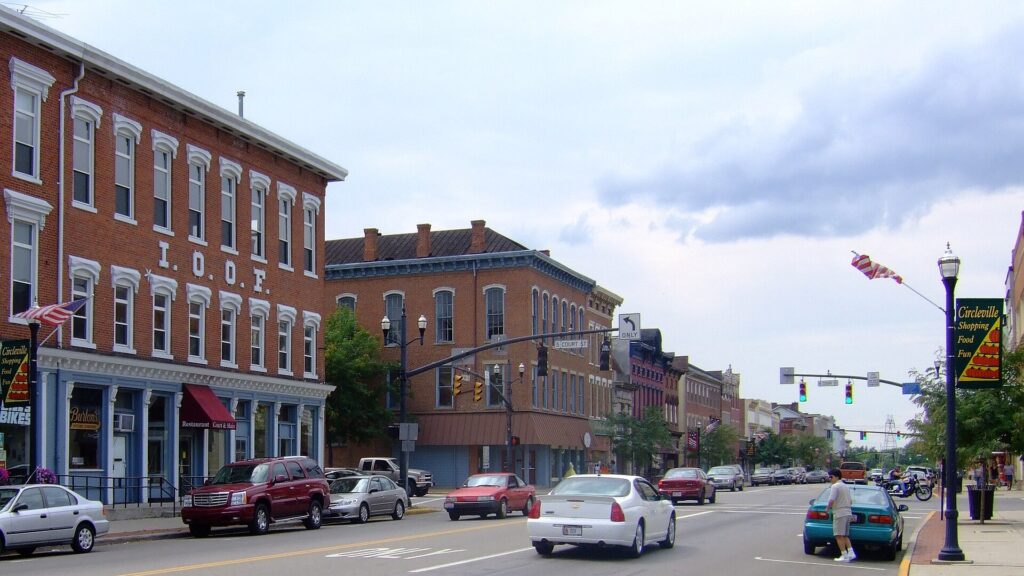
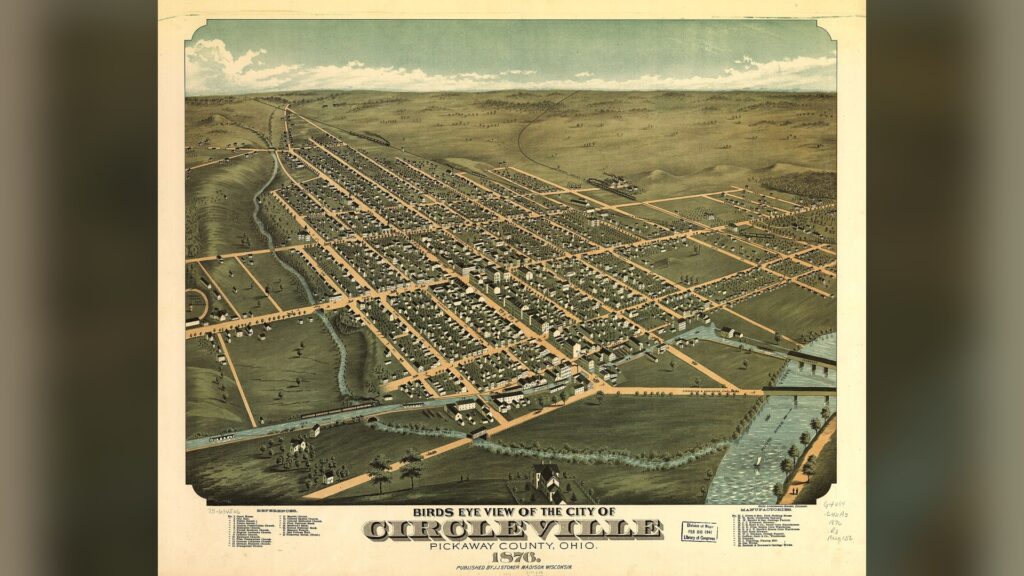
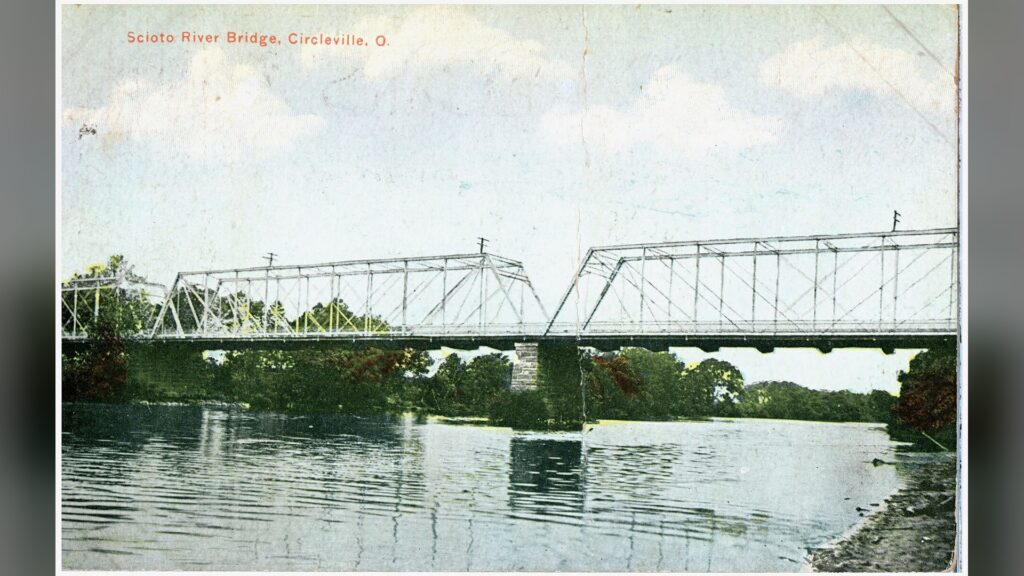
Mary Gillispie drove a bus for the Westfall School District. The letters accused her of an affair with superintendent Gordon Massie. These were allegations, and Mary denied them. She and Ron decided to say nothing and hope the writer tired of the game.
When the threats escalated, the couple confided in a small circle: Ron’s sister Karen, her husband Paul Freshour, and Paul’s sister. On Freshour’s suggestion, they wrote to the man they suspected, saying they knew who he was. For weeks, the letters stopped.
On 19 August 1977, Ron received a phone call at home. Whatever was said angered him and seemed to confirm his suspicion. He took his gun, told his children he was going to confront the writer, and drove into the night.
Minutes later, his pickup left the road near home and hit a tree. Ron, aged 35, was dead. His gun had been fired once. His blood alcohol was 0.16, above the legal limit, though his children said he had not seemed drunk.
Sheriff Dwight Radcliff ruled it an accident. The family never accepted that, and who phoned Ron that night has never been answered. The letters resumed — and widened to residents, businesses and officials across town.
The writer also posted signs along Mary’s bus route. Ron had once driven out early to tear them down before their daughter saw them. After his death, Mary faced them alone.
On 7 February 1983, Mary stopped her bus and pulled down a sign carrying an obscene claim about her daughter. Attached was a box. Inside it, found that evening, sat a .25 calibre pistol rigged to fire as the sign was torn free.
The trap failed to fire, and Mary was unharmed. Police restored the gun’s partly filed serial number and traced it to Paul Freshour — Ron’s brother-in-law, by then separated from Karen. Freshour said it had been stolen from him, unreported.
Freshour was never charged with writing a single letter. But in October 1983 he was convicted of Mary’s attempted murder and sentenced to 7 to 25 years. The handwriting evidence was contested: he had been made to copy a writer’s letter, a method analysts later criticised.
One lead never reached court. Reporter Martin Yant found that another bus driver had seen a man who looked nothing like Freshour beside a yellow El Camino near the sign site, twenty minutes before Mary reached it.
The Anomaly
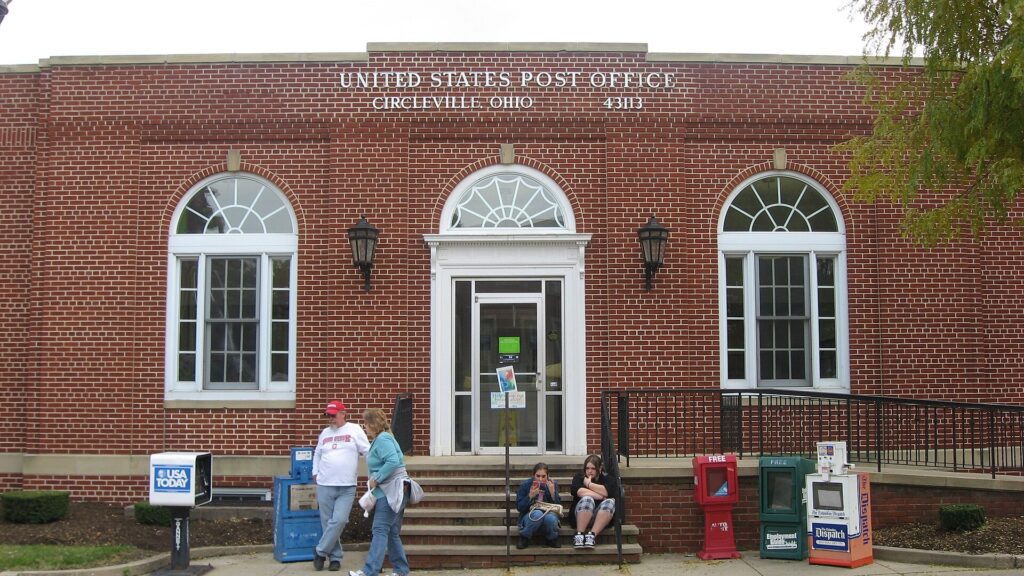
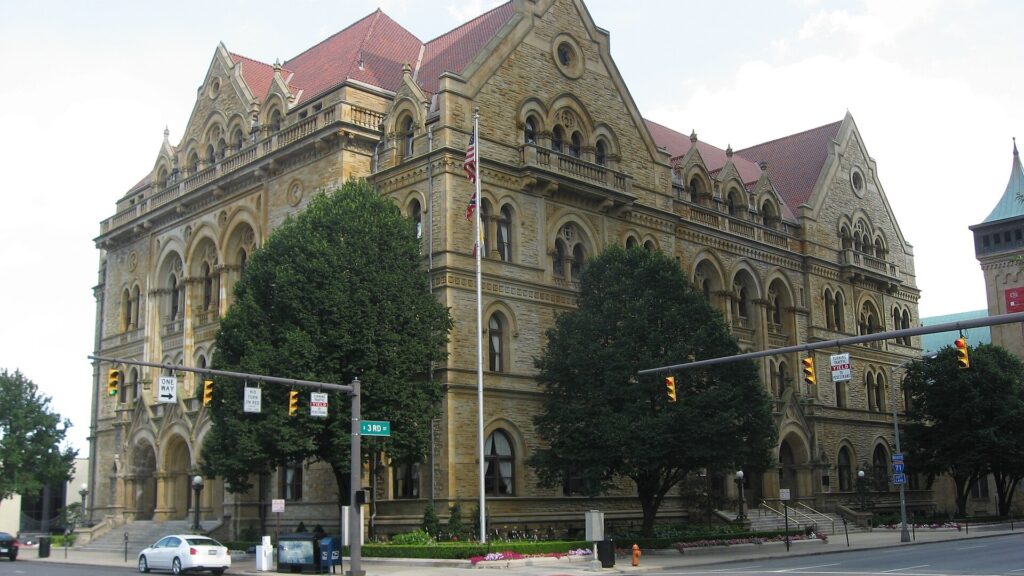
If Freshour was the writer, prison should have ended the letters. It did not. Letters in the same block capitals, postmarked Columbus, kept arriving in Circleville throughout his sentence — including, by the prison warden’s own confirmation, while he was in solitary confinement.
Solitary meant no access to writing materials. Yet the mail continued, and it continued to know things. Residents received fresh accusations. Officials received fresh threats. The writer’s knowledge of the town did not freeze in 1983.
Then the writer wrote to Freshour himself. After a parole hearing ended without his release, a letter reached him in prison: “Now when are you going to believe you aren’t going to get out of there? I told you 2 years ago. When we set ’em up, they stay set up. Don’t you listen at all?”
Read that line again. “When we set ’em up.” If the letter is genuine, its author is claiming Freshour was framed — and claiming it to the man in the cell. Freshour maintained his innocence for the rest of his life.
Honesty requires the counterweight. The letters stopped in 1994, the year Freshour was paroled, and in 2021 a forensic document examiner told CBS’s 48 Hours she was certain Freshour’s handwriting matched the letters. A detailed account of the case at Mental Floss lays out how disputed that evidence remains.
The case reached television on 11 November 1994, when Unsolved Mysteries aired its segment. A postcard then arrived at the show’s post office box, signed “The Circleville Writer”, warning: “Forget Circleville Ohio… If You Come to Ohio You El Sickos Will Pay.”
The Verdict
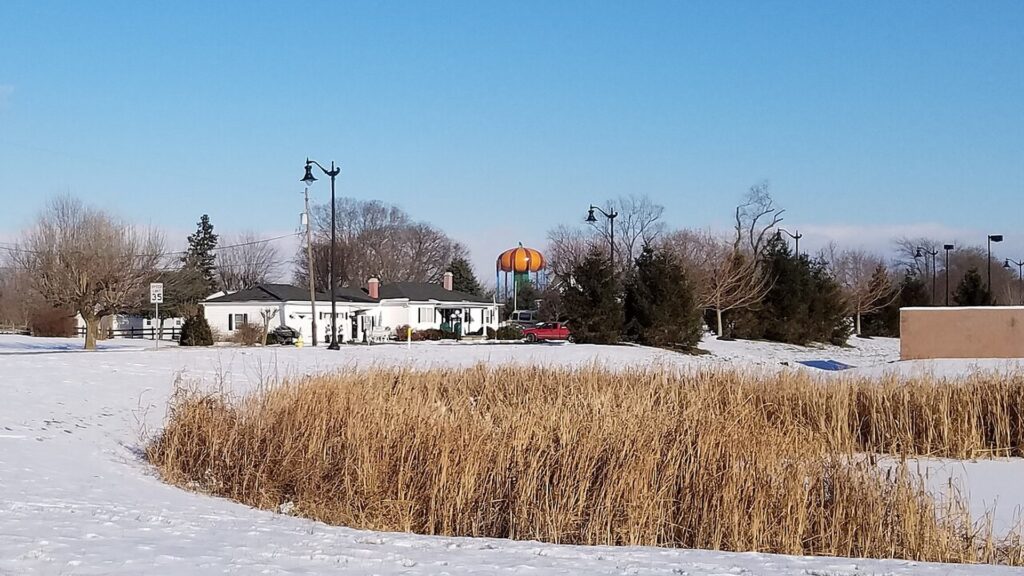
The official story has a hole in its centre. A man was convicted of a booby trap built around his own gun, and a town was told the letter writer was behind bars. Then the letters arrived from outside the prison, taunting the convicted man by name.
There are only a few ways to hold both facts at once. Freshour had an accomplice who kept writing. Or Freshour wrote some letters and someone else wrote the rest — reporter Martin Yant came to suspect more than one writer. Or the wrong man was convicted on a stolen gun and a flawed handwriting test.
None of these can be proved now. Freshour was released in May 1994 and died in 2012, still protesting his innocence. Ron Gillispie’s death is still officially an accident. The writer, whoever it was, was never identified or charged.
Verdict: Unresolved. Paul Freshour may have been the Circleville Writer, an accomplice, or an innocent man framed with his own stolen gun — the letters that continued from outside his prison cell mean the official story has never fully added up.
Frequently Asked Questions
What were the Circleville Letters?
Anonymous, threatening letters sent to residents of Circleville, Ohio, from 1976 into the 1990s. Written in block capitals and postmarked Columbus, they accused recipients of secrets and threatened violence. Hundreds were sent over the years.
Who was Mary Gillispie?
A Westfall School District bus driver and the writer’s main target. The letters alleged an affair with superintendent Gordon Massie, which she denied at the time. In 1983 she found a booby-trapped sign on her bus route, rigged with a pistol.
How did Ron Gillispie die?
On 19 August 1977, after an angry phone call, he drove out with his gun and crashed into a tree near his home. His gun had been fired once. Sheriff Dwight Radcliff ruled it an accident; his family never accepted that ruling.
Was Paul Freshour the Circleville Writer?
He was convicted in 1983 of attempted murder over the booby trap, whose gun was traced to him, but he was never charged with writing the letters. Letters continued while he was in prison, including in solitary confinement. He died in 2012 maintaining his innocence.
Was the Circleville Writer ever caught?
No. No one was ever charged with writing the letters, and the writer’s identity remains unknown. The case was featured on Unsolved Mysteries in 1994, after which a postcard signed “The Circleville Writer” was sent to the show.
Join the Conversation
Was Paul Freshour a stalker caught by his own gun, a man with an accomplice, or the victim of the most patient frame-up in Ohio history? And who made that phone call to Ron Gillispie in 1977? Tell us where you land.
Read Next
The Sodder Children: Vanished From a House Fire
The Lead Masks Case: Brazil’s Strangest Unsolved Deaths
