
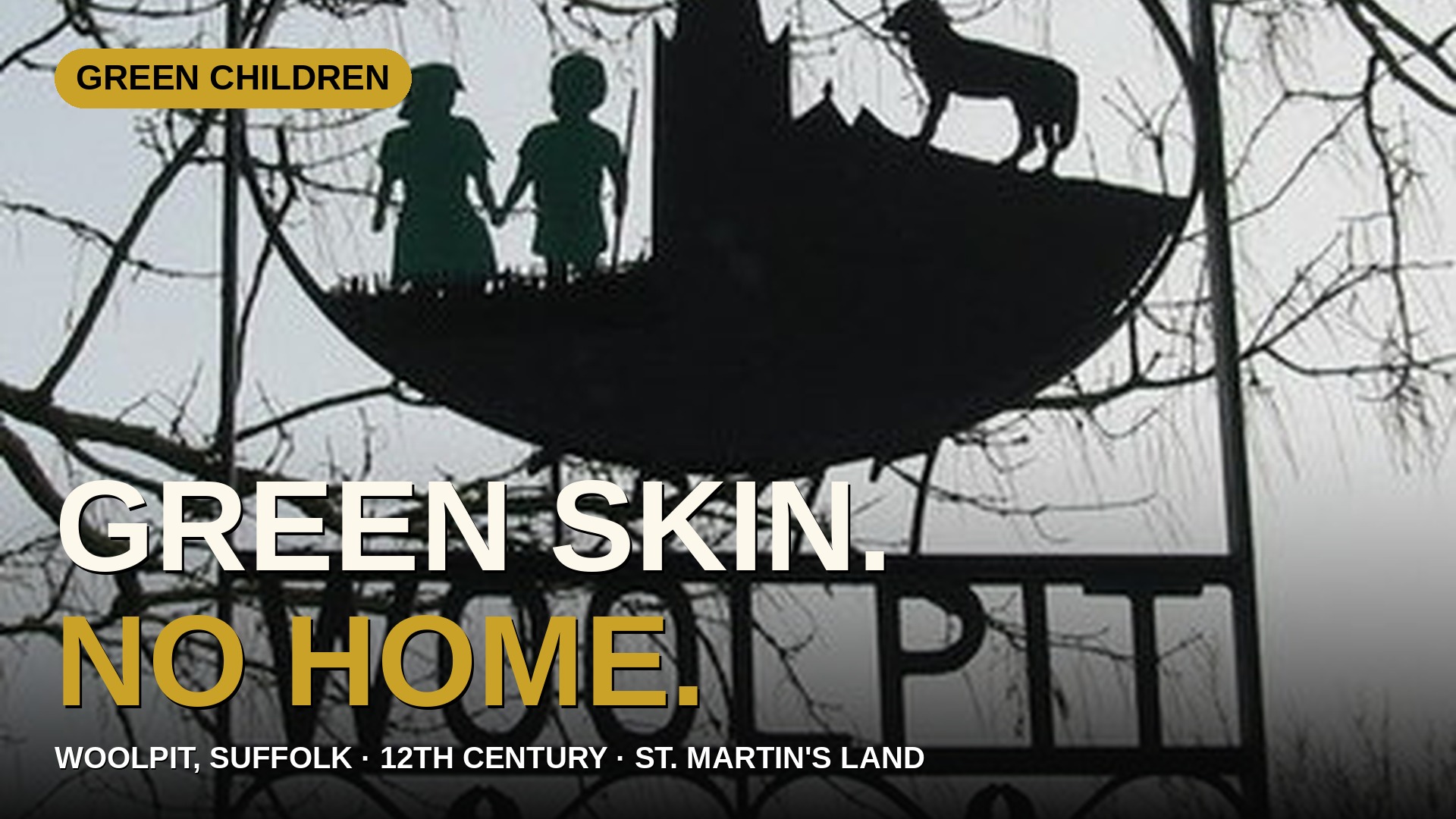
One summer day in 12th-century Suffolk, harvest workers near the village of Woolpit found two children beside an old wolf pit. A boy and a girl, brother and sister, apparently. And green — not pale, but green all over.
Their clothes were cut from a material nobody recognised. They spoke and wept in a language nobody understood. Offered the food of the house, they refused everything, and for days they seemed ready to starve.
Then someone brought in freshly cut broad beans. The children seized on them, ate the beans raw, and for a long time would touch nothing else. It was the first clue in a case that has never produced a second one good enough.
This is not a tale written down centuries later by a collector of folklore. Two medieval chroniclers recorded it within living memory of the event, and both said they had it from witnesses they trusted.
Scholars are still publishing comparative studies of the two chronicles, in journals such as Res Historica — and still reaching no agreed answer.
The boy died. The girl lived, learned English, and told her hosts where she had come from. Her answer has kept the story alive for more than 800 years.
The Chroniclers
Everything we know comes from two Latin texts. The first is by William of Newburgh, an Augustinian canon in Yorkshire, far to the north. His Historia rerum Anglicarum, written around 1189, places the event in the reign of King Stephen.
William knew how the story sounded. He wrote that he had been overwhelmed by the weight of trustworthy reports and felt compelled to believe it. His account rests on unnamed sources, and he flags his own unease rather than hiding it.
The second writer is closer to the ground. Ralph of Coggeshall was abbot of a Cistercian house about 26 miles from Woolpit. Writing in the 1220s, he names his source: Sir Richard de Calne, the knight who took the children in.
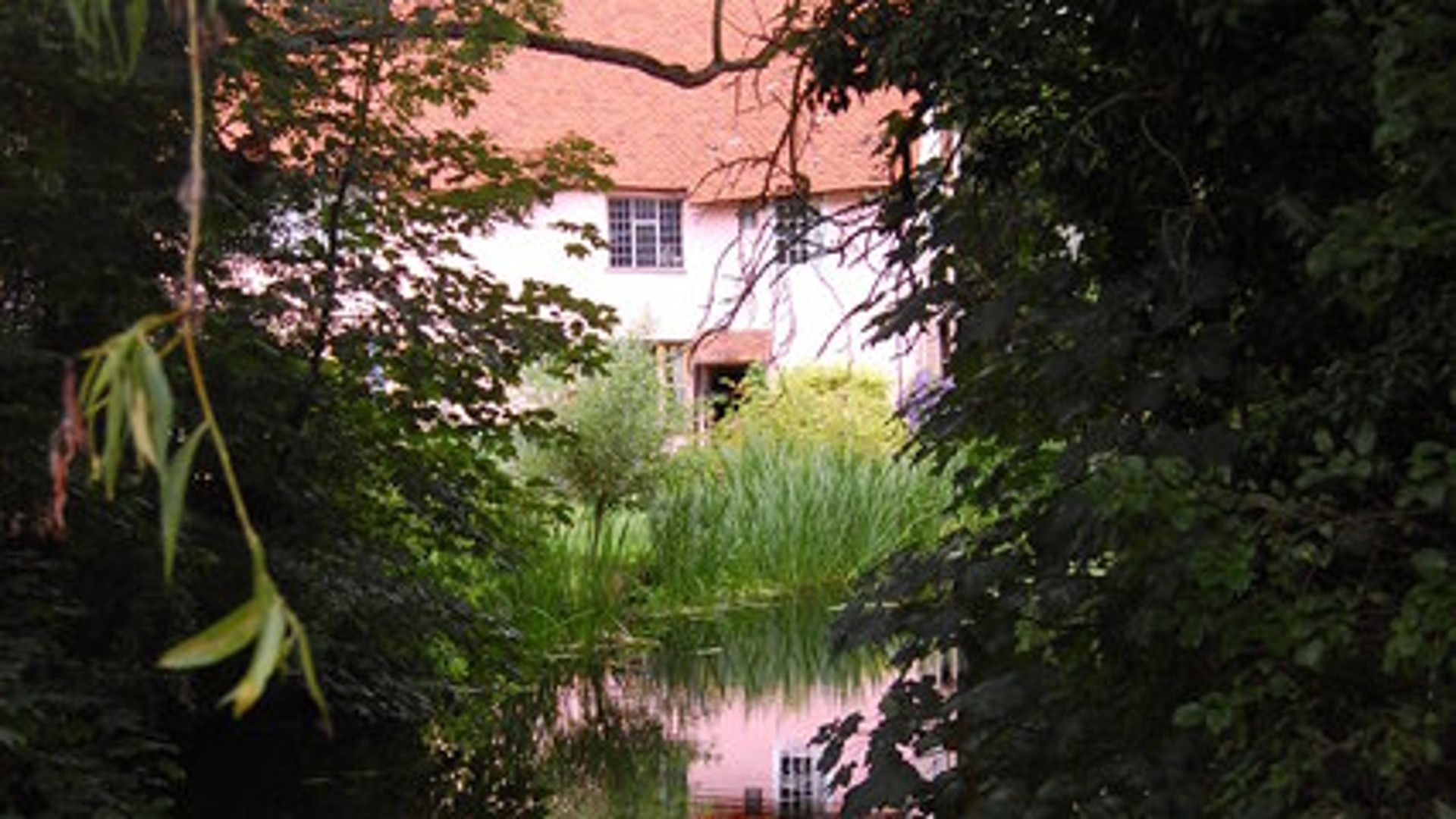
Ralph says the children were carried to de Calne’s manor at Wykes, six miles north of Woolpit. Woolpit itself takes its name from the Old English wulf-pytt — a pit dug to trap wolves. The children were found beside one of them.
On the core facts, the two writers agree. Green skin. Unknown language. Strange clothing. A refusal of all food until the raw broad beans. The boy, sickly, died around the time of his baptism. The girl’s green colour faded as her diet widened.

On the details, they split. William alone names the children’s home: St Martin’s Land. Ralph alone adds that everything in that land was green. Each writer gives the girl a different account of how she arrived, and a different later life.
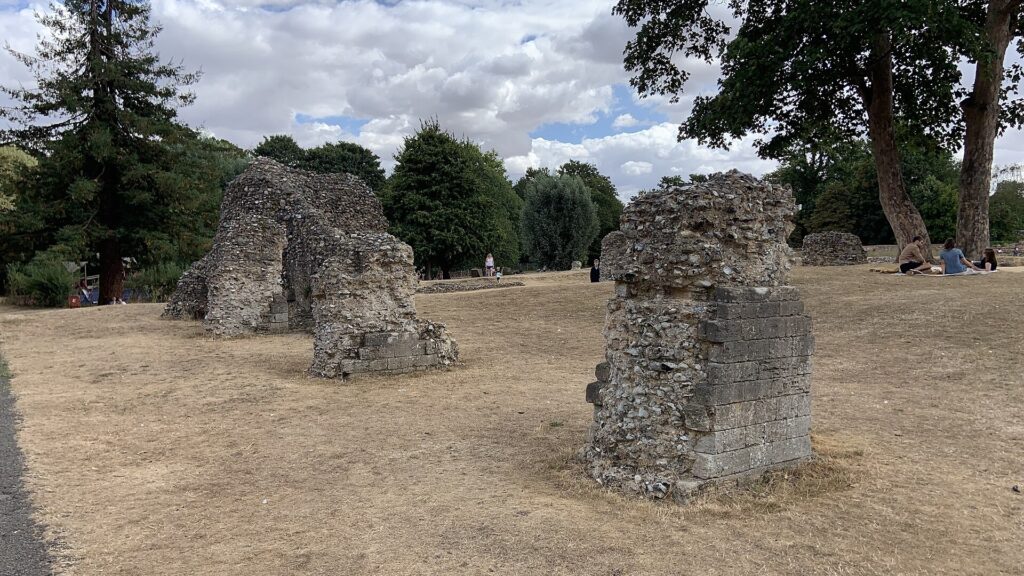
William says the children were herding their father’s cattle when they heard a loud sound, like the bells of Bury St Edmunds Abbey, and suddenly found themselves by the wolf pit. Ralph says they followed the cattle into a cave and emerged, guided by bells, into our world.
Their endings for the girl differ too. Ralph keeps her as a servant in de Calne’s household for years, and calls her “very wanton and impudent”. William says she married a man from King’s Lynn and was still living there when he wrote.
The Theories
The plainest explanation is medical. Chlorosis — hypochromic anaemia, once called “green sickness” — can give the skin a greenish tinge. It is tied to iron deficiency and poor diet, exactly what two lost, starving children would suffer.
The fit is tempting. Ralph himself linked the girl’s colour to her diet, and her green faded as she ate normal food. A malnourished child, eating properly at last, losing a strange pallor: the chronicle describes the cure.
But chlorosis produces a faint pallor, not the striking green both writers describe as unlike any mortal skin. And in a century of widespread malnutrition, greenish children should have been common, not a wonder worth recording twice.
The boldest historical theory came from Paul Harris in 1998. He argued the children were Flemish. Flemish settlers lived around Fornham St Martin, a village just north of Bury St Edmunds, and Flemish speech would have sounded like no language Suffolk villagers knew.
In October 1173, at the Battle of Fornham, royal forces defeated rebels backed by Flemish mercenaries, and many Flemings were slaughtered. Harris suggested the children were orphans of that violence, who fled into Thetford Forest and reached Woolpit half-starved.
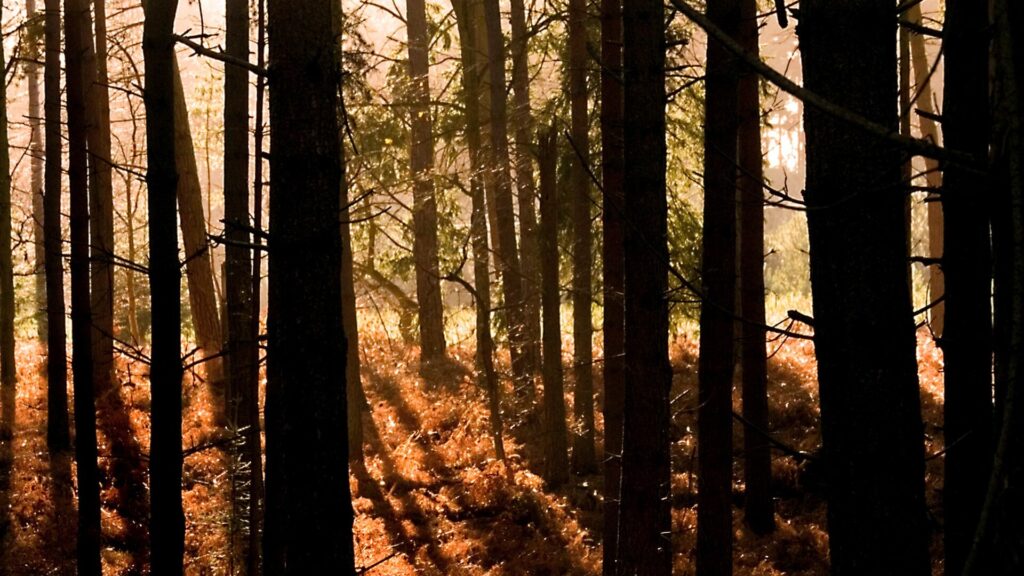
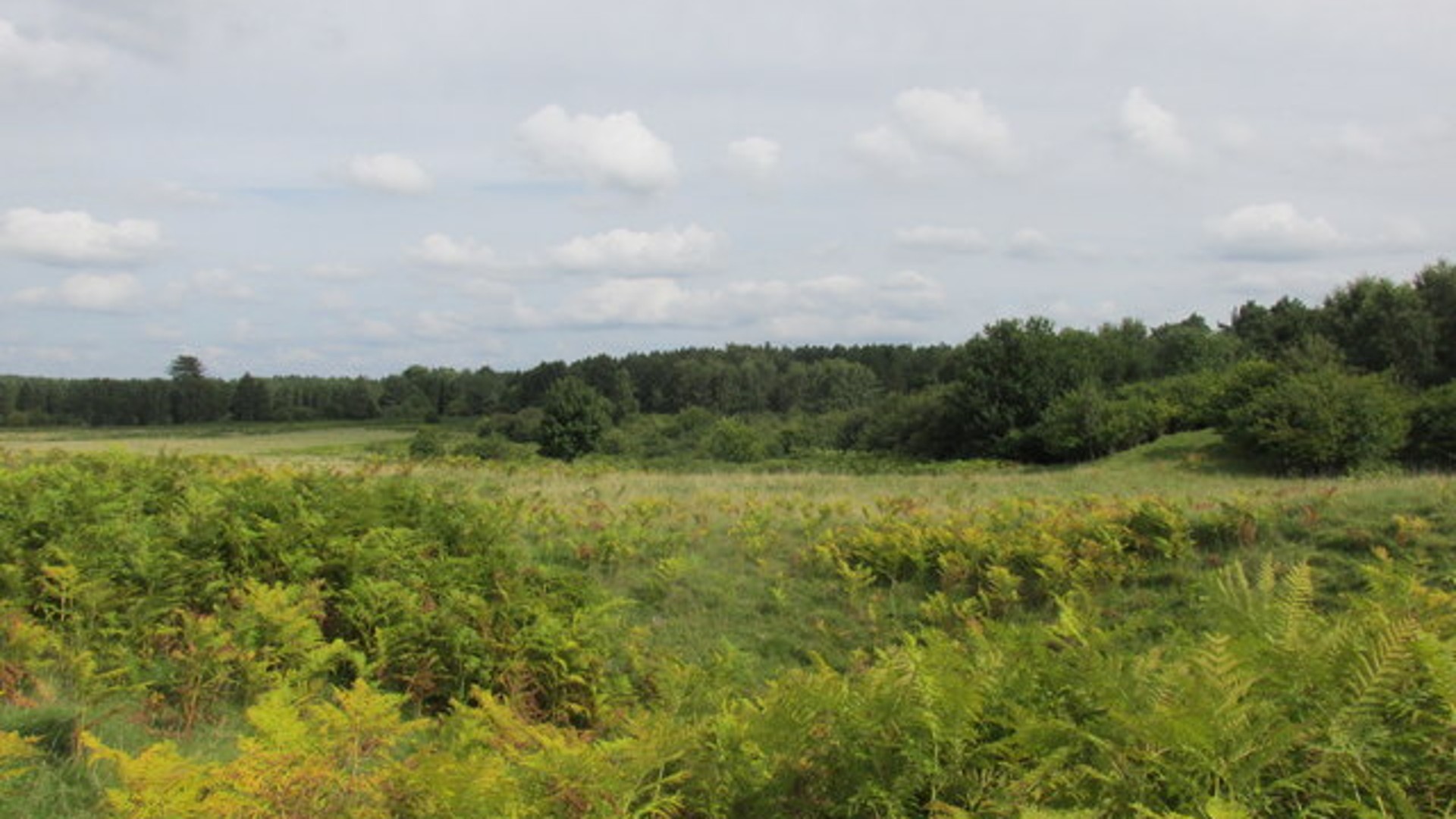
Under this reading, every strange detail decodes. St Martin’s Land is Fornham St Martin. The wide river is the Lark. The bells are those of Bury St Edmunds. The cave is a tunnel in Grime’s Graves, the ancient flint mines near Thetford. Even the green skin fits, as chlorosis.
The problem is the calendar. William dates the event to the reign of King Stephen, which ended in 1154 — nineteen years before the battle. The chronicles also set the scene at harvest, in summer. The Battle of Fornham was fought in autumn.
There is another gap. Richard de Calne was an educated landowner, and Flemish clothworkers had lived in East Anglia for generations. If the children spoke Flemish, someone in his household would likely have recognised it. Nobody did.
The third reading takes the girl literally. A twilight land under no sun, reached through a cave, sits squarely in medieval folklore. Gerald of Wales tells a similar tale of a boy led underground into a beautiful land lit by no full sun.
Modern retellings push that reading further — a subterranean world, a parallel place, even visitors from another planet. They believe the witness. But there is no evidence for any of them beyond her words.
The Verdict
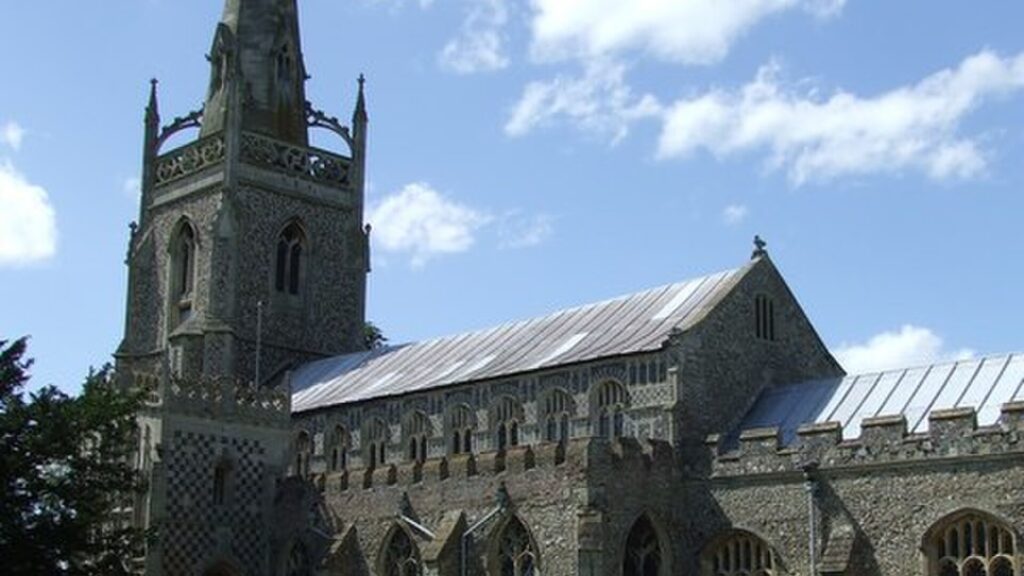
What survives every theory is the specificity of the record. Two serious chroniclers, writing independently, fixed the same odd details: the colour, the beans, the bells, the twilight land. Invented marvels were common in medieval chronicles. This one reads like a report.
Yet no explanation covers the whole account. Chlorosis explains a pallor, not the colour described. The Flemish theory explains the language and the place names, but breaks against the date its own key source gives. The otherworld explains the girl’s words and nothing else.
It is also possible the truth is smaller than the story: two lost children, a garbled retelling, and details that grew stranger with each telling. But that possibility, too, is a guess. The record ends where it begins — with two writers who could not explain what they were told.
Verdict: Unresolved. The Green Children were recorded by two credible medieval chroniclers and were probably real, lost children — but no theory, medical, historical or otherworldly, accounts for every detail they reported, and the evidence needed to settle it no longer exists.
Frequently Asked Questions
Who were the Green Children of Woolpit?
Two children, a brother and sister, found beside a wolf pit at Woolpit in Suffolk in the 12th century. Their skin was green, their clothing unfamiliar, and their language unknown to everyone who heard it.
What did the surviving girl say about where they came from?
After learning English, she said they came from a land where the sun never rose and the light was like twilight. William of Newburgh calls it St Martin’s Land. Ralph of Coggeshall adds that everything there was green.
Why were the children green?
Nobody knows. The most common medical suggestion is chlorosis, or “green sickness”, an iron-deficiency anaemia that can tint the skin. Critics note it causes a mild pallor, not the vivid green the chroniclers describe.
What happened to the two children?
The boy was sickly and died around the time of his baptism. The girl survived, lost her green colour as her diet widened, and lived on — as a servant in Richard de Calne’s household, and, in William’s account, later as a wife in King’s Lynn.
Is the Green Children story true?
It rests on two near-contemporary chronicles whose authors cite witnesses, which is stronger evidence than most medieval marvels have. Whether the event happened exactly as recorded cannot be proved, and historians remain divided.
Join the Conversation
Two lost children with a medical condition, two Flemish orphans on the run, or two visitors from a twilight land who took a wrong turning through a cave? Tell us which explanation you land on — and which detail you cannot make fit.
Read Next
People Who Vanished Without a Trace
The Sodder Children: Vanished From a House Fire
Also read The Medieval Insults Taking Over Your Feed: Only One Checks Out
