
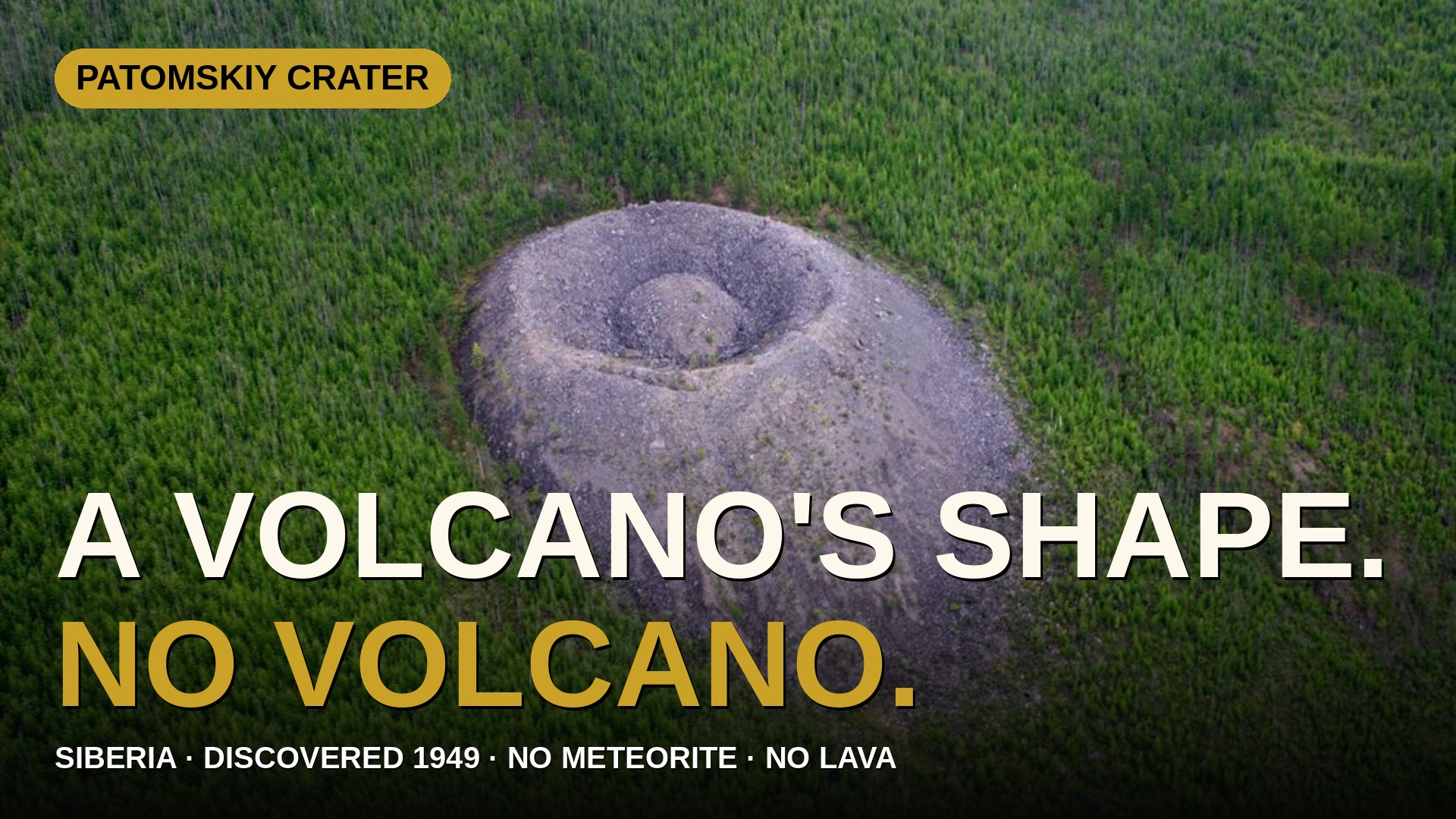
In 1949, a young geologist named Vadim Kolpakov was mapping remote taiga in the Patom Highlands of Siberia’s Irkutsk region. Local Yakut people warned him about a place ahead. They called it the Fire Eagle’s Nest, and they advised him to stay away.
Kolpakov kept walking. What he found on a forested slope was a cone of shattered grey limestone, roughly 40 metres high and about 160 metres across at the base. It looked, he wrote, like the mouth of a volcano, chopped off at the top.
Inside the ring-shaped crown sat a smaller mound, about 12 metres high, like an egg in a nest. The whole structure weighs an estimated one million tons. Nothing else in the region looks anything like it.
This is not a legend about a missing object. The crater is there. You can photograph it, climb it and weigh its rocks. It simply fits no standard category: not a volcano, not a proven meteorite crater, and not the work of human hands.
The Geology
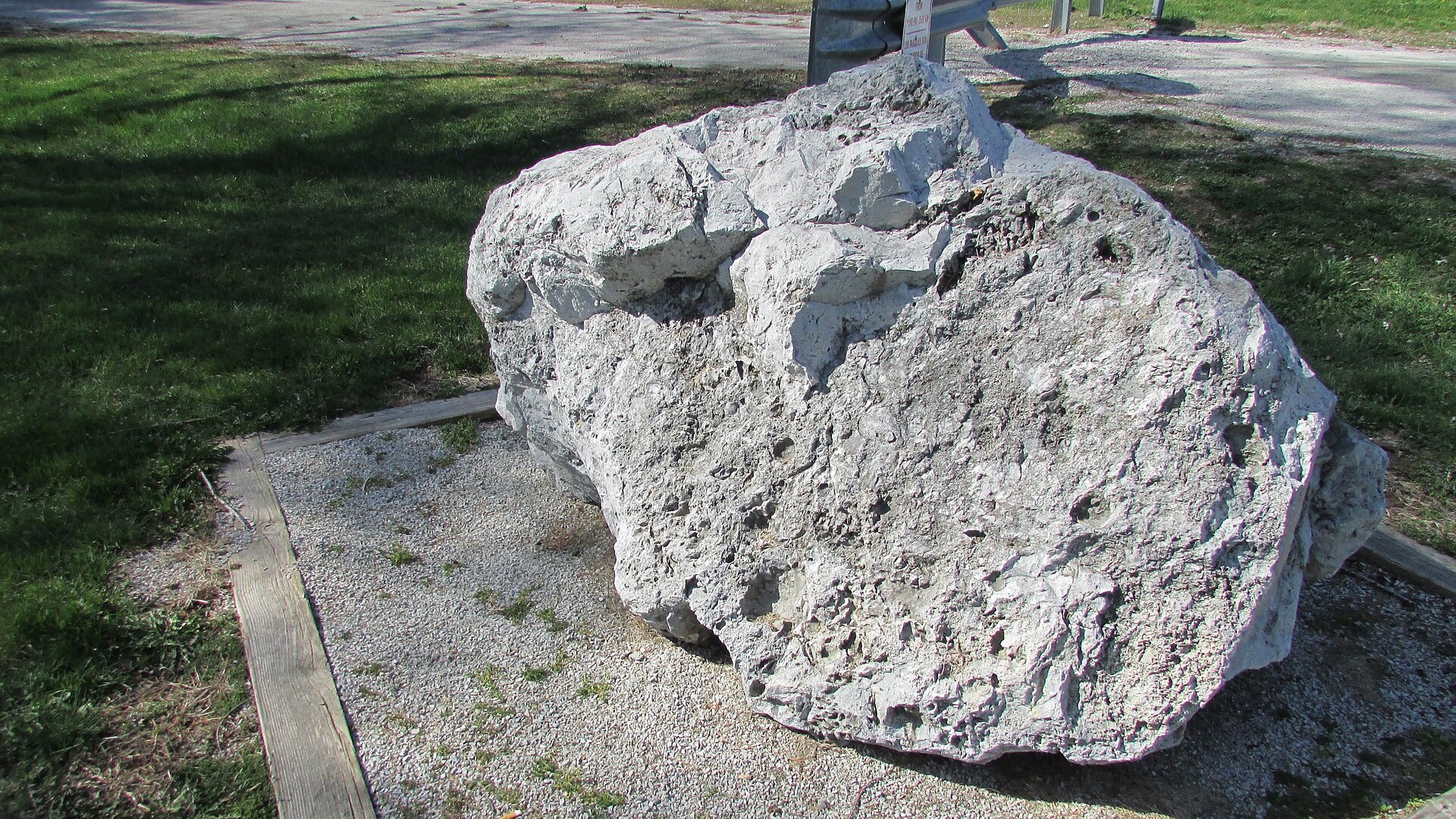
The cone is built from broken limestone, the same rock as the bedrock around it, mixed with smaller amounts of sandstone and shale. Expeditions have sampled it repeatedly since 1949, and that local origin matters. Whatever built it, built it from the ground it stands on.
The meteorite theory came first, and Kolpakov himself favoured an impact. But no meteorite fragments have ever been found in or around the cone, and no tell-tale shocked minerals or chemical traces of an impactor have turned up either.
The volcanic theory fails on the neighbourhood. There has been no volcanic activity in this part of Siberia for millions of years, and the cone contains no lava and no volcanic rock. It is a volcano’s shape without a volcano’s ingredients.
Tree rings give the crater an age, and a surprisingly young one. Dendrochronology puts its formation at roughly 300 to 350 years ago, in stages. Trees near the cone were damaged in the early 1840s, as if something violent happened there then.

The leading explanation now is a cryptoexplosion: gas and steam under pressure, building up along faults deep below the cone, bursting up through fractured rock in more than one episode. The gas did the work an eruption or an impact would normally do.
That theory fits the zoning scientists found inside the cone, where different parts formed at different times. It also fits the chemistry, which points to deep fluids and gases transforming the rock from below. What it lacks is a witness, or a repeat performance.
The crater’s documented measurements and expedition history are summarised in its Wikipedia entry on the Patomskiy crater, and even there the origin is listed the same way the expeditions leave it: unproven.
The Legend
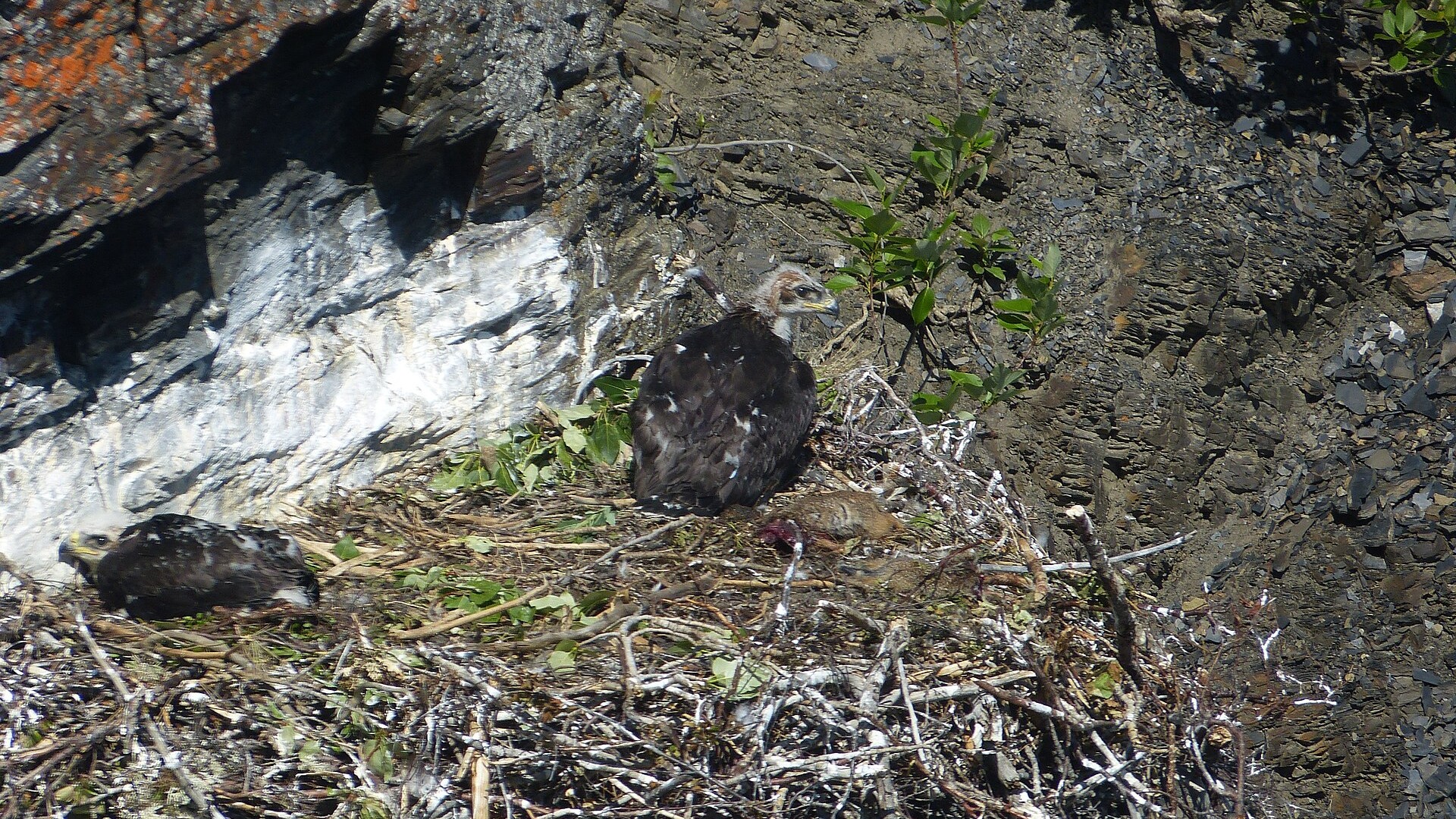
Long before Kolpakov, the local Yakut people knew the crater, and their name for it is the oldest evidence we have about how it formed. Fire Eagle’s Nest suggests heat, fire, and something arriving or erupting with force.
The warnings were specific. People who went close were said to fall ill. Some were said to have disappeared, found dead later, or never found at all. Even the deer, locals told Kolpakov, kept away from the place.
Kolpakov recorded feeling feverish himself when he first saw the cone, though he put that down to the shock of the sight. He thought, briefly, that he had gone mad in the heat. Then he climbed it anyway, and geology got its mystery.
The legend gained a modern chapter in 2005. An expedition set out for the crater, and its leader, Yevgeny Vorobyov, died of a heart attack a few kilometres short of it. There is no medical mystery in a heart attack. Locally, it was taken as confirmation.
Reported illnesses near the crater have never been documented by doctors, and claims of radiation rest on the fast growth of some nearby trees, which has other, duller explanations. The legend is evidence of fear, not of a measured hazard.
Still, treat the legend with some respect. If the cone really did form in violent stages a few centuries ago, the people living in these forests may have been describing, in their own language, something they genuinely witnessed.
The Verdict
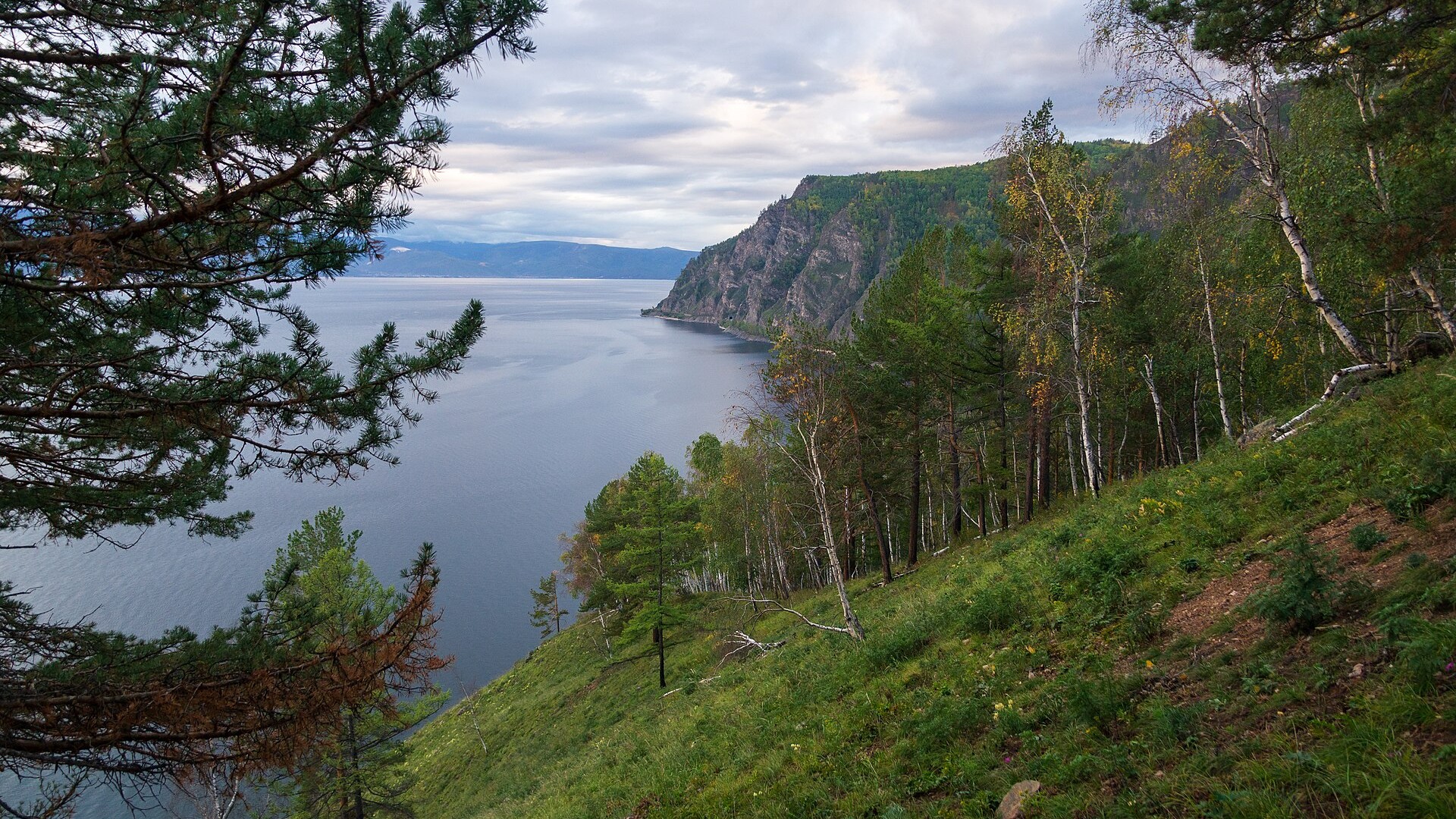
The crater itself is beyond argument. It is a million tons of shattered limestone in a place where no volcano has stood for millions of years, and it has been photographed, mapped and sampled for more than seventy years.
The meteorite theory has effectively been retired by the experts who met to settle it: no fragments, no impact chemistry, the wrong shape. The gas-explosion theory leads, but leading is not the same as proven, and its timing and mechanism are still argued over.
It belongs in the same drawer as other physical mysteries that refuse a clean label, like the Lead Masks Case: the evidence is real, the file is thick, and the final page is missing.
The legend persists for the simplest of reasons. Science has not closed the case, and until it does, the Fire Eagle’s Nest keeps the name the people who feared it gave it.
Verdict: Unresolved. The Patomskiy Crater is a real, young geological structure, most likely raised by gas exploding up from deep faults. But no expedition has proven its mechanism, and until one does, the Siberian cone remains unexplained in the ways that matter.
Frequently Asked Questions
Where is the Patomskiy Crater?
It stands on a slope in the Patom Highlands, in the Bodaibo district of Irkutsk region, Siberia, near a tributary of the Lena River. It is remote taiga, reachable only by expedition, which is one reason it was not described until 1949.
How big is the Patomskiy Crater?
About 40 metres high and roughly 160 metres across at the base, with a ring-shaped crown and a central mound about 12 metres high. Its volume is estimated at 230,000 to 250,000 cubic metres, weighing around one million tons.
Was the Patomskiy Crater made by a meteorite?
Almost certainly not. No meteorite fragments or impact traces have ever been found, its shape does not match impact craters, and a 2010 conference of specialists rejected the meteorite hypothesis. A link to the 1908 Tunguska event also fails on dating.
How old is the Patomskiy Crater?
Tree-ring studies put its formation at roughly 300 to 350 years ago, built in stages rather than in one event. Trees around it were damaged in the early 1840s, suggesting one of its violent episodes happened within living memory of local communities.
Why is it called the Fire Eagle’s Nest?
That is the name local Yakut people gave it long before 1949. From above, the cone with its central mound looks like a giant nest with an egg in it, and the “fire” in the name may preserve a memory of heat or explosion when it formed.
Join the Conversation
A gas explosion, a freak of fractured rock, or something the textbooks have not named yet? Tell us which explanation you would bet on, and what evidence would change your mind. The crater has waited three centuries. It can wait for your theory.
Read Next
The Mysterious Russian Hole on Google Maps
The Hessdalen Lights: Norway’s UFO Valley
