
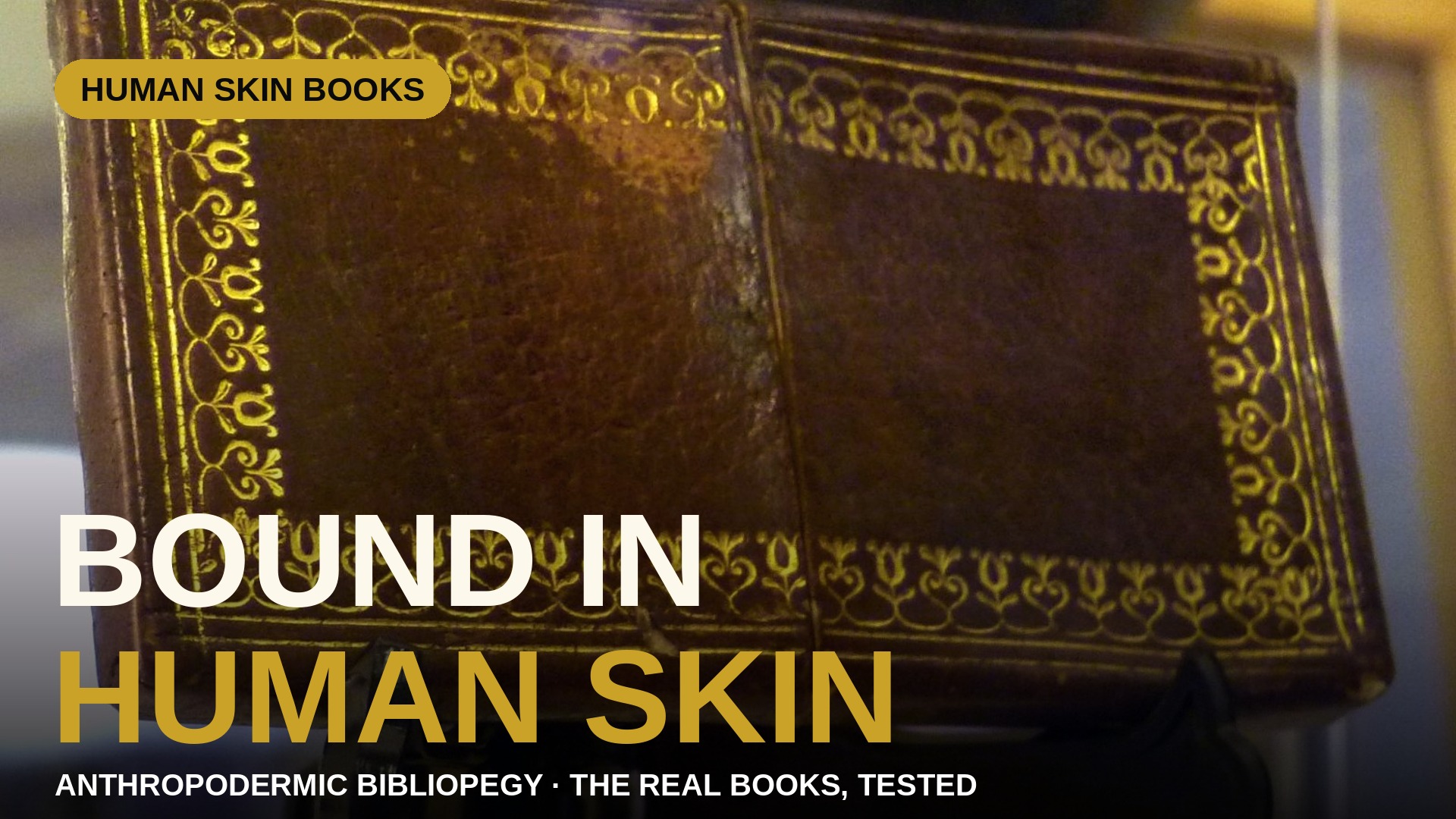
There is a term for it, and the term is real: anthropodermic bibliopegy, the practice of binding books in human skin. It sounds like a horror film prop department showing off. The human skin book is, instead, a documented corner of real history.
Books bound in human skin sit today in some of the most respectable libraries on earth. Harvard has held one. Brown University holds four that passed scientific testing. A medical library in Philadelphia holds five — the largest confirmed collection anywhere.
For a long time, nobody could prove which of these books were genuinely bound in a person and which were bound in a pig wearing a good story. Then, in 2014, scientists finally tested one properly. The human skin book was not a legend. It never had been.
What Is Anthropodermic Bibliopegy?
The word breaks down simply: anthropos, human; derma, skin; bibliopegy, bookbinding. A book bound in tanned human skin, prepared and worked much like any other leather.
The practice was never common, and it was never an industry. It peaked in the nineteenth century, and almost every genuine example traces back to a small world of doctors, anatomists and bibliophiles who had access to bodies and a taste for the macabre.
Claims reach further back — there are stories of skin bindings from the 1600s and even earlier — but a claim is all most of them are. Until the last decade, identification relied on squinting at hair follicle patterns and trusting handwritten notes tucked inside covers. That is not evidence. That is folklore with a library stamp.
The genuine books cluster into a few recognisable types. Medical texts, above all anatomy books, bound in the skin of a patient or a cadaver.
Memorial volumes, where the dead person’s own book was covered in their own skin. And punishment bindings, where the skin of an executed criminal was used to wrap the account of his crime.
Each type has a confirmed example. Each one raises its own ethical problem.
The Philadelphia Books: Old Texts, Disturbing Bindings
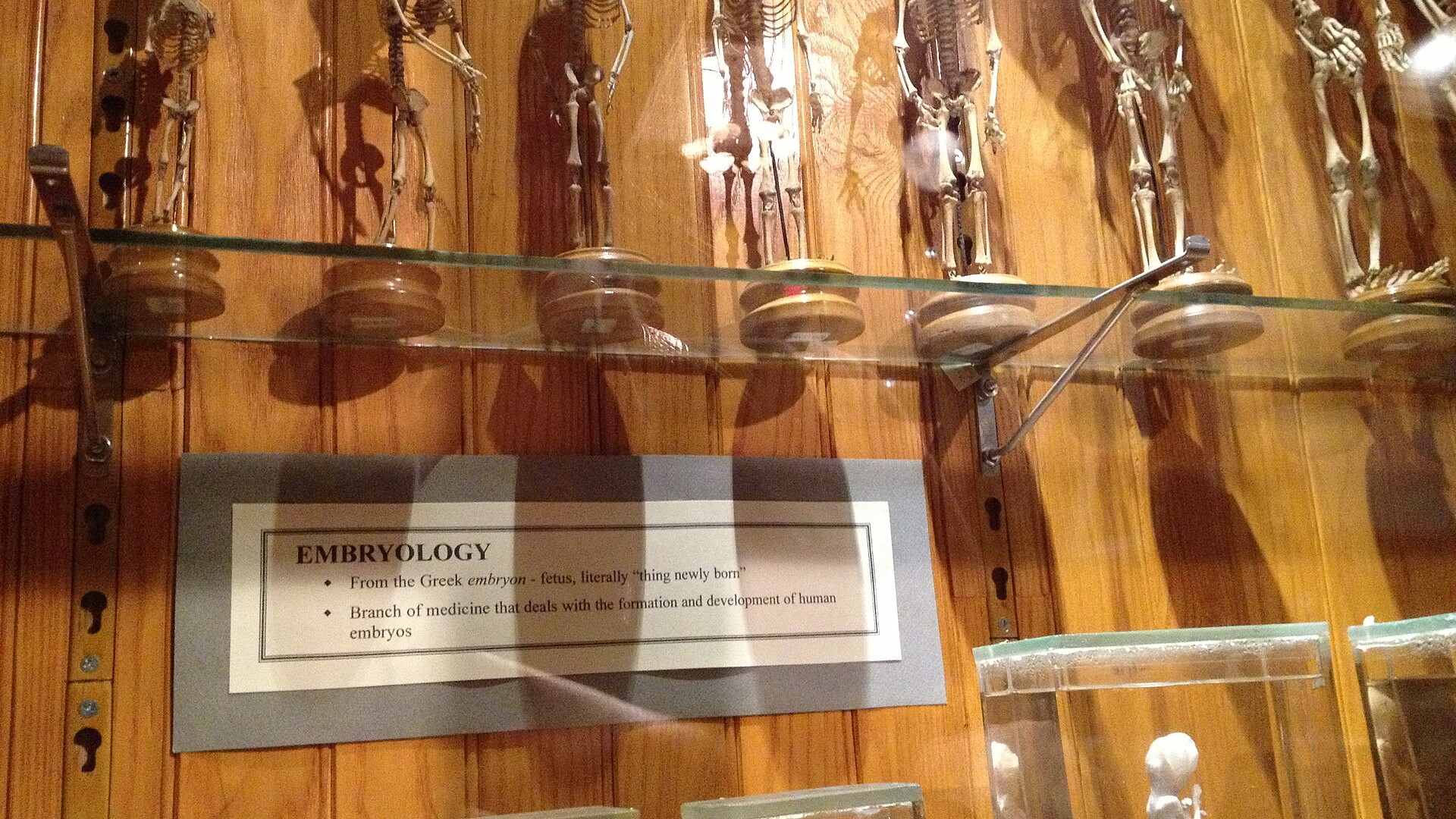
Start in Philadelphia, because Philadelphia is where the evidence is strongest. The Historical Medical Library of the College of Physicians of Philadelphia — the library behind the famous Mütter Museum — holds five books confirmed as bound in human skin, tested in 2015. It is the largest verified group of its kind in one institution.
Here is where the popular version of this story needs correcting, because the truth is more interesting. You will often hear of a “17th-century anatomy book bound in human skin.”
Books like that exist — but the binding is not 17th-century. The texts are old. The skin work was done in the 1880s.
Three of the Philadelphia books were bound by Dr John Stockton Hough, a physician at Philadelphia Hospital. In 1869, Hough performed an autopsy on Mary Lynch, an Irish widow of 28 who had died in the hospital’s almshouse. He removed skin from her thigh and tanned it himself — in a hospital chamber pot, according to his own note.
Eighteen years later, in 1887, Hough used that skin to bind three medical books: a 1650 edition of a midwifery text by Louise Bourgeois, midwife to the French court; a 1680 anatomy book by Louis Barles; and a 1789 work on pregnancy by Robert Couper. A fourth Hough book, a 1686 text by Charles Drelincourt, is also in the collection.

So yes, there are 17th-century medical books bound in human skin, and you can trace one woman’s skin across three of them. What there is not, in any confirmed case, is a binding done in the 1600s. The famous copies are nineteenth-century work on older books.
The fifth Philadelphia book belonged to Dr Joseph Leidy, one of America’s leading anatomists. His own copy of his 1861 textbook, An Elementary Treatise on Human Anatomy, is bound in human skin too — from a soldier who died in the Civil War, according to Leidy’s note inside it.
An anatomy textbook, covered in the skin of a dead soldier, owned by the man who wrote it. The doctors of that era did not hide these objects. They inscribed them.
If you want a sense of how casually the period treated the dead, the rest of our medical mysteries science can’t explain coverage is full of it — but even by those standards, Philadelphia’s doctors were in a class of their own.
Bound in the Skin of the Condemned
The second route onto a bookshelf was the gallows. Under the thinking of the time, a murderer’s punishment did not have to end at the rope.
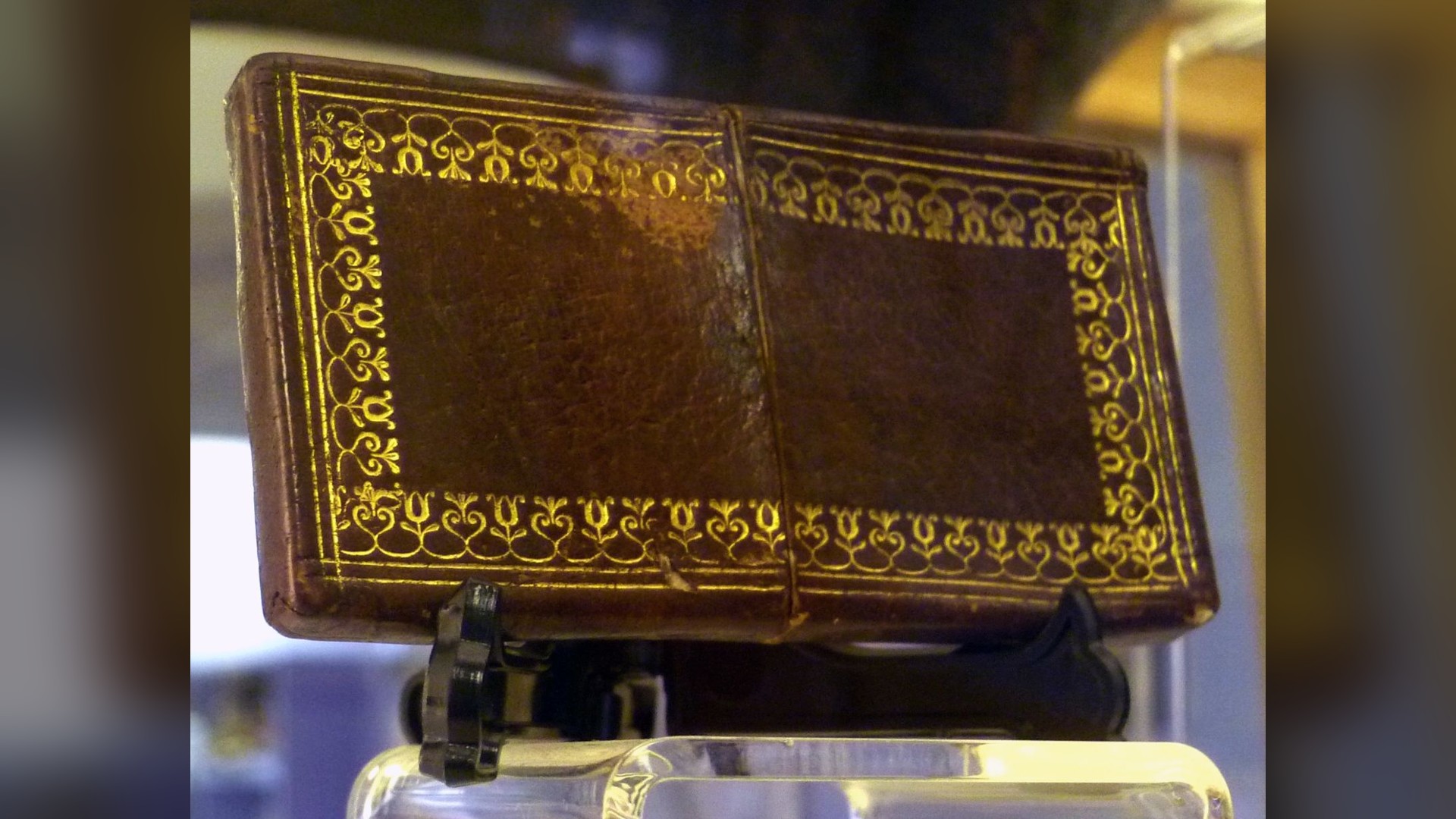
The most famous object of this kind is not quite a book. It is a small pocketbook held by Surgeons’ Hall Museum in Edinburgh, stamped in gold with the words “Burke’s Skin Pocket Book” and inscribed “Executed 28 Jan 1829.”
William Burke, with William Hare, murdered sixteen people in Edinburgh in 1828 and sold the bodies to an anatomy lecturer. Hare turned on him and walked free.
Burke was hanged before a crowd of tens of thousands, publicly dissected — and his skin was tanned and made into souvenirs, of which the pocketbook is the survivor. The man who sold bodies to the dissecting table ended up dissected, displayed, and bound. Edinburgh considered that justice.
Burke was not alone. The printed account of John Horwood’s trial was reportedly bound in Horwood’s skin after his execution in Bristol in 1821.
The narrative of William Corder’s trial for the Red Barn murder was bound in Corder’s skin in 1828. In each case the message was deliberate: the book of your crime, wearing you.
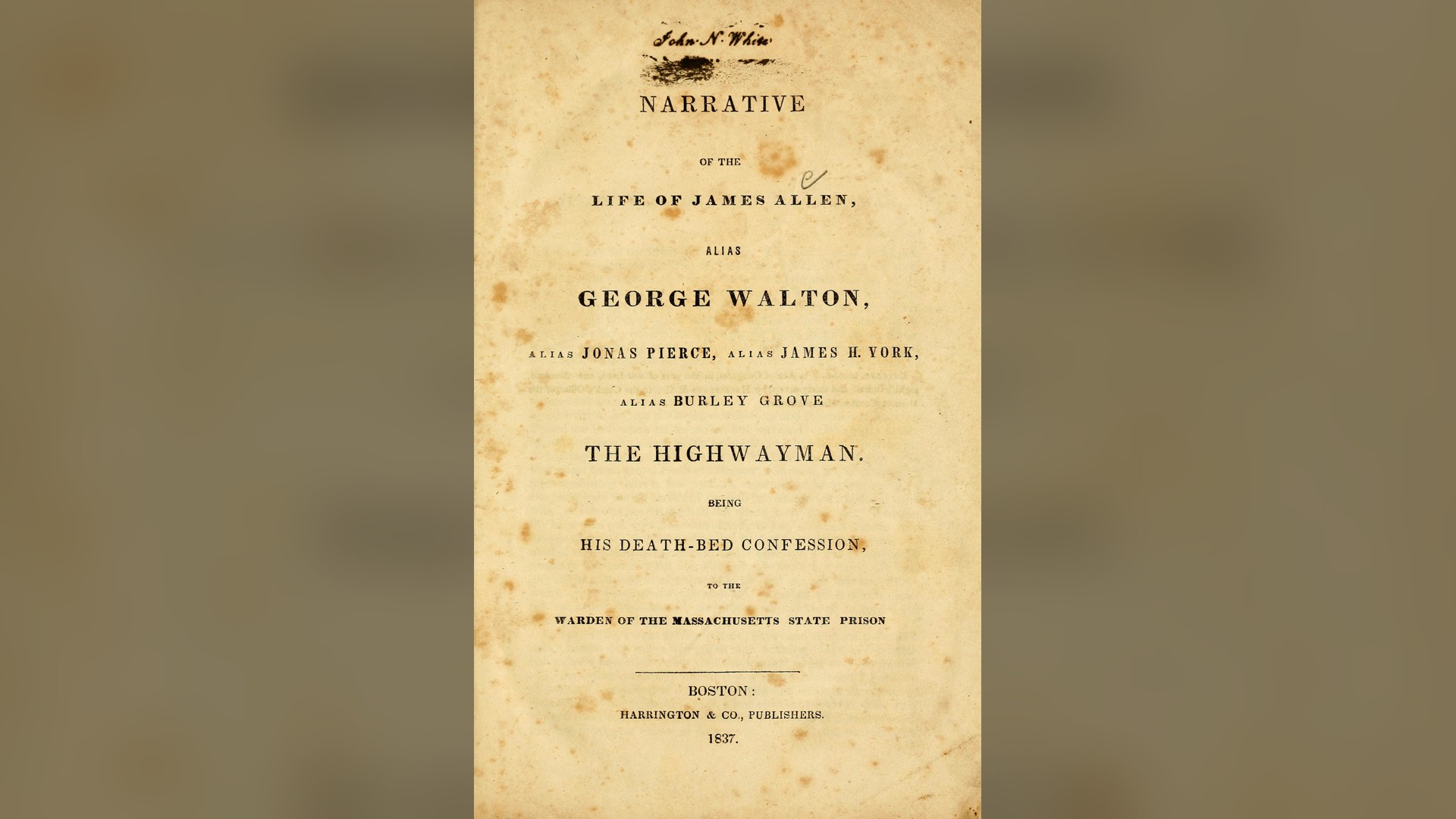
And then there is the one case that breaks the pattern, because the man asked for it. James Allen was a Massachusetts highwayman who, dying in 1837, requested that a copy of his printed confession be bound in his own skin and given to John Fenno — a man who had once resisted Allen’s attempt to rob him, and whom Allen admired for it.
His copy of the Narrative of the Life of James Allen sits in the Boston Athenæum, and it is considered the only known anthropodermic book made with the source’s consent.
One consenting highwayman. Everyone else in this story was a patient, a pauper, or a prisoner — people whose bodies were available precisely because nobody with power was asking their permission.
The era that dug up corpses for anatomy lessons, the same world that produced the vampire burials panics in older graveyards, did not draw fine lines around the dead.
Harvard’s Book, and the Test That Settled It
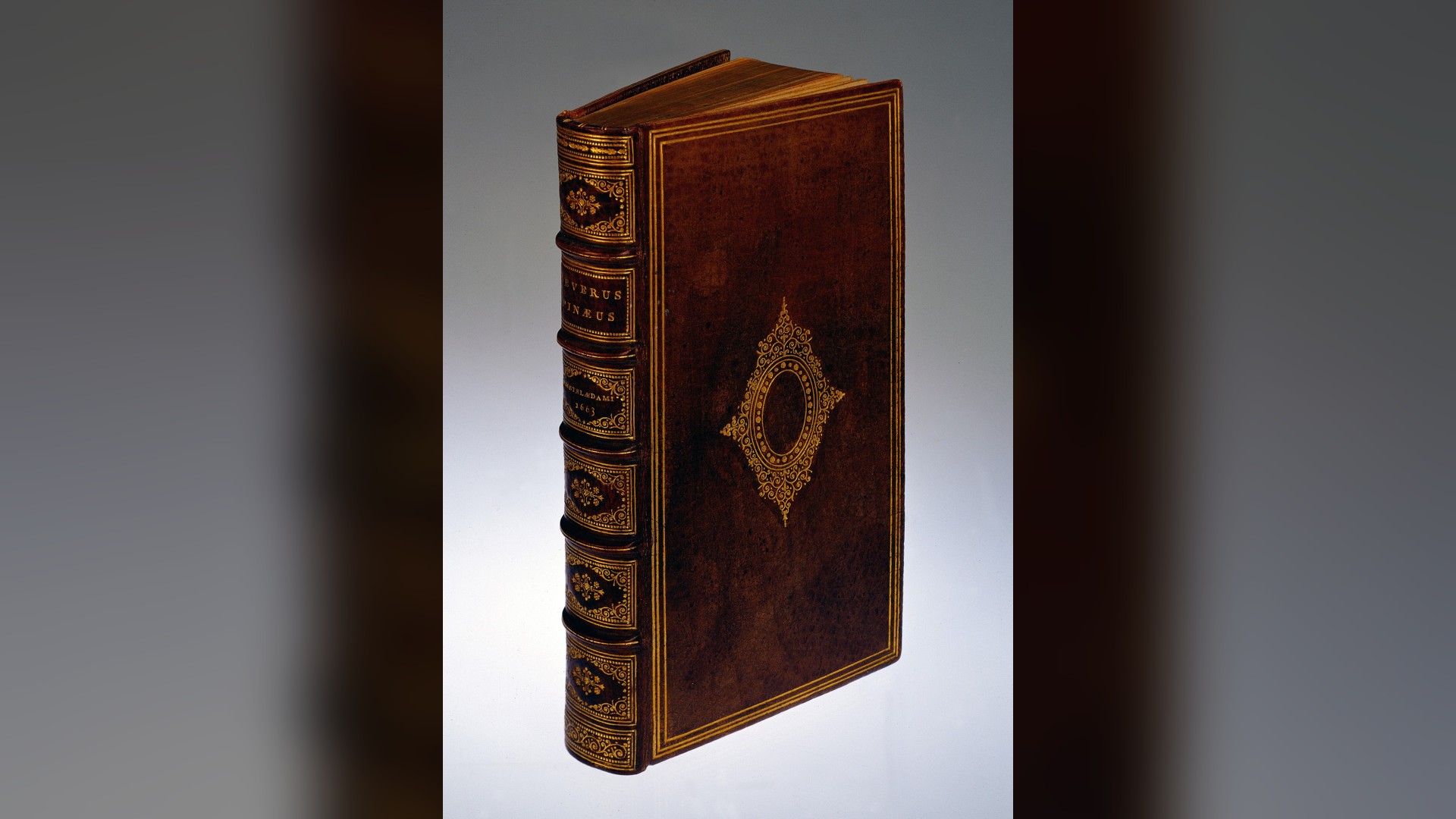
For most of their lives, these books lived in a fog of maybe. That changed with a technique borrowed from archaeology: peptide mass fingerprinting, or PMF.
PMF works on collagen, the protein that makes skin skin. A tiny sample of a binding is digested with an enzyme and run through a mass spectrometer, which reads the protein fragments like a barcode.
Different species produce different patterns. Human collagen reads human. Sheep reads sheep. No squinting at follicles required.
The first book ever confirmed this way, in 2014, was Harvard’s copy of Des destinées de l’âme — Destinies of the Soul — a French meditation on the soul and the afterlife, published in the 1880s.
It had been given to Harvard in 1934, and inside it was a note by its former owner, Dr Ludovic Bouland.
Bouland’s note said the book was bound in skin taken from the back of a woman who had died in a French psychiatric hospital where he worked.
He had kept the skin, tanned it, and bound a book about the soul in it — deliberately leaving the surface undecorated, he wrote, to preserve its elegance. PMF said Bouland was telling the truth: the team reported 99 percent certainty that the binding was human.
The same round of testing is just as instructive for what it rejected. Harvard held two other suspected skin books. One, a 1605 Spanish law treatise — exactly the kind of old, exotic volume that attracts a human-skin legend — tested as sheepskin. Ordinary leather, extraordinary story, no truth to it.
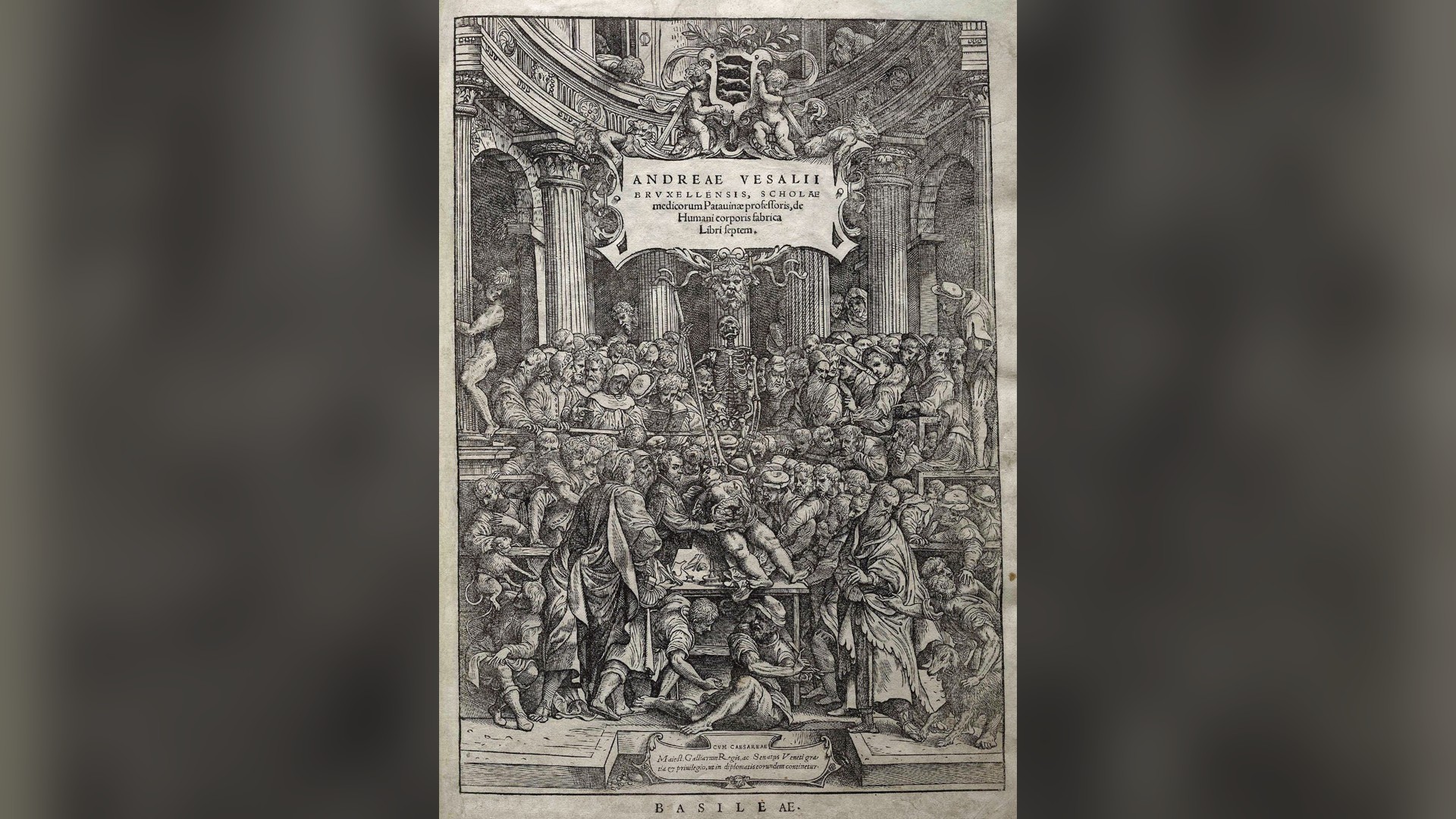
Brown University’s turn came in 2015. Its John Hay Library holds a 1568 edition of Vesalius’s De humani corporis fabrica, the founding text of modern anatomy, bound in human skin in the 1860s by the Belgian binder Josse Schavye. PMF confirmed it.
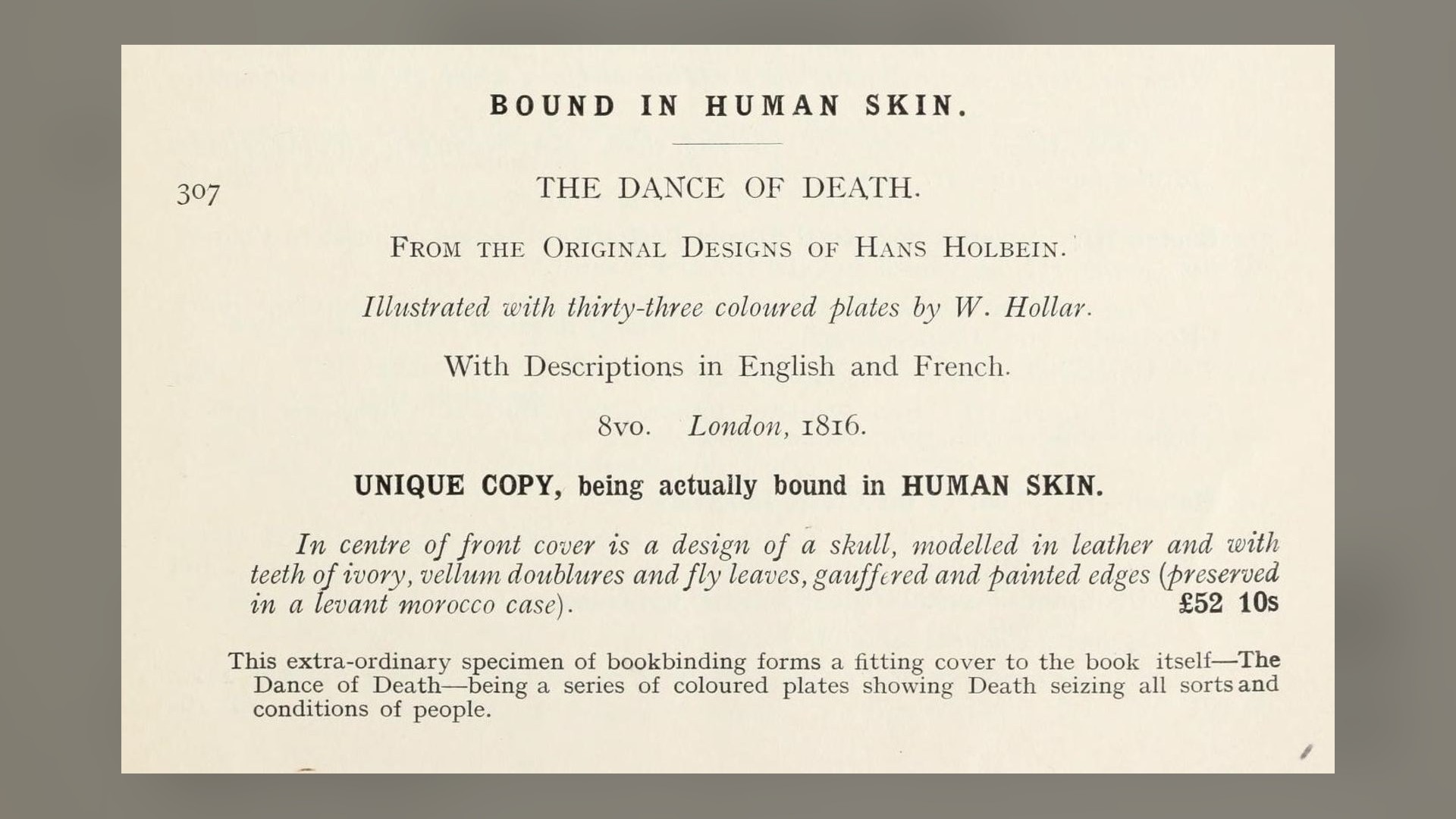
Brown’s two skin-bound copies of Holbein’s Dance of Death and a French novel, Mademoiselle Giraud, passed the same test.
Notice the pattern one more time. A 1568 anatomy masterpiece. A 1605 law book that failed. A 1680 anatomy text in Philadelphia. The books are old. The bindings, in every confirmed case, are overwhelmingly a nineteenth-century act.
Real, Fake, and the Reckoning
Since 2015, a small team called the Anthropodermic Book Project — librarians and scientists working together — has been testing claimed skin books wherever institutions allow it. Their running tally tells the story of the whole field.
Of roughly fifty books in public collections claimed to be bound in human skin, around thirty-one have been tested. Eighteen were confirmed human.
The rest were animal — horse, pig and sheep leather wearing a human legend. For every real book in flesh, there is nearly another that is simply a book in a rumour.
That ratio matters, because it cuts both ways. It proves the practice was real, documented and wider than a single mad doctor. It also proves that the majority of the spooky claims attached to old libraries are exactly what sceptics always said they were.
What has changed, sharply, is what institutions are willing to do with the confirmed ones. The woman whose skin covered Harvard’s book never consented; she died in an asylum and her body was used.
In 2023, Harvard’s review of human remains in its collections concluded the university had failed in its stewardship of the book. In March 2024, Harvard removed the skin binding entirely and placed it in storage while its final disposition is decided. The book remains available to readers. The cover does not.
Other libraries are having the same argument at different speeds. Keep the object as evidence of medical and publishing history? Restrict it? Remove the skin and bury it, treating it as what it technically is — human remains?
There is no version of this debate where the books are just books. A binding made from a named patient, a named murderer, an unnamed asylum patient, forces a question most library objects never raise: at what point does an artefact become a person again?
It is the same discomfort that runs through our look at terrifying death theories and biblical conspiracies — what the living owe the dead, and who gets to decide.
Verdict: Confirmed. Anthropodermic bibliopegy is real, documented history: eighteen books have been scientifically confirmed as bound in human skin, most of them medical texts bound in the nineteenth century, some in the skin of patients, some in the skin of executed criminals.
The practice is also, by modern standards, an ethical mess built largely on bodies taken without consent — which is why the same libraries that once displayed these books are now quietly taking the skins off them.
Frequently Asked Questions
Why did people bind books in human skin?
Mainly doctors, who bound anatomy and medical texts in the skin of patients or cadavers as a kind of memorial or professional statement. Executed criminals’ skin was also used to bind accounts of their trials, as an extra punishment.
Is it legal to own a book bound in human skin?
It is a grey area. No specific law in most places bans owning one, but rules on human remains, consent and the sale of human tissue are tightening, and major libraries now restrict or remove the bindings.
How do scientists test whether a binding is really human skin?
By peptide mass fingerprinting. A tiny sample of the cover’s collagen is analysed in a mass spectrometer, and its protein pattern identifies the species — human, sheep, pig or horse.
How many books bound in human skin really exist?
Eighteen have been scientifically confirmed so far, out of about thirty-one tested. Roughly fifty are claimed to exist in public collections, and many claims have turned out to be animal leather.
Did the people whose skin was used give consent?
Almost never. Most skin came from patients, paupers and executed criminals. The one known exception is highwayman James Allen, who in 1837 asked for his own memoir to be bound in his skin.
Join the Conversation
Should these books be preserved, or is it time to give the skin a proper burial?
Read Next
- Medical Mysteries Science Can’t Explain
- Vampire Burials: The Archaeology and the History
- 6 Terrifying Death Theories & Biblical Conspiracies
- The Dancing Plague of 1518: The Epidemic of People Who Danced to Death
