
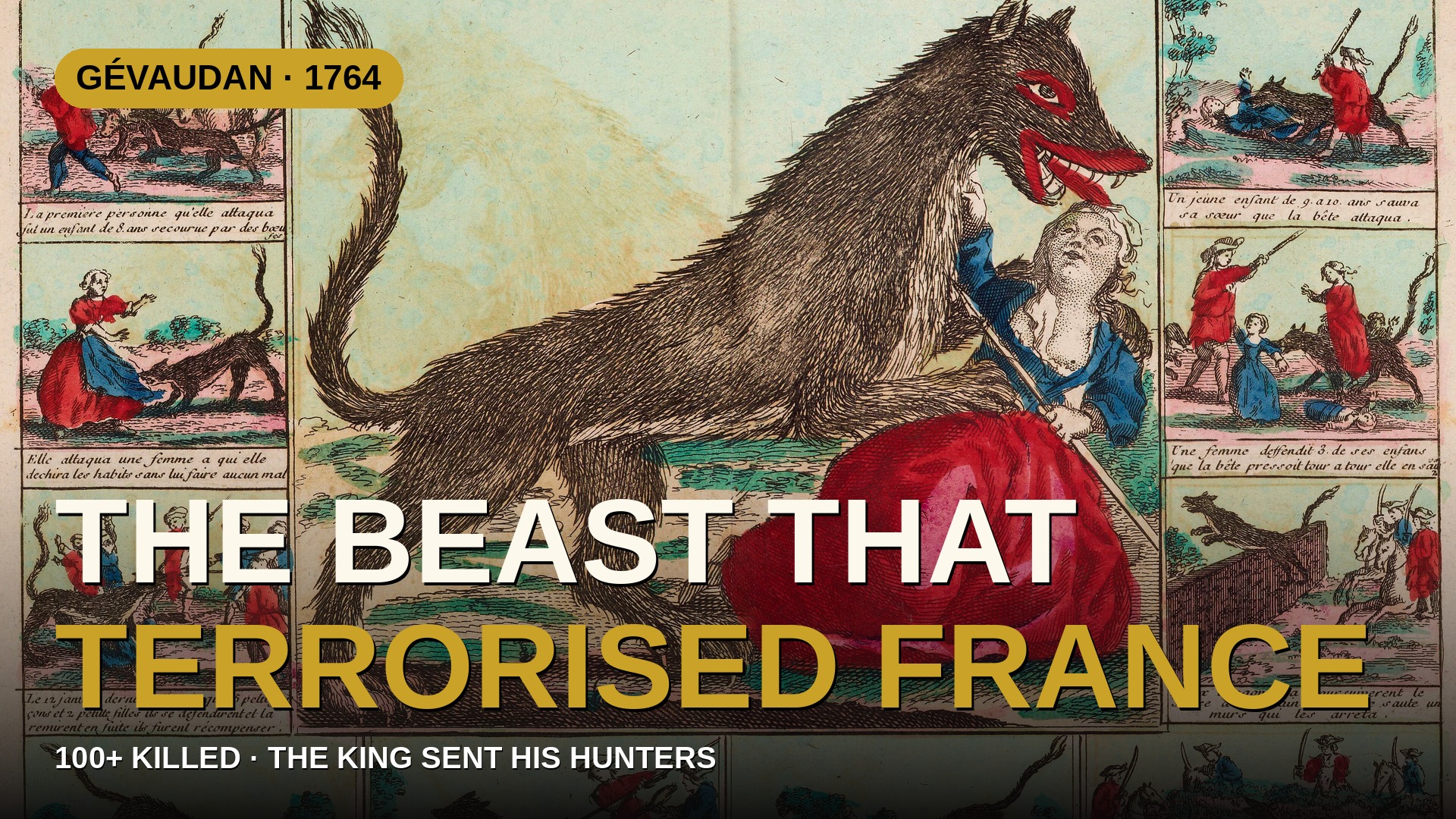
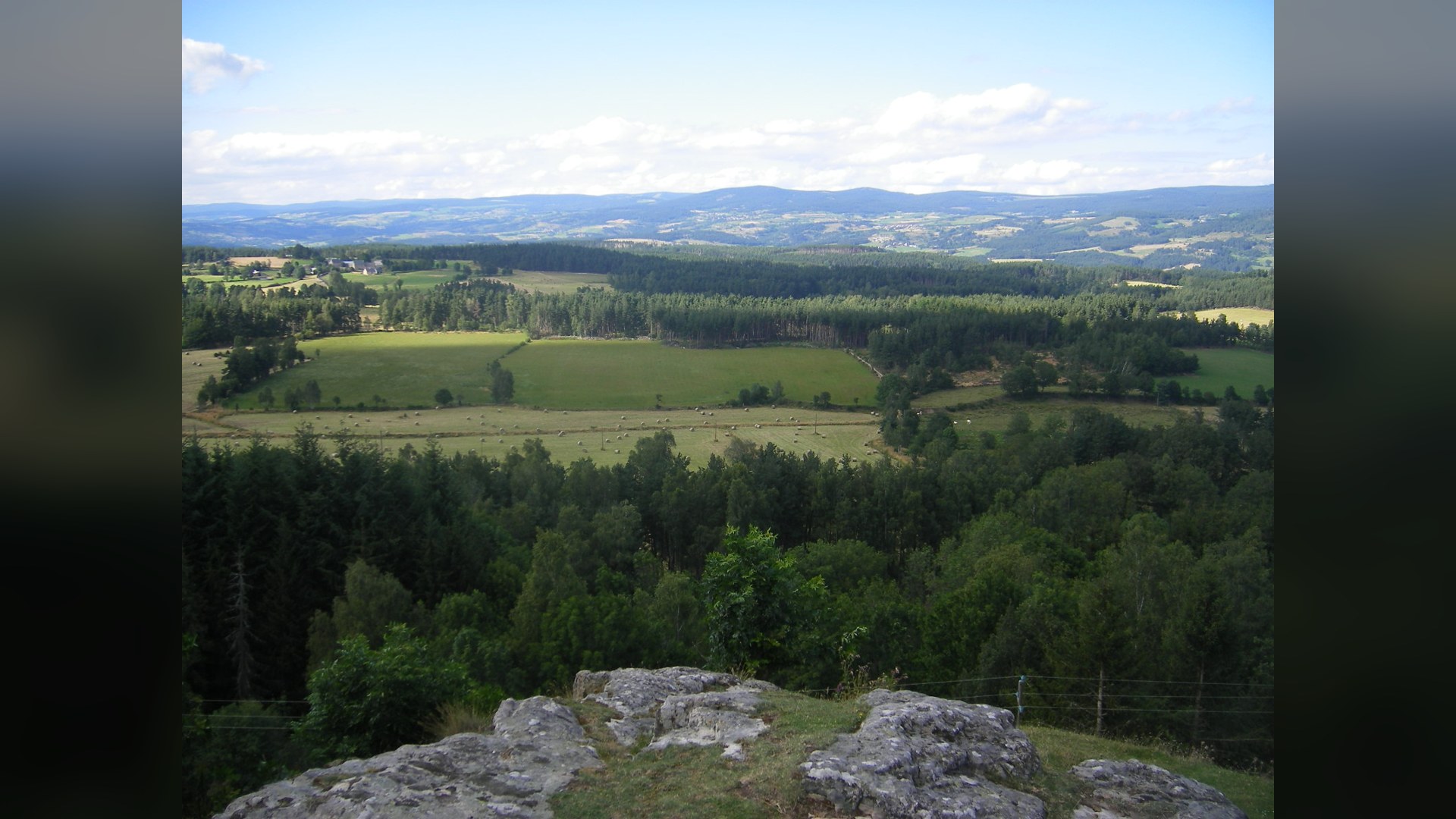
Between 1764 and 1767, a creature stalked the hills of Gévaudan. It didn’t just kill for food — it mutilated. The King of France sent his personal hunters to stop it, and the true nature of the beast remains a mystery.
The Beast of Gévaudan is not a campfire story with a body count guessed at afterwards. The deaths were written down at the time, in parish registers, official letters and a hungry new press that printed close to a hundred stories about the attacks.
Something hunted people in the Margeride mountains of south-central France for three years, and the paperwork survived even if the animal never did.
So what was it? A wolf the size of a calf, a hybrid, an escaped exotic animal, or something with a human hand behind it? Two and a half centuries later, the argument is still running, and the evidence is still strange enough to feed it.
The Summer the Killing Started
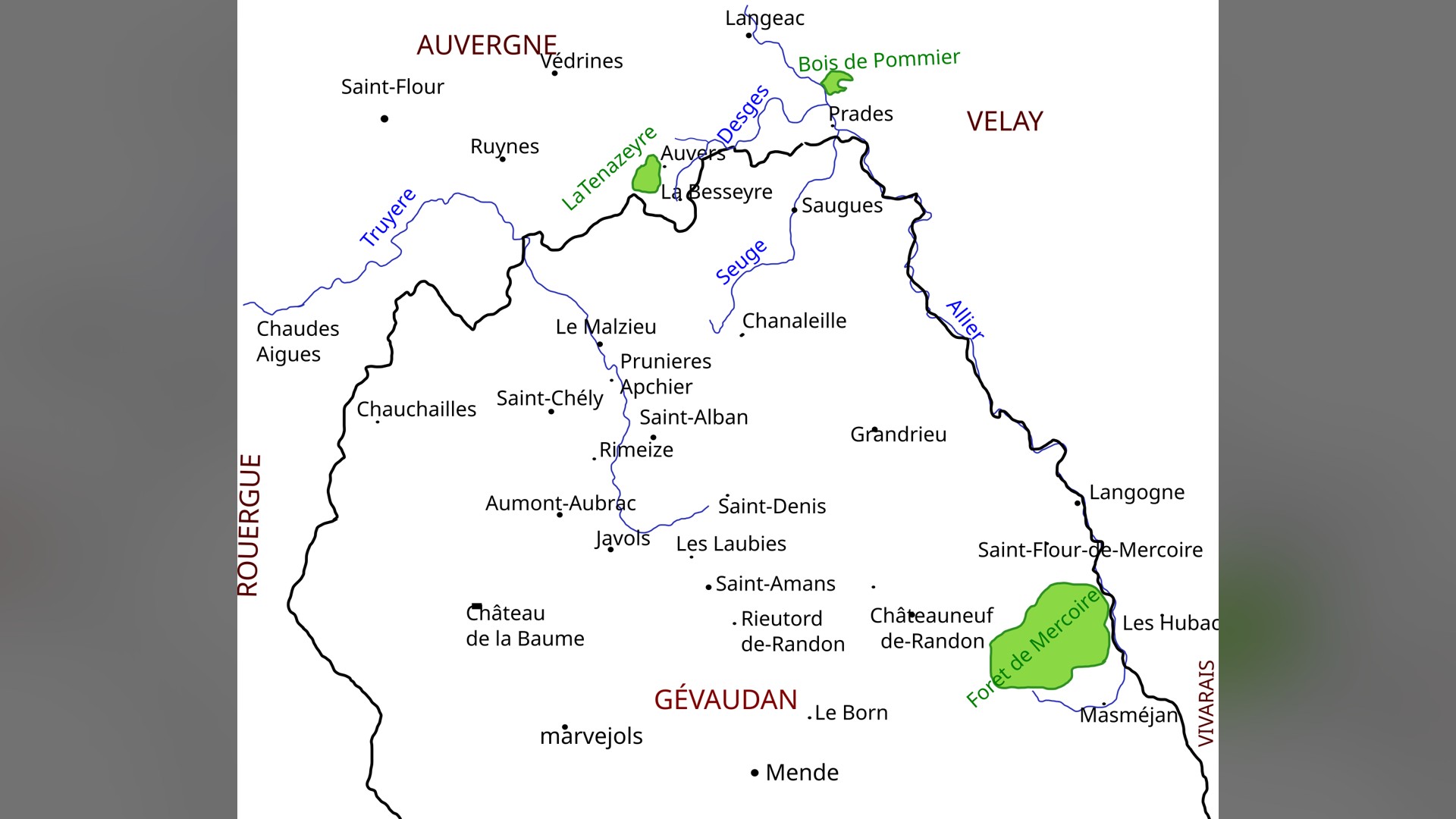
The first recorded attack came in the spring of 1764, when a young woman tending cattle near Langogne was charged by an animal she later described as like a wolf, yet not a wolf.
Her herd drove it off and she lived. It is a small detail, and a chilling one, because she may have been the only early target who got to describe it and walk away.
On 30 June 1764, fourteen-year-old Jeanne Boulet was watching sheep near the village of Les Hubacs when the animal found her.
She became the first confirmed fatality, buried the next day, and her death opened a count that would run for three years.
More attacks followed through that summer and autumn, and a pattern set in that never really broke: the victims were overwhelmingly women and children.
That was not because the Beast had a taste for symbolism. It was because of how Gévaudan worked. Children as young as eight and women spent long hours alone on hillsides watching sheep and cattle, scattered across a huge, rough landscape of forest, moor and granite.
They were the people the land left exposed, and whatever was hunting learned it fast.
The wounds set these attacks apart from ordinary wolf predation, and contemporaries knew it. Victims were found with throats torn out, flesh eaten, and in a number of reported cases heads removed altogether.
Sixteen victims were said to have been decapitated. Wolves kill people rarely, and they do not usually kill like that.
By the end of 1764 the story had escaped the province. The newspaper Courrier d’Avignon turned the Beast into France’s first media monster, printing report after report for a readership that could not get enough.
Every new attack now had an audience of millions waiting for it, which matters, because the Beast of Gévaudan was shaped by two things at once: an animal in the hills, and a printing press in the cities.
What Survivors Said It Looked Like
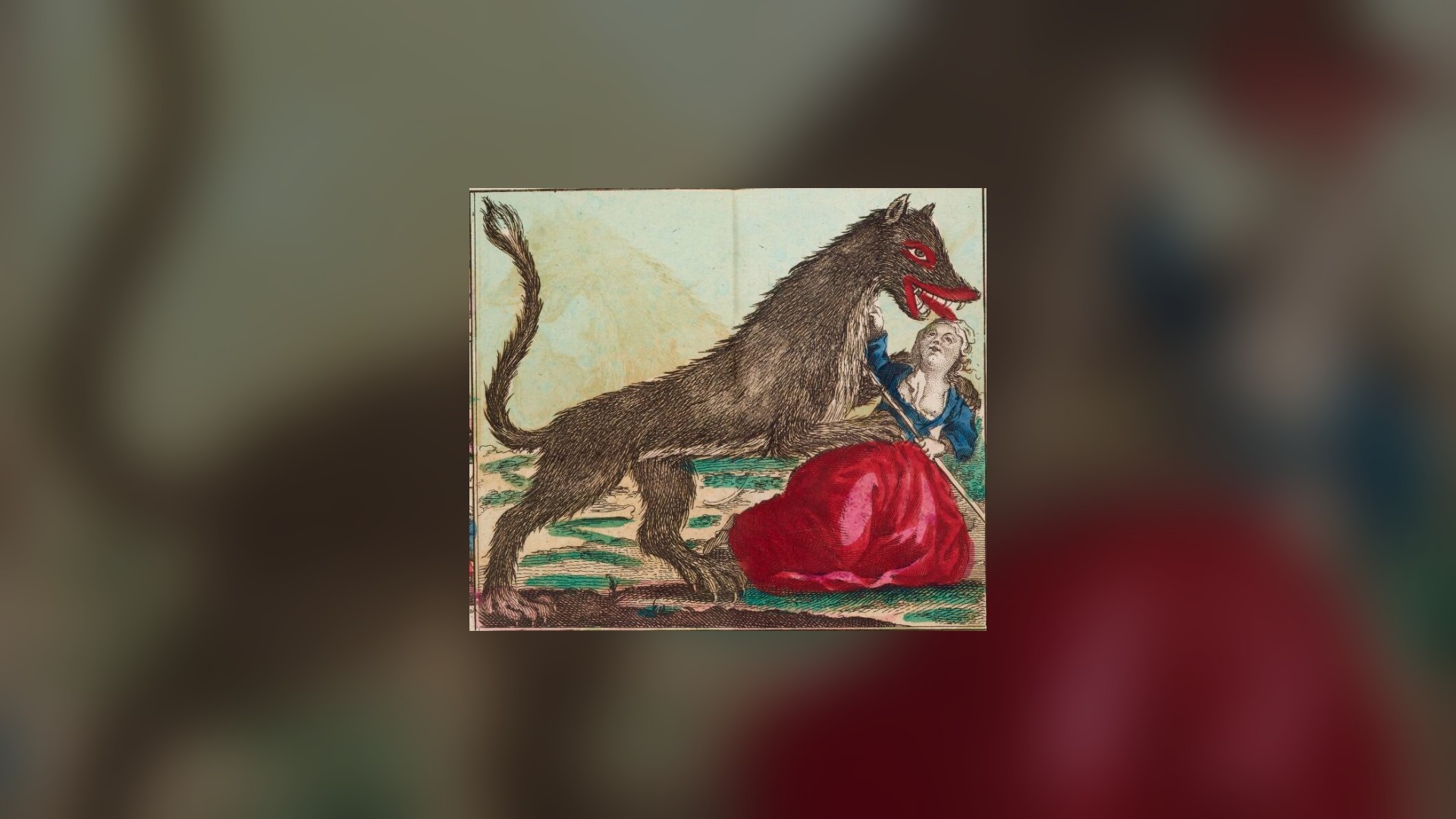
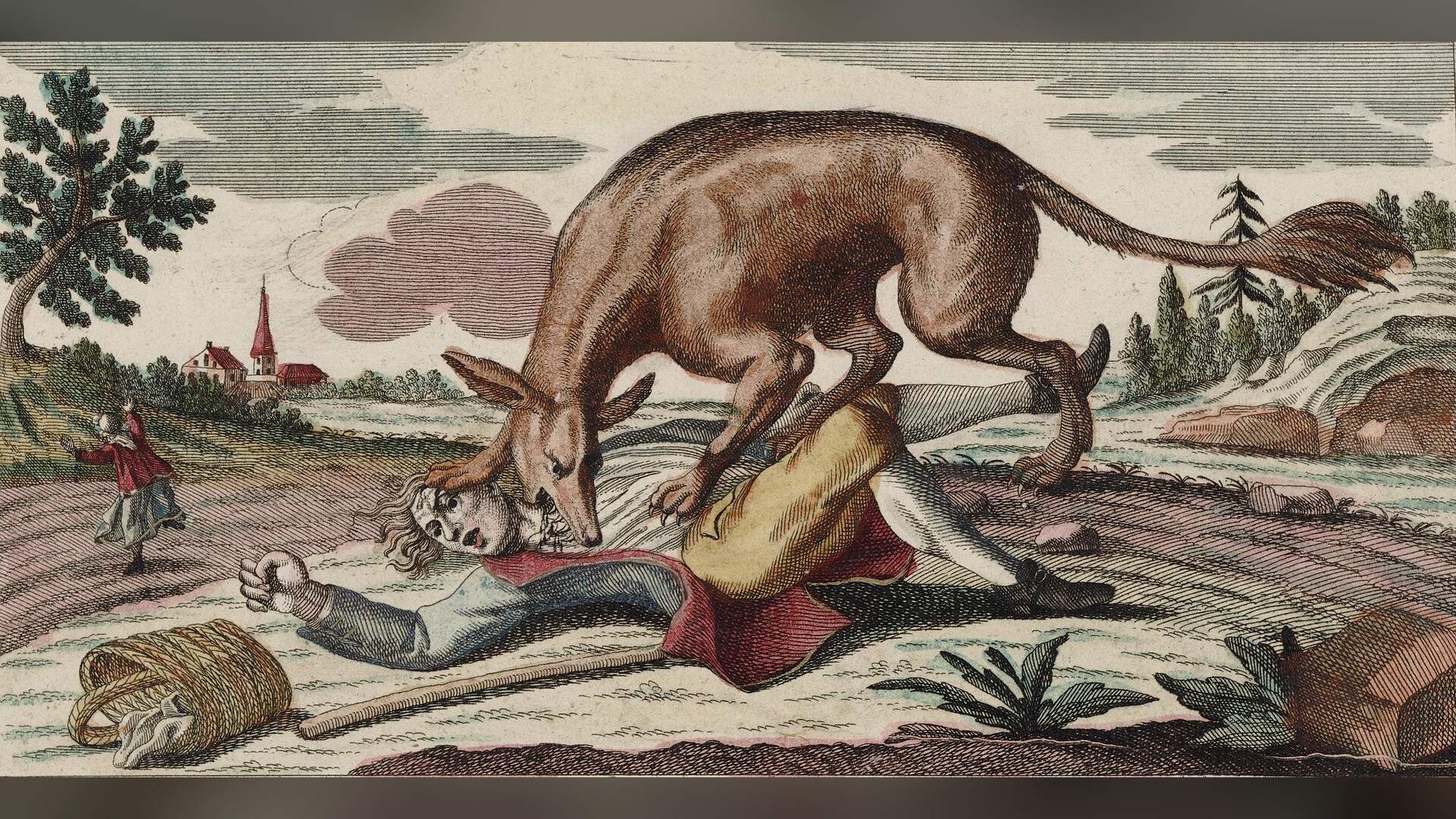
Descriptions from witnesses are unusually consistent, and consistently odd. The animal was said to be the size of a calf or a young cow, far bigger than a wolf.
Its coat was russet or tawny, with a dark stripe running down its back and dark streaks along its sides. It had a long tail, a broad head, and it moved with great leaping strides.
On 12 January 1765, it attacked a group of children led by ten-year-old Jacques Portefaix, who had armed themselves with sticks tipped with blades.
The children stood their ground in a circle, fought the animal off and saved the boy it had seized. The King rewarded them. It is one of the best-attested incidents of the whole affair, and it shows a predator bold enough to charge a group, and patient enough to keep circling it.
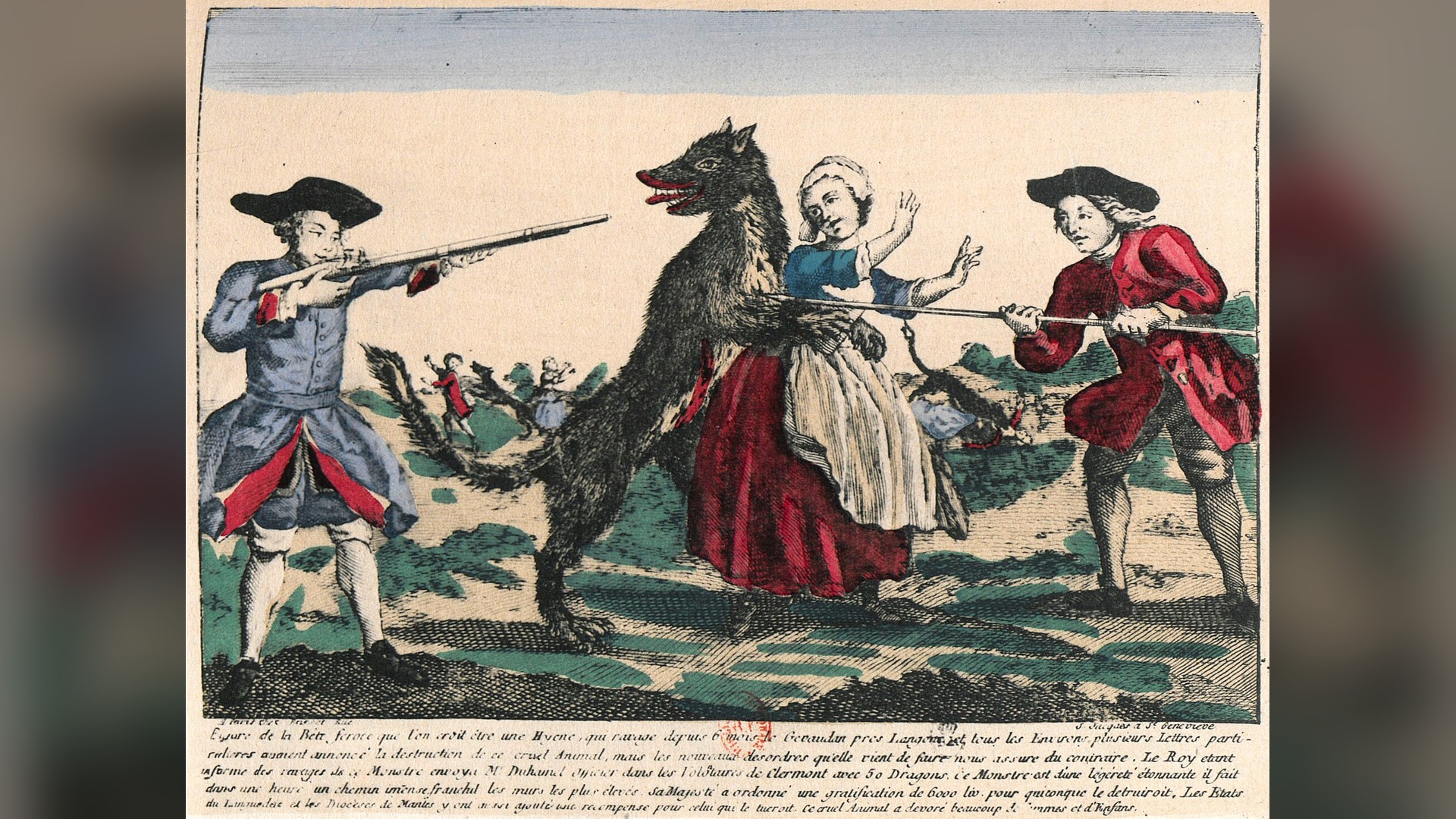
The most famous survivor fought it alone. On 11 August 1765, Marie-Jeanne Vallet, aged about twenty, was crossing the Desges river with her sister when the Beast came at her.
She drove a bayonet fixed to a pole into its chest, and it rolled into the river, then got up and escaped.
She went down in local memory as the Maiden of Gévaudan, and her account mattered: the creature could be wounded, it bled, and it ran. Whatever it was, it was flesh.
None of this fits a ghost, and none of it quite fits a normal wolf either. It fits an animal, a real one, that was bigger, bolder and stranger-looking than the wolves local people knew, in a century when a strange-looking animal could grow horns and fire in the retelling within a week.
The King Sends His Hunters
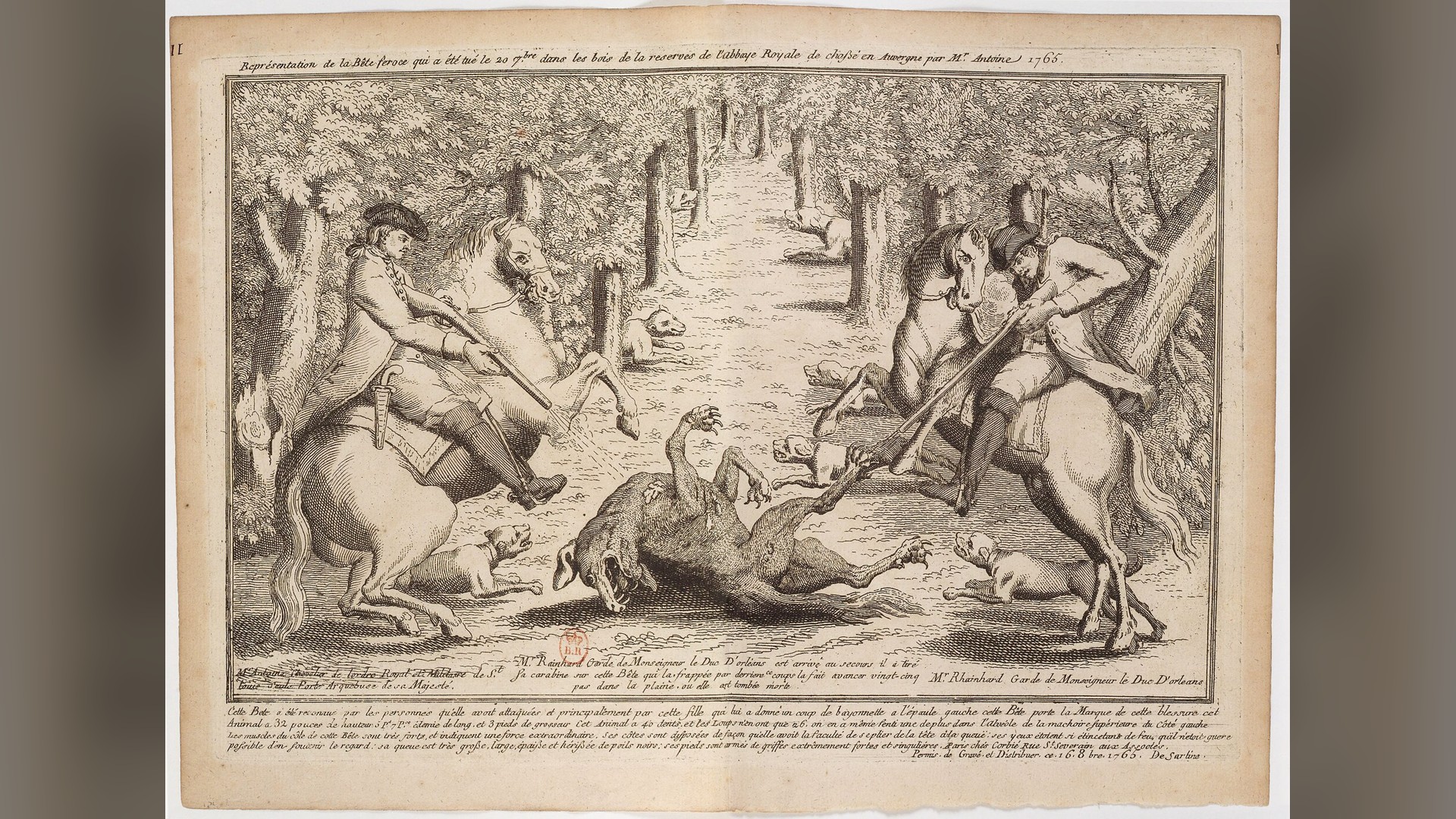
By early 1765 the affair had become a national embarrassment, and Louis XV treated it as one. First came soldiers: a detachment of dragoons under Captain Duhamel was sent into the province, and managed mainly to chase reports from village to village. Then came celebrity.
In February 1765 the King dispatched Jean-Charles-Marc-Antoine Vaumesle d’Enneval, a famous Norman wolf hunter who claimed to have killed more than a thousand wolves, together with his son and a pack of bloodhounds. If any men alive could simply hunt the thing down, it was supposed to be them.
They failed for months. The attacks continued around them, the locals lost faith, and the d’Ennevals eventually withdrew.
The King, stung, replaced professionals with loyalty: in June 1765 he sent François Antoine, his own gun-bearer, a veteran of about seventy-one, with family, servants and royal authority. The message was clear. This was now the King’s hunt, and the King does not miss.
Antoine hunted through the summer with large organised drives, hundreds of beaters, and the full machinery of the crown.
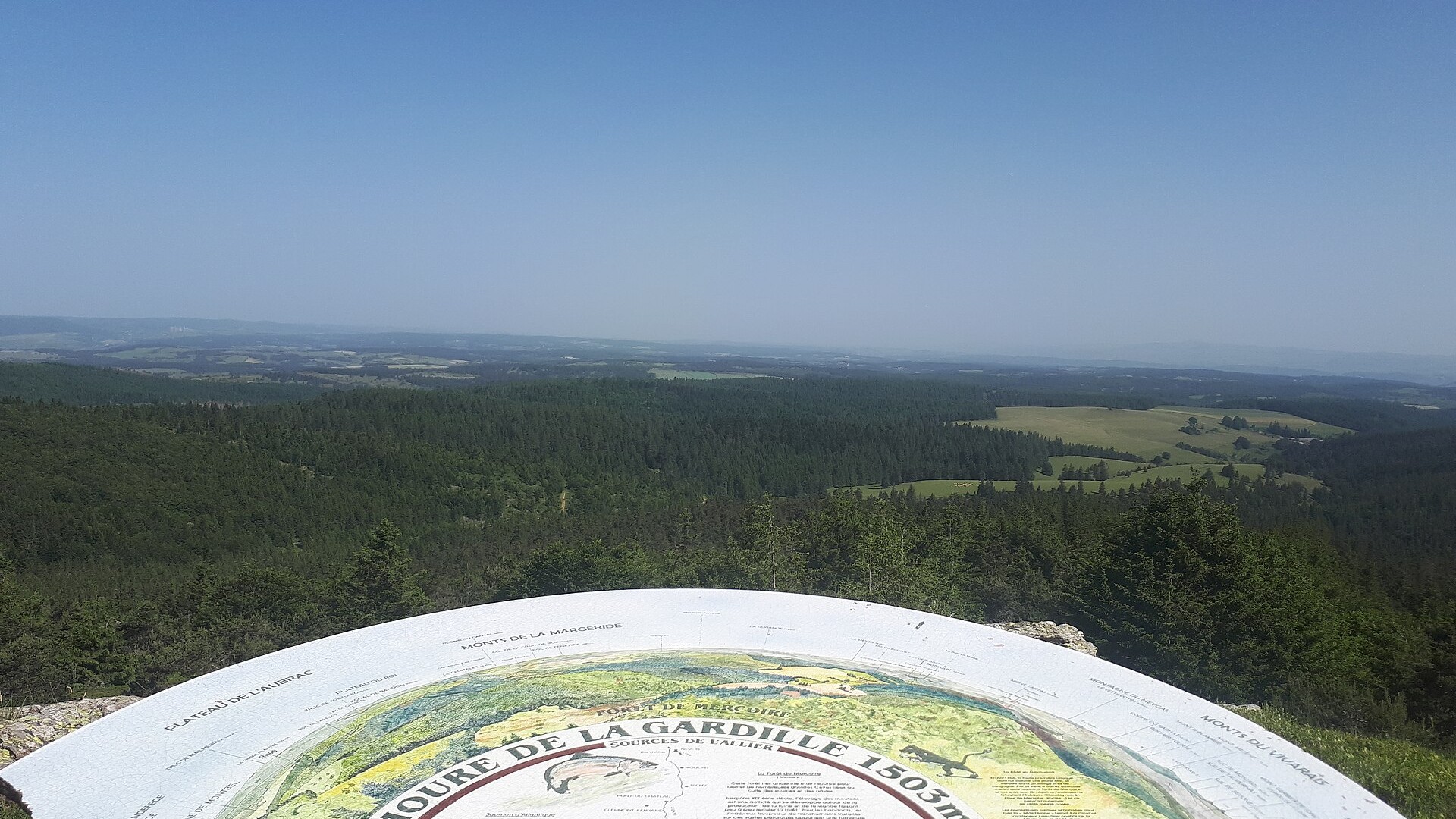
Meanwhile the Beast, or something answering to its name, kept killing across an area some ninety by eighty kilometres wide, which is one of the quiet facts that has always strained the single-animal story.
One animal can cover a lot of ground. That is a great deal of ground, with attacks sometimes reported in places far apart in a short space of time.
A Giant Wolf, and Two Months of Quiet
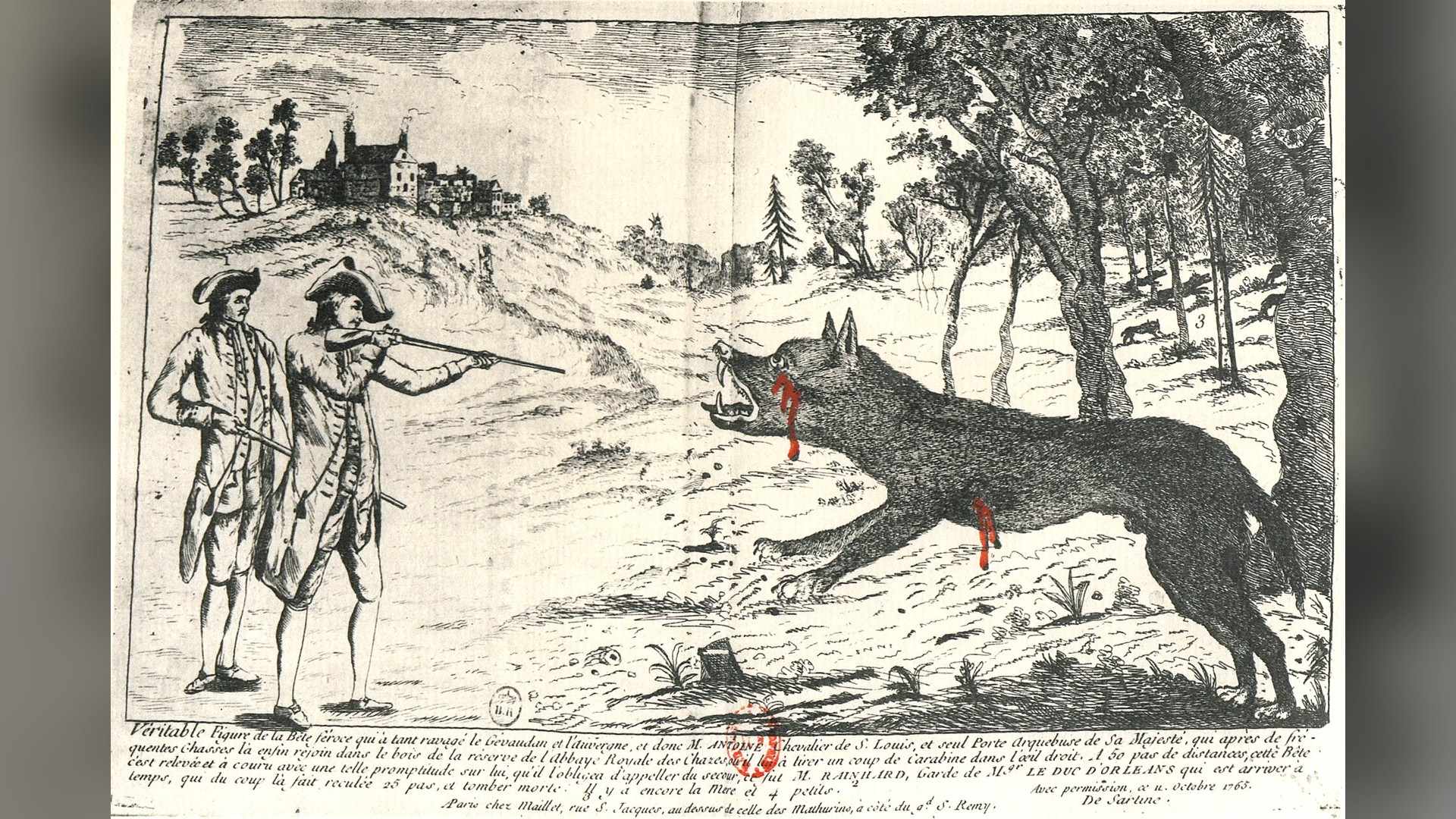
On 20 September 1765, near the abbey of Chazes, Antoine and his nephew shot a very large wolf. It measured about 1.7 metres long and weighed around sixty kilograms, well above the ordinary run of French wolves. Survivors were brought to look at it, and some identified it as the animal that had attacked them.
The wolf was stuffed and sent to court at Versailles. Antoine was rewarded with money and honours, the crown declared the matter closed, and France exhaled. For about two months, the killing stopped, which seemed to prove everyone right.
Then, in December 1765, the attacks began again. Over the following eighteen months, roughly thirty more people were killed in the same country, in the same way.
The court, having already celebrated victory, largely looked the other way, which left the people of Gévaudan in the worst possible position: officially rescued, actually still being hunted.
This is the hinge of the whole mystery. Either Antoine killed the wrong wolf and the real predator kept working, or there was never just one animal to begin with, and removing the boldest of several wolves bought the province a quiet autumn and nothing more.
Modern historians lean heavily toward that second reading. Eighteenth-century France preferred the first, because it had a hero in it.
Jean Chastel and the Last Shot
The end, when it came, came from a local man, not from Versailles. In June 1767, after a fresh burst of attacks, the Marquis d’Apcher organised one more great hunt.
On 19 June 1767, on the slopes of Mont Mouchet, a farmer and innkeeper named Jean Chastel shot dead a large wolf-like animal, and the killing of people in Gévaudan stopped for good.
The animal was examined, and accounts of that examination have fed arguments ever since. It was large, with features some present-day writers insist were not purely wolf-like. Local reports claimed human remains were found in its stomach.
The carcass was displayed locally, then sent toward Paris, where it arrived in poor condition and was eventually disposed of. No specimen survives, which is the single most frustrating fact in the entire case.
Later legend added the decoration you have probably heard: that Chastel used a silver bullet, blessed for the purpose, and sat reading prayers as the Beast approached.
It is a wonderful scene, and there is no contemporary evidence for it. The silver bullet belongs to the folklore that grew over the following century, not to June 1767.
Chastel himself attracts suspicion in some modern retellings, which cast him as a villain who controlled or trained the animal.
It is worth noting he had once been jailed by Antoine’s men after a hunt went wrong, which gives the story a neat shape, but neatness is not evidence either.
What the record actually supports is simpler: a local hunter shot a large animal on 19 June 1767, and after that day, nobody else was killed.
Wolf, Hybrid, Hyena, or Something Worse?
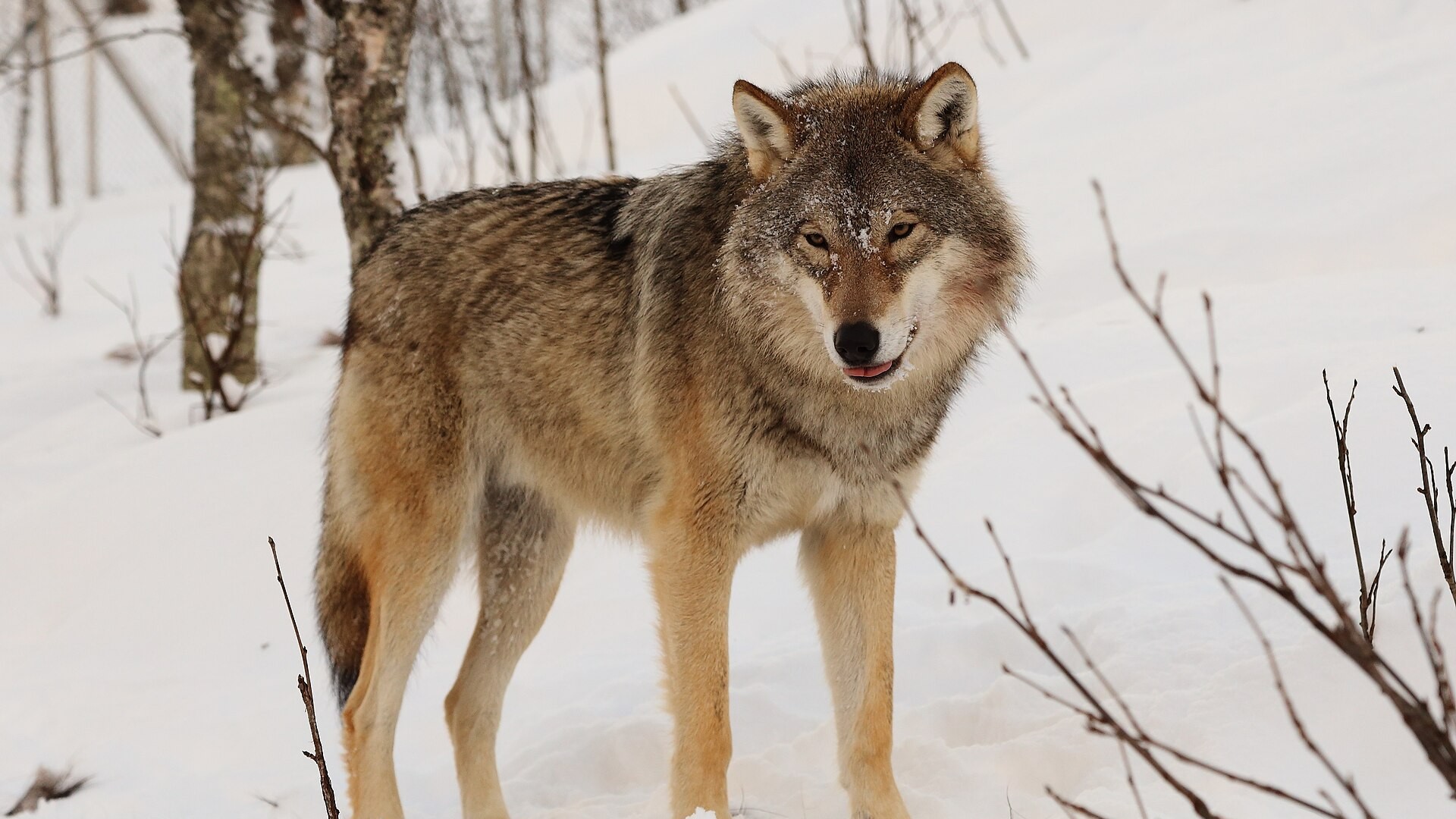
Start with the favourite. Most historians and zoologists who have worked the records conclude that wolves did most or all of the killing, very possibly several of them.
Historian Jay M. Smith, in his study Monsters of the Gévaudan, argues that ordinary, if unusually bold, wolf attacks were welded into a single supernatural Beast by press coverage, official panic and local politics.
France in the 1760s had plenty of wolves, and wolves that lose their fear of people are documented man-eaters in other times and places. On this reading, Gévaudan is a tragedy of predation plus publicity, a cousin to the way Mokélé-mbembé grew from travellers’ tales into a living dinosaur.
The wolf-dog hybrid theory tries to explain the odd descriptions. A cross between a large dog, perhaps a mastiff type, and a wolf could be bigger than a wolf, differently coloured, and bolder around humans, because dogs do not fear us the way wild wolves do.
Some researchers have suggested such an animal, possibly kept and then lost or released, accounts for the witnesses who kept saying the same frustrating sentence: like a wolf, yet not a wolf.
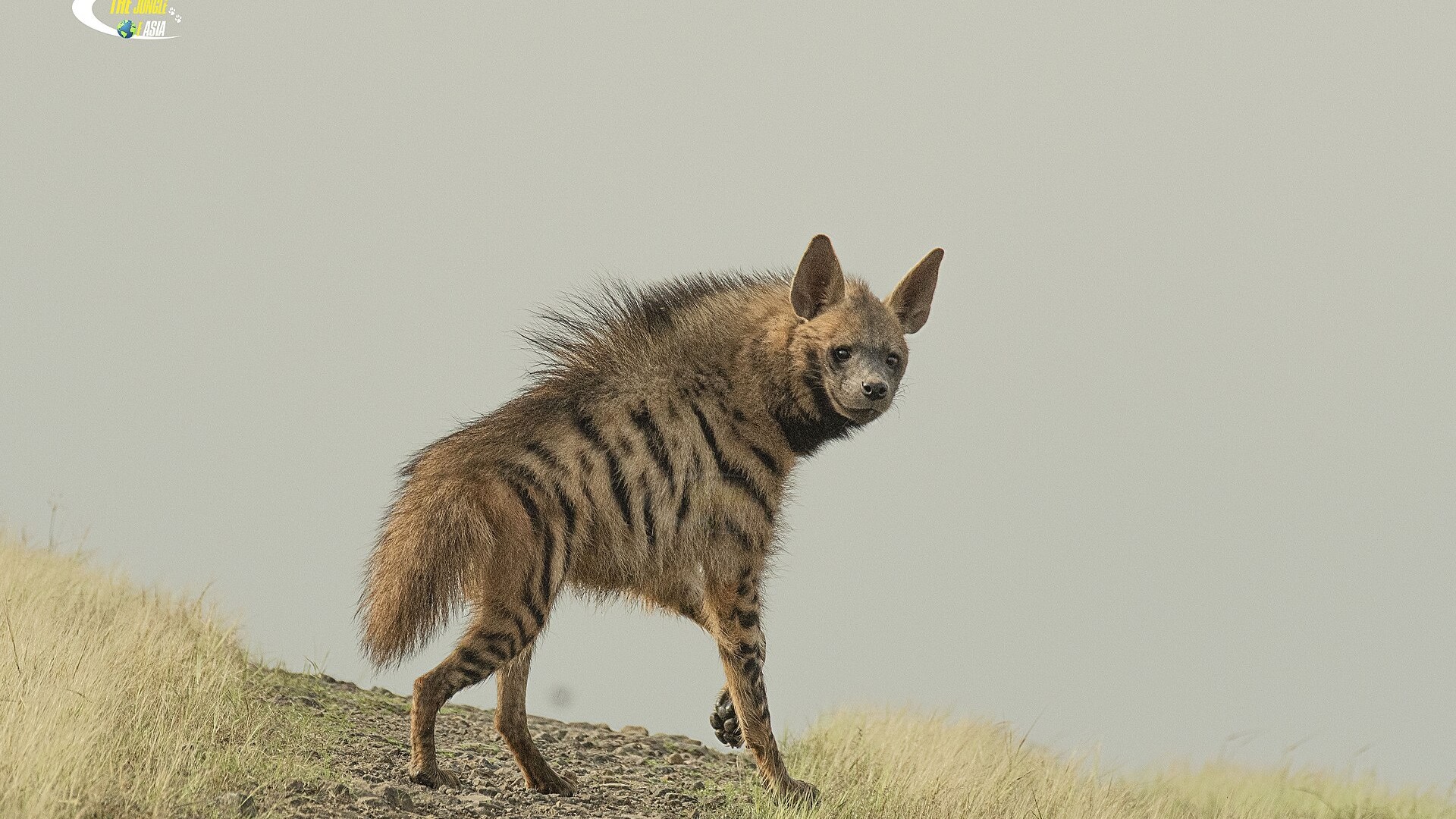
The escaped exotic theory points at the striped hyena, whose sloped back, streaked coat and powerful jaws match some descriptions and some of the period’s own prints, which frankly drew the Beast looking like one.
A hyena in a travelling menagerie or a noble’s private collection could, in principle, have escaped. Against it: striped hyenas are scavengers by habit, rarely attack people, and no record of a missing hyena in 1760s France has ever been produced.
A young male lion has its champions too, notably biologist Karl-Hans Taake, who argues the Beast’s size, ambush style and neck-focused killing fit a sub-adult lion escaped from captivity.
It is not impossible. It is also not supported by any surviving document, which is the recurring problem with every exotic theory.
And then there is the darkest theory: that a human being was involved, training an animal to attack, or even killing in disguise. It survives because some attacks looked deliberate and because the Beast seemed to evade traps and hunters with almost intelligent timing.
But no contemporary investigation produced a suspect, a confession or a shred of physical evidence, and a man in a costume does not explain three years of attacks across eighty kilometres of mountain country, any more than the era’s other buried fears, like the ones behind vampire burials, needed real monsters to explain real graves.
What everyone is really arguing about is the gap between the paperwork and the animal. The paperwork is superb. The animal is gone.
People have been trying to fit a wolf into that gap, or something else into it, ever since, the same way they argue over people who vanished without a trace and left only records behind.
The Verdict
Verdict: Unresolved. The killings are historical fact, recorded at the time, and the toll was most likely around a hundred dead.
A large wolf, several wolves, or a wolf-dog hybrid is the explanation the evidence leans toward, but no surviving specimen, and descriptions that never quite settle into an ordinary wolf, keep the case open. Whatever Jean Chastel shot in June 1767 ended it. We still cannot say with certainty what it was.
Frequently Asked Questions
How many people did the Beast of Gévaudan kill?
Most likely around 100. A detailed 1987 study counted 210 attacks, with 113 deaths and 49 injuries, while other counts put the dead between 60 and 100. The exact figure depends on which reported attacks are accepted as genuine, so treat any single number, including the famous “over 100,” as an estimate.
What was the Beast of Gévaudan?
Nobody knows for certain. The leading explanation among historians is one or more large wolves, possibly including a wolf-dog hybrid. Escaped exotic animals, such as a striped hyena or a young lion, and human involvement have all been proposed, but none has evidence behind it as strong as the wolf case.
Did Jean Chastel kill it with a silver bullet?
There is no evidence for that. Chastel shot the animal on 19 June 1767 during a hunt organised by the Marquis d’Apcher, and the attacks stopped. The blessed silver bullet is a later legend that grew up around him, not a detail from the records of the time.
Why did it attack women and children so often?
Because of their work. In 1760s Gévaudan, women and children spent long hours alone guarding livestock on open hillsides, far from help. They were simply the people most often within a predator’s reach, and most of the victims were taken exactly there, with their herds.
Was the Beast a werewolf?
That is what many people at the time feared, and the word was used in the region, but nothing in the record requires it. Survivors described a physical animal that could be fought off with sticks and wounded with a bayonet, and the attacks ended when a large animal was shot. The werewolf is the folklore that grew on top of a real predator.
Join the Conversation
Do you think the Beast was just a wolf, or was there something supernatural at play?
Read Next
- Mokélé-mbembé: The Living Dinosaur of the Congo
- Vampire Burials: The Archaeology and the History
- People Who Vanished Without a Trace
- The Dancing Plague of 1518: The Epidemic of People Who Danced to Death
