
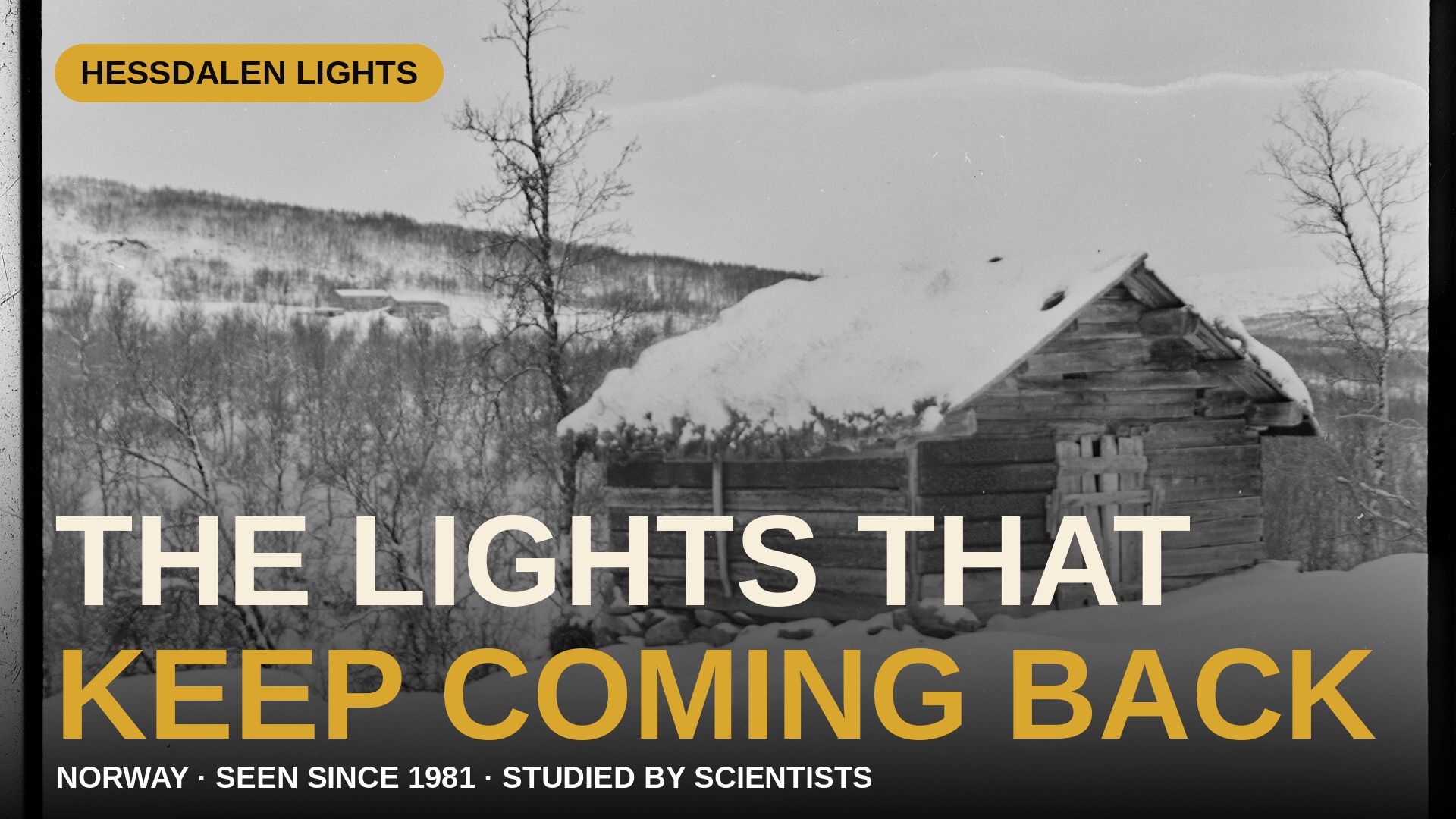
Most UFO stories follow the same sad pattern. Something odd is seen once, by a handful of people, and by the time anyone with a camera or an instrument shows up, it is gone forever.
The Hessdalen lights refused to follow that pattern. Since December 1981, unexplained balls of light have been rising over one remote Norwegian valley, sometimes fifteen to twenty times a week, and they kept coming back for years.
That changed everything. A phenomenon that repeats in one small place can be studied, so scientists did the thing they almost never get to do with a UFO story: they moved in.
They brought radar, cameras, lasers and seismographs to a valley of a few hundred farmers, and later they built a permanent automatic observatory that still watches the sky today. The Hessdalen lights are, as far as anyone can tell, completely real. What they are is another matter.
What People Actually See in the Valley
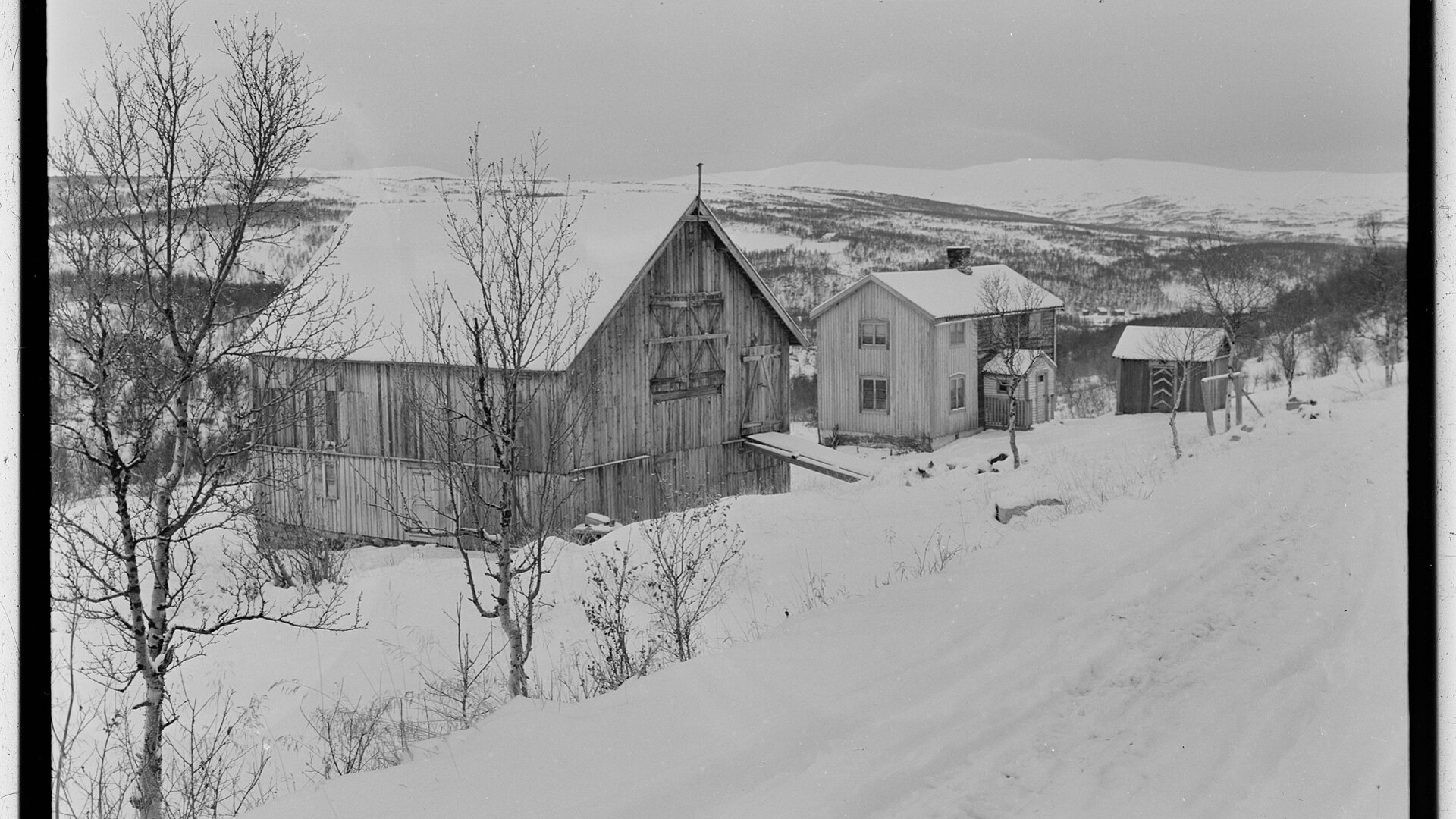
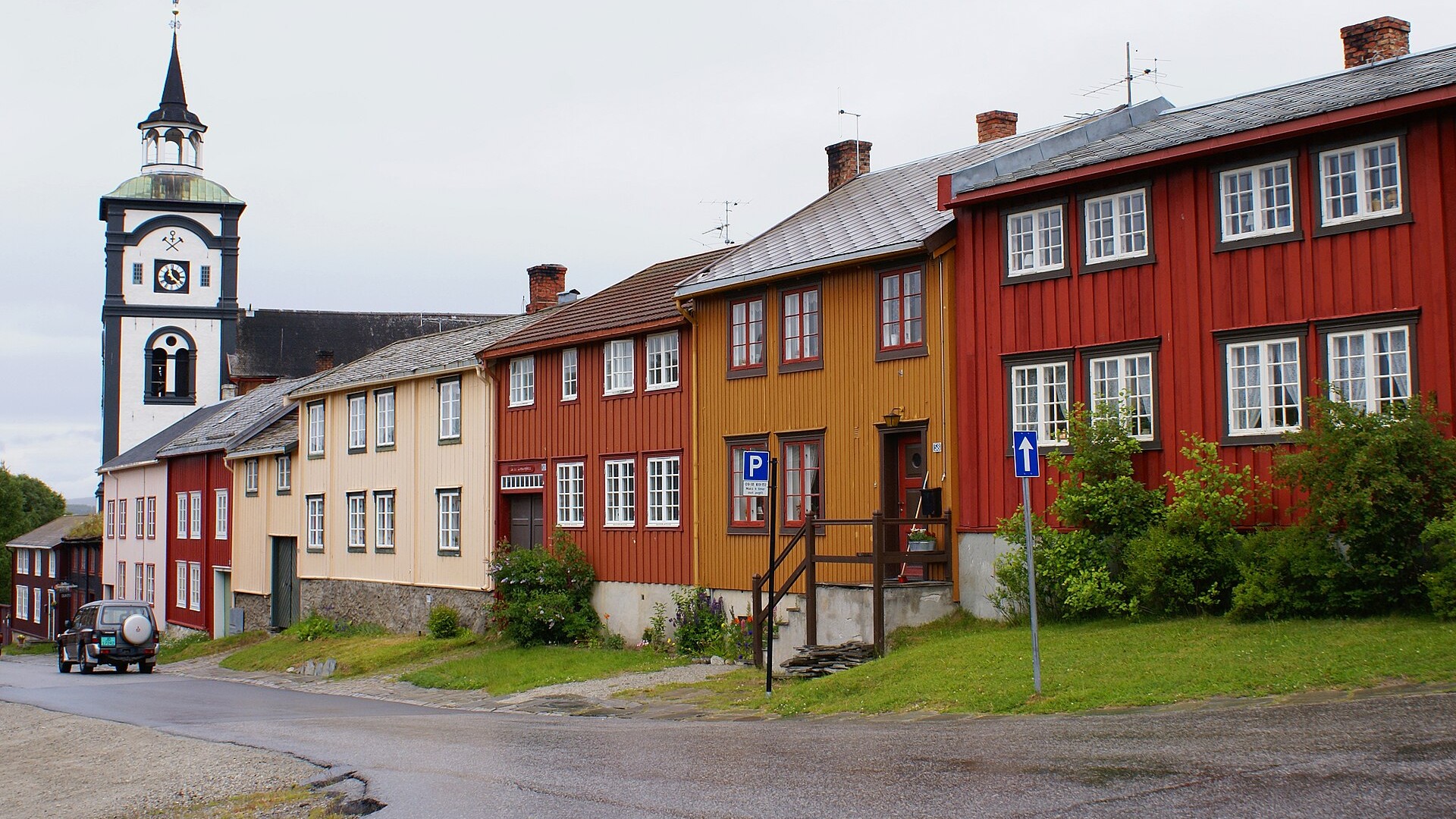
Hessdalen is a valley about twelve kilometres long in central Norway, south-east of Trondheim and not far from the old mining town of Røros. It is beautiful, cold and quiet, home to scattered farms along the river Hesja.
Unusual lights were reported there as far back as the 1930s, and older local stories go further, but for decades they were just that: stories.
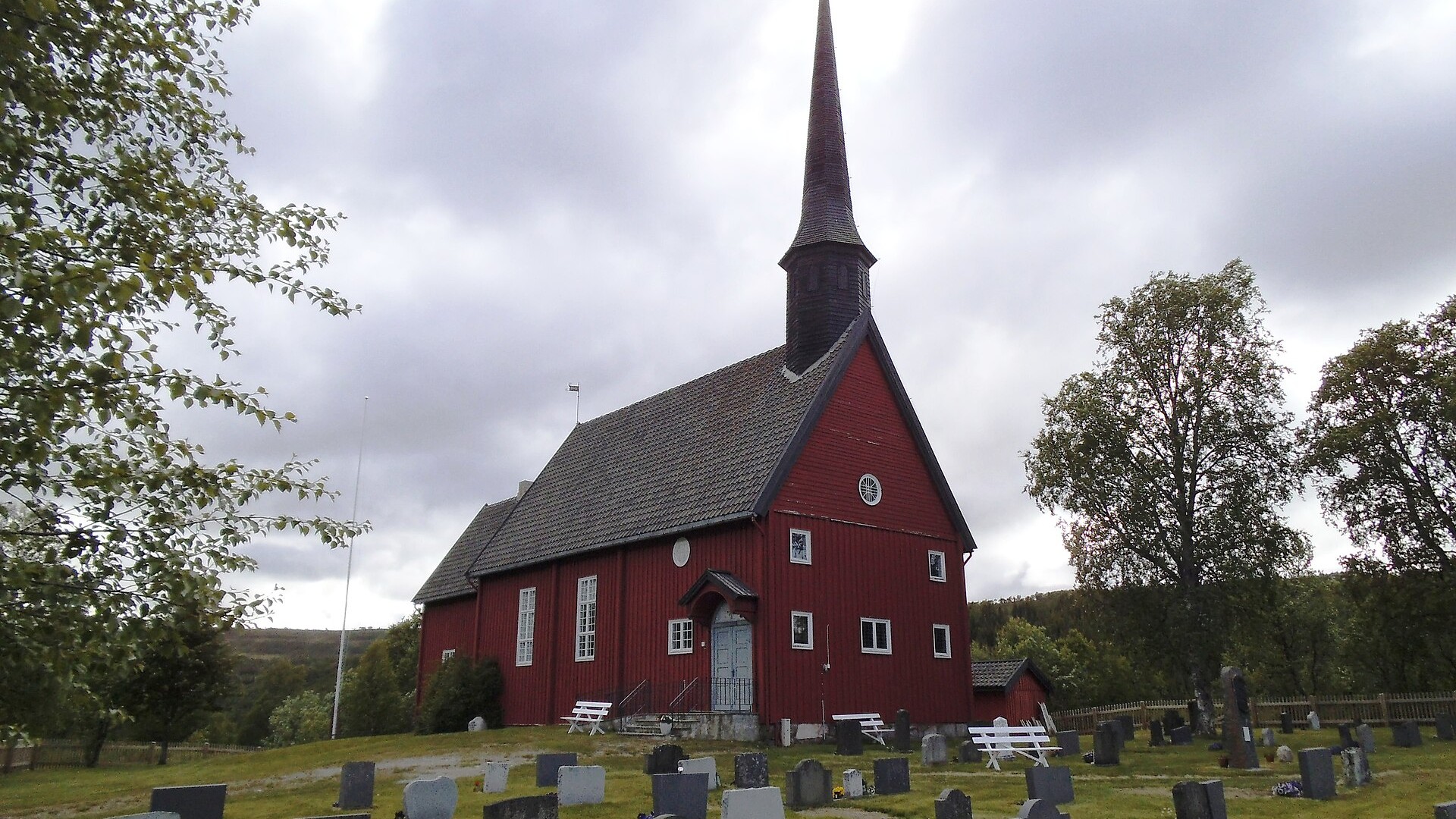
Then, at the end of 1981, the valley lit up. Residents began reporting lights several times a week, then almost nightly.
Through the peak years to about 1984, sightings ran at fifteen to twenty a week, and tourists drove in from across Scandinavia to sit on the hillsides at night and watch. Police officers, teachers and farmers filed reports. Whatever this was, it was not one excitable witness.
The reports sort into a few recognisable types. Some lights are brief flashes of white or yellow that last a few seconds.
Others are slow, steady yellow lights that hang in the air or drift along the valley for an hour or more, sometimes with a smaller red light flashing on top.
A third type is the strangest: several lights travelling together in a fixed formation, keeping exact distances from each other as they move.
Close-range reports are the hardest to wave away. People who have watched the lights through binoculars describe them swelling and shrinking, pulsing in brightness, and occasionally splitting into two lights that drift apart and merge again.
Some hang almost motionless for the better part of an hour, long past the stamina of any drone of the era, in a valley where in 1981 drones did not exist at all.
Witnesses describe lights hovering over rooftops, dipping below the ridgeline, and accelerating away in ways that rule out the easy answers.
They are not aircraft, which follow the air routes and blink by the book. They are not car headlights, which stay politely attached to the roads.
And they appear in the same small stretch of sky, again and again, which is what makes Hessdalen different from a thousand one-night wonders.
It is the same quality that draws researchers to places like Skinwalker Ranch: a location where the strange thing, whatever it is, seems to live.
Project Hessdalen: The Winter the Scientists Moved In

By 1983, no official body had taken the lights seriously, so five volunteers from the Norwegian and Swedish UFO organisations founded Project Hessdalen. The important thing about the project is what it was not. It was not a believers’ club hunting for aliens.
It was a field investigation, built with technical help from the Norwegian Defence Research Establishment and the universities of Oslo and Bergen, designed to find out what the lights were, including if the answer turned out to be boring.
The main field campaign ran through the winter of early 1984, from late January to late February, in temperatures that punish both people and equipment.
The team filled the valley with instruments: cameras fitted with diffraction gratings to split the light into spectra, radar, a seismograph, a magnetometer, a Geiger counter and a laser. In five weeks they logged 53 observations of anomalous lights.
The instruments earned their keep. On several occasions the lights registered on radar while observers watched them, which means something physically present was reflecting radio waves.
Stranger still, on a number of occasions the radar picked up a fast-moving object that nobody could see at all. Some radar returns implied extraordinary speeds, although experienced researchers treat single-radar speed estimates with caution, because the method can produce wild numbers.
One experiment from that winter is still quoted constantly. When the team shone a laser at a regularly flashing light, the light appeared to double its flashing rate, as if responding.
It happened once, under field conditions, and the researchers themselves have always been careful about it. But it is the kind of result that keeps scientists coming back to a cold valley for forty years.
The Blue Box and the EMBLA Years
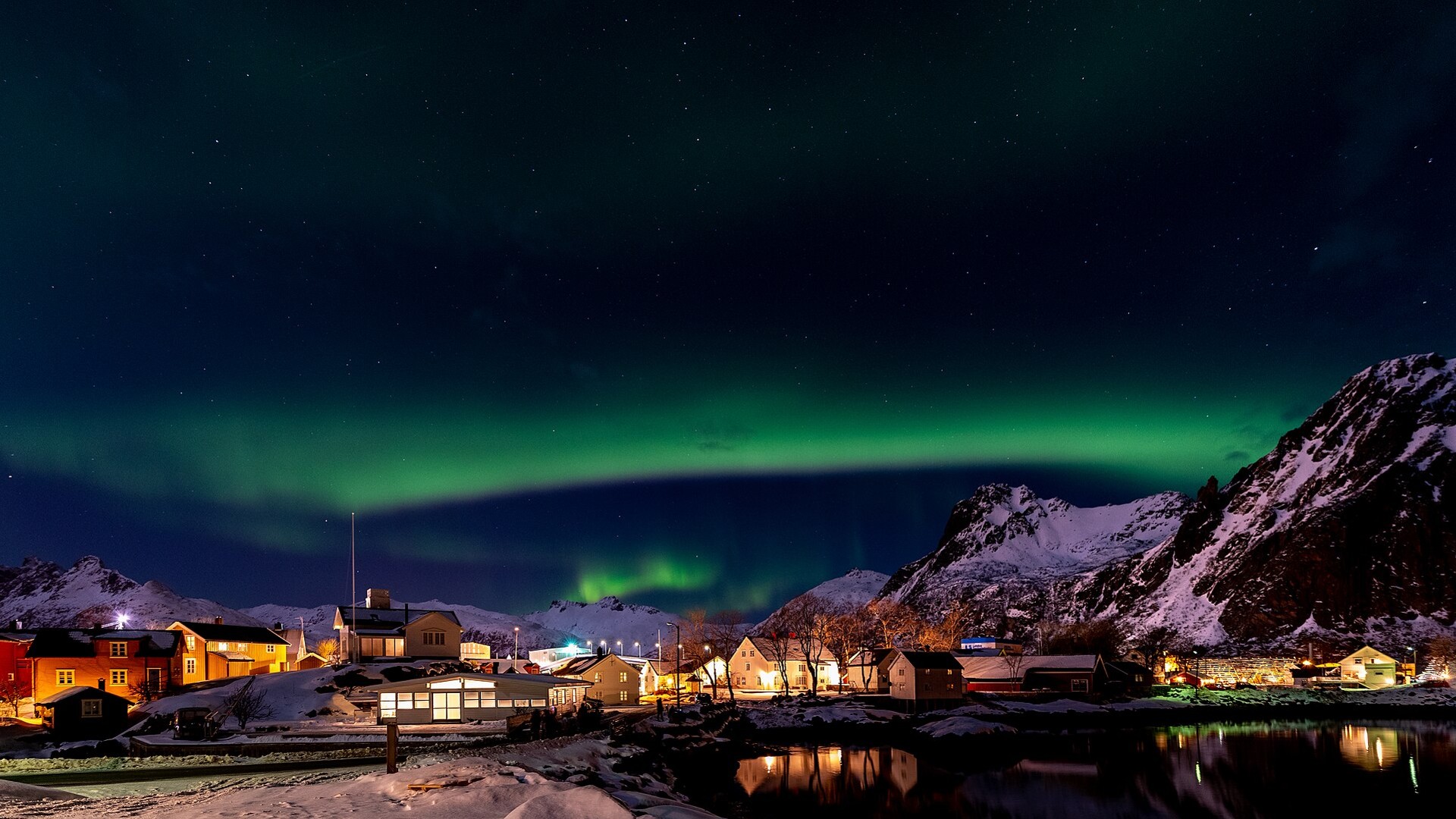
Field campaigns end. People go home, funding dries up, and a phenomenon that performs twice a month will always outwait a team that visits twice a year.
The answer, proposed at a 1997 scientific workshop, was to leave the instruments behind and let them watch on their own.
In August 1998, researchers from Østfold University College installed the Hessdalen Automatic Measurement Station in the valley. It is a container, nicknamed the Blue Box, holding a camera and a computer programmed to react when something unusual moves in the sky, recording the event and raising the alarm.
It has been upgraded over the years and it is still running, which makes Hessdalen one of the longest continuously monitored mystery sites on Earth.
Teams studying other sky anomalies, from instrumented ranches to the researchers behind unexplained signals from space, are chasing the same ideal: a machine that is watching when the strange thing happens.
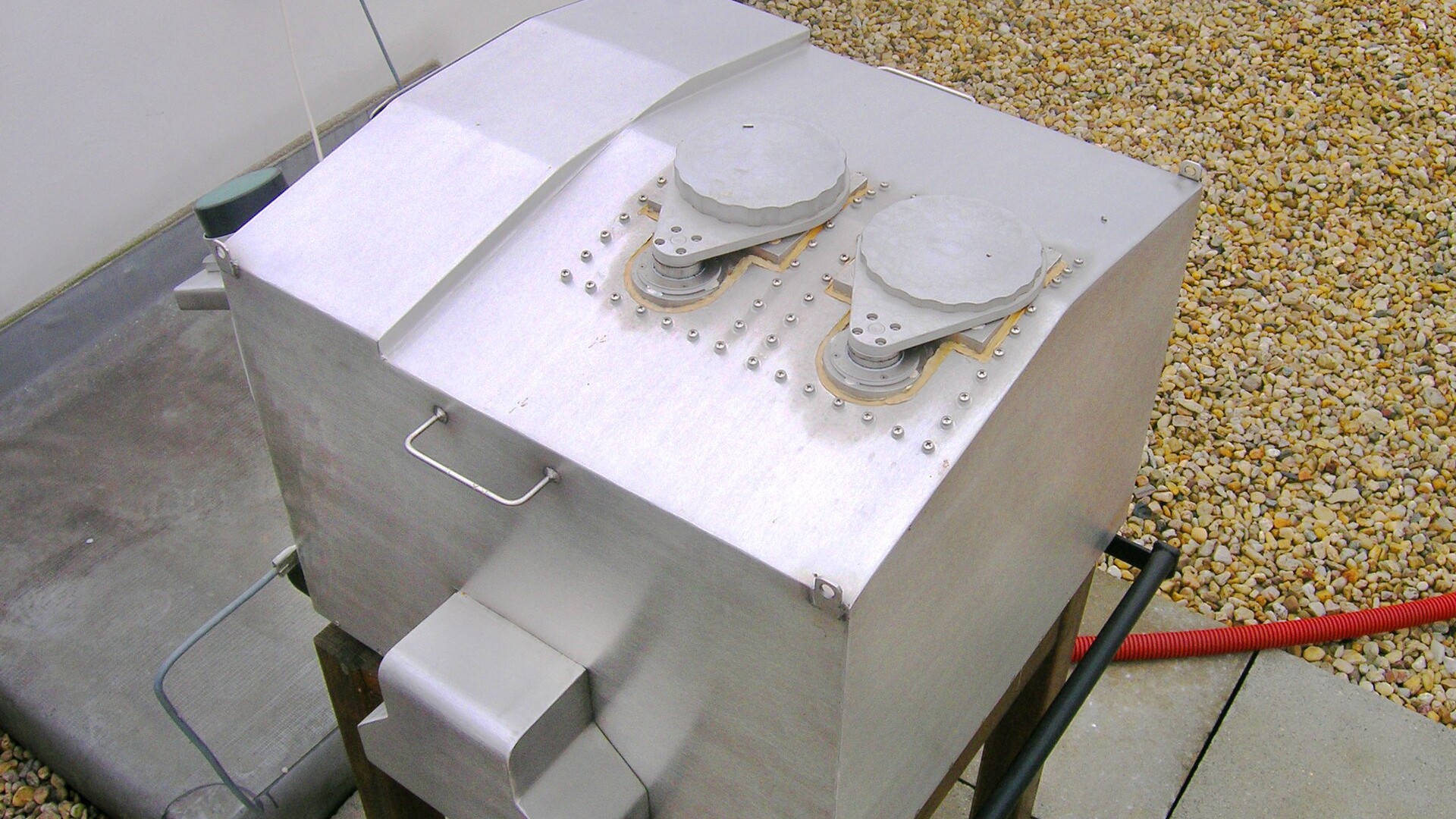
From 2000, the work went international. The EMBLA programme brought Italian researchers from the Institute of Radio Astronomy together with the Norwegian team for a series of expeditions, led on the physics side by astrophysicist Massimo Teodorani.
EMBLA’s contribution was close-up physics. Their optical spectra suggested the lights behave like a glowing, ionised gas: a plasma, rather than a solid object with lights on it.
The lights seemed to expand and contract, to brighten and cool, the way a ball of energised air might, and not the way any machine does.
That finding quietly reshaped the whole debate. If the lights are plasma, the question stops being “whose craft is it?” and becomes “what in this valley can charge a ball of air until it glows, and keep it glowing while it moves?” It is a better question. It is also, so far, unanswered.
A Battery the Size of a Valley? The Theories
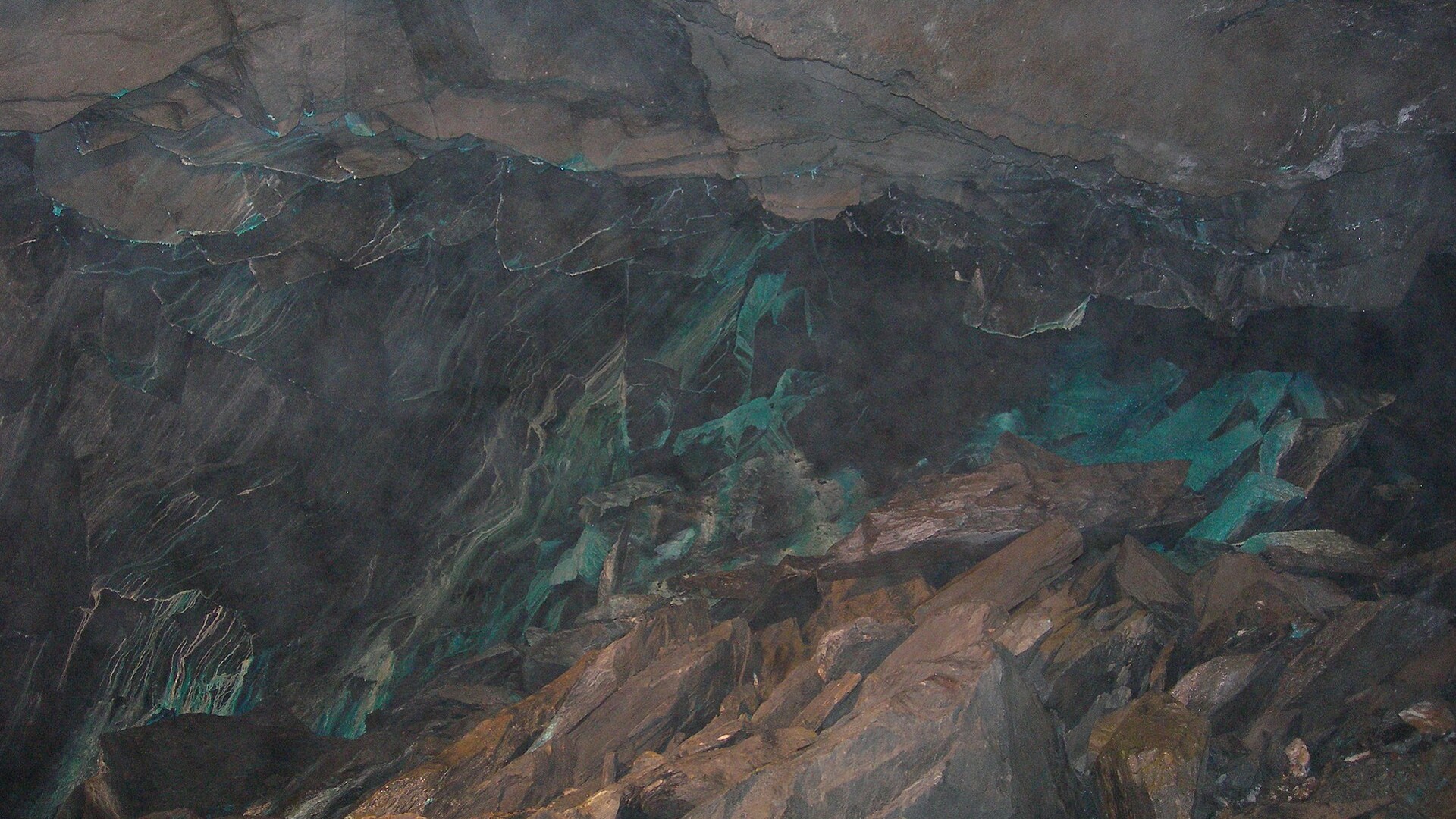
The plasma idea comes in several flavours. Teodorani’s own model involves dust. The valley is old mining country, its soil and abandoned workings rich in metals, and his proposal is that ionised dust particles from the ground can gather, ignite and burn slowly as a glowing plasma ball, fed by the valley’s natural electrical environment.
It would explain why the lights hug this one valley and why they behave like gas rather than machinery.
An older family of theories looks at the rocks themselves. Quartz-bearing rock under tectonic stress can generate electrical charge, a piezoelectric effect, and some researchers have proposed that pressure in the valley’s bedrock charges the air above it.
The weakness is that Hessdalen is not earthquake country. The ground there is quiet, and a mechanism that needs a stressed, shifting crust has to explain why it performs in one of Norway’s calmer geological corners.
Another proposal involves radon, the radioactive gas that seeps from Scandinavian bedrock. As radon decays, it ionises the air around it, and theorists have suggested that decay products clinging to dust could build charged clusters that glow.
It is an elegant idea with the same problem as the others: elegant, and unproven at the scale of a light that can hover for an hour.
The most famous theory arrived in 2013, from Italian radio astronomer Jader Monari and colleagues. Hessdalen, they pointed out, is a valley of two halves.
The rocks on one side of the river Hesja are rich in iron and zinc. The rocks on the other side are rich in copper. Running
between them, the river carries sulphur leached from an abandoned mine: a natural electrolyte. Put together, that is the recipe for a battery, with the valley itself as the cell.
Monari’s team tested the principle with rocks from the two sides of the valley set in river sediment, and measured a current strong enough to light a small lamp.
In their model, the geological battery charges bubbles of ionised gas, and the valley’s electromagnetic field guides the glowing bubbles along it, which would explain why the lights travel the length of Hessdalen like traffic on a road.
It is a wonderful theory, and it may still be wrong. The natural battery idea was never published as a full explanation in a peer-reviewed journal, and a later quantitative reassessment by Teodorani calculated that the voltage such a system could plausibly generate falls many orders of magnitude short of what is needed to ionise open air.
The battery also struggles with lights seen high in the sky and away from the river. None of this kills the idea outright. It does mean the valley’s most famous explanation is, at present, a hypothesis with a lamp lit in a lab, not an answer.
And the alien option? It is worth noticing who is not making it. The researchers who have spent decades in Hessdalen, and who have the most data, almost never talk about craft or visitors.
Unlike the shaky footage behind stories like the Skinny Bob films, the Hessdalen lights have been measured too well to need aliens, and measured too strangely to dismiss.
Some individual reports certainly have ordinary causes, and the project itself throws out sightings it can identify. What survives that filtering is the mystery.
The Verdict
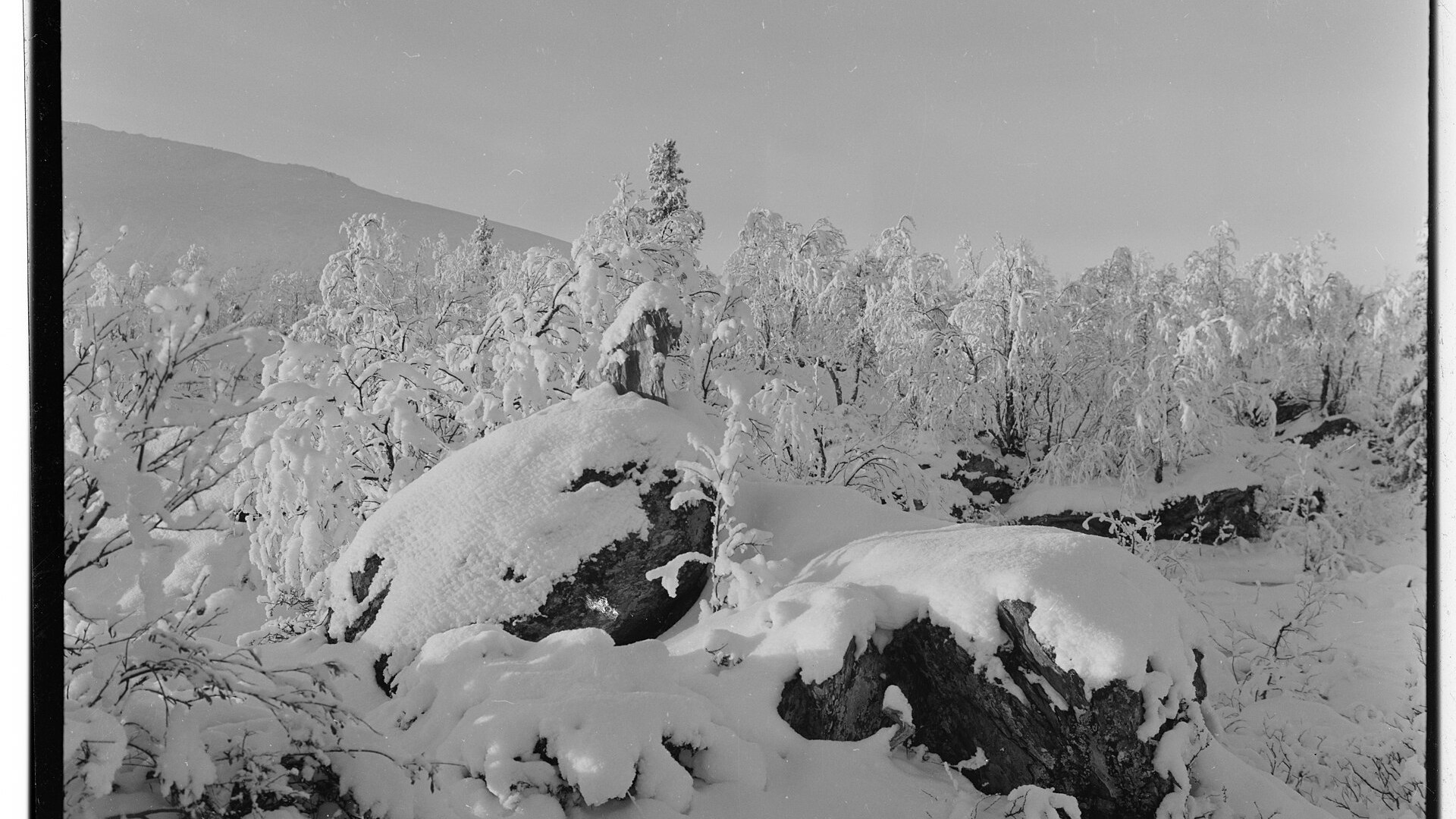
Verdict: Unresolved. The Hessdalen lights are real, photographed, tracked on radar and monitored by a permanent scientific station, which puts them in a class almost no other UFO phenomenon can claim.
But after more than forty years of instruments in the valley, no proposed cause, plasma, piezoelectricity, radon or natural battery, has been proved. The lights keep their schedule. Science keeps its chair by the window.
Frequently Asked Questions
Can you still see the Hessdalen lights today?
Yes. Sightings have slowed since the 1980s peak, but the project still records roughly 10 to 20 reports a year, and the automatic station in the valley continues to capture events on camera.
Are the Hessdalen lights aliens?
There is no evidence for that. The scientists who study the lights treat them as a natural phenomenon that is not yet explained, and their spectra look like ionised gas, not like any kind of craft.
When is the best time to see the Hessdalen lights?
The dark winter months give the best chance, when nights are longest and sightings have historically been most frequent. There is a viewing area in the valley, and the project runs science camps and guided activities in season.
What did the radar actually show?
During the 1984 campaign, radar sometimes tracked the lights as observers watched them, proving something physical was there. At other times radar recorded fast-moving objects that nobody could see, which remains one of the oddest findings in the project’s records.
What is the leading scientific explanation?
The strongest current ideas involve plasma: balls of ionised gas or dust charged by the valley’s unusual geology and electrical environment. The natural battery model is the most famous version, but its physics has been seriously challenged, and nothing is confirmed.
Join the Conversation
Are the Hessdalen Lights a natural phenomenon, or something else entirely?
Read Next
- Skinwalker Ranch: The Utah Property That Terrified the Pentagon
- Wow! Signal and Unexplained Sounds From Space
- Skinny Bob: The Alien Footage That Still Has No Explanation
- Hessdalen Lights: The UFO Scientists Still Can’t Explain
