
Some places are built on a foundation of myth and mystery, and then a building gets put on top of the myth to keep it quiet. Like phantom islands, the castle was built on a foundation of myth and mystery that nobody has ever quite managed to drain away.
That castle is Houska Castle, an early Gothic fortress standing in the sandstone forests of northern Bohemia, about an hour’s drive north of Prague.
On paper, Houska Castle makes no sense at all. It was built in the 13th century, in the middle of nowhere, far from any border, far from any trade route, and far from anything an enemy might want to steal.
It had no natural water supply. It had no proper kitchen when it was finished. For long stretches of its early life, almost nobody lived in it.
So why would a king spend a fortune raising a stone fortress in an empty forest? Local folklore has had an answer ready for centuries, and it is not a comforting one.
The castle, they say, was never meant to keep an army out. It was built to keep something in.
A Castle That Breaks Every Rule of Castle-Building
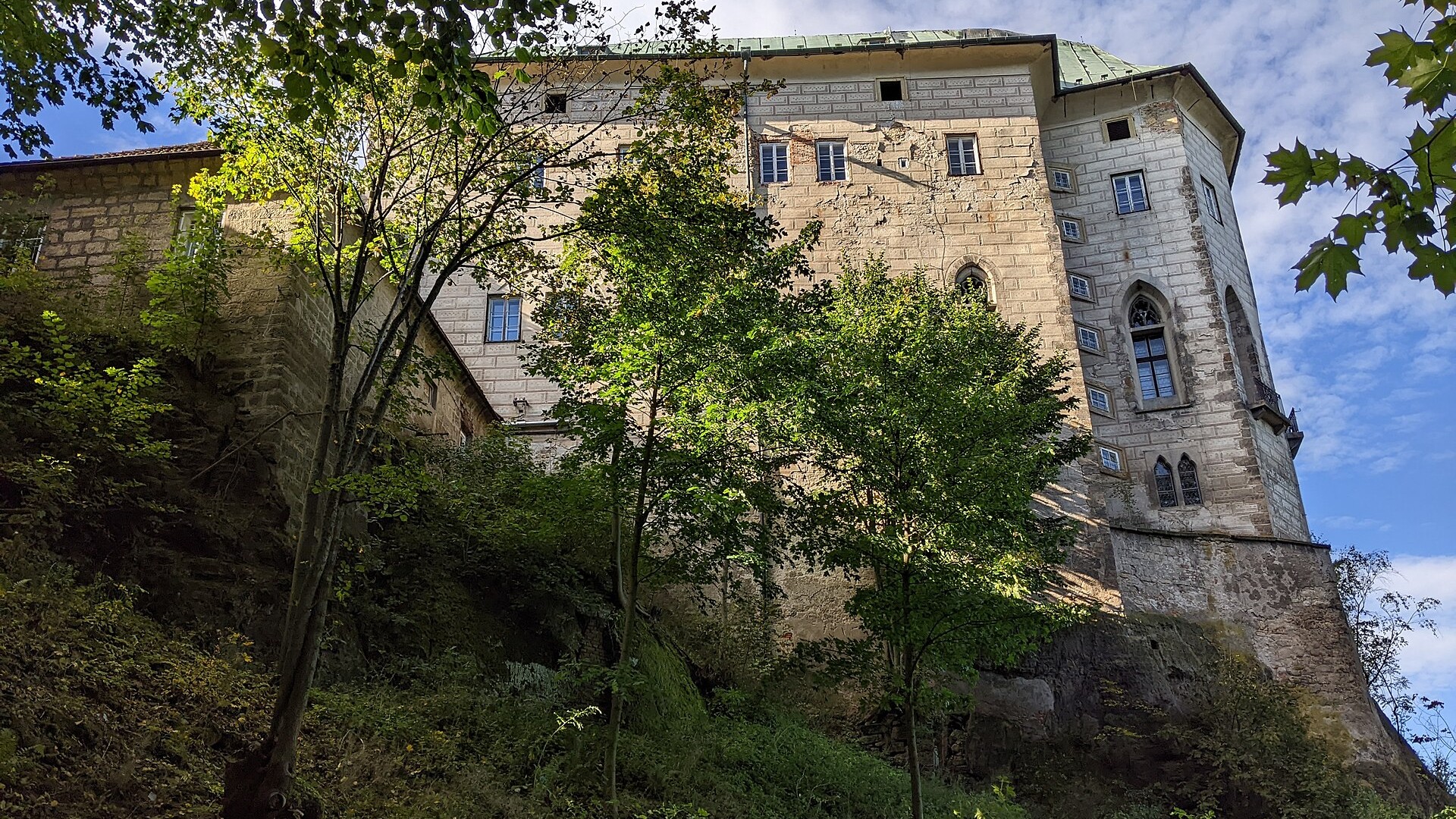
Start with the location. Castles go where power needs them: on river crossings, mountain passes, borders and roads.
Houska sits on a sandstone ridge in the Kokořínsko forest, guarding nothing, overlooking nothing, on land that connected to nowhere in particular. There was no town to protect and no road worth taxing.
Then there is the water problem. A fortress under siege lives or dies by its well, and Houska has none. The builders relied on a cistern to catch rainwater, which is a strange gamble for a supposed stronghold.
A few weeks of enemy patience and a dry summer would have finished the place without a single arrow being fired.
The strangeness continues inside. Accounts of the castle describe windows that were fake from the start, rooms built without any clear purpose, and defences that later visitors swore faced the wrong way, toward the courtyard rather than out at the world.
Not every one of those details survives scrutiny, and guides have polished some of them over the years. But even stripped back to the documented basics, the puzzle holds: an expensive royal castle with no water, no garrison town, no road and no obvious job.
Historians offer a sensible explanation, and it is worth hearing before the legend takes over. Houska was probably an administrative centre for the royal forests and estates around it, a stone office and occasional hunting residence for the crown lands of Bohemia.
It was founded on royal land in the 13th century, most likely during the reign of Ottokar II, one of the most powerful kings in Europe at the time. The nearby royal castle of Bezděz was built by the same royal workshop, and Houska may simply have been the quieter sibling.
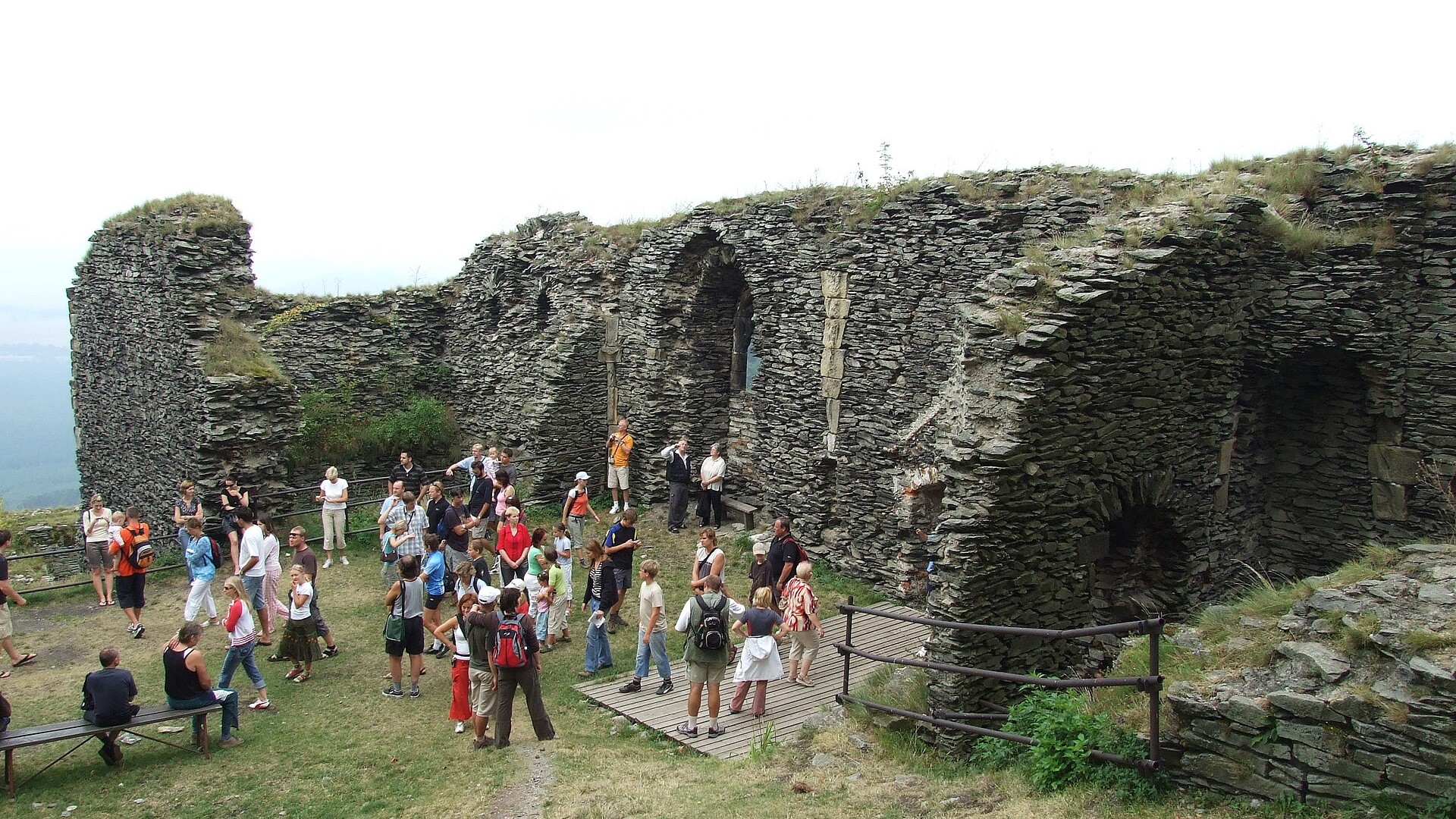
That explanation covers the paperwork. It does not explain why the stories started, or why they started so early, or why they all point at the same spot under the floor.
The Pit Beneath the Chapel
According to folklore, the ground Houska stands on was feared long before the first stone arrived.
There was, the story says, a great crack in the rock, a hole so deep that no one could see the bottom and no amount of rubble thrown into it made any difference. It was, in the language of the time, a gateway to Hell.
What came out of it was worse than what went in. Chroniclers repeated tales of strange creatures crawling from the darkness: animals that were half one thing and half another, dark-winged shapes over the trees, and a bullfrog-headed creature that later centuries would paint into the castle’s own circle of stories.
One of the earliest written versions of the legend appears in Václav Hájek’s 16th-century Czech Chronicle, which describes a hole in the rock near Houska inhabited by spirits that terrified travellers.
Whether or not medieval villagers believed every word, somebody in authority decided the hole needed a lid, and the lid they chose was a castle.
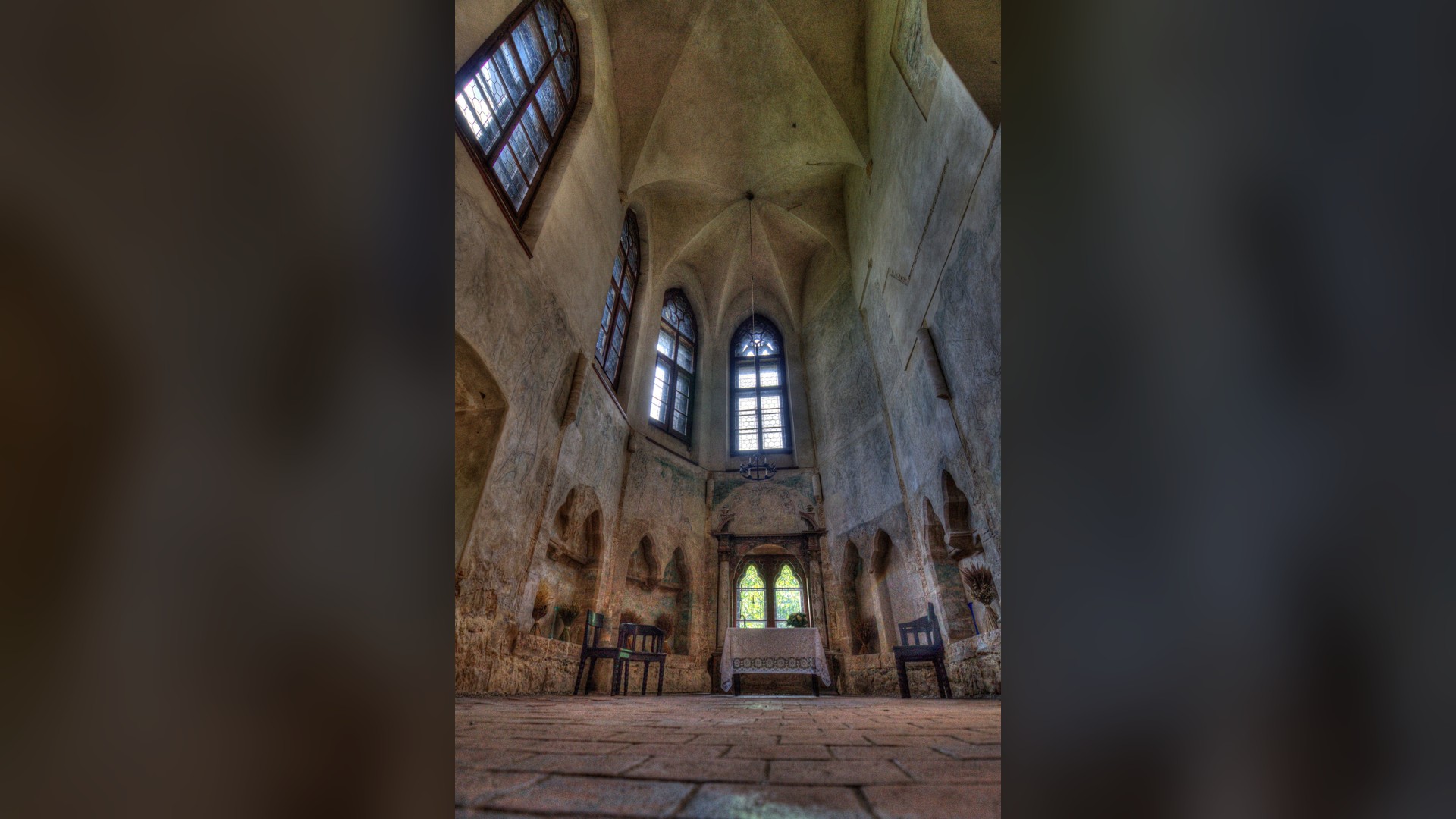
Most pointed of all, the castle chapel was built directly over the pit itself. The chapel is real, and it is genuinely remarkable: a surviving Gothic chapel with wall paintings from around 1300, including the Archangel Michael fighting evil, which is a pointed choice of decoration for a room that supposedly sits on top of a door to Hell.
Michael is the archangel who battles demons. If you were sealing something underneath a floor in the 13th century, he is exactly the guard you would post.
The chapel also holds a fresco so odd that art historians still talk about it: a left-handed female centaur, a pagan creature, painted inside a Christian chapel, at a time when left-handedness itself carried a whiff of the Devil.

Coincidence is possible. Castles needed chapels, and chapels needed a floor plan. But the combination of the rock, the chapel’s position and those paintings is the reason the legend never needed a marketing department.
The Prisoners Who Were Lowered Into the Dark
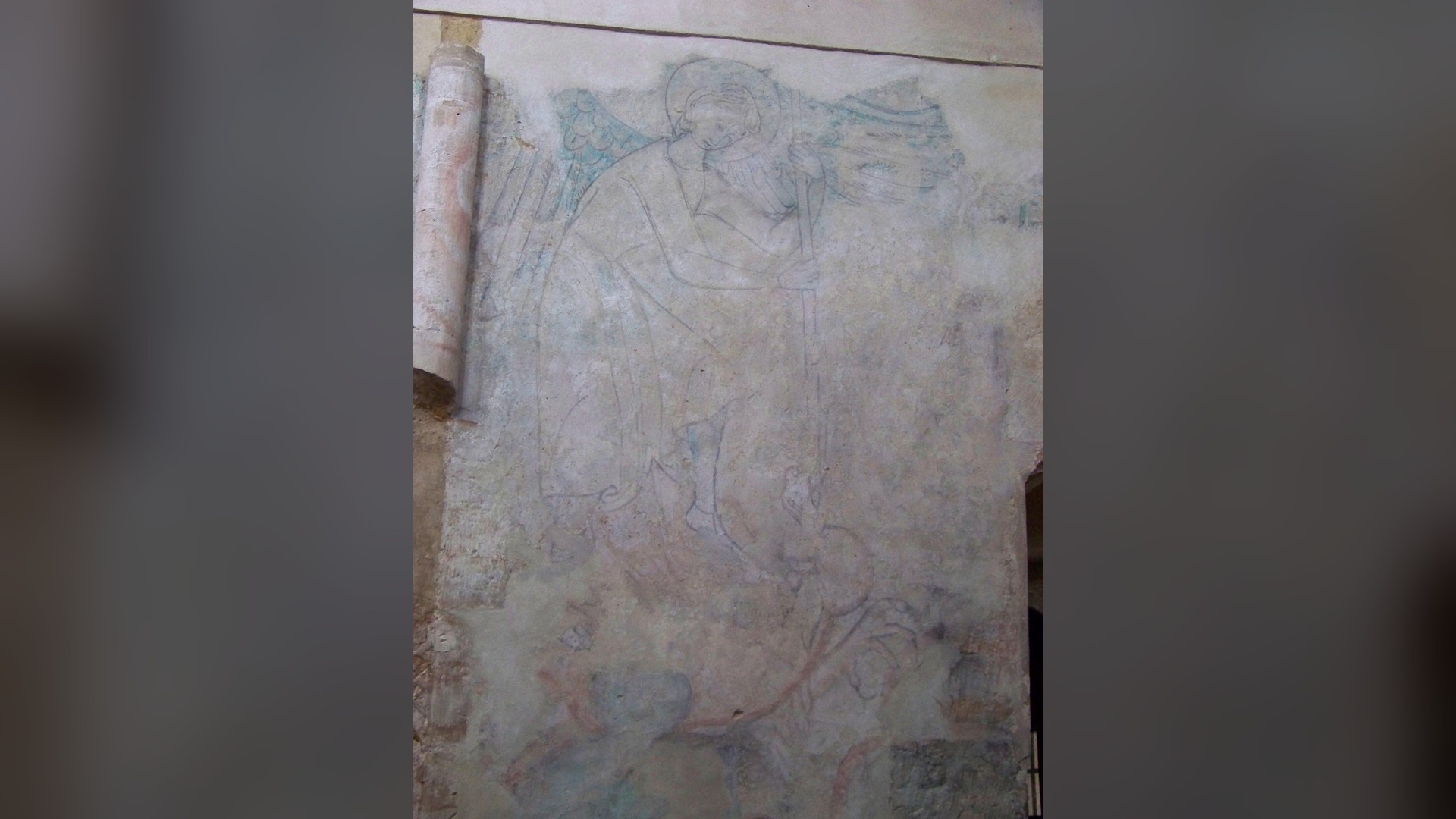
The darkest part of the legend is also the most famous, and it deserves to be told exactly as it is: a story, repeated for centuries, with no surviving document behind it.
When construction began, the tale goes, the builders wanted to know what was actually down the hole. So an offer was made to prisoners under sentence of death.
Be lowered into the pit on a rope, report what you see, and earn a pardon. It was the medieval version of a deal you cannot refuse.
The first man to take it did not stay down long. Within seconds of disappearing into the dark, he began to scream.
The men above hauled him back up as fast as they could, and what came over the edge was not the man who had gone down. His hair had turned white. His face was lined like an old man’s. Witnesses said he looked as if he had aged thirty years in less than a minute underground.
He could never properly say what he had seen. By most versions of the story, he died within two days, still raving. After that, the experiment was abandoned, the hole was covered, and the building went up over it.
It is a superb story, and it behaves like one. It appears in later retellings rather than in any 13th-century record, it grows in the telling, and the details, the white hair, the thirty years, the death two days later, are the fingerprints of folklore, not of a prison log.
Treat it the way you would treat a campfire tale told by a very good storyteller: enjoy it, and do not cite it as evidence.
What it does prove is how the people around Houska understood the place. You do not invent a story like that about a tax office.
What the Record Actually Shows
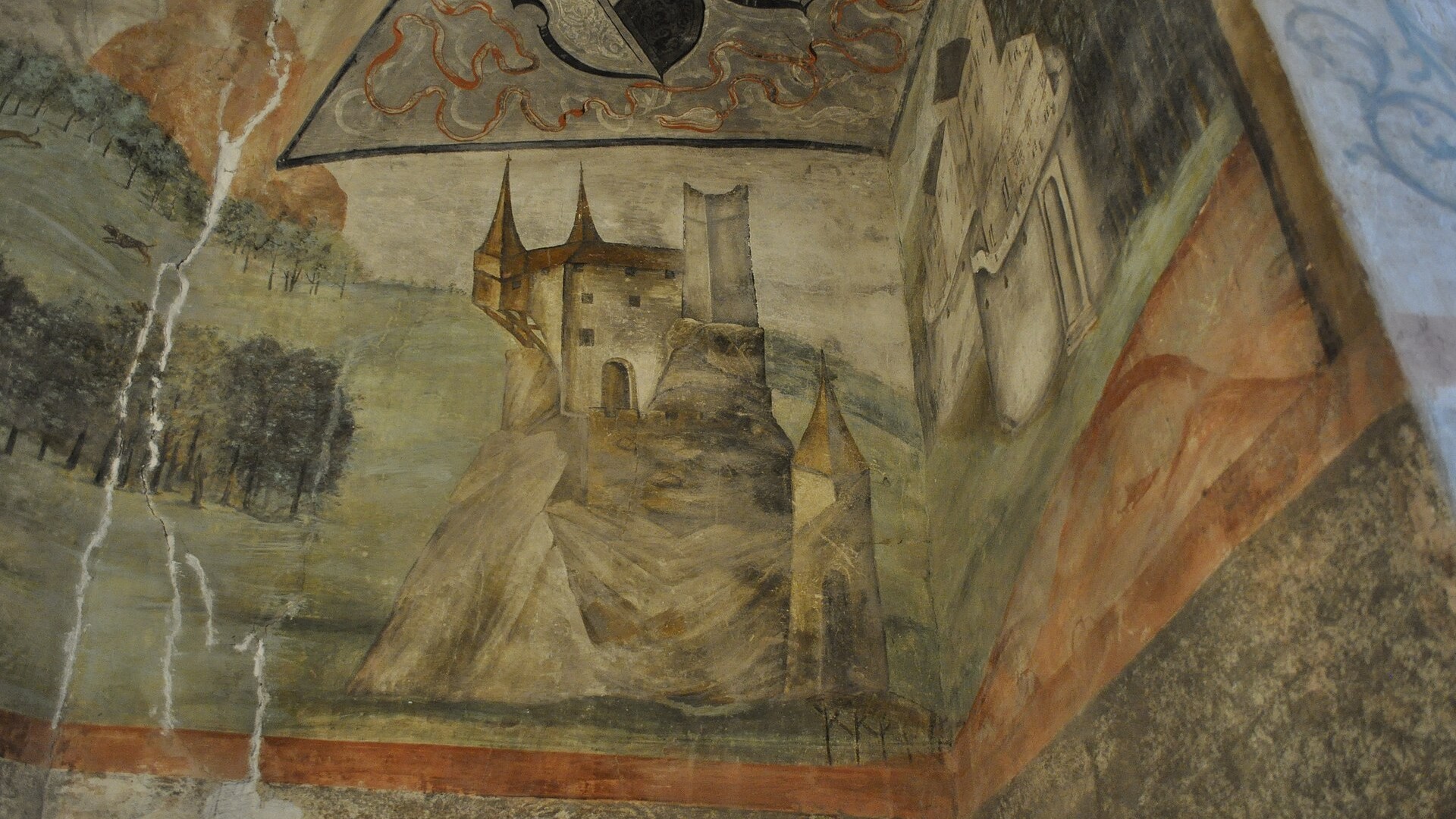
Strip the legend away and Houska still has an unusually colourful paper trail. The first written mention of the castle dates to 1316.
Over the centuries it passed through the hands of Bohemian noble families, was rebuilt in Renaissance style, and by the 18th century had slipped out of use as a residence and into disrepair before being renovated in the 1820s.
Its modern story is stranger than most castles get. In 1924 Houska was bought by Josef Šimonek, the president of the Škoda works.
Yes, that Škoda. The car and engineering magnate used the castle as a family summer residence, which makes Houska possibly the only gateway to Hell ever owned by the boss of a car company.
You will sometimes read that Šimonek’s workmen renovated the castle in the 1930s and discovered the bottomless shaft beneath it. That claim does not hold up.
Šimonek bought and restored the castle, but no reliable record describes his workers finding, opening or measuring any pit. The shaft belongs to the legend, not to the Škoda years, and we flag the difference because this site’s whole job is separating the two.
What the Nazis did at Houska is documented, up to a point. German forces occupied the castle during the Second World War, and it was used for storage and administration; some accounts describe looted archives and library material being kept there, and after the war the building housed an archive of the State Library from Prague.
The popular version, in which the SS ran occult experiments over the hellmouth, is repeated everywhere and evidenced almost nowhere. An occupying army storing paperwork in a remote castle is grim enough without the costume.
After the war and the communist decades, the castle was returned in the 1990s to the Šimonek family’s descendants, who still own it. They opened it to the public in 1999, the first time in its long life that ordinary visitors could simply walk in.
Medieval Europe had plenty of places where fear was buried in the ground and marked with ritual, as the burials in our look at vampire burials and the archaeology behind them show. Houska is the grandest version of the same instinct: if you fear the ground, build on it.
So What Is Actually Down There?
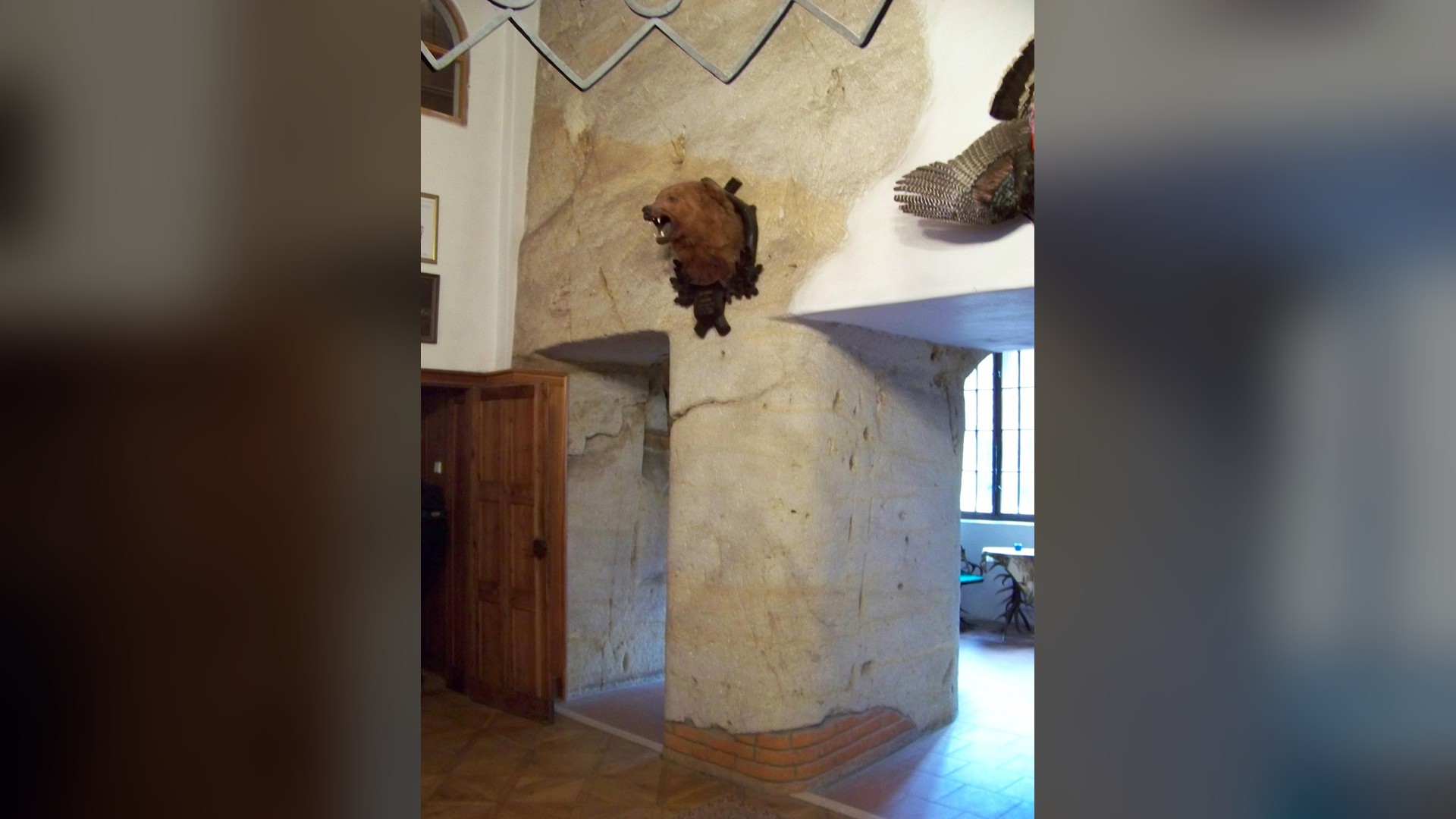
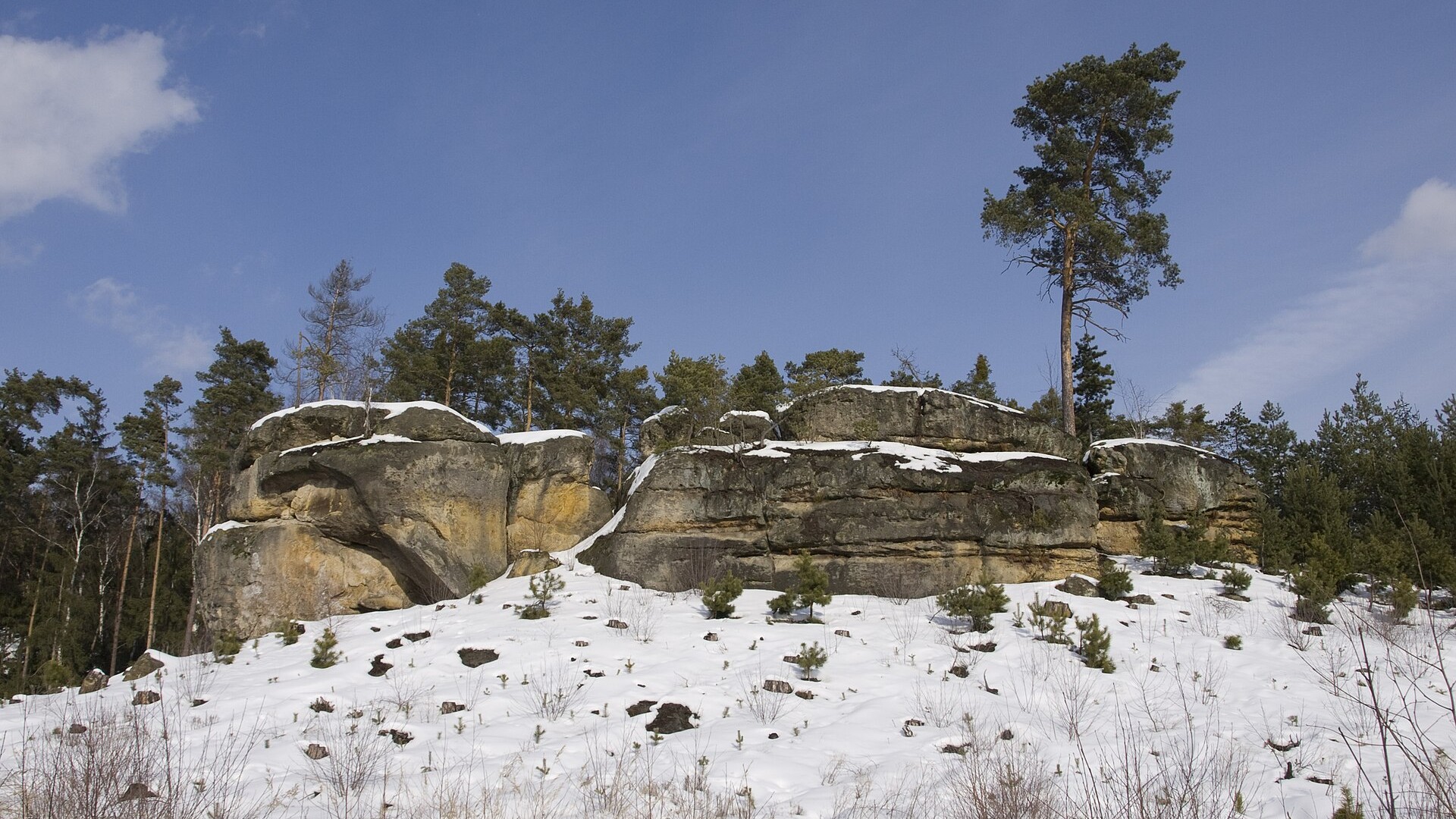
Here is the honest core of the mystery. Houska stands on sandstone, and sandstone country is full of fissures, cracks and collapsed cavities.
Geologists who discuss the site point to a natural crack in the rock beneath the castle, exactly the kind of deep, dark, echoing split that a medieval village would look at once and name Hell. A real fissure is the most reasonable seed for the whole legend.
A crack in the rock explains the fear. It may even explain some of the sounds and cold draughts that visitors still report in the chapel and courtyard, because fissures breathe, and old stone buildings carry noise in unsettling ways. What it does not do is confirm a bottomless shaft.
Nobody has published a survey showing a pit of any extraordinary depth under the chapel, and the chapel floor has kept the secret, if there is one, for roughly 750 years.
That puts Houska in good company. It belongs on the shelf of things science can’t fully explain, not because science has been beaten, but because the one measurement that would settle the question has never been made.
The pit is sealed, the castle is a protected monument, and the owners are under no obligation to go digging for a punchline.
And perhaps that is the real reason the story survives. A legend you can test is a legend with an expiry date. A legend under a chapel floor is forever.
The Verdict
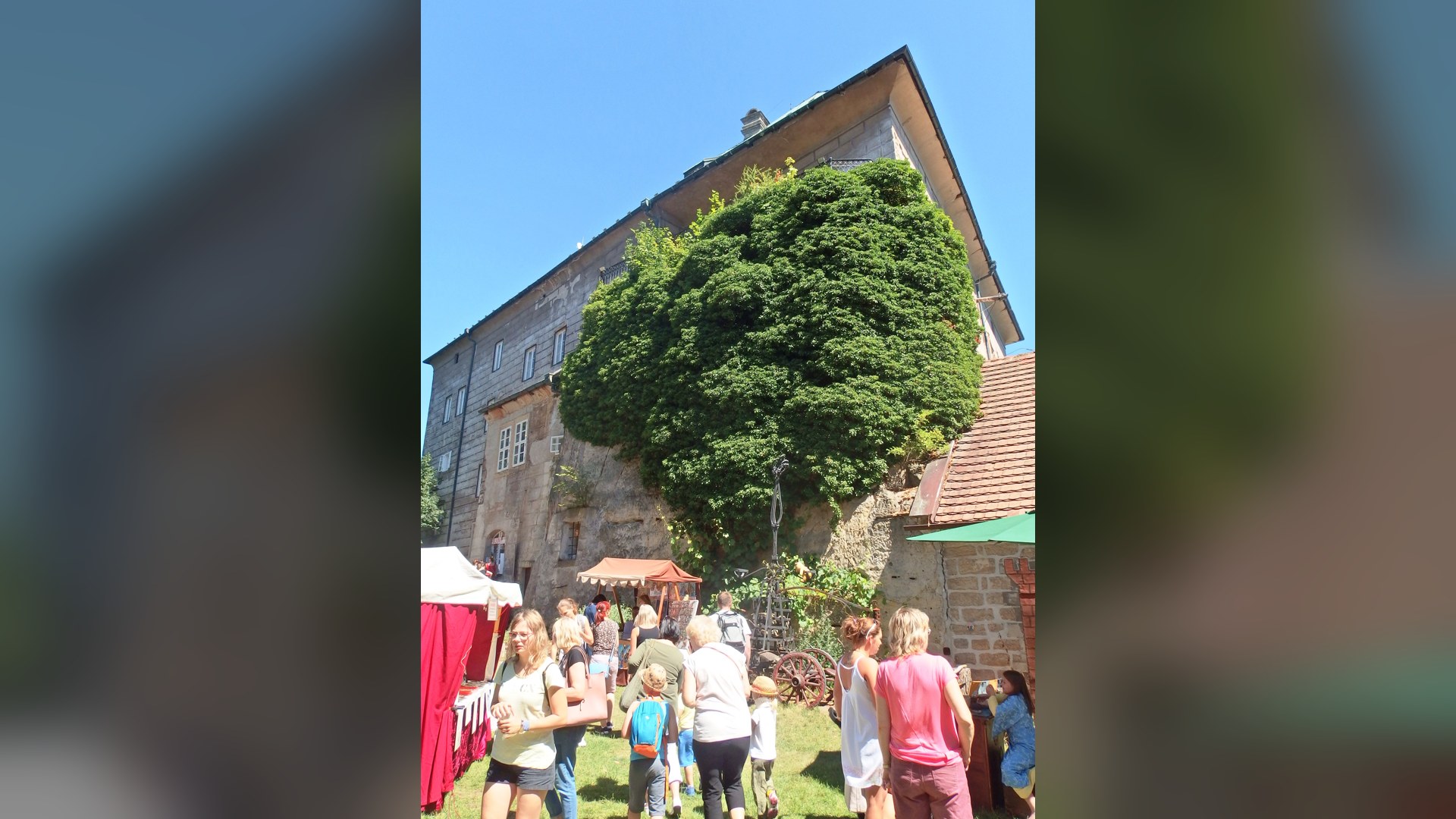
Verdict: Unresolved. The fissure in the rock beneath Houska Castle appears to be real, and the castle’s odd, purposeless design is a matter of record.
The demons, the hybrids and the prisoner who aged thirty years are folklore, first written down centuries after the fact. A real hole in the ground, a frightened century, and a chapel built on top: that much is true, and it is strange enough.
Frequently Asked Questions
Can you visit Houska Castle?
Yes. The castle is privately owned by descendants of Josef Šimonek and has been open to the public since 1999, with guided tours in season, usually spring through autumn. You can walk the courtyard and see the Gothic chapel for yourself.
How deep is the pit under Houska Castle?
Nobody knows. The pit, if it survives as more than a fissure, is sealed beneath the chapel floor and has never been publicly measured or surveyed. Every claim of a bottomless shaft comes from legend, not from a survey.
Who built Houska Castle, and when?
It was founded on royal land in the 13th century, most likely under Ottokar II of Bohemia, with the first written mention in 1316. The mainstream explanation is that it served as an administrative centre for royal forest estates.
Did the Nazis really perform occult rituals at Houska?
German forces did occupy the castle during the Second World War and used it for storage and administration. The ritual and experiment stories are widely repeated but poorly documented, and no solid evidence for them has surfaced.
Is the prisoner story true?
There is no record of it from the time. The tale of condemned men lowered into the pit, and of the first man returning aged and white-haired, appears in later folklore. It tells us what people believed about the place, not what happened in it.
Join the Conversation
Would you spend a night in the courtyard of Houska Castle? Let us know in the comments.
Read Next
- Phantom Islands: Maps That Never Existed
- Vampire Burials: The Archaeology and the History
- Things Science Can’t Explain
