
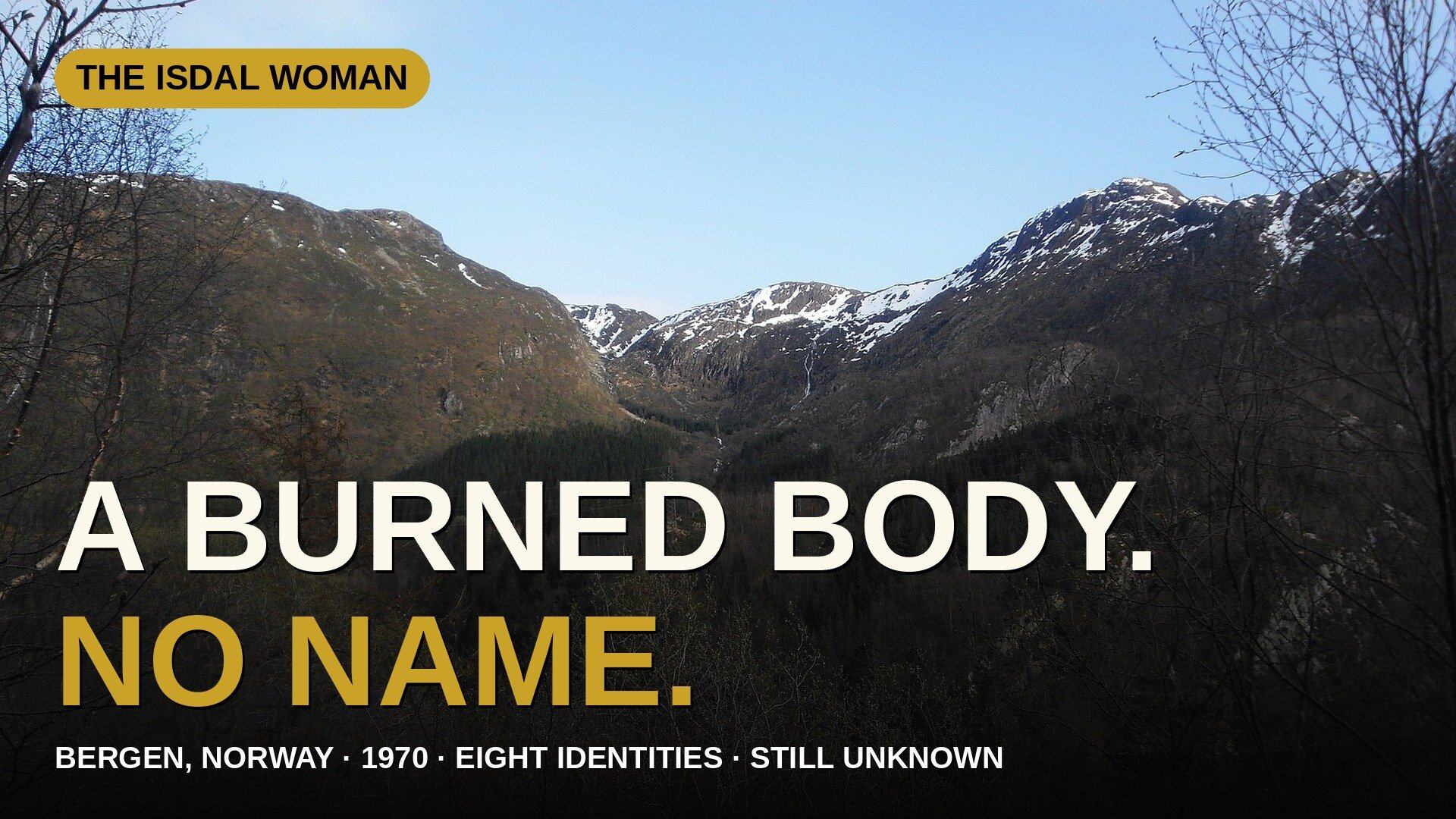
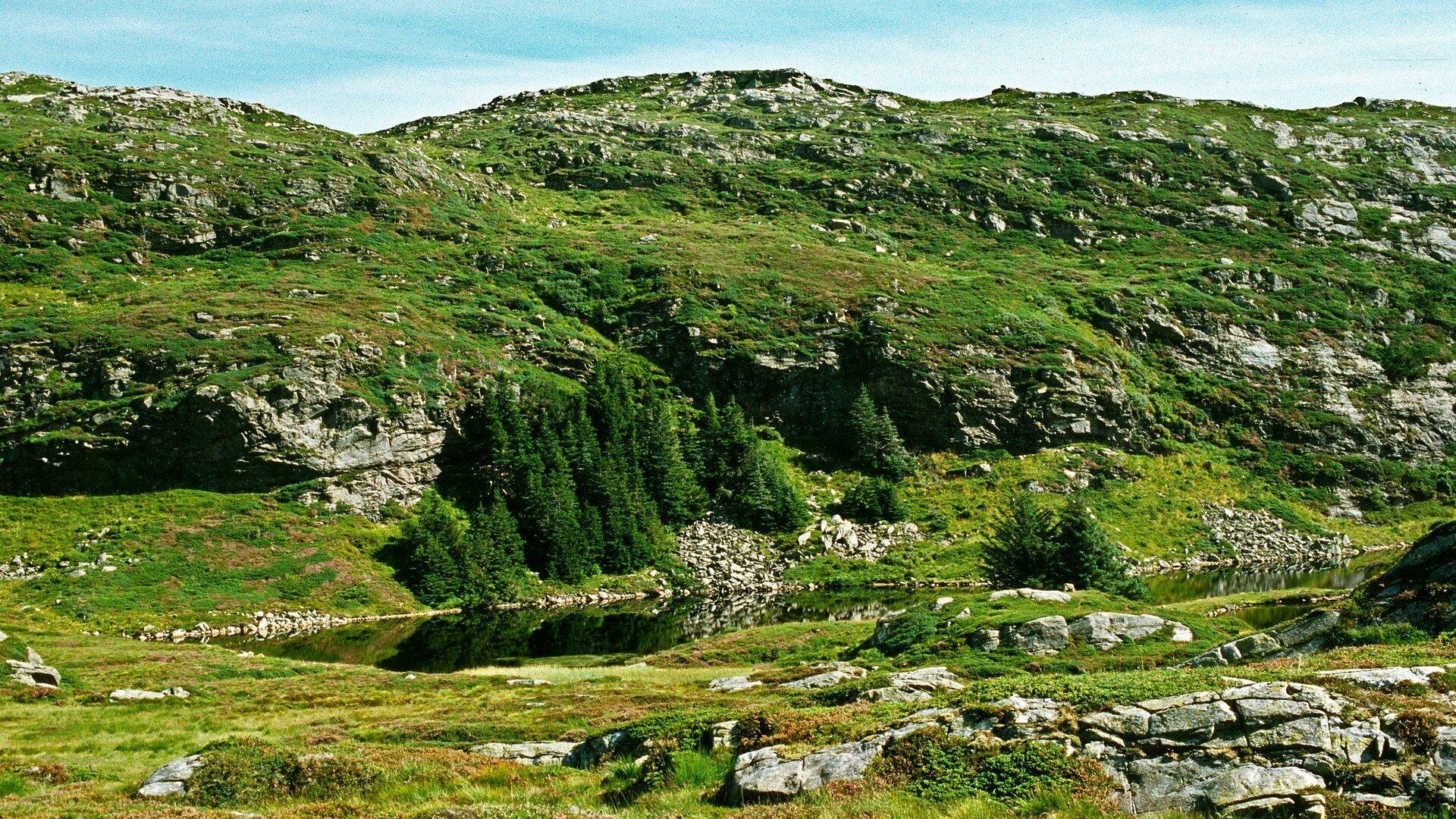
On 29 November 1970, a man hiking with his two young daughters in a valley above Bergen found a woman’s body among the rocks.
She had been badly burned, and her face could not be recognised. Around her lay ordinary things made strange: an umbrella, rubber boots, bottles, and the remains of a passport cover.
Every label had been removed from her belongings. Every brand mark had been cut out, scraped off or rubbed away. Someone had taken real care that nothing on her could name her.
She is still known only as the Isdal Woman, after Isdalen, the Ice Valley where she was found. The BBC World Service series Death in Ice Valley later took the case around the world.
The Evidence
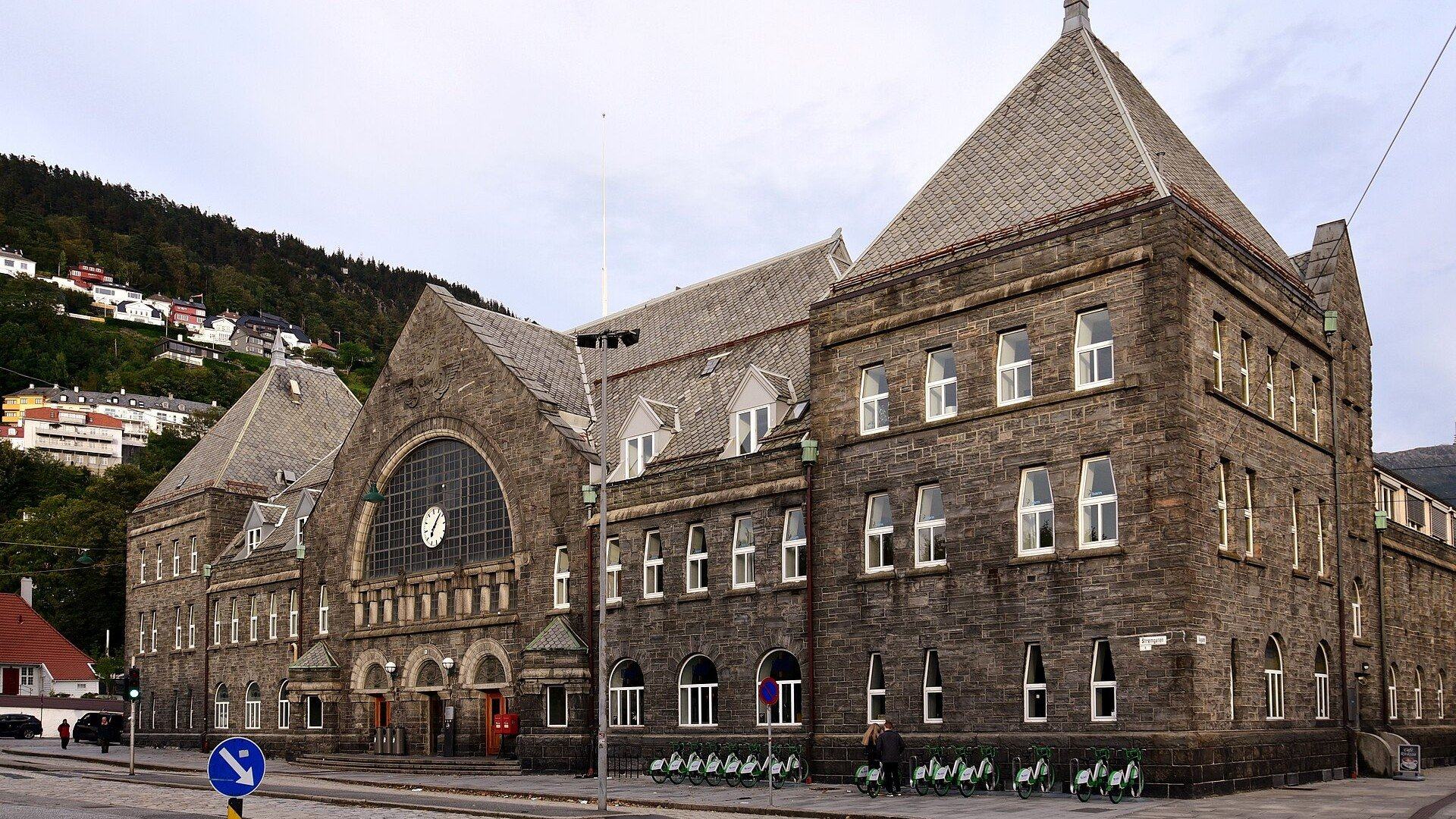
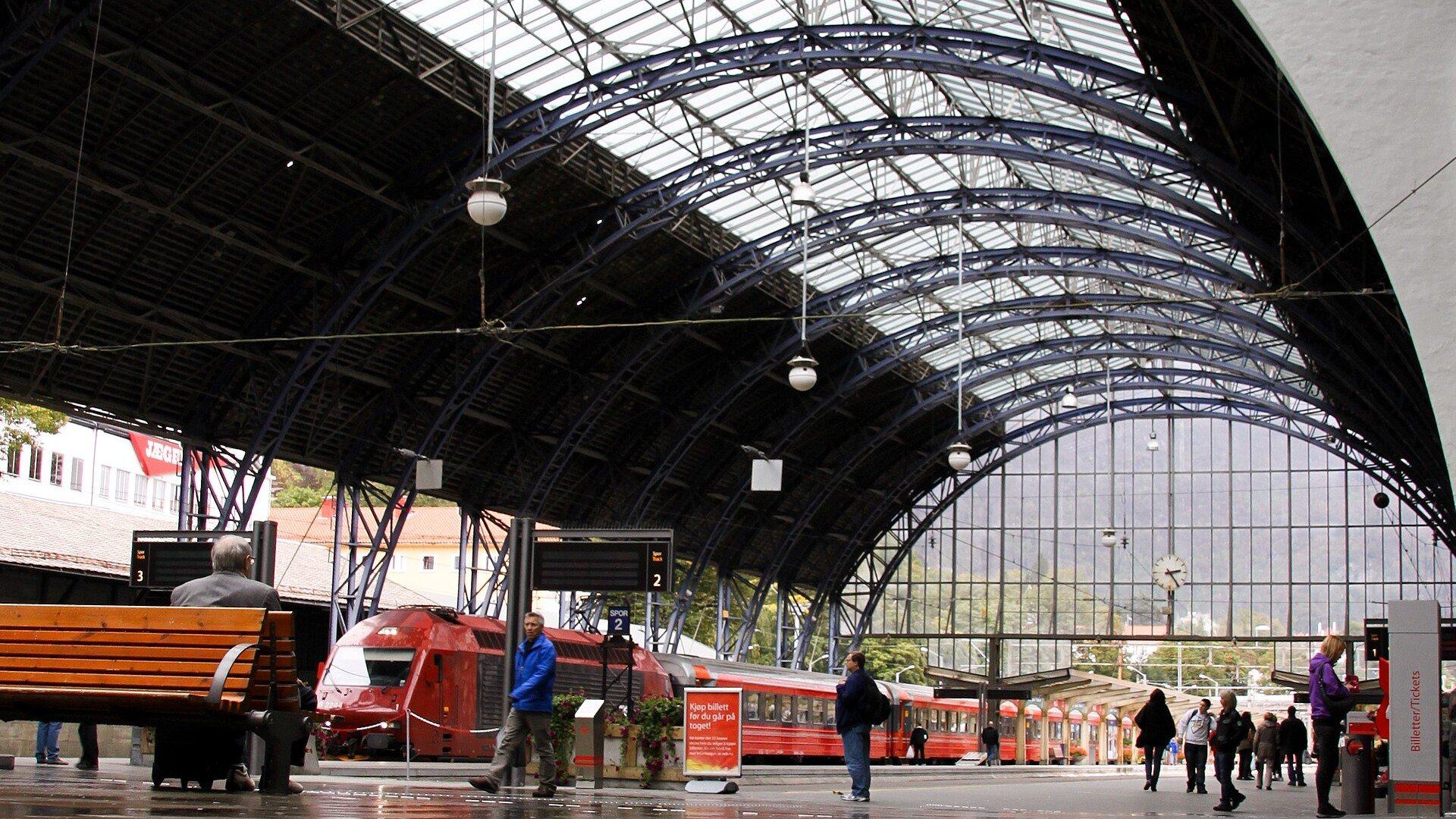
Three days after the body was found, police recovered two suitcases from the left-luggage office at Bergen railway station. A fingerprint on a pair of sunglasses tied them to the dead woman.
At the scene itself, police logged a scatter of items: a liqueur bottle, two plastic bottles, an umbrella, a fur hat with traces of petrol beneath it, a watch, two earrings and a ring.
Her watch and jewellery were lying beside her rather than on her body, and traces of burned paper were found around her. Almost every object raised the same question: why remove every mark?
Inside were wigs, makeup, clothing and shoes, all with their labels removed. There were maps, timetables, foreign coins, and five 100-mark notes hidden in the lining of one case.
Hotel records then gave the case its shape. Using handwritten check-in forms, police linked the woman to at least eight false identities, most of them presented as Belgian, across Norway and Europe.
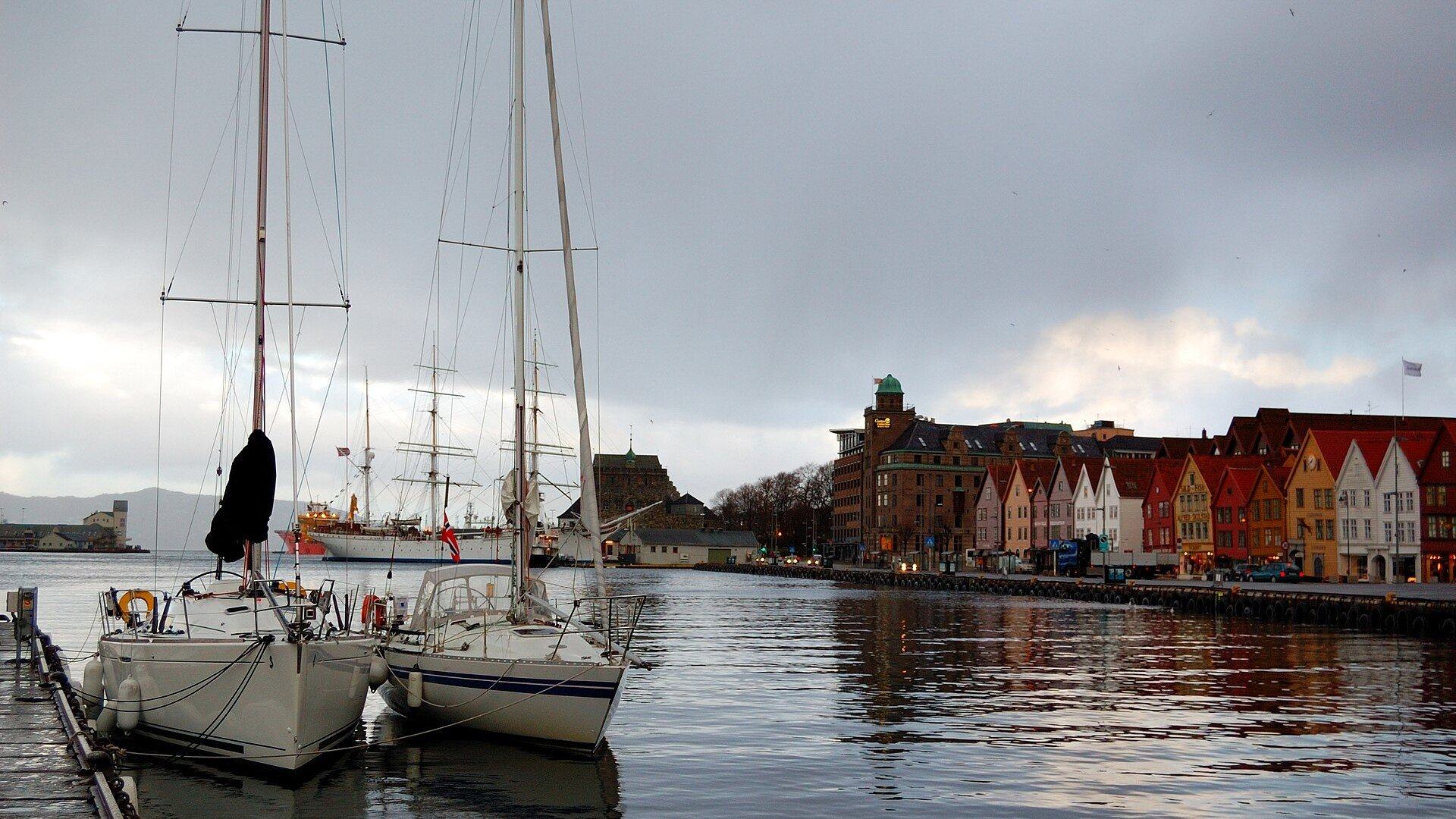
She had stayed in Oslo, Trondheim, Stavanger and Bergen, and travelled to Paris. At hotels she paid in cash, and staff remembered her asking to change rooms after checking in.
A notepad in one suitcase was filled with coded columns of letters and numbers. Police broke the code. It was not a cipher for messages. It read as a private log of her own journeys.
The entries matched places and dates from her hotel stays. In other words, the one document she kept in code was a record of where she herself had been, and when.
She had also been seen while alive. Hotel staff in Bergen remembered a well-dressed woman who kept to herself and asked for her room to be changed more than once.
A Stavanger shoe shop later identified a pair of rubber boots she had bought there shortly before her death. It was one of the few ordinary purchases police could trace back to her.
The autopsy at the Gades Institute in Bergen found she had died from a combination of phenobarbital, a strong sleeping drug, and carbon monoxide poisoning. Soot in her lungs showed she was alive as the fire burned.
The Spy Theory
It is easy to see why espionage entered the story. It was 1970, the Cold War was at full stretch, and Norway was a NATO country sharing a border with the Soviet Union in the far north.
A woman travelling on false papers, changing rooms, carrying wigs and several currencies, and logging her movements in code fits the outline of an intelligence courier. Investigators noticed the pattern early.
Later reporting added one more thread: some of her movements in Norway appeared to coincide with military activity, including tests linked to the Penguin missile programme. No file tying her to any service has ever surfaced.
There is also a quieter possibility investigators took seriously: a courier or smuggler working for money, not ideology. False papers and cash in several currencies fit that kind of life too.
Or she may have been running from something personal, using the tradecraft of the age because it was there to buy. The evidence cannot separate a spy from a fugitive, and it never could.
Here is the correction the popular version often skips. Bergen police did not officially conclude she was a spy. They ruled her death a likely suicide and closed the case in February 1971.
She was buried in Bergen in an unmarked grave, in a zinc-lined coffin, so she could be exhumed if anyone ever came forward. Nobody came forward. Not then, and not since.
The Verdict
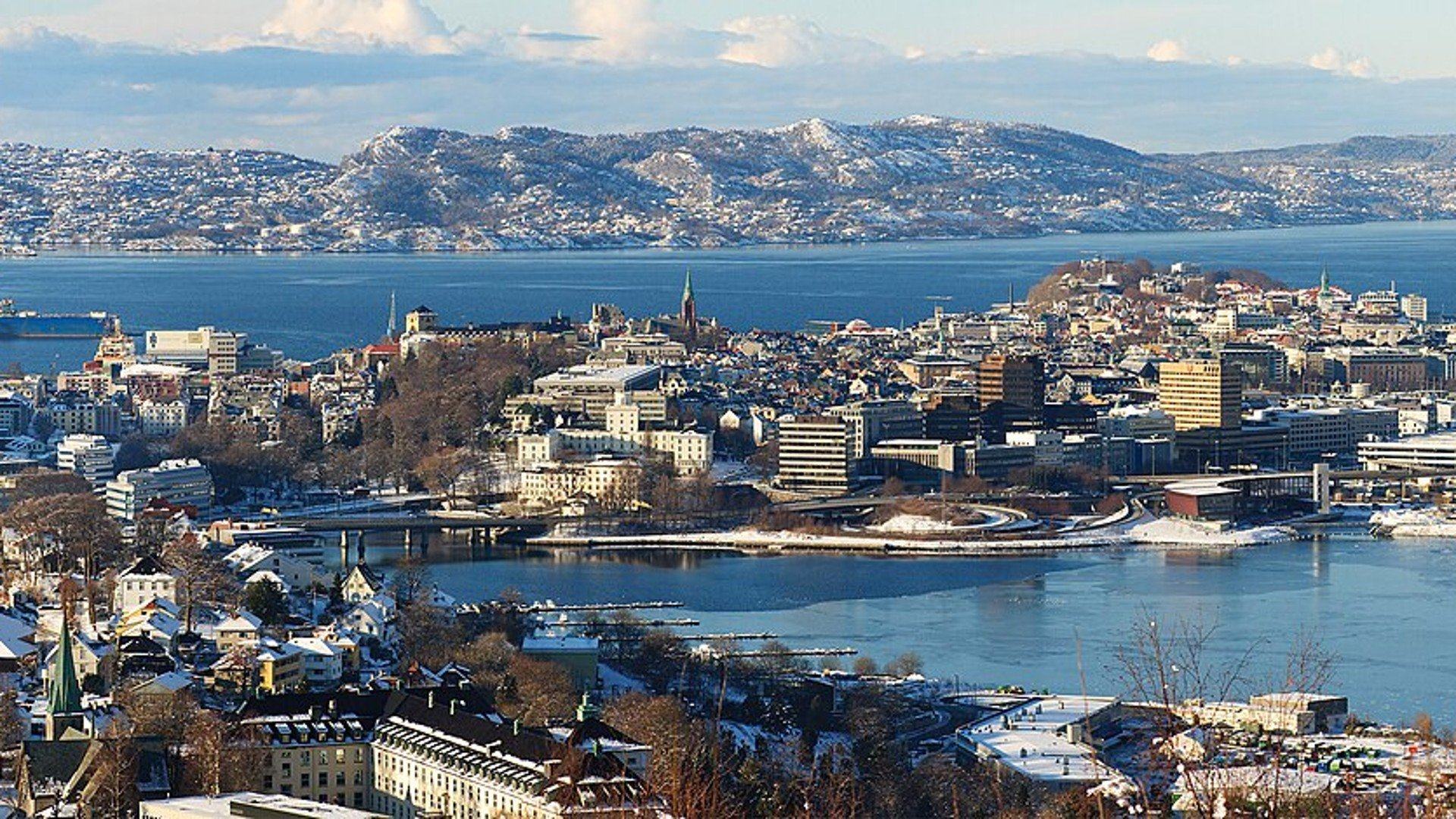
The case was reopened in 2016, when NRK and the police returned to material kept from 1970. Scientists obtained a DNA profile from preserved tissue, and it was shared through Interpol in 2017.
Isotope analysis of her teeth pointed to a childhood in south-eastern Germany, near Nuremberg, around 1930. Later teeth pointed west, toward France or the French-German border, where she likely grew up.
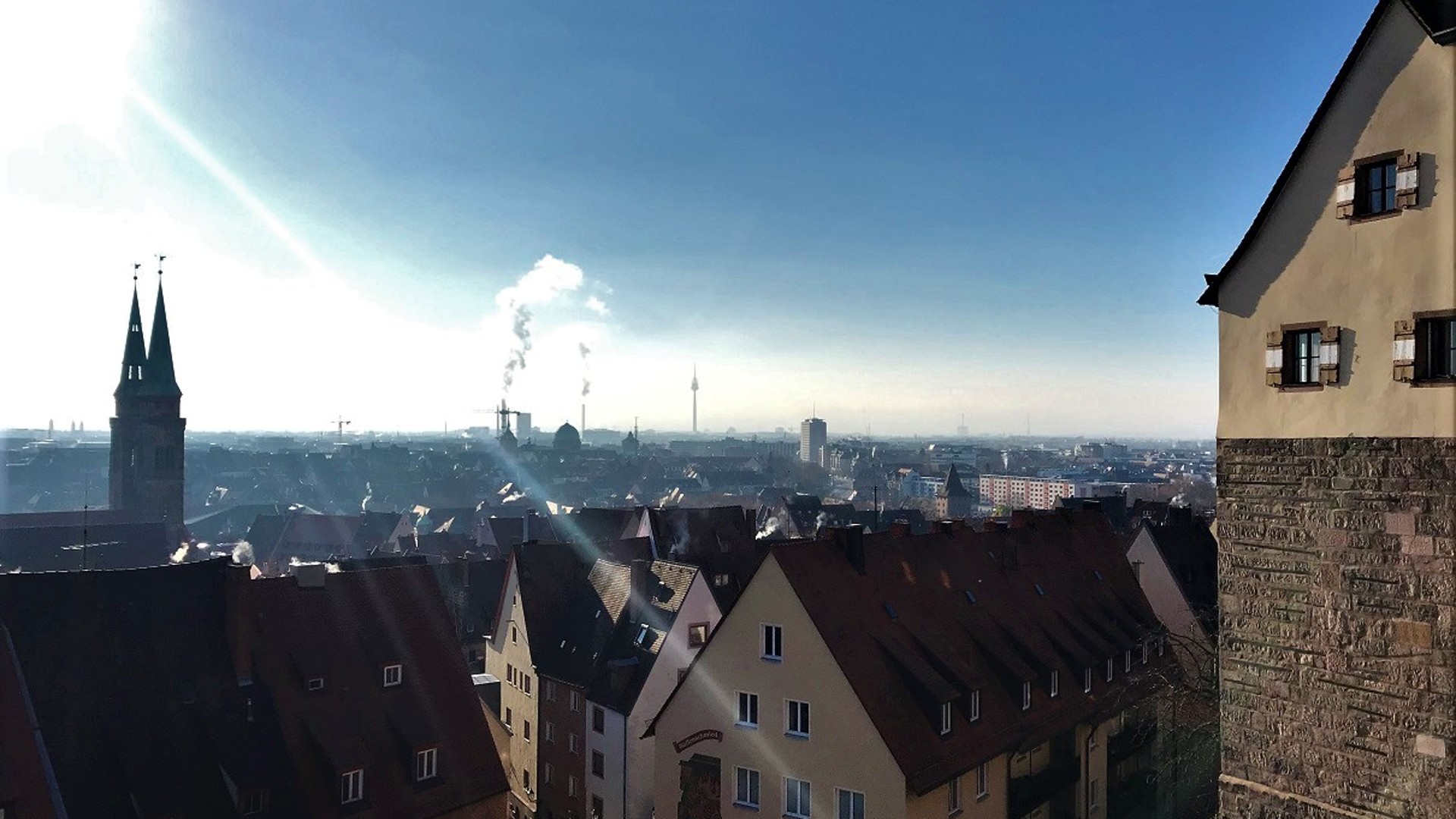
That work gave her a birthplace region and a rough birth year. It did not give her a name. As of the latest reporting, no relative has matched her DNA and no identification has been confirmed.
Her story belongs with the Lead Masks case in one way: real people, real evidence on the ground, and a central question that the evidence refuses to answer.
Verdict: Unresolved. The Isdal Woman was a real person who travelled under at least eight false identities and died in Isdalen in November 1970, but her name, her purpose and the manner of her death remain unproven.
Frequently Asked Questions
Who was the Isdal Woman?
Nobody knows. She is the unidentified woman found dead in Isdalen, near Bergen, on 29 November 1970. More than fifty years of investigation, DNA work and public appeals have not produced a confirmed name.
How many identities did the Isdal Woman use?
At least eight, according to the police work on hotel records. Names included Geneviève Lancier, Claudia Tielt, Vera Jarle and Fenella Lorck. Belgian police confirmed the identities were false.
What did the coded notes in her suitcase say?
Police decoded the notepad as a log of her own travel: places, dates and stays that matched her hotel records across Norway and Europe. It recorded her movements rather than messages to anyone else.
Did the police conclude the Isdal Woman was a spy?
No. Bergen police officially ruled her death a likely suicide in 1971. The spy theory came from the false passports, wigs and coded notes, and from later investigators and journalists, not from the official ruling.
Where was the Isdal Woman probably born?
Isotope analysis of her teeth, published after the case reopened in 2016, points to south-eastern Germany near Nuremberg, with a birth around 1930, followed by a move west toward France in childhood.
Join the Conversation
She erased every label she owned, kept her own movements in code, and still left science a trail from Nuremberg to Bergen. Who do you think she was: an intelligence courier, a woman on the run, or someone else entirely?
Read Next
The Lead Masks Case: Brazil’s Strangest Unsolved Deaths
People Who Vanished Without a Trace
