
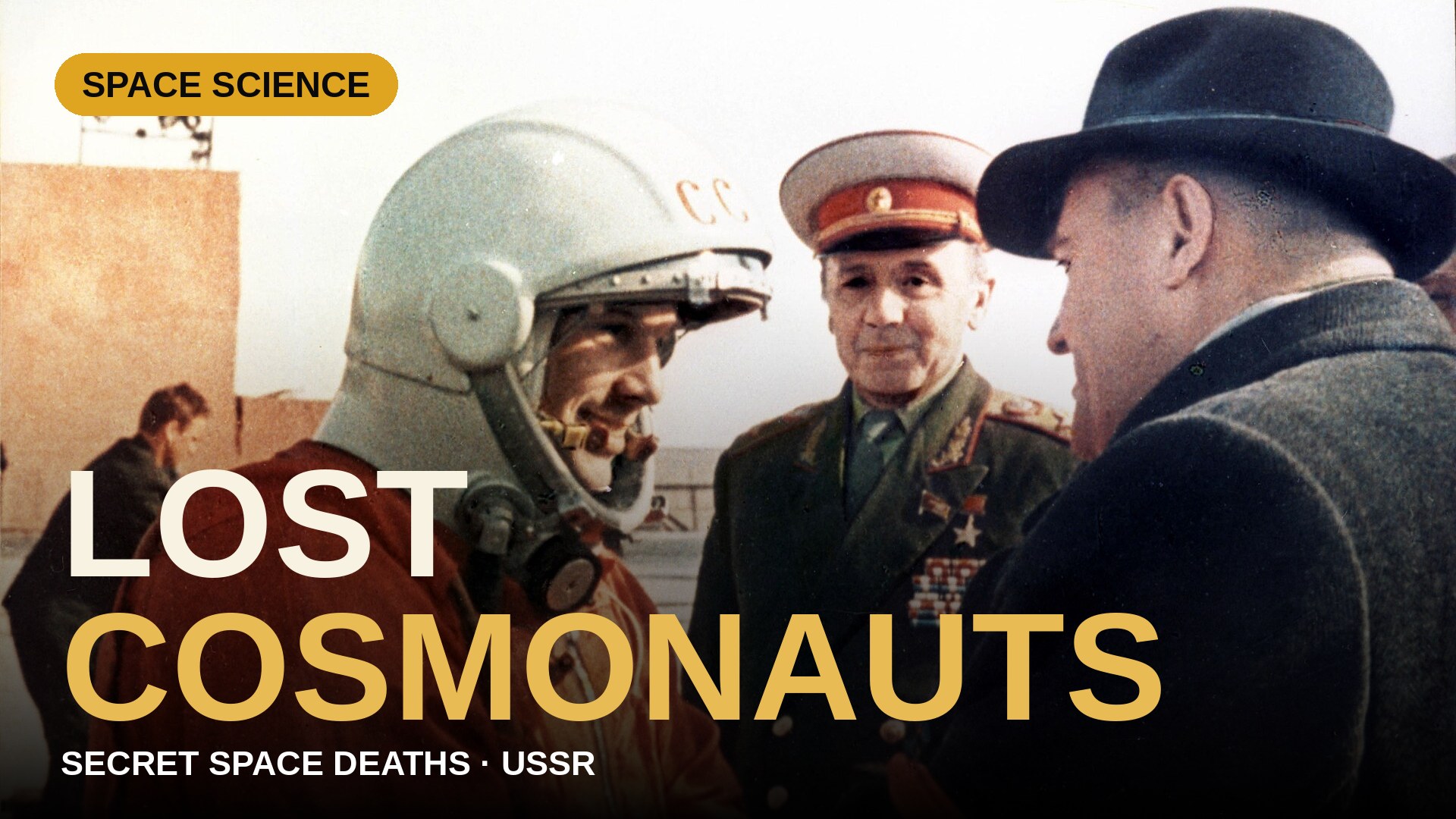
Somewhere in the static of the early space race, people swear they can hear astronauts dying. A Morse code SOS drifting away from Earth. A heartbeat slowing to nothing. A woman’s voice, calm at first, then crying out that she can see a flame.
These are the lost cosmonauts — the Soviet spacefarers who supposedly flew before Yuri Gagarin, died in secret, and were erased by a government that could not afford failure. It is one of the oldest space conspiracies in existence.
It is also, when you go through the evidence piece by piece, one of the most thoroughly answered. Here is the full story: the rumours, the famous tapes, the real cover-ups that made them believable — and what the archives eventually showed.
The Lost Cosmonauts Rumour: Names in the Newspapers, 1959
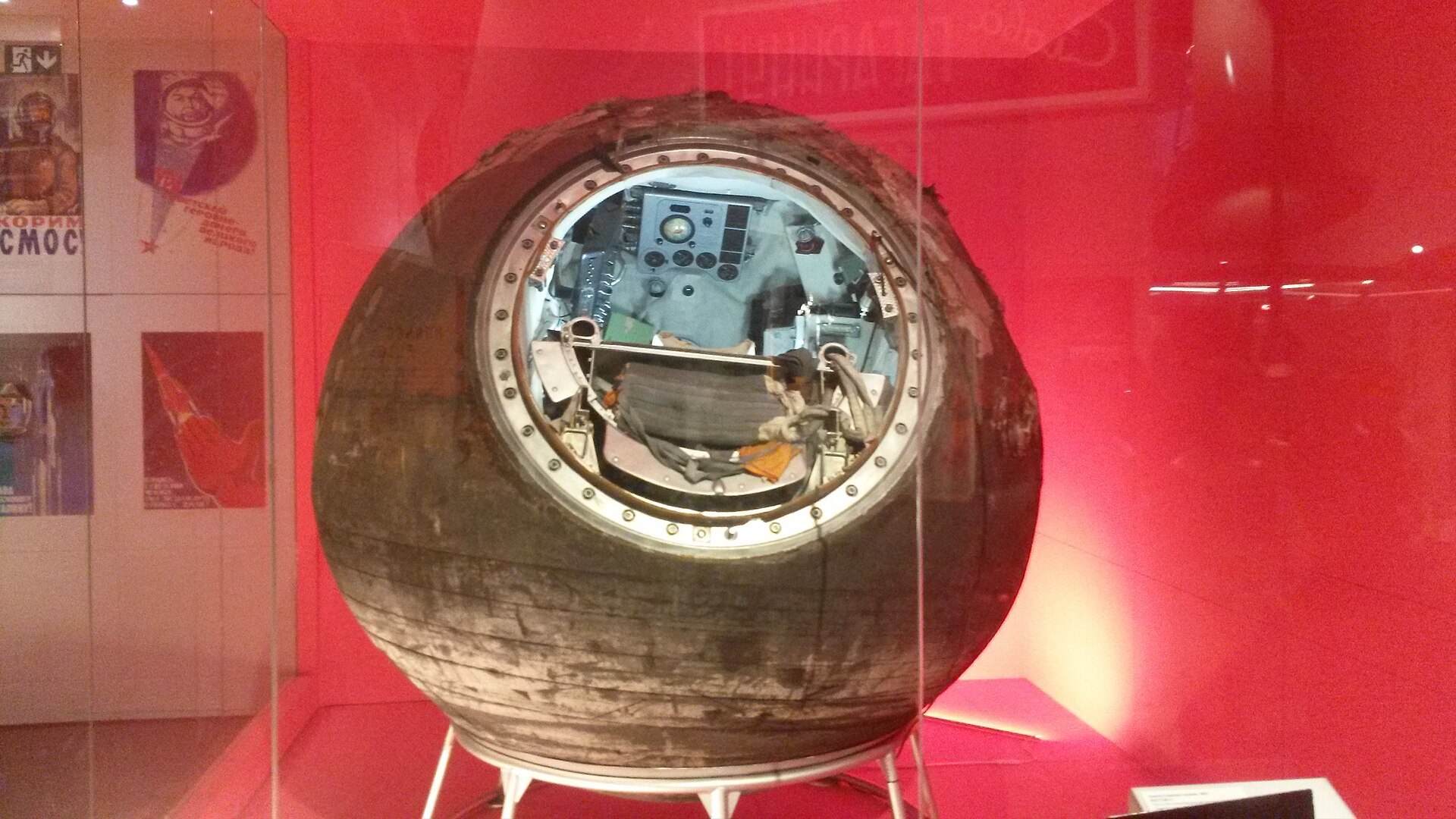
The story starts before any tape recorder was switched on. In December 1959, the Italian news agency Continentale reported a leak from a high-ranking Czechoslovak communist official: the Soviet Union, it claimed, had already launched people on suborbital flights — and lost them.
It even printed names. Alexei Ledovsky, said to have died in a converted R-5A rocket. Andrei Mitkov. Sergei Shiborin.
Maria Gromova. German rocket pioneer Hermann Oberth added his own claim of a pilot killed on a suborbital flight in early 1958. None of it came with evidence, and none has ever been found since.
Other names on the phantom lists turned out to be real men with ordinary jobs. Several were high-altitude parachutists and equipment testers whose photographs had appeared in the Soviet magazine Ogoniok.
Russian journalist Yaroslav Golovanov later tracked down one of them, Alexey Belokonov, alive and well — and understandably annoyed to find himself listed as dead in space.
The most famous phantom was Vladimir Ilyushin, a real Soviet test pilot and son of a famous aircraft designer. Days before Gagarin’s flight in April 1961, a French report claimed Ilyushin had beaten him into orbit, crashed in China, and been held prisoner.
The truth was mundane: Ilyushin had been badly hurt in a car crash, and the secrecy around his treatment fed the story. He lived until 2010 and never once supported the tale.
Two Brothers, a Bunker, and a Tape Recorder
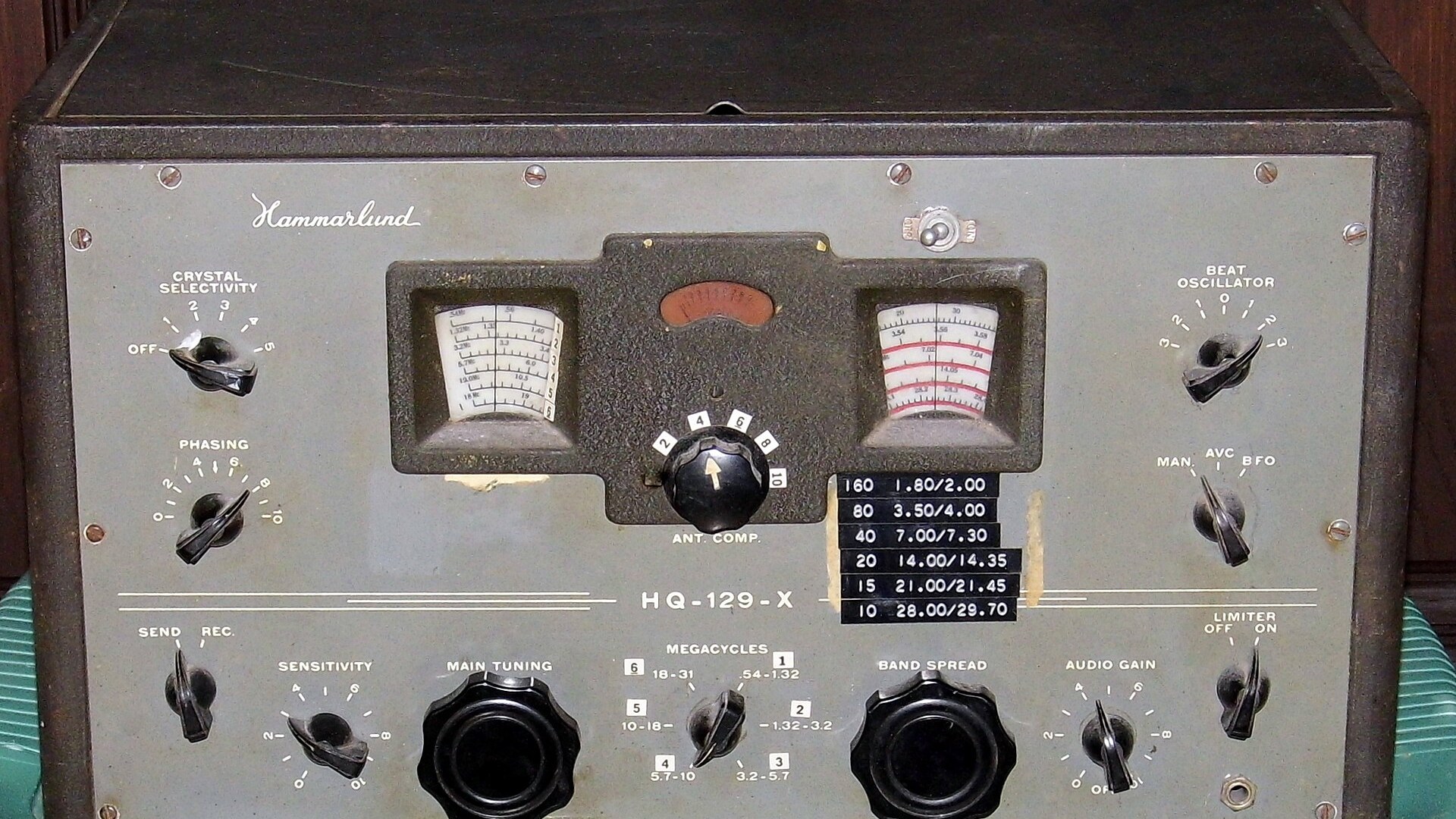
The rumours might have faded like other Cold War whispers. What kept them alive for sixty years was a listening post in Italy.
Achille and Giovanni Battista Judica-Cordiglia were brothers from Turin — Achille a medical student with a passion for radio, Giovanni a teenager. In the late 1950s they built an experimental tracking station in a disused German bunker at a site called Torre Bert, using scavenged and improvised equipment.
And here is the part the sceptics freely concede: the brothers were genuinely good. They picked up Sputnik 1 and Sputnik 2 in 1957, recorded the heartbeat of the dog Laika, and tracked the American satellite Explorer 1 in 1958 — feats that made them famous, including a glowing Reader’s Digest profile. When Torre Bert spoke, newspapers listened.
Which is why what they reported next landed so hard.
The Torre Bert Tapes: SOS Calls, a Heartbeat, and a Woman’s Voice
Between 1960 and 1964, the brothers released nine recordings they said came from secret Soviet missions. The list, as compiled from their claims, reads like a catalogue of disasters:
- May 1960 — a manned capsule reported going off course
- 28 November 1960 — a faint SOS in Morse code, apparently receding from Earth
- February 1961 — the heavy breathing and rapid heartbeat of a suffocating cosmonaut
- April 1961 — a capsule that circled Earth three times, days before Gagarin
- May 1961 — weak calls for help from an orbiting capsule
- October 1961 — a spacecraft veering away into deep space
- November 1962 — a capsule bouncing off the atmosphere
- May 1963 — a female cosmonaut dying during re-entry
- April 1964 — a capsule burning up on re-entry
The SOS That Seemed to Fly Away From Earth
The November 1960 recording made their reputation. A West German observatory had announced strange signals on a Soviet space frequency, the brothers tuned in, and through the static they picked out hand-sent Morse: SOS, repeated.
Their Doppler calculations suggested the source was barely moving relative to Earth — which they read as a craft heading straight away from the planet, carrying its crew into the dark.
Days later, on 1 December 1960, the Soviets launched Korabl-Sputnik 3 with two dogs aboard. It burned up after a failed re-entry. The real programme was failing in public-adjacent ways — just not with people inside.
“I Feel Hot. I Can See a Flame”
The tape that still circulates today is the woman’s voice. In the popular translation, she sounds eerily composed: “Isn’t this dangerous? Talk to me. Our conditions are getting worse. I feel hot. I can see a flame. Am I going to crash? Yes. I will re-enter.”
Supporters call her “Ludmila.” She is presented as a cosmonaut burning up on re-entry, weeks before Valentina Tereshkova became the first woman in space in June 1963.
Notice something, though. In different tellings, this same recording is dated to May 1961 and to May 1963 — a two-year wobble in the single most important piece of evidence.
The brothers first publicised it in an Italian newspaper in March 1965, years after the supposed event. Hold on to those details, because the tape gets worse the closer you listen.
Where the Tapes Fall Apart
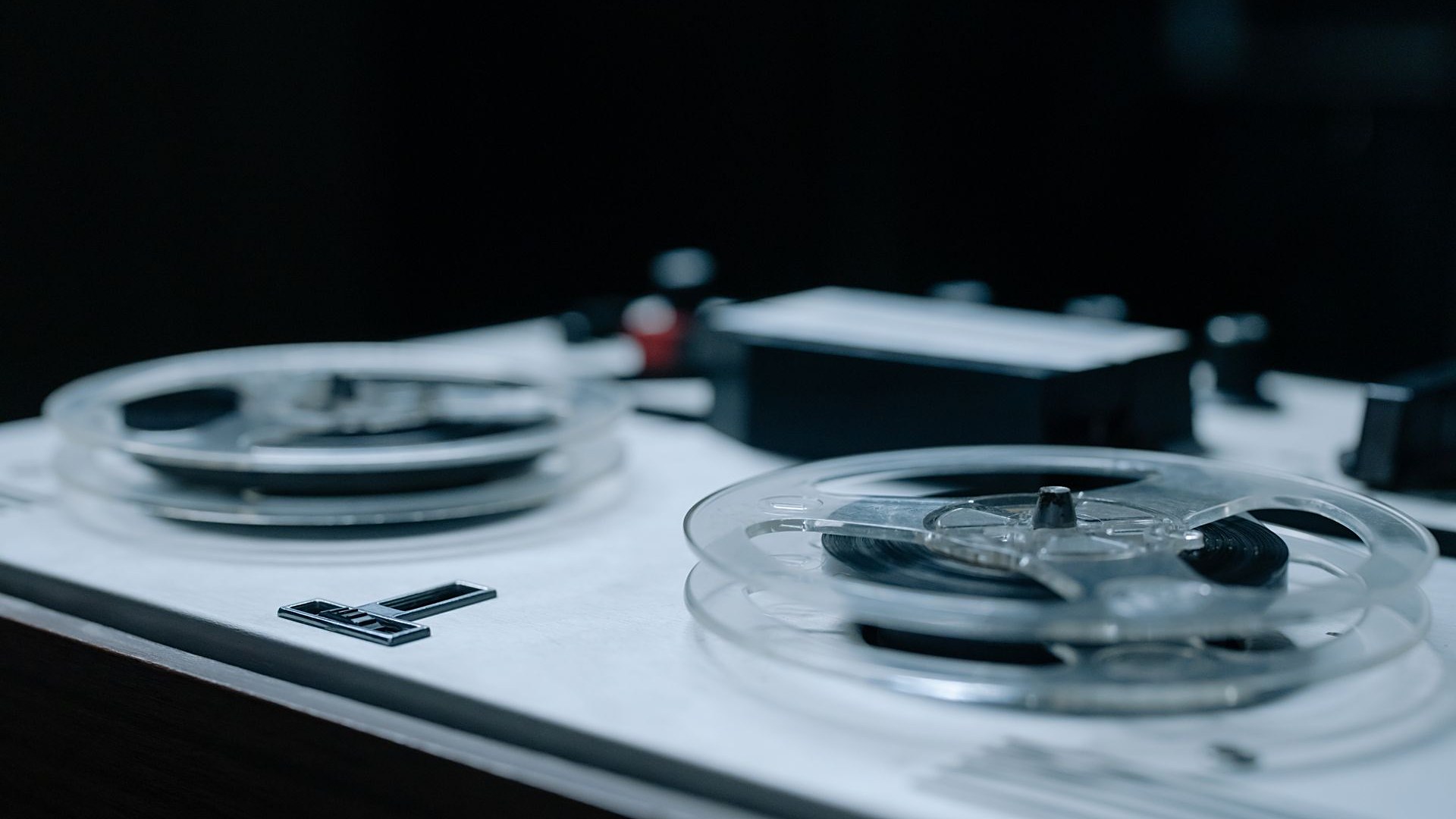
The Russian is wrong. The voices on the Torre Bert tapes make grammatical errors no native cosmonaut — all of them Soviet military pilots — would make, speak in disjointed fragments, and carry an accent analysts describe as not Russian.
Real cosmonauts also used rigid radio procedure: call signs, identification, standard terminology. The tapes have none of it. A woman calmly narrating her own death without once identifying herself or her craft is not how Soviet spaceflight talked.
The geometry is wrong. Space historian James Oberg, who spent years investigating Soviet space disasters, pointed out that some of the brothers’ proudest claims were physically impossible.
Gagarin’s capsule was never within radio range of Italy at a moment it could have been transmitting as they described — during its closest approach it was in re-entry, wrapped in plasma that blocks radio entirely.
Their later claim to have listened in on John Glenn’s Mercury flight in February 1962 fails the same way: the orbit never came near Italy, and the “secret frequency” they said they read from a photograph was a rescue beacon that only switched on after splashdown.
The closest listening is the most damning. In 2025, researcher David Chappell published a painstaking new transcription of the famous woman’s tape.
He found no references to spaceflight in it at all — no flame, no crash, no re-entry. What the recording actually contains, under the noise, is fragmentary chatter and remarks about the heat in the room, the kind of thing said by someone sitting in a stuffy radio shack.
The “burning cosmonaut” exists in the translation, not the tape. Chappell’s work revived an old suspicion: that the voice may belong to the brothers’ own sister, Maria Teresa, who had been learning Russian to help translate their recordings.
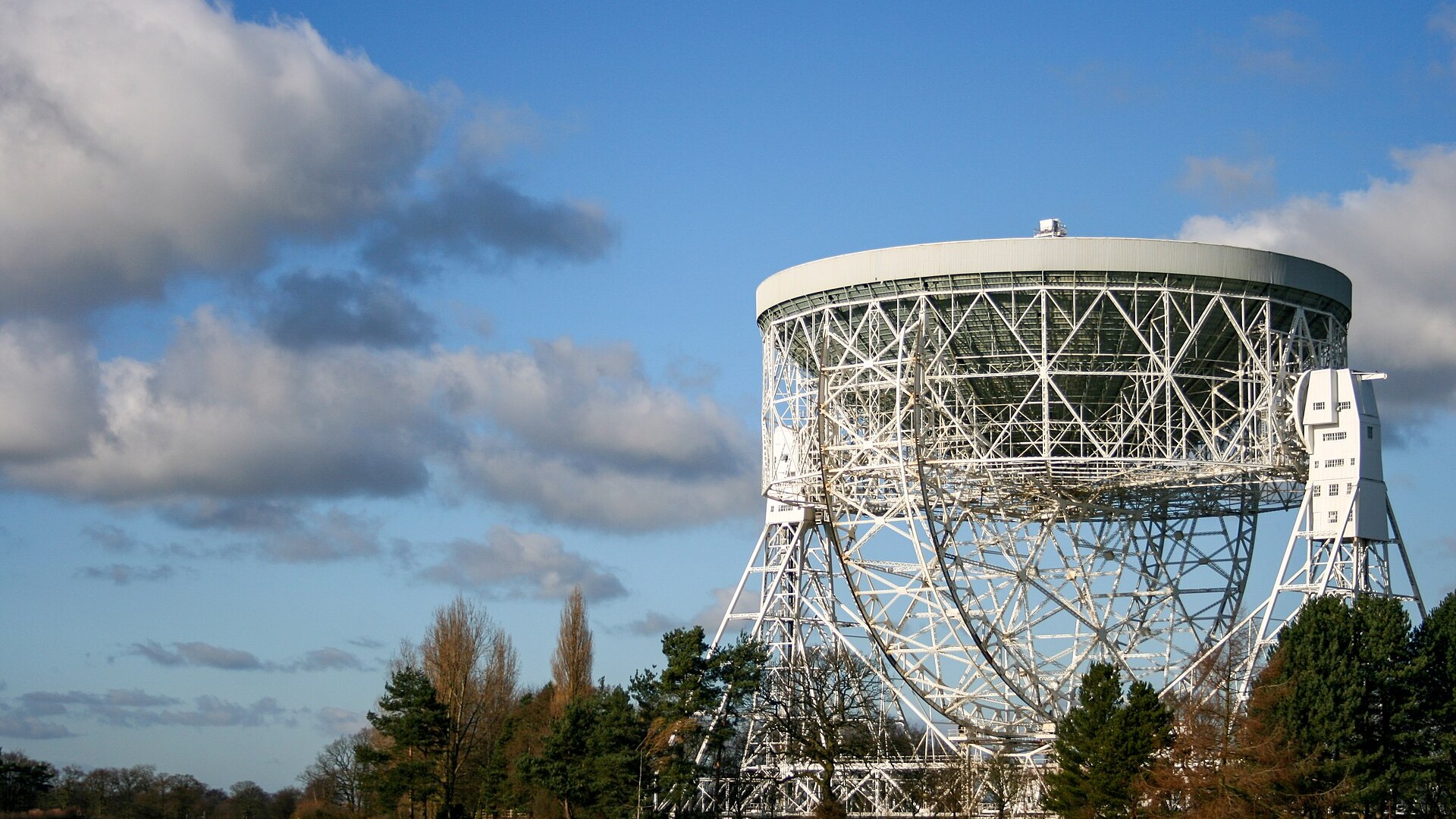
Nobody else heard anything. The early 1960s sky was crowded with professional ears — American and British intelligence stations, the Bochum observatory in Germany, Jodrell Bank in England, and thousands of amateurs. Not one of them ever corroborated a single Torre Bert distress call.
Swedish space-tracking expert Sven Grahn, who studied the brothers’ work for years, reached the fairest verdict available: the station was real, the skill was real, but the sensational claims look like embroidery — stories polished to protect a hard-won reputation.
The brothers themselves, who maintained the tapes were genuine until their deaths (Achille in 2015, Giovanni in 2024), never produced a witness, a document, or a second recording from anyone else.
The Real Cover-Ups That Made It Believable
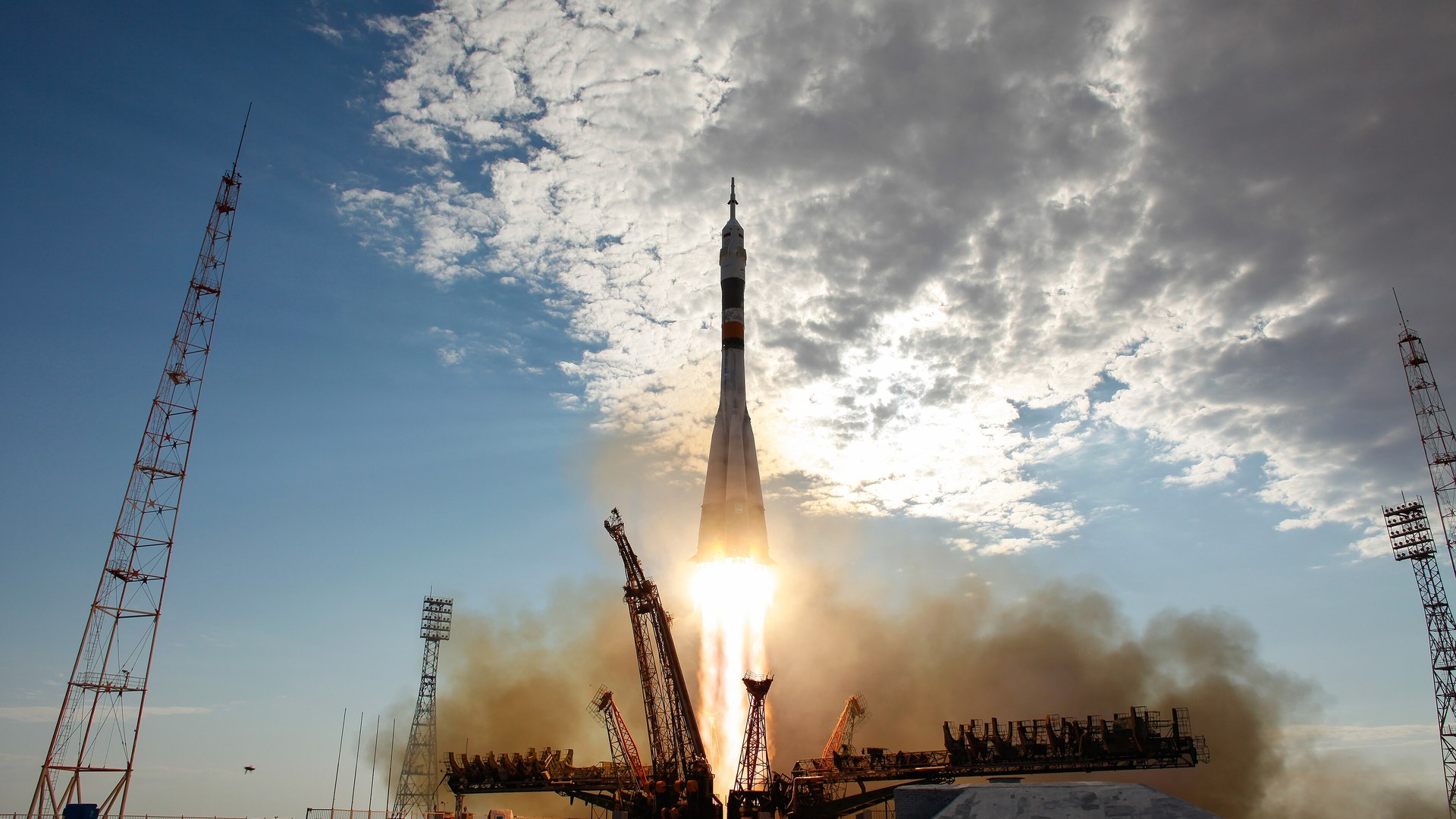
Here is the uncomfortable part of this story, and any honest account has to say it plainly: the Soviet Union really did hide dead space workers. The conspiracy grew in soil the Kremlin itself had fertilised.
On 24 October 1960 — five weeks before the brothers’ SOS tape — an R-16 missile exploded on its launch pad at Baikonur in the Nedelin catastrophe.
At least 78 people were killed, including the missile programme’s chief, Marshal Mitrofan Nedelin. Moscow announced that Nedelin had died in a plane crash. The truth stayed buried for nearly thirty years.
On 23 March 1961, three weeks before Gagarin’s flight, cosmonaut trainee Valentin Bondarenko died in a fire in an oxygen-filled training chamber.
His existence was hidden so completely that the West only learned his name in 1986. Cosmonauts who were expelled from the programme were airbrushed out of official photographs — the erasures are visible in the pictures themselves.
And real cosmonauts did die flying. Vladimir Komarov was killed when Soyuz 1 crashed in April 1967. The three-man crew of Soyuz 11 — Georgy Dobrovolsky, Vladislav Volkov and Viktor Patsayev — suffocated during re-entry in June 1971, the only people known to have died above the Kármán line, the boundary of space.
Those deaths were announced. The Soviet habit was to hide failures and embarrassments, especially on the ground — which is exactly the pattern that made “they must be hiding deaths in orbit too” sound reasonable.
What the Archives Actually Show
When the Soviet Union collapsed, the filing cabinets opened. Historians got the programme’s internal records, the diaries of its managers, and the memoirs of its engineers.
The haul included genuine secrets — Bondarenko, Nedelin, failed rockets, erased men. If cosmonauts had died in orbit, this is where they would have been.
There was nothing. No names, no flights, no funerals, no families. Sixty years of phantom cosmonauts left no trace in the most secret archive of a state that documented everything.
The other side of the sky agrees. American intelligence tracked Soviet launches obsessively; a crewed launch is a fireball on radar, impossible to slip past.
Declassified records show no unknown crewed flights — and the Vostok timeline itself leaves no room for them, because the capsule was still being tested with dogs and dummies weeks before Gagarin.
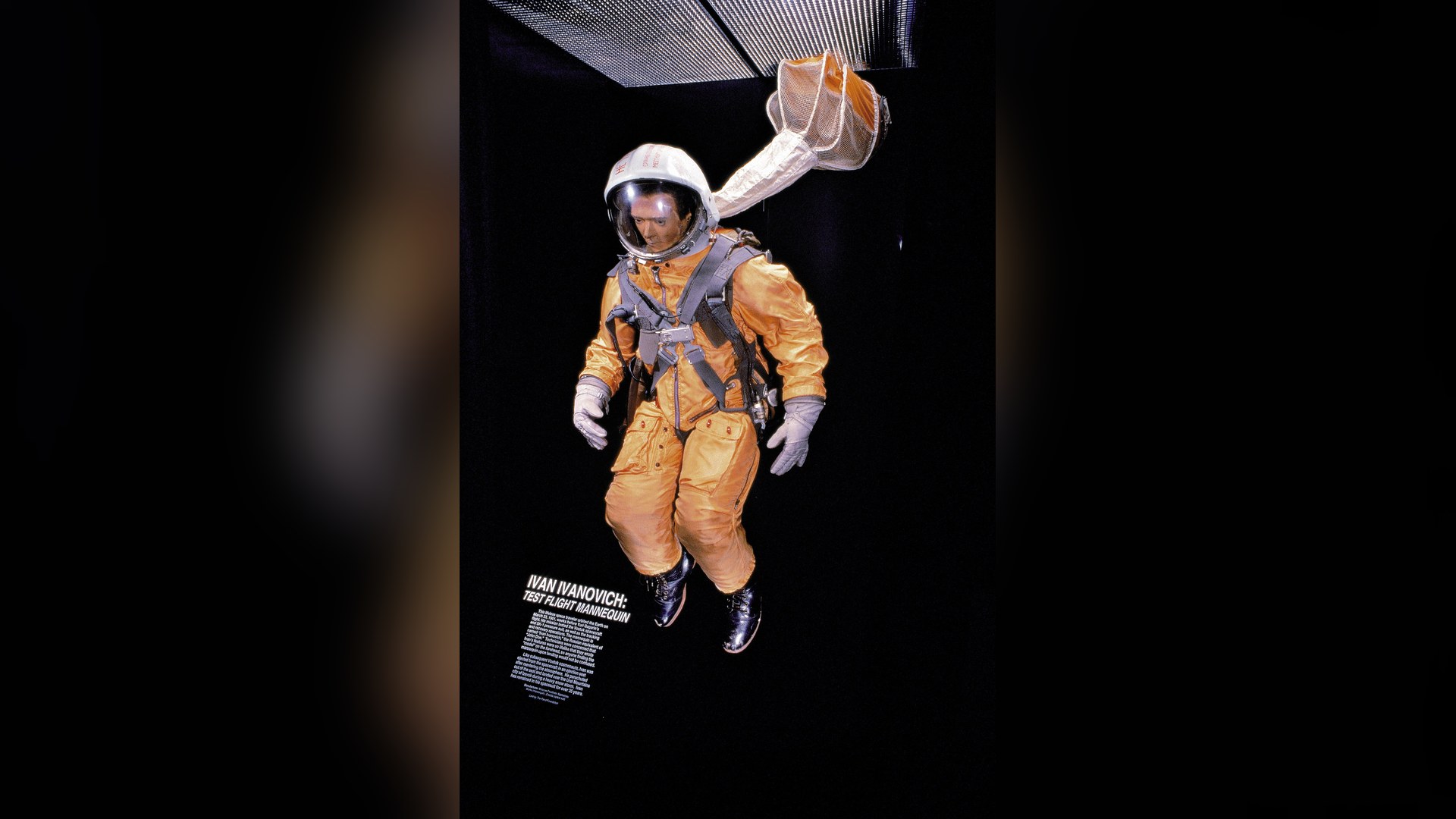
Some of the mystery signals even have paperwork. In March 1961, the two final Vostok test flights carried a lifelike mannequin, Ivan Ivanovich, fitted with a tape recorder to test the radio.
To stop listeners mistaking him for a real cosmonaut, engineers recorded a choir and a man reading a recipe for borscht — sounds no real flight would carry.
Non-Russian-speaking listeners heard a human voice from an unannounced spacecraft anyway, and cosmonaut Alexei Leonov recalled that rumours of a covered-up disaster “spread like wildfire.” Even the dummy, in other words, generated lost cosmonauts.
The Lost Cosmonauts Verdict: Debunked, With One Honest Footnote
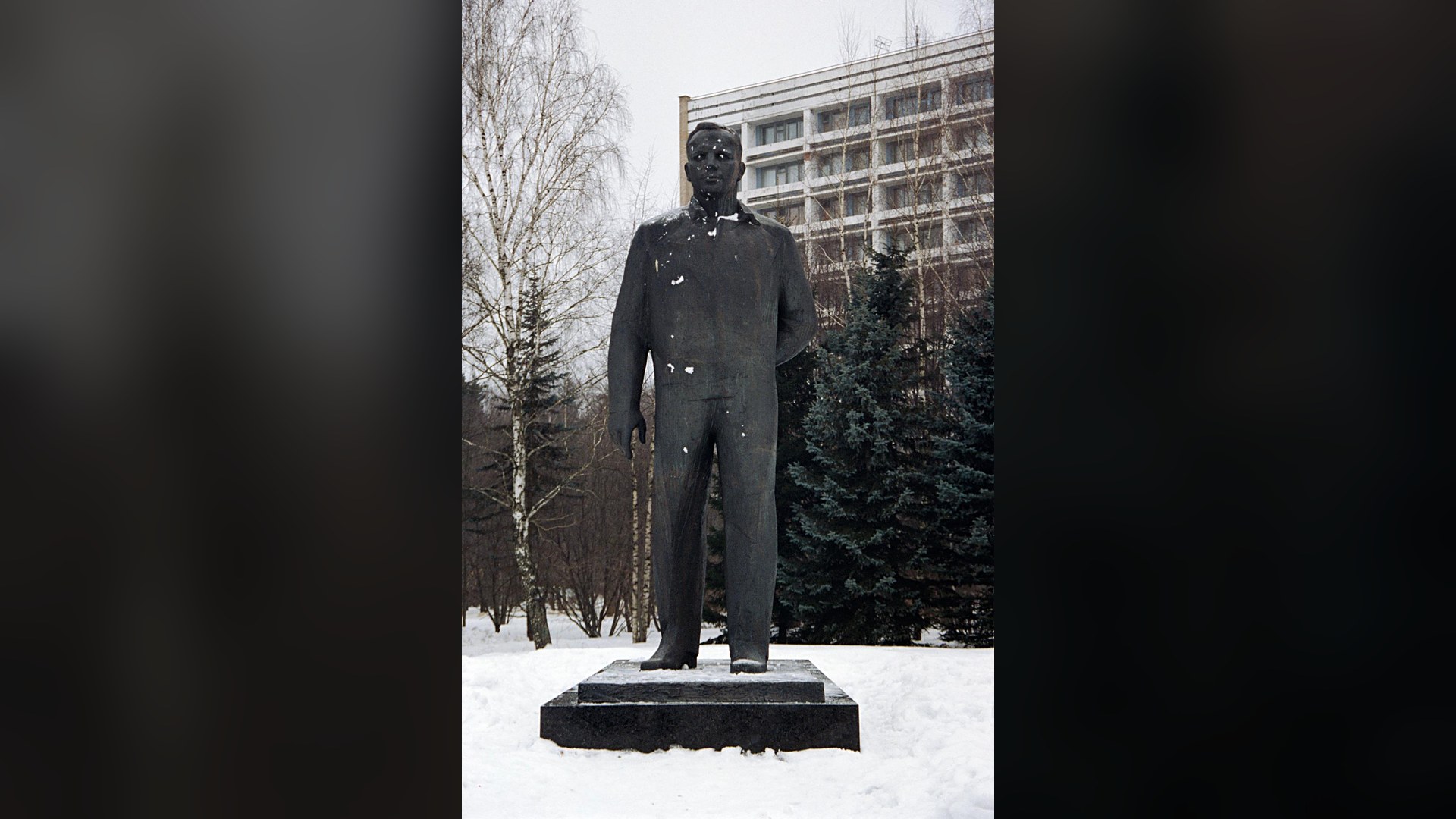
Stack the evidence and the conclusion is not close. The named phantom cosmonauts were parachutists, testers and one injured pilot, several of them found alive.
The Torre Bert tapes contain broken Russian, no radio procedure, impossible geometry, and — on the closest modern transcription — no spaceflight content at all.
No station, archive or defector has ever backed them. The archives that exposed every real Soviet space secret contain no lost cosmonauts.
The footnote matters, though. The theory was never stupid. It was built by serious listeners, in a decade when Moscow genuinely was hiding a mass-casualty disaster and a dead trainee, airbrushing men out of photographs and announcing flights only after they succeeded. The lost cosmonauts did not exist — but the secrecy that invented them absolutely did.
Verdict: Debunked.
Frequently Asked Questions
Were any cosmonauts lost in space before Gagarin?
There is no evidence of it. Post-Soviet archives, which exposed real secrets like the Nedelin disaster and Valentin Bondarenko’s death, contain no record of any crewed flight before Gagarin’s on 12 April 1961.
Who were the Judica-Cordiglia brothers?
Two Italian amateur radio operators who ran the Torre Bert listening station near Turin. They genuinely tracked early satellites, but their claimed recordings of dying cosmonauts do not hold up to analysis.
Is the “burning woman” recording real?
No. A detailed 2025 transcription found no mention of flames, crashing or spaceflight in it at all — just fragmentary chatter, in Russian with grammatical errors a native cosmonaut would not make.
Did the Soviet Union cover up space deaths?
Yes — on the ground. It hid the Nedelin launch-pad disaster of 1960 (at least 78 dead) and trainee Valentin Bondarenko’s death in 1961 for decades. The cosmonauts who died in flight, on Soyuz 1 and Soyuz 11, were publicly acknowledged.
Who was Ivan Ivanovich?
A mannequin flown on the last two Vostok test flights in March 1961, carrying a tape of choral music and a borscht recipe to test the radio. Listeners who heard a voice from an unannounced craft helped fuel the lost cosmonauts rumours.
Read Next
For another signal from the sky that nobody has ever explained, read our investigation of the Wow! Signal — 72 seconds of radio from deep space that still has no confirmed source.
And if you like the idea of things that appear in the record but were never really there, try the phantom islands that sat on official maps for centuries before anyone sailed out and found open water.
Join the Conversation
Have you heard the famous Torre Bert tape for yourself — and did it sound like a dying cosmonaut or a radio shack on a hot day? Do the lost cosmonauts still convince you, or do the archives settle it?
Tell us where you land in the comments below. If you know a version of the story we have not covered, bring it — this is one debate that has been running for sixty years, and it is not finished yet.
