
Some UFO videos are a shaky light in the sky. The Skinny Bob alien footage is not that.
It shows a thin, large-headed being standing in a room, blinking at the camera. It shows a crashed disc, bodies on the ground, and what looks like an autopsy. If it is real, it is the most important film ever leaked. If it is fake, it is one of the best fakes ever made.
Fifteen years after it appeared, nobody has proved either way. And in 2026, new clips claiming to come from the same archive started appearing again.
What Is the Skinny Bob Alien Footage?
The Skinny Bob alien footage is a set of four short videos uploaded to YouTube by an anonymous account called ivan0135. The uploads ran from 14 April to 18 May 2011. Then the account went silent, and it has stayed silent ever since.
The clips are presented as excerpts from seven longer tapes, supposedly filmed between 1942 and 1969.
The framing points at Soviet intelligence: the videos carry a KGB-style emblem and case numbers, and the being in them is said to come from Zeta Reticuli, the star system that turns up again and again in UFO lore.
None of that framing has ever been verified. There is no archive record, no document, no named source. Everything we know about where the footage supposedly came from is what the uploader wrote in the video descriptions.
That has not stopped the clips from being picked apart frame by frame for a decade and a half. A dedicated community, centred on the r/SkinnyBob subreddit and the analysis site skinnybob.info, has produced some of the most detailed amateur film analysis on the internet, and its findings cut in both directions. That is exactly why this case refuses to die.
The Story Ivan Told
According to the uploads, the material was leaked, not released: small samples from a much larger archive, stamped with case numbers and timecodes from longer reels that were never shown.
The story stitched through the four videos goes like this. A craft came down. Some of its crew died; at least one survived and was filmed in captivity over a period of years.
Meetings between the beings and human officials followed, governed by an agreement the text calls treaty 23/04, which supposedly banned filming those meetings.
It is a big story. It is also, on its own, worth nothing as evidence: a written claim attached to a video is just a written claim. The footage has to stand or fall on what is actually in the frames. So let us look at the frames.
What the Four Clips Actually Show
The disc and the crash site
The first upload mixes several scenes. A disc-shaped craft hovers near a house. Another sequence appears to show a similar craft filmed from a second aircraft, flying alongside the camera.
Then the tone shifts: a crash site, smoke, wreckage, and a body lying on the ground beside the debris.
It is edited like a highlights reel from a much longer film, and that editing is part of the problem. We never see unbroken footage of anything.
Skinny Bob himself
The second upload is the famous one. A grey being, tall and painfully thin, with an oversized head and huge dark eyes, stands in what looks like an indoor facility. The camera travels slowly up his body to his face. He blinks. He turns his head slightly.
This is the clip that gives the whole set its name, and the one analysts argue about most. The movement is calm and unhurried, with no jerking and no obvious costume seam.
The same upload includes darker material: frames that appear to show a body being examined, in the style of an autopsy, and a handprint with four long fingers.
The message, and “Family Vacation”
The third upload is mostly text. Ivan addresses the skeptics directly, insisting the material is genuine. It is the only time the uploader speaks at any length, and he says nothing that can be checked.
The fourth clip, known as “Family Vacation”, is the strangest of the set. It is in colour, and it shows several grey beings walking near a brick wall, apparently alongside humans.
The accompanying text claims the footage was shot in 1961 without the beings’ knowledge, breaking the treaty, and that the rules were tightened afterwards.
Believers treat that clip as a glimpse of an ongoing relationship. Skeptics point out that beings walking in front of a wall is also, not coincidentally, one of the easiest scenes in the set to stage.
The Case for Fake: What the Analysts Found
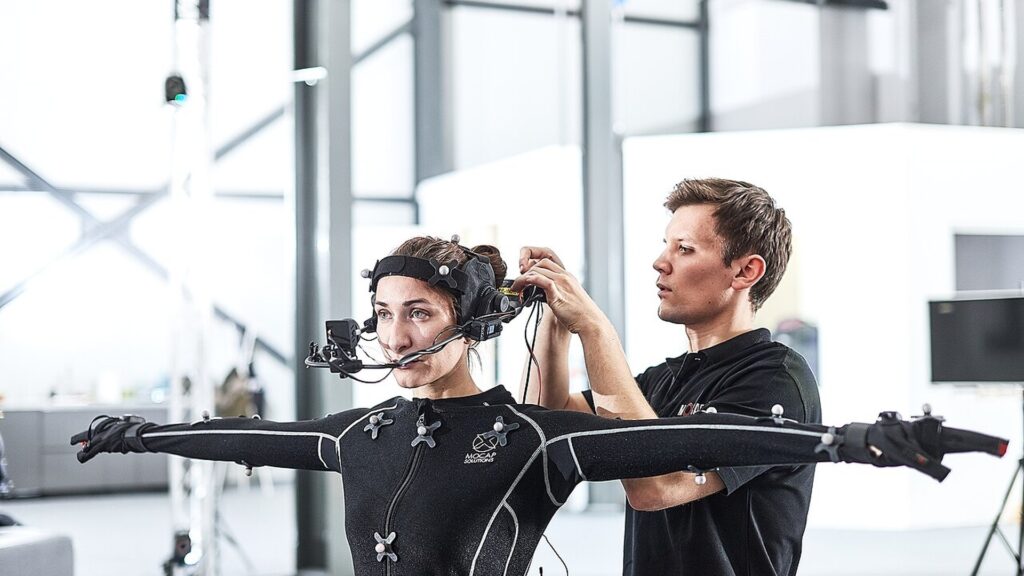
The strongest work against the footage is not opinion. It is a series of specific, checkable findings, most of them gathered by the r/SkinnyBob community and sites like Metabunk.
The aging is a shop-bought effect
The scratches, dust and flicker that make the clips look like damaged old film were matched to a commercially sold stock overlay, a film-damage effect that was already circulating online by about 2009. It is the same damage pattern, not a similar one.
Worse, the damage sits on top of everything, including the on-screen timecode. On a genuine old film, a timecode would be added during a modern transfer, after any physical damage existed.
Here the “damage” degrades the digital timecode too, which means the aging was applied last, in an editor, over a finished digital video.
Analysts also found the degradation consistent with Boris FX Sapphire plug-ins for After Effects. And the filter’s strength varies between uploads. Physical film does not change its mind about how damaged it is. An editor turning a dial does.
The timecode gives the game away
The font used for the timecode burned into the clips was identified as Consolas, a Microsoft typeface released in 2007.
A film shot between 1942 and 1969 cannot carry a digital timecode in a font designed four decades later, unless that timecode was added recently, by someone working on a modern computer.
Defenders reply that a modern transfer could add a modern timecode. That is true, and it is fair.
But it removes the timecode as evidence of age, and combined with the stock damage overlay, it means every “old film” cue in these clips was added in post-production.
The KGB emblem came from a TV show
The Soviet emblem used in the framing was traced to The Secret KGB UFO Files, a 1998 television documentary that presented staged material as real and is now widely regarded as an entertainment hoax. Lifting your authenticity badge from a known TV fake is not a good look.
The flying saucer does not move
When the hovering-disc shot is stabilised, the craft stays locked in place relative to the frame in a way a real object filmed from a moving position should not.
The simplest reading is that the disc was pasted into the shot. The projector sound under the clips also looks like a stock audio effect rather than a recording from a real transfer.
Put together, the case is strong: whatever the underlying footage is, the version Ivan uploaded was manufactured on a modern computer, with bought-in effects, in or after 2007.
The Case Against an Easy Debunk
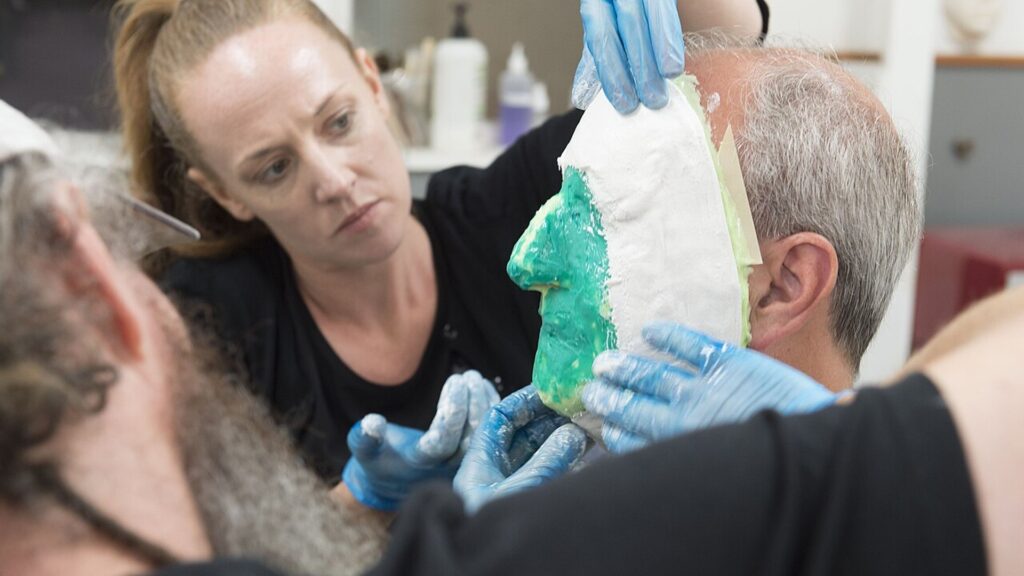
Here is where it gets uncomfortable for the skeptics. Proving the packaging is fake is not the same as proving the being is fake. Something was filmed, or rendered, underneath those effects. What was it?
The movement problem
Bob’s blink and the small movements of his head and shoulders are the heart of the believers’ case. In 2011, producing that quality of facial movement in CGI was professional-level work, slow and expensive.
Plenty of effects artists who have examined the clip have said the same thing in public: if it is fake, it is very good work.
The counter-analysis is real too. Blink-detection studies have found the light change around Bob’s eyes is flatter and more switch-like than a biological blink.
His clothing appears to move rigidly with his body, the way a 3D model’s does, and his motion is smooth in a way that can read as rendered rather than filmed.
Other analysts ran error-level analysis on the frames and found none of the compositing outlines they expected from pasted-together CGI. Honest summary: the tests point both ways, and neither side has landed a knockout.
The puppet possibility
A middle position has gained ground over the years: Bob may be a physical puppet or animatronic, filmed for real, then dressed up digitally.
That would explain the organic weight of the movement, the inconsistent CGI test results, and the manufactured aging in one move. It would still make the “1942 KGB archive” story false. But it would make the footage a practical-effects production, not a render.
Nobody has ever claimed it
Then there is the strangest fact in the whole case. Fifteen years on, no one has claimed the work. No effects studio has put it in a portfolio.
No director has admitted it was a test for a film that never happened. The channel was never monetised, and Ivan never sold or promoted anything.
Hoaxes usually have a payoff: money, fame, a product. This one has none that anyone has found. That does not make the footage real. It does make the hoax, if it is one, unusually disciplined and unusually pointless.
The source has never been verified in the other direction either. No KGB archive, Russian official or intelligence defector has ever confirmed holding or losing material like this. The provenance is a story typed under a YouTube video by an account that no longer answers.
The 2026 Resurgence
In May 2026, the case woke up. A new YouTube channel, qtecqot, began uploading fresh clips presented as further fragments from the same archive: more recovery footage of a Bob-like being, and a walkthrough of what is said to be a craft interior. Uploads followed on 25 May, 15 June, and again in late July 2026.
In a statement posted on X on 28 July, the person behind the channel said they were not Ivan, but had been in intermittent contact with him, that contact had stopped in April 2026, and that they were working under a dead man’s switch arrangement.
They claimed access to less than 2 percent of a much larger cache of material, and described what had been released so far as “the tame stuff”.
It is a well-built story. It is also, so far, just a story. Analysts who pulled the new files apart found the same problem they always find with this material: short, compressed web uploads carry almost nothing that can be authenticated. Tests for AI generation and content credentials came back inconclusive.
Timing matters too. In 2011, footage like this was hard to make. In 2026, generative video tools can produce a convincing grey alien before lunch.
That does not prove the new clips are generated. It does mean they now carry far less weight than the originals did. The bar has moved, and the new material has not cleared the old bar, let alone the new one.
Viewers who met the story through supercuts combining the 2011 and 2026 material should be careful: the two sets come from different accounts, fifteen years apart, and the link between them is a claim, not a fact.
The Verdict on the Skinny Bob Alien Footage

Our verdict on the Skinny Bob alien footage: Unresolved, leaning skeptical.
Here is what holds up. Four clips exist, uploaded in 2011 by an anonymous account that never explained itself and never profited.
The being in them has survived fifteen years of hostile frame-by-frame analysis without a confession or a smoking gun from either side.
Here is what does not hold up. The KGB archive story has zero verification behind it. The “aged film” look is a commercial effect applied over the top of the finished video.
The timecode uses a font from 2007. The Soviet emblem was lifted from a 1998 TV hoax. The hovering saucer behaves like a pasted element. Every checkable detail in the packaging has failed its check.
So the honest position is this: the Skinny Bob alien footage is almost certainly not what it claims to be, a leaked Soviet archive film.
What sits underneath the effects, a render, a puppet, or something nobody has correctly identified yet, is still an open question. Until a maker steps forward or an original surfaces, open is where it stays.
Frequently Asked Questions
Who uploaded the Skinny Bob footage?
An anonymous YouTube account called ivan0135, which posted four videos between April and May 2011 and then went silent.
When was the Skinny Bob footage supposedly filmed?
The uploader presented it as excerpts from tapes filmed between 1942 and 1969, supposedly held in a Soviet archive. None of that has been verified.
Has the Skinny Bob footage been debunked?
Parts of it have. The film-damage effect is a commercial stock overlay, the timecode uses a font released in 2007, and the KGB emblem came from a 1998 TV documentary. The being itself has never been conclusively explained.
What are the new Skinny Bob clips from 2026?
A channel called qtecqot began uploading related clips in May 2026, claiming a connection to ivan0135 and access to a larger archive. The claim is unverified, and technical tests on the new clips have been inconclusive.
Was Skinny Bob a puppet or CGI?
Nobody knows for certain. Analysts have argued for both, and a puppet dressed up with digital effects is a popular middle theory. No creator has ever come forward.
Read Next
- The “Wow! Signal” and Other Sounds from Space We Still Can’t Explain — another famous piece of evidence that has resisted every attempt to explain it away.
- The “Project Blue Beam” Theory: Is a Fake Alien Invasion Being Planned? — the claim that governments would fake an alien event, and what the evidence actually says.
Join the Conversation
Puppet, render, or the real thing? And what do you make of the 2026 clips turning up fifteen years later, right when AI video got good enough to fake the originals? Tell us where you land in the comments. If you have worked in film or visual effects, we especially want to hear from you.
