
They tell you these stories are just innocent fantasies. They tell you that your childhood favorites were designed solely for wonder, and that the “Magic” is purely for the fans. But what if these films were engineered with hidden messages and psychological layers?
The internet is full of theories claiming that the most successful media company in history has been masking secrets and rewriting narratives right in front of our eyes. Today, we are going to put on our detective hats, analyze the data, and deep-dive into the hidden reality of the Magic Kingdom.
We’ll explore the most popular theories and then fact-check them to separate the magic from the myths.
The Truth Behind Frozen
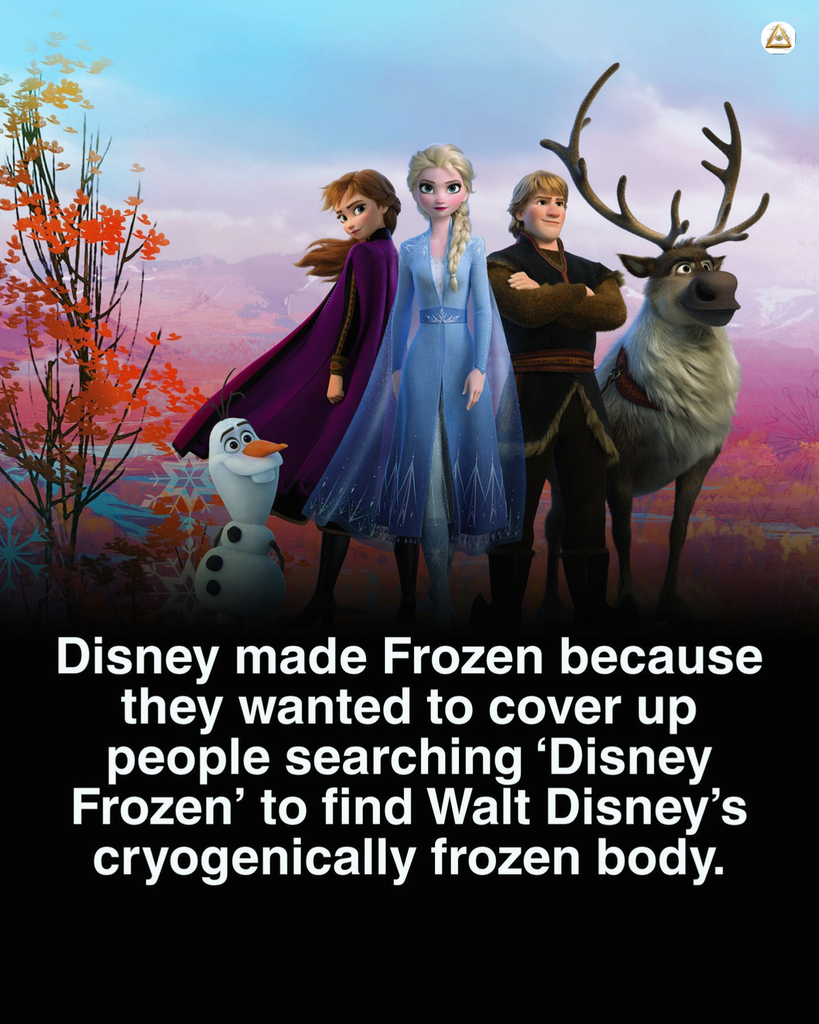
For decades, one of the most pervasive urban legends on the internet was the rumor that Walt Disney’s body was cryogenically frozen, waiting for a future where he could be revived.
Then, in 2013, Disney released a massive, record-breaking animated film simply titled Frozen. Suddenly, the search engine results for “Disney Frozen” were entirely buried under a blizzard of snowflakes, catchy songs, and sisterly love.
Conspiracy theorists suggest this was no coincidence. They argue that Disney intentionally named the movie Frozen to bury the decades-old rumor deep within the search algorithms, ensuring future generations would only associate the word with Elsa and Anna rather than cryogenic chambers.
The Fact-Check:
While this is a brilliant marketing theory, it is simply not true. First, Walt Disney was never frozen. According to his death certificate and multiple biographers, he was cremated on December 17, 1966.
The rumor started due to a misinterpretation of a statement made by his daughter. Secondly, Frozen is based on the classic Hans Christian Andersen fairy tale, The Snow Queen. The title was chosen to reflect the icy setting of the story, not to manipulate search engines.
The Delusional Marlin: Finding Nemo’s Grief Theory
One of the most heartbreaking theories on the internet revolves around Pixar’s Finding Nemo.
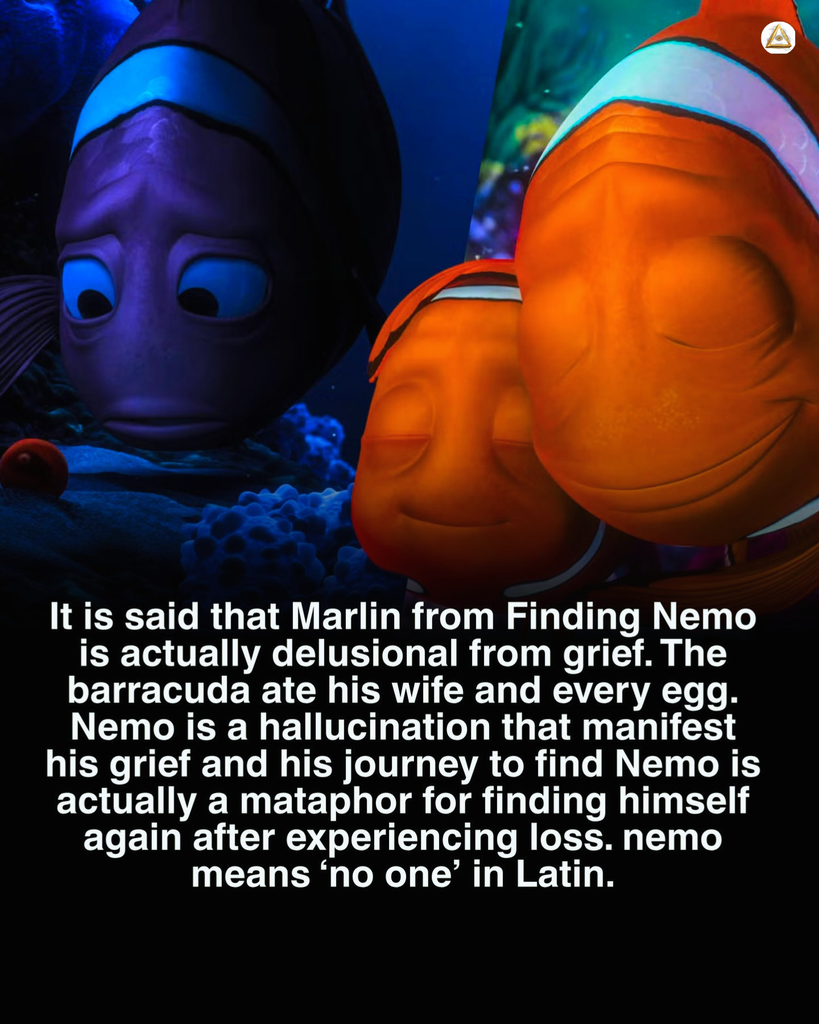
It is said that Marlin from Finding Nemo is actually delusional from grief. The theory suggests that the barracuda truly did eat his wife and every single egg.
Because Marlin could not handle the trauma, Nemo is actually a hallucination that manifests his grief. According to this theory, Marlin’s epic journey across the ocean to find Nemo is not a physical rescue mission, but rather a psychological metaphor for him finding himself again after experiencing profound loss.
Supporting this theory is the fact that “Nemo” translates to “no one” in Latin.
The Fact-Check:
While this makes for a beautifully tragic story, it is completely false. Pixar creators have explicitly stated that Nemo was named as a nod to Captain Nemo from Jules Verne’s 20,000 Leagues Under the Sea.
The Latin translation is entirely coincidental. Furthermore, the actual theme of the movie is about a father overcoming his severe anxiety and learning to trust the world again, rather than suffering from a complete psychotic break.
The Hidden Symbolism: The Psychology of Winnie the Pooh
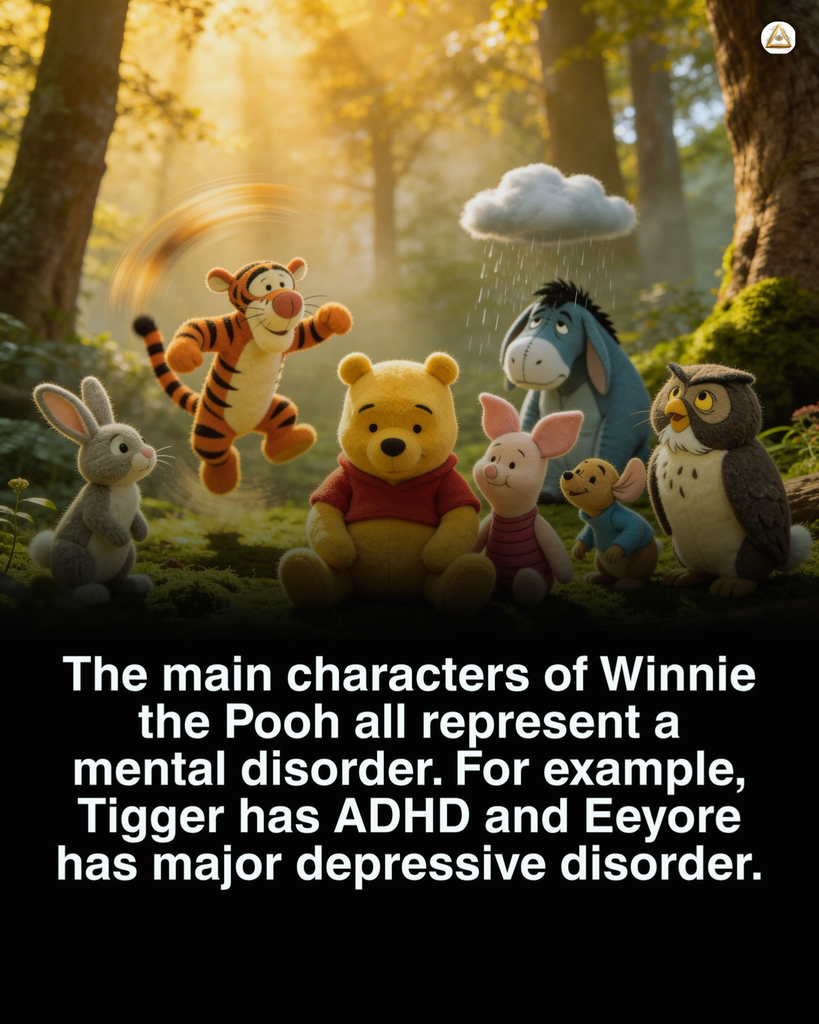
Look closely at the characters you grew up with; theorists argue they aren’t just toys or cartoon fish—they are meticulously crafted representations of the human psyche.
- Finding Nemo: The theory suggests Marlin is actually delusional from grief. The barracuda ate his wife and every egg. Nemo is a hallucination that manifests Marlin’s grief, and his journey across the ocean is actually a metaphor for finding himself again after experiencing loss. Supporting this theory is the fact that “Nemo” translates to “No One” in Latin.
- Winnie the Pooh: The Hundred Acre Wood is often theorized to be a representation of various mental disorders. Tigger represents ADHD (impulsivity and boundless energy), Eeyore embodies major depressive disorder, Piglet suffers from severe anxiety, and Rabbit displays obsessive-compulsive tendencies.
The Fact-Check:
Regarding Finding Nemo, the Latin translation is a fascinating coincidence. The creators at Pixar have explicitly stated that Nemo was named as a nod to Captain Nemo from Jules Verne’s 20,000 Leagues Under the Sea.
As for Winnie the Pooh, author A.A. Milne wrote the stories based on his son Christopher Robin’s actual stuffed animals to capture the innocence of childhood.
There is no historical evidence that he wrote them as a psychological textbook. However, while it wasn’t the author’s original intent, literary analysts agree these theories are a brilliant example of how audiences project their own interpretations onto timeless art.
The Narrative Flip: Peter Pan the Villain
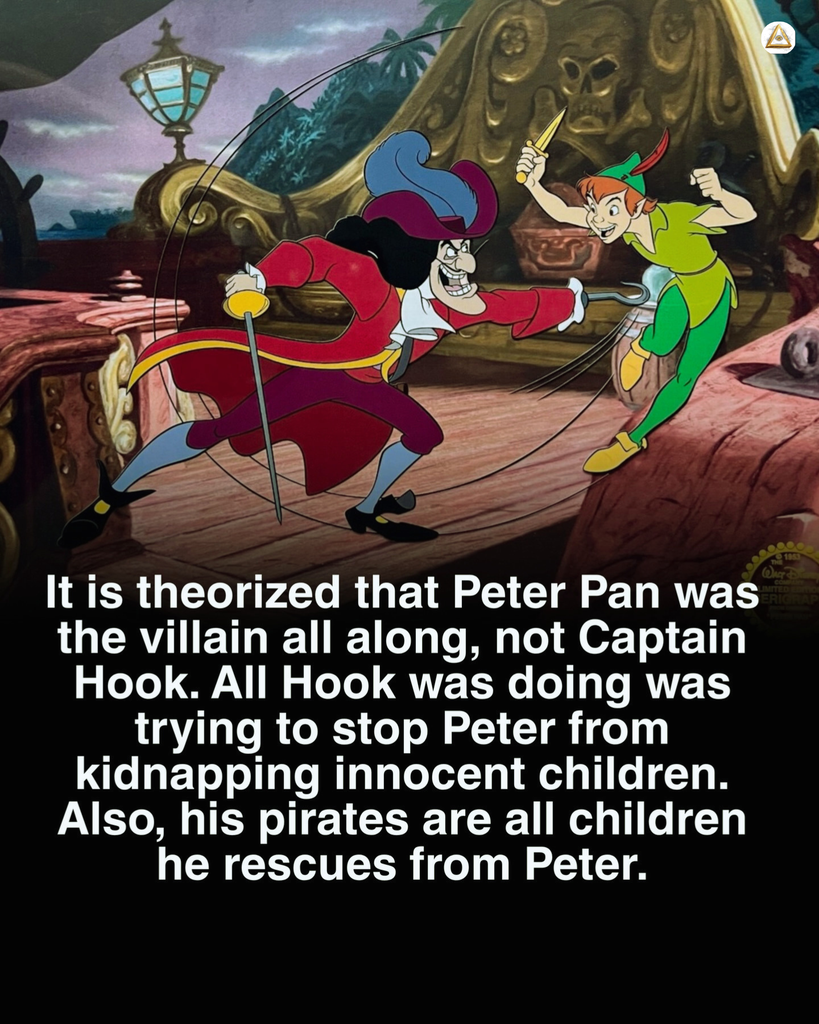
History is written by the “heroes,” but what if we’ve been looking at Peter Pan entirely wrong?
The classic tale frames Peter as the adventurous boy who never grows up, and Captain Hook as the menacing villain. However, a popular modern theory flips the script.
It is theorized that Peter Pan was the villain all along, kidnapping innocent children and taking them to Neverland. According to this theory, Captain Hook was actually the hero, and his pirates are all children he has rescued from Peter’s grasp.
The Fact-Check:
This theory is incredibly popular on social media but has zero basis in the original source material. J.M. Barrie’s original play and novel frame Peter as a tragic figure—a boy who refuses to grow up.
He is intended to be a symbol of eternal youth and the tragedy of avoiding adulthood, not a malicious kidnapper. Captain Hook is definitively written as the antagonist who is obsessed with revenge.
The Ultimate Sacrifice: Moana’s Death
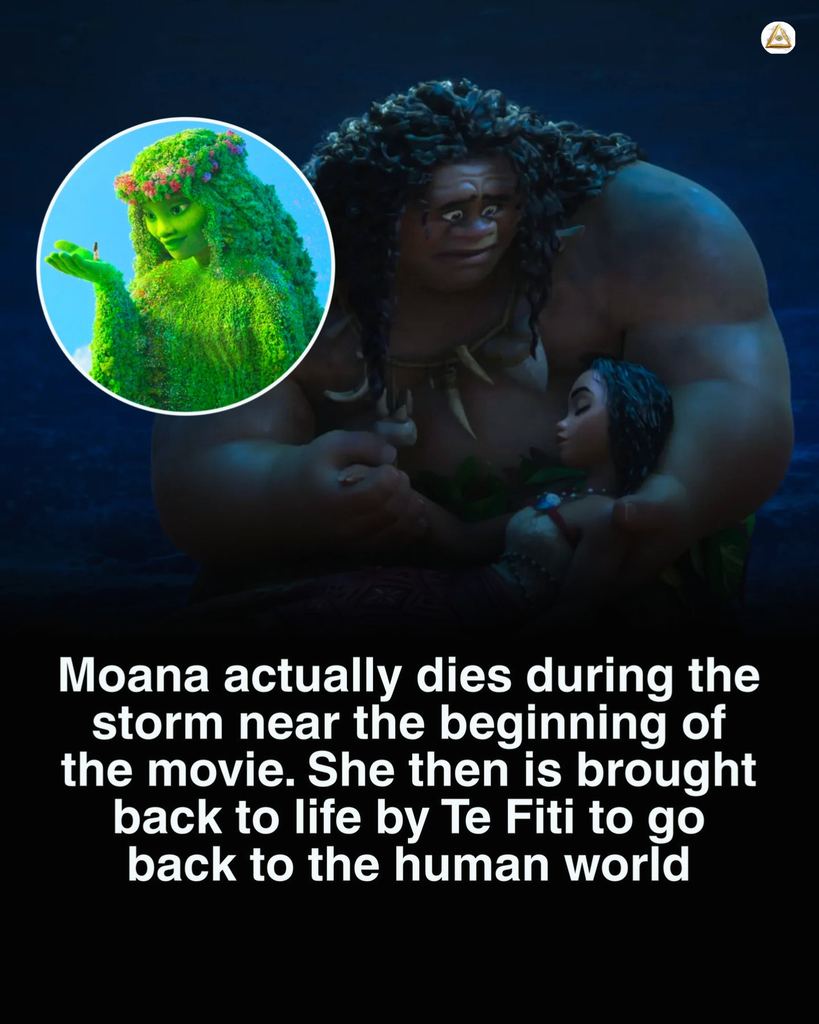
A darker theory suggests Moana actually dies during the storm near the beginning of the movie. The theory claims she is brought back to life by the goddess Te Fiti to go back and restore balance to the human world as a spirit.
The Fact-Check:
This theory misinterprets a classic storytelling trope. In mythology and screenwriting (often called the “Hero’s Journey”), the protagonist frequently undergoes a symbolic “death and rebirth” during a near-death experience.
Moana nearly drowning is a literal representation of this trope, but she does not die and become a spirit. She is saved by the ocean (which is a character in itself) because she is the chosen one meant to restore the heart.
The Takeaway
The brilliance of Disney and Pixar lies in their ability to create stories that stay with us long after the credits roll. These conspiracy theories exist because the characters are so compelling, and the storytelling is so layered, that adults can find deep, psychological meaning in them decades later.
While the data proves these theories are just myths, the real magic of the Magic Kingdom is how it continues to spark our imagination.
Frequently Asked Questions
Was Walt Disney cryogenically frozen?
No. Despite the popular urban legend, Walt Disney was cremated shortly after his death in 1966. The freezing rumor is entirely false.
What does Nemo mean in Latin?
In Latin, “Nemo” translates to “no one” or “nobody.” However, Pixar creators have confirmed the name was chosen as a nod to Captain Nemo, not to imply the character was a hallucination.
Is Peter Pan actually the villain?
No, this is a modern fan theory. In J.M. Barrie’s original story, Peter Pan represents the tragedy of never growing up, while Captain Hook is written as the clear antagonist.
Why do so many Disney conspiracy theories exist?
Disney movies are highly popular and feature deep emotional themes. Because they are watched repeatedly by generations, fans often look for hidden meanings and subtext where none were originally intended.
Final Thought
Whether you choose to believe the myths or stick to the facts, one thing is certain: the Magic Kingdom will always hold a powerful grip on our imagination.
Read Next
- The Celebrity Clone Conspiracy: 7 Stars the Internet is Convinced Were Replaced
- 10 Crazy Scooby-Doo Conspiracy Theories That Will Ruin Your Childhood
- Disney’s Darkest Theories: WALL-E, Snow White, Frozen
