
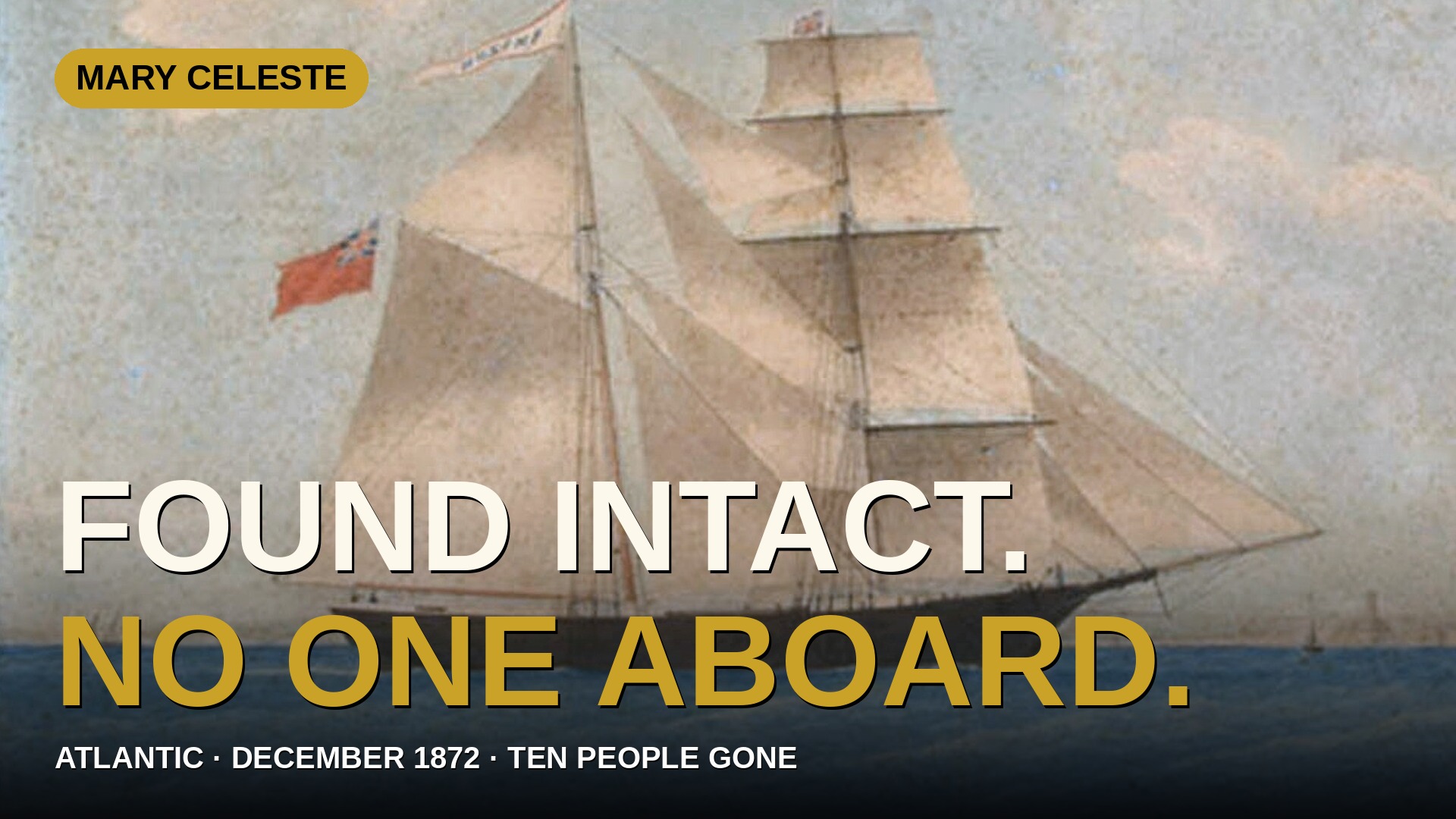
On 4 December 1872, the brigantine Dei Gratia sighted a ship sailing erratically in the Atlantic, some 400 miles east of the Azores. She was yawing under partial sail, answering no hail. Her name, when they drew close, was Mary Celeste.
The boarding party found a seaworthy ship and total silence. The cargo sat in the hold. Food and water for six months sat below deck. The crew’s belongings sat in their bunks. The only things missing were the ship’s lifeboat — and all ten people.
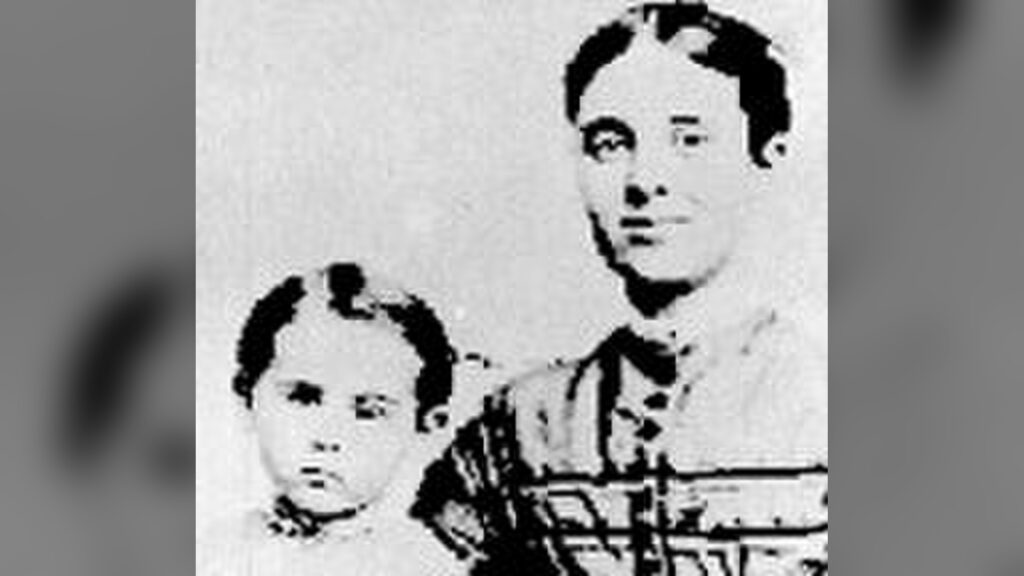
Captain Benjamin Briggs, his wife Sarah, their two-year-old daughter Sophia and seven crewmen had sailed from New York on 7 November, bound for Genoa. Twenty-seven days later, their ship was a rumour with sails.
No distress signal. No sign of violence. No note. Just a final log entry, nine days old, and an empty boat’s place where the yawl had been. It remains the most famous abandonment in maritime history — and the least explained.
What Was Found
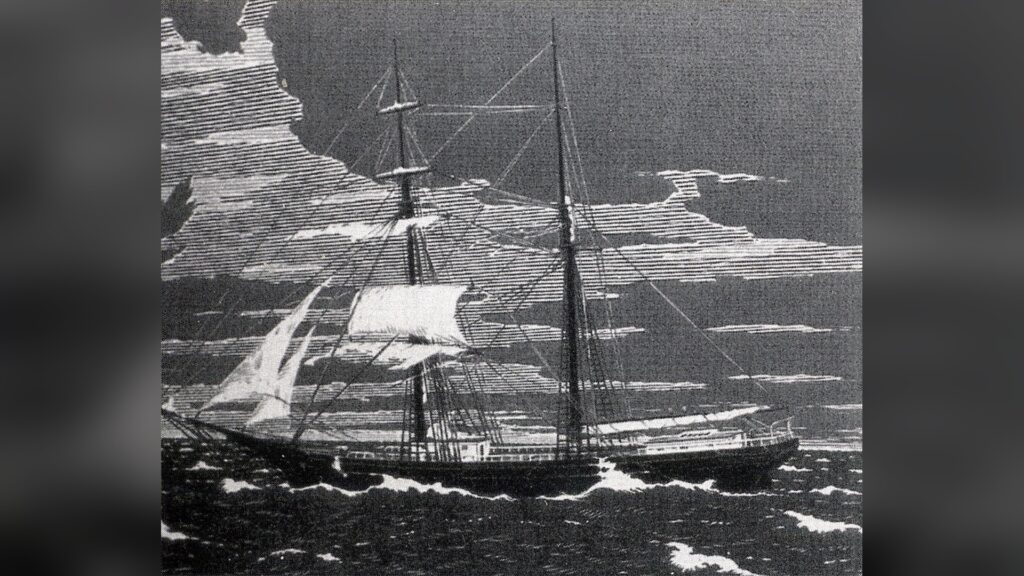
First mate Oliver Deveau, who led the boarding party, described a ship in disorder but not in distress. Two sails had blown away and others were damaged. There was about three and a half feet of water in the hold — unsettling to read, unremarkable for a vessel of her size.
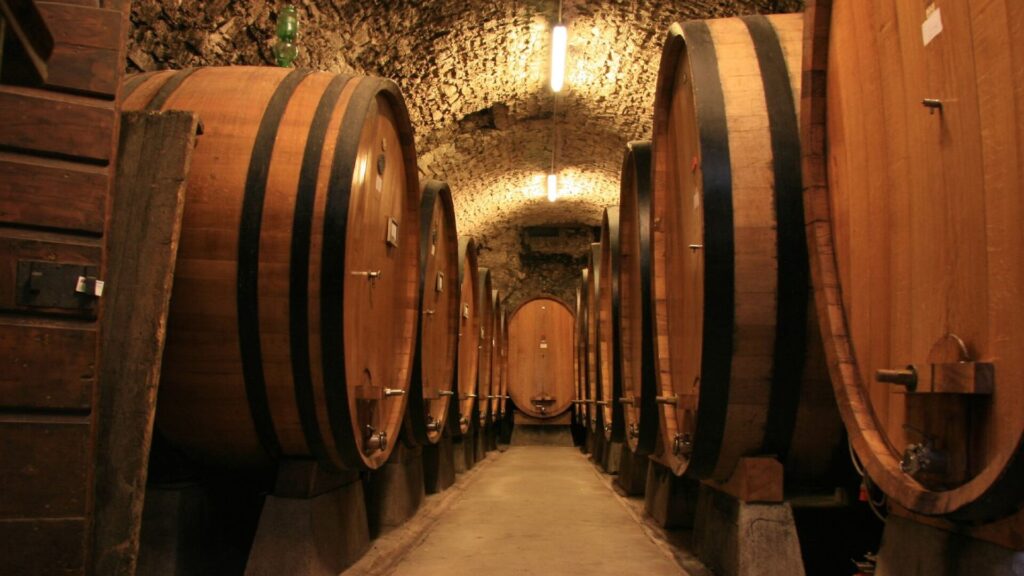
The cargo was 1,701 barrels of industrial alcohol, and it was essentially intact. When the ship was finally unloaded at Genoa, only nine barrels were empty. Those nine were made of red oak, a more porous wood than the white oak of the rest.
Provisions for six months were untouched, and there is the first myth to clear away. The Mary Celeste was not found with hot meals laid out or tea still warm. That frozen-moment scene is fiction, added by later writers. The real ship was weather-beaten and untidy.
Personal belongings were left behind throughout the cabins, including those of Sarah Briggs and little Sophia. The captain’s sword was later rumoured to bear blood. A Gibraltar chemist tested the stains in 1873 and found rust and wood fibre — no blood at all.
What was missing tells its own story. The ship’s yawl, her only boat, was gone. A section of rail had been removed, which suggested a deliberate launch rather than a boat torn away by weather. A rope trailed from the ship into the sea.
Gone too were the chronometer, the sextant and the ship’s register — the instruments a captain takes with him when he leaves in a boat and expects to navigate. Whoever left the Mary Celeste left in an orderly way, and meant to come back or be found.
The ship’s log ran to the morning of 25 November 1872. Its last entry placed her off Santa Maria in the Azores, nearly 400 nautical miles from where she was found. Nine days of her story are simply blank. The full documented record is set out in the Mary Celeste case history.
The Theories
Piracy was the first suspicion, and it fell on the rescuers. At the Gibraltar inquiry, Attorney General Frederick Solly-Flood pursued the Dei Gratia‘s crew hard, convinced a crime had been committed. He produced no evidence; the court awarded the salvors £1,700.
Piracy also fails on the facts. Pirates do not leave 1,701 barrels of saleable cargo and a cabin of valuables untouched. Nothing aboard had been looted. Whatever emptied that ship was not greed.
Mutiny runs into the same wall. A seized ship leaves marks: violence, disorder, men who later surface somewhere. There were no marks. The suspected blood was rust. And the cargo alcohol was denatured — poisonous, not drinkable — undercutting the drunken-crew version too.
Briggs himself argues against mutiny. He was an experienced, respected master, part-owner of the vessel, travelling with his wife and child. No grievance or survivor ever emerged to support the story.
The waterspout theory is gentler. One striking the ship could explain water in the hold, torn sails and a broken compass. Fearing she was foundering, Briggs might have ordered everyone into the yawl until danger passed.
But a waterspout does not explain why a sound ship was abandoned for good. If the ten reached the yawl safely, they still had to vanish — boat, bodies and all — in busy shipping lanes. It explains a scare, not a disappearance.
The strongest theory starts with those nine empty red-oak barrels. Alcohol vapour is heavier than air. Over days, fumes could have built up in the sealed hold — a bomb waiting for a spark or a hatch lifted at the wrong moment.
In 2006, UCL chemist Andrea Sella built a replica of the hold and tested it. An alcohol-vapour explosion, he showed, produces a pressure wave and a cool flame — a frightening blast that leaves no soot, no scorch marks and no fire damage.
That matches the ship exactly: an explosion violent enough to terrify, gentle enough to leave no trace. On this reading, Briggs heard the bang, smelled fumes, feared the cargo would blow the ship apart, and ordered a temporary evacuation into the yawl.
Then the tow line parted, or the wind took the ship faster than a laden boat could follow. She sailed on alone for nine days. The yawl, with ten people in open ocean, did not survive. It is a complete story. It is also only a story.
The Verdict
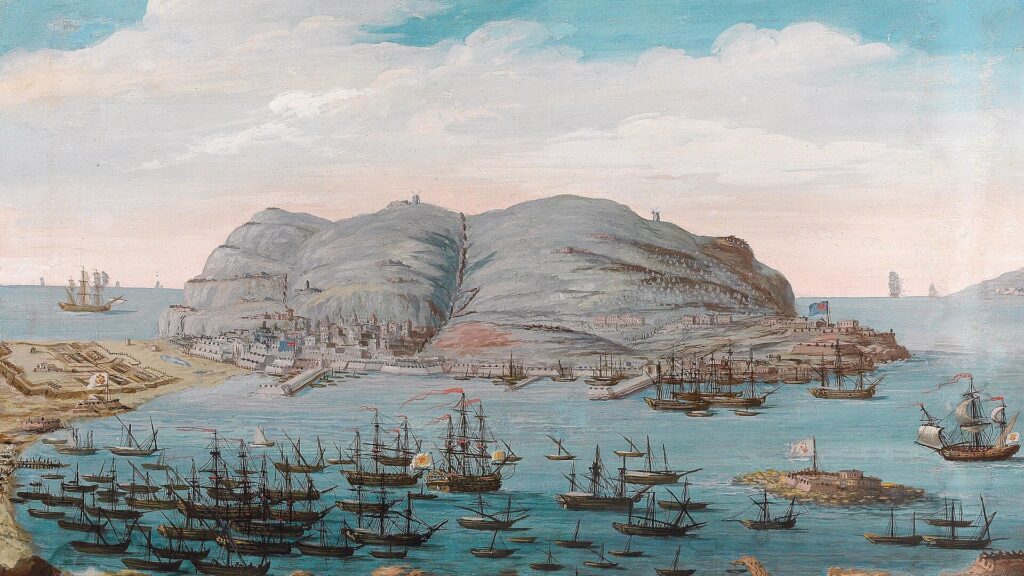
Strip away 150 years of embroidery and the documented core is stark. A sound ship. An intact cargo. An experienced captain. A boat launched deliberately, instruments taken, a rope trailing astern — and then nothing, from ten people, ever again.
Much of what the public “knows” is invention. In January 1884, a young Arthur Conan Doyle published a short story, “J. Habakuk Jephson’s Statement”, that renamed the ship Marie Celeste and dressed the case in drama. The wrong name and half the legend trace back to that one work of fiction.
The alcohol-vapour theory earns its place as the leading explanation because it fits the physical evidence: the nine porous barrels, the undamaged ship, the orderly launch. But no witness, wreck or document has ever confirmed it, and it cannot say what happened in the yawl.
Verdict: Unresolved. An alcohol-vapour scare followed by a failed temporary evacuation is the most plausible account of why the Mary Celeste was abandoned — but it remains unproven, and the fate of Benjamin Briggs, his family and his crew has never been established.
Frequently Asked Questions
When was the Mary Celeste found?
On 4 December 1872 by land time — 5 December by sea time, which is why some accounts give that date. The Canadian brigantine Dei Gratia found her adrift about 400 nautical miles east of the Azores and sailed her to Gibraltar.
How many people vanished from the Mary Celeste?
Ten: Captain Benjamin Briggs, his wife Sarah, their daughter Sophia, aged two, and seven crewmen. None was ever found, and no bodies were recovered. The ship’s only boat, a yawl, was missing with them.
Was the Mary Celeste found with hot food on the table?
No. That detail is legend. The ship was found weather-beaten and in some disorder, with provisions untouched below deck. Arthur Conan Doyle’s 1884 short story popularised the embroidery — and the wrong name, Marie Celeste.
What was the Mary Celeste carrying?
A cargo of 1,701 barrels of industrial alcohol, bound from New York to Genoa. At unloading, nine barrels were empty. Those nine were red oak, which is more porous than the white oak used for the rest — a key detail in the leading theory.
What is the most accepted explanation for the Mary Celeste?
That leaking alcohol vapour caused a scare — possibly a flash explosion of the kind UCL’s 2006 experiment showed leaves no fire damage — and Briggs evacuated everyone into the yawl as a precaution, then became separated from the ship. It is plausible, but unproven.
Join the Conversation
A terrified captain making the right call at the wrong moment, or something stranger in those nine silent days? And if the yawl was launched so carefully, where did it go? Tell us which theory you would bet on.
Read Next
STENDEC: The Message That Was Never Explained
Aircraft Disappearances That Are Still Unsolved
